

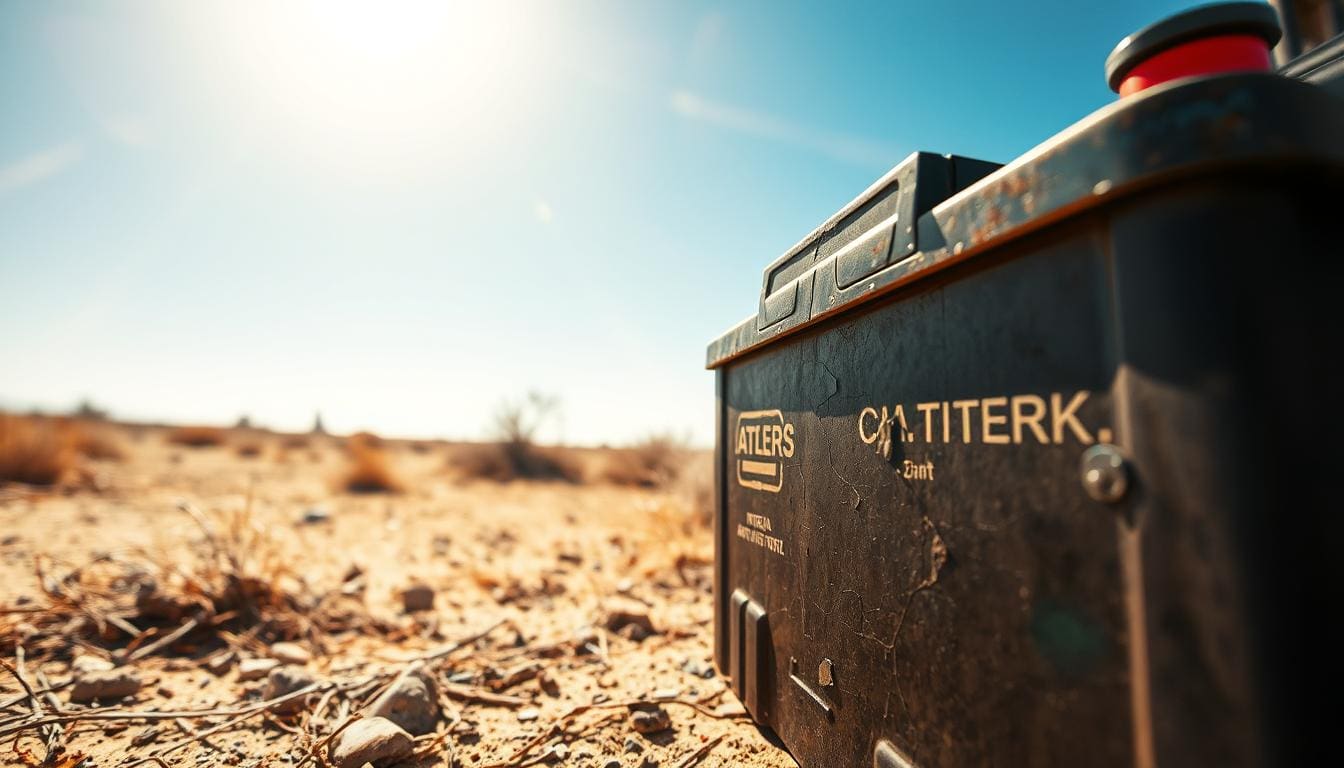
We know summer in Texas can be brutal on vehicle power. Drivers in san antonio often ask how long a car battery will last under relentless heat. Average lifespans run three to five years, but climate and driving habits can shorten that time.
Car batteries can fail without warning and leave you stranded. That’s why we at Heaven Automotive focus on clear, same-day service so you know where your battery stands before it quits.
By “battery life” we mean steady starting power, reliable electrical performance, and the ability to hold a charge during daily drives. Heat, short trips, and heavy accessory use all chip away at usable life.
We provide practical, local solutions — from quick diagnostics to same-day repair or replacement. If your battery is older or acting up, call us and let Heaven Automotive test it and recommend the right next step.
Key Takeaways
- Texas heat shortens average battery life; age alone isn’t enough to predict failure.
- Regular checks help avoid unexpected no-starts and roadside hassles.
- Heaven Automotive offers local, same-day service and clear recommendations.
- Look for weak starting, dim lights, or slow electronics as early warning signs.
- Proactive service saves time and keeps modern vehicle systems reliable.
What Texas Heat Does to Car Battery Life in San Antonio
High summer temperatures in our area speed wear and cut into a car’s starting reserve. In plain terms, extreme heat shortens service life and raises the chance of sudden failure.

Average lifespan and why results vary
Most units last about three to five years in normal conditions. Two units bought together can age differently here because of heat, driving patterns, and maintenance history.
How extreme heat speeds wear and reduces starting power
Prolonged high temps accelerate internal corrosion and electrolyte loss. That lowers a cell’s ability to hold charge and reduces cranking power, so a car may hesitate to start.
Driving patterns and high accessory load
Short trips don’t allow full charging, so the unit spends more time undercharged. Heavy accessory use—HVAC, infotainment, phone chargers—adds strain and shortens life.
Why modern units can fail without warning
Many modern designs deliver full power until an abrupt collapse. We recommend proactive testing when heat peaks or age becomes a concern to avoid being left stranded.
- System note: charging, alternator output, and starter demand work together; a weak component can mimic other issues.
Battery Testing San Antonio at Heaven Automotive
At Heaven Automotive, we deliver fast, data-driven checks that stop guesswork. We combine computerized diagnostics and hands-on inspections to give clear results about your car’s starting health.

What our checks cover
We evaluate resting voltage and overall health, then run a load assessment to see how the battery performs under demand.
Cranking power gets special focus because it determines whether your car starts reliably after heat exposure or aging.
Systems and connection inspections
Our technicians also verify charging output and common alternator or starter issues so we don’t replace a battery when the root cause is elsewhere.
Terminal inspections and cleaning are part of the process to avoid false failure readings from poor connections.
Tools, results, and next steps
We use dedicated equipment and computerized analysis so our recommendations rest on data, not guesses.
“Clear results let us recommend the most cost-effective next step.”
If a unit shows weakness, we explain options for replacement and can complete installation the same visit to get your vehicle back on the road quickly.
Signs Your Vehicle Battery Needs Testing or Replacement
Heat and wear often reveal themselves through small, repeated starting struggles. Watch for clear, repeatable signs so you can avoid a roadside failure.
Slow cranking, clicking starts, and repeat jumps
Slow engine crank or a clicking sound when you turn the key are classic signs to act. If you need jump starts more than once, schedule prompt battery testing and inspection.
Dimming lights and reduced electrical power
Dimming headlights or weak accessory operation indicates low reserve. These symptoms often get worse in hot weather and with short trips.
Warning light and charging-system concerns
If a dashboard warning appears, we test the battery and alternator together. That helps us avoid unnecessary replacement or repair.
Corrosion and terminal connection problems
Corrosion on battery terminals can cut power flow. Our technicians inspect and clean terminals as part of routine inspections.
When to act and what to expect
In san antonio, schedule service ahead of heat waves or cold snaps. Typical diagnostics take about 30–45 minutes. If replacement is needed, we often complete installation the same visit.
| Symptom | Likely Cause | Typical Action |
|---|---|---|
| Slow crank / clicking | Low reserve or starter stress | Diagnostic check; possible replacement |
| Dimming lights | Weak cells or poor charge | Inspect connections; test charging |
| Warning light | Charging system issue | Alternator and battery evaluation |
| Corrosion at terminals | Poor connection | Clean terminals; retest |
“Testing now is often cheaper and less disruptive than a tow later.”
Conclusion
Strong, proactive service is the best defense against Texas heat shortening car life. Hot summers speed wear, and modern units can fail without much warning.
We recommend quick diagnostics and same-day options to avoid last-minute no-starts. Our shop offers clear results, fast installation, and practical repair choices for a wide range of vehicles.
If you notice slow cranking, dim lights, corrosion, or warning indicators, call us and get a same-day appointment. We handle routine checks and full replacements so you don’t bounce between stores or guess at the cause.
Hire Heaven Automotive to fix your vehicle.