

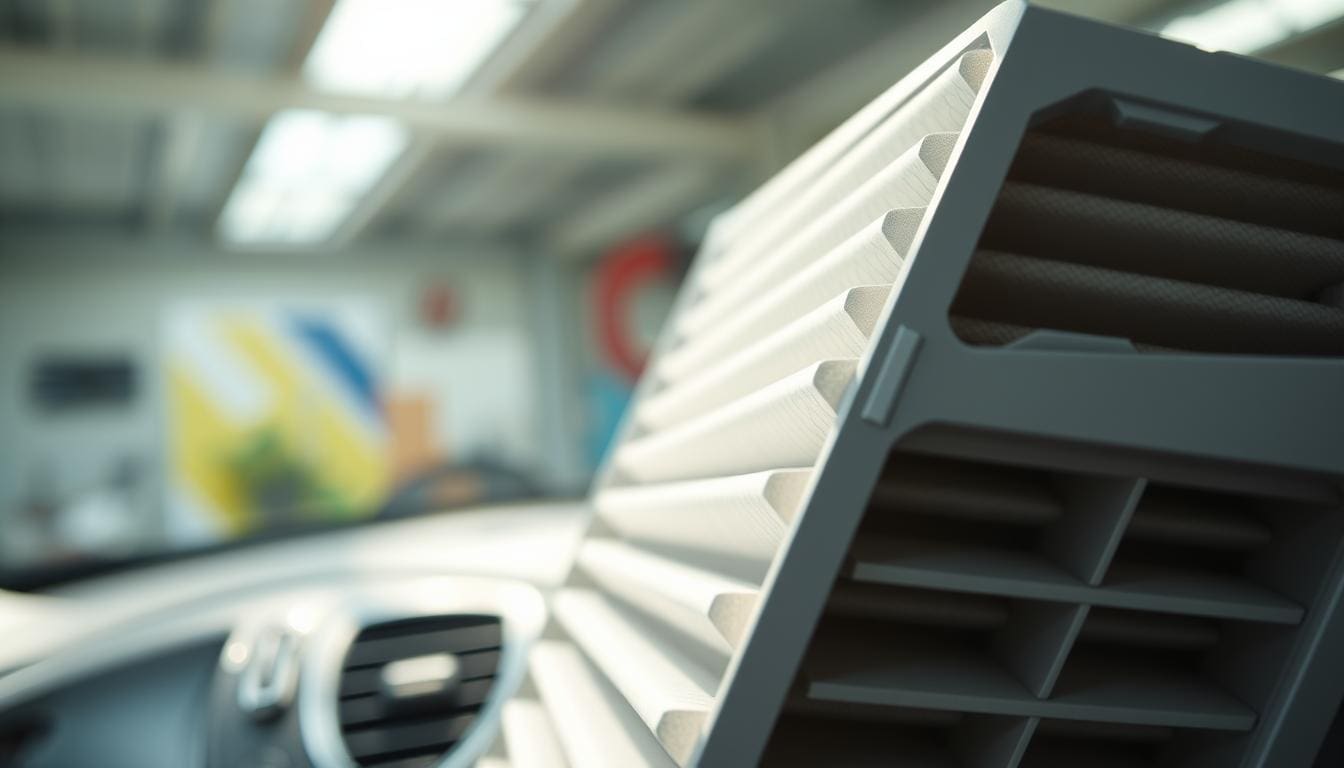
We rely on our vehicle to move us safely, and the quality of the air inside matters more than many realize. A cabin air filter is designed to capture pollutants that enter the ventilation system, helping keep the air we breathe clean.
Today’s roads carry pollen, dust, and traffic-related particles that can worsen allergies and affect breathing. We frame this piece as a buyer’s guide: how to compare media, recognize HEPA or N95-grade claims, and avoid the wrong product for our car.
Performance is a balance of filtration and airflow, and the best choice depends on our driving environment and sensitivities. For correct fitment, proper matching, and a quick HVAC check, we trust Heaven Automotive to inspect and install the right cabin air filters with no hassle.
Key Takeaways
- Filters trap allergens, dust, and traffic pollutants that enter the vents.
- Compare media types and verified HEPA claims before buying.
- Balance filtration efficiency with airflow for real-world performance.
- Match the product to our vehicle to avoid fit and warranty issues.
- We can hire Heaven Automotive for inspection and professional installation.
How cabin air filters protect our health in today’s driving conditions
We spend long stretches in vehicles, and what drifts through the vents matters to our health. Commuting and weekend trips expose us to a mix of roadway soot, pollen, and tiny debris that ride into our vents.
What “cabin air” really contains on US roads
Roadside particles include brake and tire wear residue, roadway dust, seasonal pollen, and other contaminants. These pollutants enter through the ventilation intake and collect near the blower and ducts.
Who benefits most from upgraded filtration
People with allergies, asthma-sensitive passengers, families with children, and older adults gain the most from improved filtration. Rideshare drivers and anyone who spends long hours commuting also see clearer, more comfortable breathing.
- HEPA-grade products can cut microscopic allergen load and trap pet dander and pollen.
- Proper fit and timely replacement are essential for real results; a clogged element reduces airflow and strains the HVAC system.
- We aim for balance: effective filtration that keeps enough flow for heating and cooling to work well.
How the vehicle HVAC system uses a filter to clean incoming air
Our vehicle ventilation draws outside air through a protective layer before it reaches the blower and vents. This simple step removes dust, pollen, and road grime so passengers breathe cleaner air.
Where the cabin filter sits and how airflow moves through the system
Most listings note the element is located behind the glove box, though some models place it under the cowl or behind an access panel. The intake pulls air through the media, then the blower sends conditioned flow into the vents.
The arrow on the element marks flow direction. Install it correctly to reduce noise and keep performance steady. In recirculation mode, air still passes the same path, so a clogged element affects every drive.
- Unrestricted flow helps heating and cooling work efficiently.
- Restricted flow makes the system work harder and reduces comfort.
| Location | Access | Notes |
|---|---|---|
| Behind glove box | Easy | Common; many parts list this location |
| Under cowl | Moderate | Often needs exterior panel removal |
| Under dash | Hard | May require glove box removal |
If we’re unsure about access or orientation, a professional inspection by Heaven Automotive confirms correct installation and keeps our HVAC layout working as intended.
What a cabin air filter removes from the air we breathe
Every trip brings a mix of small contaminants that can bother our eyes, nose, and lungs. We rely on a proper element to trap these particles before they reach passengers.
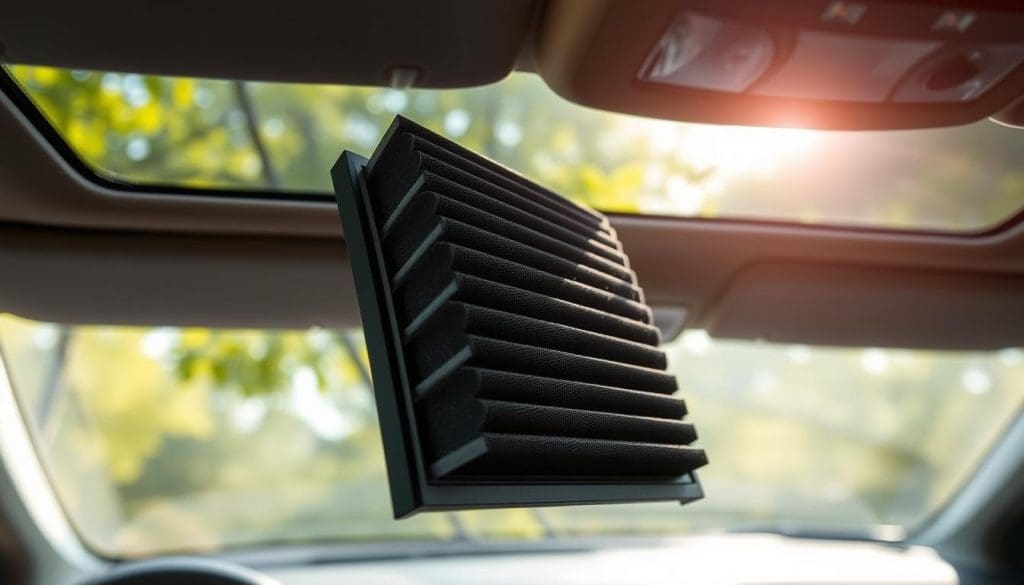
Common contaminants and particles: dust, pollen, and road pollutants
We see three recurring offenders: dust, seasonal pollen, and everyday road pollutants like tire and brake residue. HEPA-grade options are built to capture tiny particulate matter.
- Dust and dirt: bulk debris that settles in vents and on surfaces.
- Pollen: seasonal spikes that trigger sneezing and itchy eyes.
- Road pollutants: fine particles from traffic and construction zones.
Allergy and asthma relief: why trapping allergens matters
HEPA cabin air filters claim up to 99.97% capture of microscopic particles. That reduction can lower exposure to pet dander and pollen while we drive.
Fewer irritants in the cabin often mean less sneezing, less congestion, and fewer asthma flare-ups for sensitive passengers. Still, we must match the product to our driving needs and replace it on schedule.
- Proper fit and correct flow direction keep performance steady.
- On-time replacement prevents clogged media and reduced ventilation.
- Choose media based on our environment—not simply the highest price.
Choosing the right cabin air filter media for your needs
Selecting the right element depends on whether we prioritize allergy relief, odor control, or steady airflow. Our choice should match daily driving conditions and health priorities.
Standard vs premium options for everyday driving
Standard media work well for general dust and pollen and cost less.
Premium products add layers for finer capture and odor control but may cost more.
HEPA and N95 explained
HEPA is a dense mechanical layer claiming 99.97% capture of microscopic particles.
This benefits allergy-sensitive riders and those facing wildfire smoke.
N95-grade media captures about 95% of airborne particles. It’s a meaningful middle ground for commuters and families.
Odor control and antimicrobial layers
Activated charcoal and carbon blends reduce exhaust and food smells. Some products add baking soda for odor absorption.
Antimicrobial coatings aim to inhibit growth on the media, but timely replacement remains our best protection.
“Match the media to your priorities—protection, smell control, or airflow—and replace on schedule.”
| Type | Benefit | Example |
|---|---|---|
| HEPA | 99.97% small particle capture | PUREFLOW® 4-stage |
| N95-grade | 95% particle reduction, balanced flow | FRAM TrueAir™ / Titanium® |
| Carbon/odor | Removes smells, road dust & pollen | FRAM Fresh Breeze® |
Fitment first: matching the correct product to our car
Before we buy, the one non-negotiable check is whether the part will actually fit our vehicle and seal in its housing.
Confirm the exact part with trusted tools
Start with the owner’s manual to find location, part type, and flow direction. Then enter year/make/model/trim into a reputable parts lookup (for example, FRAM) to confirm the exact part number.
Why large catalogs can mislead
Seeing “308 products” in a category doesn’t mean any will fit our vehicle. Massive lists, page refreshes, and tracked cookies can cause confusion and costly returns.
- Fitment is the priority: a perfect product that doesn’t seat properly won’t seal the housing.
- Distinguish cabin filtration from engine air parts — they differ in size, purpose, and placement.
- If we’re unsure about fitment, airflow direction, or access behind the glove box, Heaven Automotive can verify the part and install it quickly.
“When in doubt, verify the part number — it saves time and prevents compatibility headaches.”
When to replace cabin air filters and why timing affects performance
Even with modest mileage, particles build up and weaken how our ventilation works over months. A scheduled check keeps flow steady and helps preserve comfort for all passengers.

Why many brands recommend a yearly change
Many manufacturers advise replacing a cabin air filter about every 12 months. This benchmark balances capture efficiency and airflow so the HVAC does not strain.
Reduced flow and an overworked HVAC
When flow drops, the system runs harder to reach set temperatures. That raises wear and may increase energy use and noise.
Dust, fogging, and other warning signs
Visible dust on vents, frequent windshield fogging, or dust blowing out are signs the element can no longer trap contaminants effectively.
Loud fan noise and debris near the blower
If dirt reaches the blower, we often hear rattles or louder fan tones. That means debris bypassed the media and may need cleaning or repair.
Pro tip: When we change an engine air part during routine service, check the cabin filter at the same time. It saves effort and keeps the whole ventilation system working well.
| Check | Interval | Why it matters |
|---|---|---|
| Visual inspection | Every 6 months | Spot dust build-up early |
| Replace element | About 12 months | Maintain airflow and capture efficiency |
| HVAC noise check | As soon as noise appears | Prevent blower damage from debris |
“A timely swap prevents performance loss and keeps our cabin breathing cleaner.”
Price vs performance: what we’re really paying for
Price often reflects extra engineered layers, lab testing, and construction that affect how well our cabin air filter performs over time.
Budget options versus premium choices
Budget parts can handle light driving and short commutes. They trap larger dust and pollen while keeping cost low.
Premium products usually add denser media like N95-grade or HEPA layers. That delivers better capture, steadier airflow, and longer service life.
Value-add features that justify higher cost
What we pay extra for includes activated charcoal, ARM & HAMMER™ baking soda for odor control, antimicrobial coatings, and stronger frames that seal reliably.
“A modest upcharge can mean fewer odors, fewer allergy triggers, and less frequent replacements.”
| Option | Typical benefit | Example price |
|---|---|---|
| Budget | Basic dust/pollen capture | $10–$15 |
| Premium | N95/HEPA layers, odor control | $19.85–$23.77 |
| Value add | Charcoal, antimicrobial, firmer seal | Varies by vehicle |
- Define “better”: improved capture, maintained flow, tight seal, and reliable life span.
- Match our choice to needs—commuters and allergy sufferers often get real value from premium filters.
DIY swap or professional service: what’s best for our vehicle
Deciding whether to swap a cabin air filter ourselves or hire a pro comes down to access, comfort, and time. Some cars let us change the part in minutes. Others hide it behind panels that need tools and patience.
Quick checklist before we install a new unit
- Confirm the correct air filter part number for our car and trim.
- Verify flow arrow direction so the media seats correctly.
- Inspect the housing seal and remove loose debris.
- Clean the access area to keep the blower free of dirt.
When a clogged element signals deeper HVAC issues
Reduced airflow or a loud fan after swapping the part can mean debris reached the blower or ducts. Repeated clogging, musty smells, or persistent weak flow suggest problems beyond the element.
Buying friction: if online listings, cookies, or confusing fit notes risk a wrong part, professional sourcing saves returns and wasted time. A lowest price that doesn’t seat right can cost us twice as much.
“When we want correct fitment, clean installation, and a full diagnosis, Heaven Automotive gets the job done right the first time.”
Conclusion
A single, well‑matched component can restore steady flow and cut allergy exposure on commutes.
We summarize the buyer takeaways: a cabin air filters choice is a small product with a big impact on comfort and health. Pick media that fits your needs—standard, N95‑grade, or HEPA—and keep to a regular replace schedule for best results.
Clean cabin air depends on the whole approach: correct installation, arrow direction, and a filter that balances capture with flow. Watch for reduced airflow, windshield fogging, or louder fan noise—these are signs to act now.
If we want expert help selecting the right cabin air filter, confirming fitment, and restoring clean flow, hire Heaven Automotive to fix our vehicle quickly and correctly.