

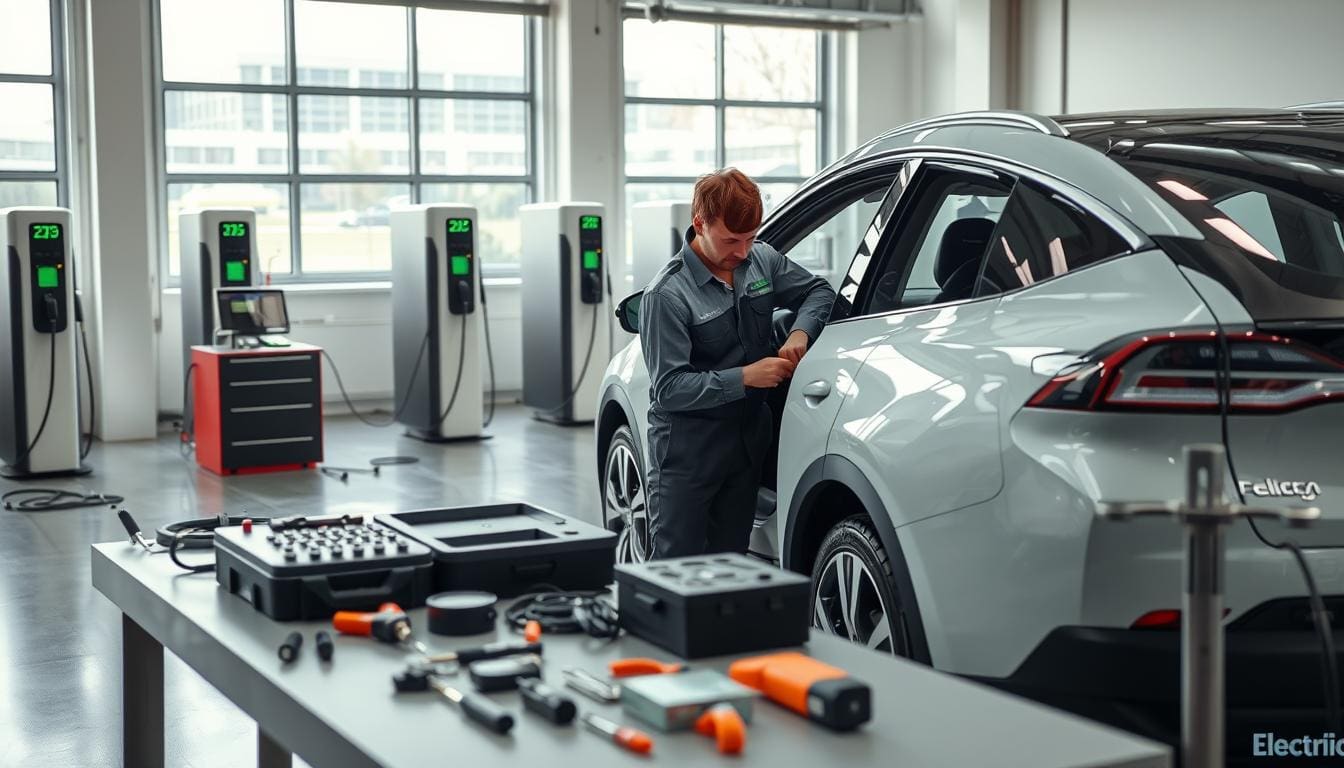
We wrote this guide to help owners understand what regular care looks like for electric cars in the United States.
Electric motors have fewer moving parts than gas engines, so owners often see fewer routine services and lower maintenance costs. That said, a vehicle still needs regular checks for tires, brakes, wipers, filters, and cooling systems.
Our approach defines practical upkeep, not the idea of no service at all. We’ll explain why fewer moving parts reduce service needs and show where owners typically save—like no oil changes—and where they still spend, such as tires and brake fluid.
We will also preview a clear schedule: quick monthly checks, mileage-based inspections, and longer-term services. Our goal is to protect safety, preserve range, and reduce repair surprises over time.
Heaven Automotive is the shop you can trust when you want electric vehicle inspections done correctly and documented. Our recommendations complement the owner’s manual and respect each manufacturer’s warranty rules.
Key Takeaways
- Electric cars often need less service because they have fewer moving parts, but they are not maintenance-free.
- Owners save on engine-related work and oil changes but still pay for tires, brakes, filters, and cooling checks.
- Follow a simple schedule: monthly checks, inspections by mileage, and periodic longer services.
- Our tips aim to keep you safe, preserve driving range, and avoid surprise repairs.
- Always follow the owner’s manual for warranty rules; use Heaven Automotive for EV-specific inspections and documentation.
Why Electric Cars Still Need Maintenance in the United States
Switching from a gas engine to an electric car changes which systems need attention, not whether attention is needed.
We see fewer moving parts in the powertrain, so owners skip oil changes, spark plugs, and many tune-ups. That reduction lowers long-term costs, but routine service remains vital for safety and predictable ownership expenses.
What routine checks protect
Regular inspections catch wear on tires, brake fluid issues, and cooling system leaks before they become costly. These tasks preserve range and keep the vehicle within warranty rules.
How costs compare over time
Compared with combustion and gas vehicles, owners typically pay less in overall maintenance costs. The savings from skipping oil changes and complex engine repairs add up, while year‑to‑year expenses focus on tires, brakes, and filters.
Why manufacturers and documentation matter
Following the service schedule and documenting inspections reduces disputes with manufacturers and protects warranty coverage. We recommend a simple, repeatable routine and professional records from Heaven Automotive to keep claims straightforward.
| Area | Common Task | Why it matters |
|---|---|---|
| Tires | Rotate and check pressure | Preserves range and improves safety |
| Brakes | Fluid check and pads inspection | Prevents failures and maintains warranty |
| Filters & Cooling | Cabin filter replacement, coolant checks | Protects electrical systems and comfort |
EV Maintenance Schedule You Can Actually Follow
A compact checklist makes upkeep manageable for busy owners. We break tasks into quick monthly steps, mileage-based inspections, and longer-term replacements so you can save time and avoid surprises.
Monthly checks
Check tire pressure and scan tires for uneven wear. Low pressure lowers range and speeds tire wear.
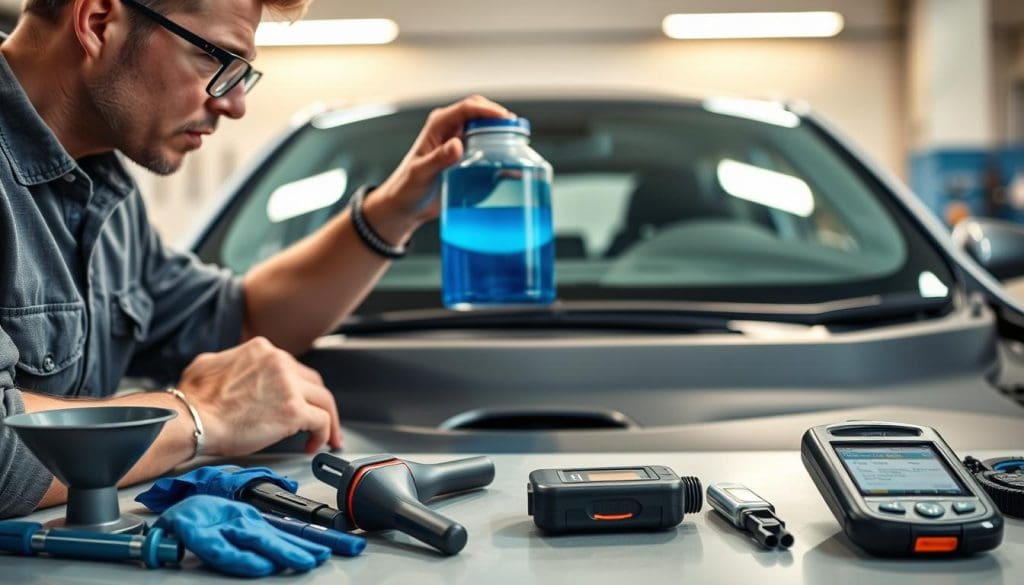
Top off windshield washer fluid so visibility stays clear.
Service around 7,500 miles
Rotate tires and ask for a multi-point inspection of battery coolant level, charger modules, inverter, and accessory power. Have brakes, steering, suspension, drive shafts, lights, and the chassis inspected.
Replacement milestones
Replace windshield wiper blades near 15,000 miles and the cabin air filter around 36,000 miles. These swaps are inexpensive but matter for comfort and visibility.
Longer-term services
At roughly 75,000 miles drain and service coolant circuits and consider replacing suspension gas struts. Heavier cars may need suspension checks earlier as components wear over the years.
Keep receipts and inspection notes. Documenting work helps track wear patterns and supports warranty claims. Bring your vehicle to Heaven Automotive and we will perform these checks with EV-safe procedures and provide a written service summary.
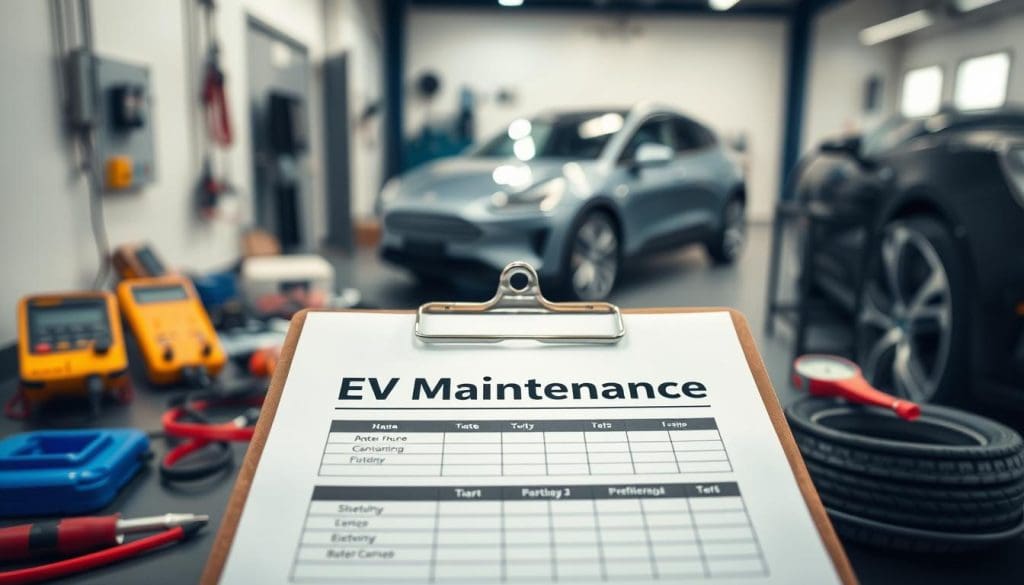
| Interval | Key Tasks | Why it matters |
|---|---|---|
| Monthly | Check tire pressure, inspect tires for wear, top washer fluid | Preserves range and ensures visibility |
| ~7,500 miles | Tire rotation, coolant level check, inspect brakes/steering/suspension | Prevents premature component failure |
| 15,000 miles | Wiper blade replacement | Maintains clear sightlines in poor weather |
| 36,000 miles | Cabin air filter replacement | Improves air quality and HVAC performance |
| 75,000 miles | Coolant circuit service, replace suspension gas struts | Protects battery systems and ride quality |
Battery Pack Care to Protect Range and Delay Replacement
Healthy batteries start with simple habits: smart charging, temperature control, and watching for sudden range loss. Small daily choices help slow cell wear and reduce long-term costs.
Realistic life expectations by climate
NREL data shows packs often last about 12–15 years in moderate climates and roughly 8–12 years with regular exposure to extreme heat or cold. We set expectations so owners know what to watch for over time.
Temperature management
High heat and deep cold accelerate degradation. Automakers add cooling and heating systems to protect cells, but owners can help by garaging and preconditioning the cabin before long drives.
Charging habits and daily limits
Avoid constant fast charging; it speeds wear and raises per‑kWh cost. Reserve DC fast chargers for trips and use 120V/240V charging at home when possible.
- Keep daily charge near 85–90% for regular use.
- Don’t routinely run the pack to 0% or 100%.
“Most manufacturers offer about an 8‑year or 100,000‑mile warranty on batteries; keep records and follow charging guidance to protect coverage.”
When to call us: if you see sudden range drops, repeated charging faults, or thermal warnings, schedule a diagnostic with Heaven Automotive before a small issue becomes a costly repair.
Fluids, Filters, and Cooling Systems EV Owners Shouldn’t Ignore
Even without a combustion engine, a vehicle still relies on fluids to guard its power systems and cabin comfort.
Protecting powertrain thermal management
High‑power components generate heat and need coolant or airflow to work safely. Manuals for the Ford Mustang Mach‑E, F‑150 Lightning, and Porsche Taycan recommend regular checks of hoses and coolant level at roughly six‑month or routine service intervals.
Cabin comfort and visibility basics
Cabin air filters keep HVAC flow strong and cut odors. Windshield wipers and washer fluid are simple items that preserve sightlines in rain or snow.
Watch for warning lights, sweet smells, visible residue, or repeated low coolant. Any of these signs can point to leaks or failing parts and should prompt a prompt inspection to avoid a larger repair.
“Regular fluid and filter checks prevent bigger problems and reduce downtime for busy owners.”
Bring your vehicle to Heaven Automotive for EV‑safe fluid inspections, thermal management checks, and quick filter swaps. We follow manufacturer procedures and document each step.
| Item | What to check | Why it matters |
|---|---|---|
| Coolant circuits | Hose integrity, fluid level, strength | Protects powertrain components and prevents overheating |
| Cabin filter | Replace per schedule or every 12–36k miles | Improves air quality and HVAC performance |
| Wipers & washer fluid | Blade condition, fluid top‑off | Ensures clear sightlines and safe driving |
Brakes, Regenerative Braking, and Tire Wear
How a vehicle slows down affects both safety and replacement timelines for pads and tires.
How regenerative braking reduces pad and rotor wear
Regenerative braking uses the motor to slow the car and recover energy. That means mechanical brake pads see less use and rotors last longer on many vehicles.
Brake fluid timelines and why they still matter
Brake fluid ages and absorbs moisture, which raises the risk of corrosion and failure. Ford recommends changing fluid every three years on the Mach‑E and F‑150 Lightning, a practical guide for U.S. owners.
Cold-weather and road-salt caliper care
In salt-prone regions, calipers can seize. Tesla and other makers suggest lubricating calipers annually or about every 12,500 miles; typical shop cost runs near $100.
Tire wear: weight, torque, and tread tradeoffs
Heavier cars and instant torque speed wear. Efficiency-focused tread often reduces grip and can shorten life; a Model 3 with Michelin Primacy MXM4 needed replacement near 30,000 miles at about $1,157.
“Less mechanical braking helps pads last, but inspections remain essential for safe stopping.”
Action steps: rotate tires per schedule, inspect pads and calipers regularly, check alignment, and bring your car to Heaven Automotive for professional inspection or repair.
| Item | Typical Interval | Why it matters |
|---|---|---|
| Brake pads & rotors | Inspect every 7,500–15,000 miles | Ensure safe stopping and detect uneven wear |
| Brake fluid | Replace every 3 years | Prevents corrosion and preserves hydraulic function |
| Caliper lubrication | Annually or ~12,500 miles in salt areas | Reduces sticking and uneven braking |
| Tire replacement | Varies; ~30,000 miles realistic for some cars | Plan costs and track tread depth for safety |
Conclusion
A clear routine protects range and extends battery life across years of ownership.
We summarize the core takeaway: modern drivetrains are simpler than combustion systems, but consistent maintenance keeps safety, range, and long‑term reliability on track. Monthly tire and visibility checks, mileage‑based inspections, and periodic fluid and brake attention form a practical plan.
Battery care matters: watch temperature, follow smart charging habits, and avoid extreme states of charge to slow degradation. These steps help evs keep usable range and delay major battery work.
Most maintenance costs concentrate on tires, brake fluid, filters, and cooling checks. Plan ahead and document every service to protect warranty coverage and resale value.
If you want inspections or repairs done right, hire Heaven Automotive to fix your vehicle.