

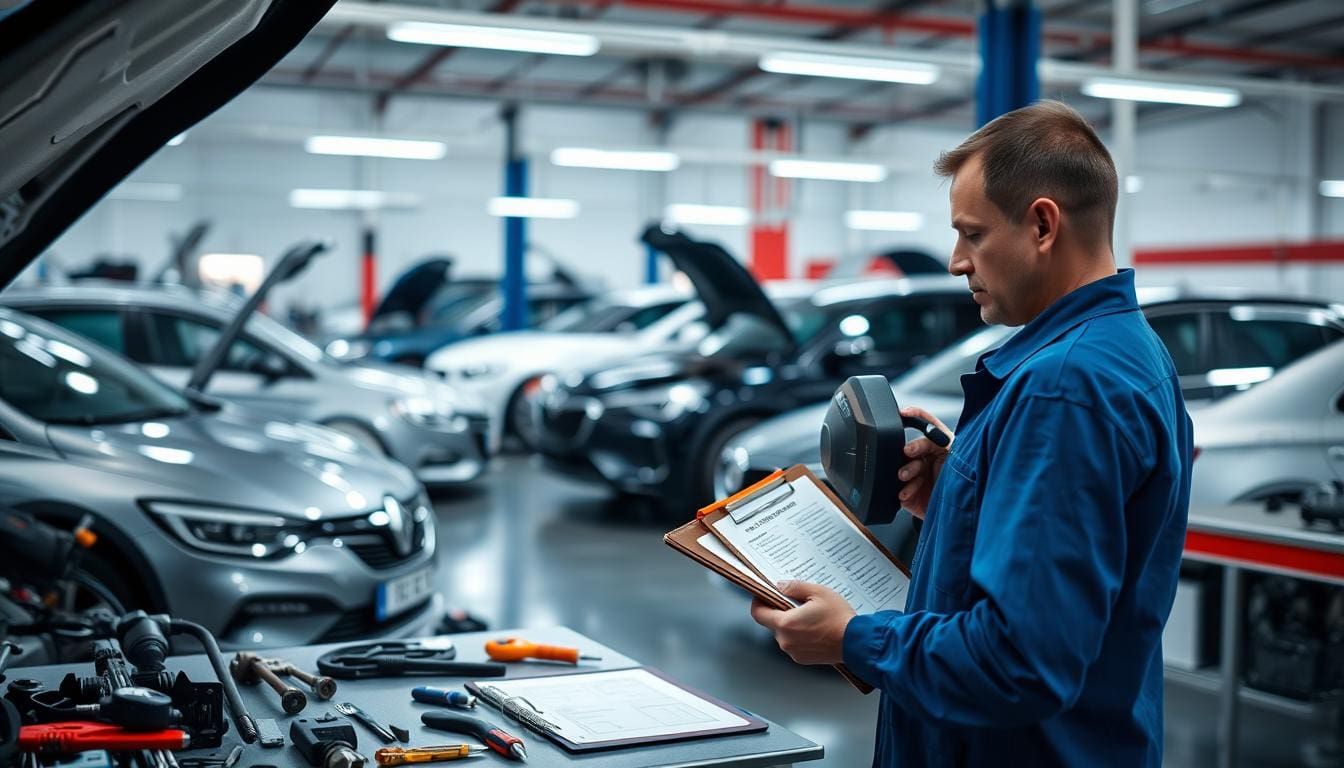
We open with a story: on a long drive a strange rattle turned into a major delay. That surprise forced us to wait for a tow and lose valuable time.
At Heaven Automotive, we believe routine checks stop small problems from becoming emergencies. By a simple, scheduled process we spot wear, leaks, and failing components early. This saves hours and reduces stress before trips and winter weather.
In this guide we explain what a vehicle safety inspection covers, how rules vary by state, and how to plan around seasons and long drives. We preview the parts that fail most often: brakes, tires, lights, steering, and visibility. Use our general information to plan repairs and keep your car reliable.
By the end, we invite you to trust Heaven Automotive to evaluate findings and make needed repairs so you avoid roadside surprises.
Key Takeaways
- Routine checks catch wear and leaks before they lead to breakdowns.
- Brakes, tires, lights, steering, and visibility are the most failure-prone areas.
- Plan inspections around trips and seasonal needs to save time and stress.
- State rules vary; use inspections to guide smart repair planning.
- Heaven Automotive can assess results and handle repairs to keep your rides reliable.
Why routine inspections stop small problems from turning into breakdowns
Regular checks catch quiet wear long before it forces us to stop on the side of the road. A short, scheduled review helps us spot worn brakes, aging tires, loose steering parts, and small fuel leaks while they are still fixable.
Early detection prevents common failures: dry rot can cause blowouts, thin brake pads lead to fade, and loose steering parts can turn into loss of control. Finding these signs lets us make a targeted repair today and avoid a compounded breakdown tomorrow.
There is also a clear financial logic. Planned repairs cost less than emergency towing, after-hours labor, and lost time from missed work or travel. In states with safety inspections, we combine compliance checks with prevention to save trips to multiple shops.
- Wear is predictable: pads thin, seals age, and small leaks grow.
- Seasonal checks in spring and fall reduce heat- and cold-related issues.
- Road-trip readiness means fewer surprises far from our trusted shop.
What a vehicle safety inspection is and what it’s designed to catch
Before a trip, a structured assessment makes sure critical parts work and obvious hazards are absent.
We define a vehicle safety inspection as a government-driven roadworthiness check that verifies core features and flags visible hazards. Typical checks include tires, brakes, lights, mirrors, windshield glass, wipers, seat belts, steering, and suspension.
How this differs from general maintenance
Maintenance is proactive service: oil, filters, and fluid changes to keep systems running. An inspection is a pass/fail review against minimum standards. We might feel fine on the road but still fail because of unseen or ignored faults.
Common hazards inspectors look for
- Excessive tire wear or dry rot
- Worn brake components and visible leaks
- Nonworking lights, cracked mirrors, or torn belts
- Obvious fuel leaks and loose steering parts
“A documented check reduces our liability by showing the unit met baseline standards at the time of testing.”
| Area Checked | What Fails | Why It Matters |
|---|---|---|
| Brakes | Thin pads, leaks | Stops performance and legal compliance |
| Tires | Low tread, dry rot | Handling and blowout risk |
| Lights & Mirrors | Burned bulbs, cracked glass | Visibility and signaling |
Requirements vary by states and follow local inspection laws. Later sections break down each system so we know what to check before visiting a licensed facility.
How state vehicle inspection laws and regulations shape what’s required
Where we live determines which rules apply to our routine checks. Different state codes and inspection laws set the checklist, so what is mandatory in one place may be optional in another.
Annual checks vs. sale-of-title tests
Some states require an annual review. Others only require a check before a sale or title transfer.
Many jurisdictions pair these reviews with emissions tests to meet EPA standards. That means two items can be completed in one visit.
Licensed facilities and certified technicians
Licensed facility means an approved shop or DMV location with trained staff and the proper paperwork flow. Certified technicians follow the state checklist and log results correctly.
Certification matters because consistent testing protects critical systems. Trained techs ensure applied standards and repeatable quality across locations.
| Trigger | Who performs it | Why it matters |
|---|---|---|
| Annual cycle | State-authorized shops | Keeps units compliant and road-ready |
| Sale/title transfer | DMV or approved facility | Clears paperwork for new ownership |
| Emissions pairing | Certified testers | Meets EPA and state standards |
Finally, verify local rules before renewal. Staying compliant helps with registration, can affect insurance risk assessments, and avoids last-minute surprises when we visit an authorized facility.
When to schedule inspections throughout the year
We follow a simple annual calendar: schedule an inspection in April after winter and again in October before cold weather. These national Car Care Months give us focused time to find wear from salt, cold starts, and summer heat.
Why April and October matter
April is ideal to address winter damage and prepare for summer trips. October helps us top off fluids, test the battery, and fit winter-grade wipers and tires where needed.
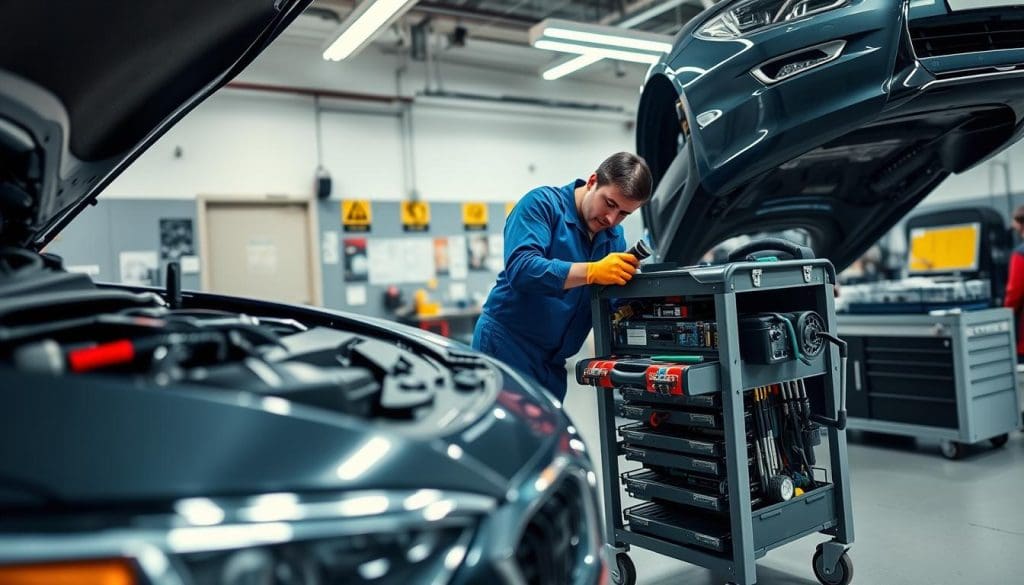
Scheduling around travel and seasonal stress
Book early for long trips so parts can be ordered and repairs scheduled without rush. Testing well before departure gives us time for a follow-up check if the initial work reveals more problems.
Signs to schedule an inspection sooner
If we notice new warning lights or strange noises, don’t wait. Early checks prevent small faults from becoming major repairs.
- Squishy or soft brakes
- Visible fluid leaks
- Pulling while braking or vibration at highway speed
- Unusual rattles or dashboard lights
Proactive checks reduce stress and save time. Use inspection results to create a prioritized repair plan so we act on the most critical items first and avoid urgent trips to the shop.
How to get an inspection and what to bring
Knowing what to bring and how the process runs helps us leave with clear results. First, confirm state requirements and whether we must get inspection at a DMV or an authorized facility. Then choose a licensed shop and schedule a slot that allows time for any needed repairs.
Registration, insurance, and vehicle information to have on hand
Bring your current registration and proof of insurance. These documents let staff match our paperwork to the correct checklist.
Also have basic vehicle information ready: year, make, and model. That helps the technician select the right tests for our make and model.
What to expect at the facility from check-in to results
At check-in staff will verify identity and the registration and insurance details. They will confirm which tests apply based on the state rules and our vehicle information.
Technicians perform standardized checks and record results. We will get a pass/fail outcome and notes on any flagged items.
Ask for clarification on any failures so we know which repairs to prioritize and how long fixes might take.
“Preparation before arrival often determines how quickly we can move from results to repairs.”
Tips for drivers registered in other states
If we drive across states, confirm the rules where the unit is registered. Requirements and timelines vary, and that can change which tests apply at check-in.
Visibility and signaling checks that prevent dangerous surprises
Clear signals and an unobstructed view keep us seen and predictable on busy roads.
Silent risks hide behind a healthy powertrain. A car can run fine yet still be unsafe if others cannot see our moves.
Headlights, taillights, brake lights, hazards, and turn signals
We verify that headlights, taillights, brake lights, hazards, and turn signals work and are bright enough for night and bad weather. Dim or misaligned lights reduce reaction time and raise collision risk.
License plate lights, horn, and mirrors for safer lane changes
Don’t skip license plate lights, the horn, or mirror condition. Intact mirrors and a working horn help with lane changes and reducing blind-spot guesswork.
Windshield condition and wipers
We check chips, cracks, and loose seals because small damage can spread and block our view. Wipers must clear water without streaking; many programs require functioning wipers to pass.
Five-minute pre-check: turn on all lights, test turn signals and hazards, sweep the windshield, and inspect mirrors. This quick routine cuts the chance of an avoidable fail and keeps us safer in rain, fog, or busy merges.
“Good visibility and clear signals are simple, high-impact protections on every trip.”
Brake and steering components that commonly cause sudden failures
A sudden loss of braking or steering can turn a routine drive into an emergency in seconds. We treat these systems as top priority because failures here are immediate, not merely inconvenient.
Brake pads, rotors, and brake fluid leaks
Inspectors look for worn pads, scored rotors, and any fluid leaks that reduce stopping power. Low fluid or wet spots near calipers predict imminent failure and require prompt repair.
Parking brake function and “squishy” pedal symptoms
The parking brake is tested for hold on inclines and as a backup. A squishy pedal, slow response, or increased stopping distance tells us to schedule a check before a mandatory test.
Steering component wear that can lead to loss of control
We check tie rods, ball joints, and rack play for looseness or excessive movement. Worn parts create vague steering and can worsen quickly, raising the risk of losing control in a turn.
“If steering feels vague or brakes respond oddly, don’t wait — schedule an immediate check.”
- Decision rule: abnormal feel = immediate appointment.
- Catching these components early turns a dangerous failure into a manageable repair.
Tires and suspension checks that protect handling and ride quality
We focus on tires and suspension because they control grip, braking, and ride stability every time we drive.
Tread depth, dry rot, bubbles, and other hazardous defects
What gets flagged: low tread depth, dry rot cracking, and sidewall bubbles. These defects raise stopping distance and blowout risk, especially at highway speeds.
Spare tire readiness for real-world emergencies
Having a spare helps only if it is present, inflated, and usable. We verify the spare’s pressure, condition, and tools so a roadside change actually works.
Shock absorbers, suspension leaks, and uneven wear clues
Leaking or damaged shocks reduce stability and increase stopping distance. Uneven tread wear often points to alignment or worn suspension components, not just old tires.
- Good tires and a healthy suspension reduce risk and long-term cost.
- Uneven wear signals we should plan a targeted repair before replacing the whole set.
- These items are common pass/fail checks during inspections and can turn “it felt fine yesterday” into a fail.
“A thorough tire and suspension review protects handling and cuts repeat replacement costs.”
Seat belts and cabin safety features inspectors verify
A quick belt check inside the car can prevent a failed report and, more importantly, reduce injury risk.
Why belts matter: Seat belts are the primary restraint system. Many programs list them as a non-negotiable item during any formal inspection.
Auto-lock and retractor performance
Inspectors verify the auto-lock engages during sharp pulls and that the retractor returns the belt smoothly without sticking.
Self-checks we recommend:
- Test every seating position, not just the driver’s belt.
- Pull the webbing sharply to confirm the auto-lock engages.
- Let the belt retract and watch for slow return or catching.
- Latch and unlatch each buckle to ensure secure engagement.
Common real-world problems include frayed webbing, slow retraction, and buckles that fail to latch reliably. These issues can cause a fail during a formal inspection and, more importantly, reduce protection in a crash.
Next steps: If belts do not lock or retract properly, treat this as an urgent repair. Replace or repair components before a required check so we avoid repeat visits and keep our cabin features working for daily use.
“A working restraint system is a small effort for a large reduction in risk.”
Emissions test basics and why they’re often paired with safety inspections
An emissions test measures whether exhaust controls and outputs meet local and federal clean-air rules. It evaluates catalytic performance, onboard diagnostics, and exhaust readings to confirm compliance with emissions standards.
Many states combine emissions inspections with a safety check so we can complete compliance in one visit. Pairing saves time and ensures both roadworthiness and environmental standards are handled together.
How emissions inspections support EPA rules
Emissions inspections enforce EPA emissions standards through periodic testing and state programs. Programs such as Air Care Colorado or local air care centers run tests and log results to statewide databases.
What visible smoke and warning lights can signal
Visible smoke often points to burning oil, rich fuel, or failing seals and can trigger a failed test. An illuminated dashboard light for the engine or emissions system is a common reason tests fail and a cue to seek service before testing day.
| What Is Checked | Common Fail | Why It Matters |
|---|---|---|
| Exhaust output | High hydrocarbons | Exceeds emissions standards |
| Onboard diagnostics | Engine fault codes | Signals emissions control problems |
| Visual smoke | Blue/black smoke | Indicates oil burn or poor combustion |
Note on insurance and liability: keeping systems compliant supports responsible ownership and can reduce liability risk under some policies. Addressing known faults before testing protects us and our coverage.
Emissions components that must be present and unaltered
What matters at the test is whether required emissions parts remain installed and functional. States and labs require that the original emissions equipment be present and unaltered so the check reflects the unit’s factory controls.
Catalytic converters, oxygen sensors, and air injection systems
Key items inspectors look for include catalytic converters, oxygen sensors, and air injection systems. These parts must be intact, free from obvious tampering, and matched to the model’s emissions design.
Gas caps, tire pressure checks, and required equipment by make and model
Tests also verify gas cap condition, dashboard warning lights, and even tire pressure as part of a complete emissions evaluation. Missing or loose caps and lit engine lights commonly trigger fails.
How exemptions can apply for vehicles not originally equipped
If a unit was never built with a specific control, we usually do not need to add it later. Gray market and customer-built vehicles may need paperwork from a state Emissions Technical Center to document exemptions.
- Avoid last-minute modifications before a test.
- Repair any check-engine lights well before your appointment.
- Confirm replacement parts match the original model specs.
“Keeping original emissions components intact helps us avoid preventable failures and repeat tests.”
Understanding your vehicle inspection report and next steps
Reading the results carefully helps us separate urgent fixes from items to monitor. A clear vehicle inspection report lists a pass/fail status, noted problems, and the specific checklist items involved.
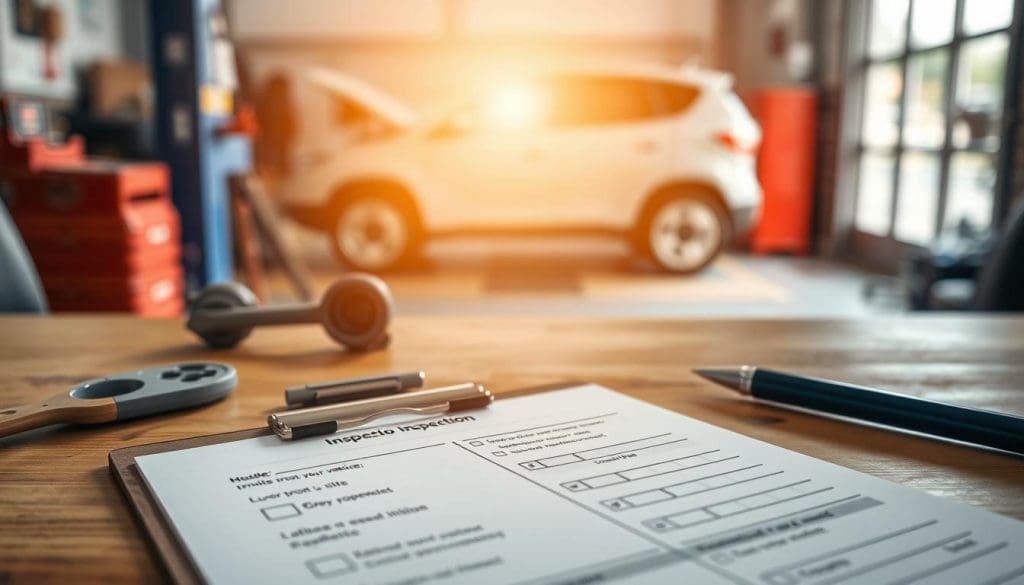
Interpreting pass, fail, and noted problems
An inspection report marks items as passed, failed, or noted for attention. When the form shows a fail, that item must be fixed before re-check in many areas.
Noted items are observations we should monitor or schedule for repair soon. We explain the difference so we know what needs immediate action and what can wait.
Planning repairs and avoiding repeat failure
We prioritize repairs that affect control and brakes first, then address emissions or lighting issues. After each repair, keep receipts and the updated inspection report to speed any re-check.
| Result | Typical Action | Why it matters |
|---|---|---|
| Fail | Immediate repair | Vehicle fails official testing |
| Noted | Schedule service | Prevent future fail |
| Emissions fail | Fix and re-test | Fail emissions triggers follow-up |
How a 30-day grace period may apply
Some states grant a 30-day grace period after a fail. Others set different timelines. Always verify local rules and document work to show compliance.
“Keep copies of the inspection report and repair receipts to simplify re-inspection and prove fixes.”
Use the report as a roadmap. With clear information and prioritized repair steps, we reduce the chance the vehicle fails again and speed return to compliance.
Conclusion
Routine checks turn surprise breakdowns into planned service stops we can schedule. Regular reviews catch wear, leaks, and failing systems before they strand us on the road.
A proper vehicle safety inspection protects visibility, braking, steering, tires, seat belts, and other essentials that keep our car reliable. Requirements vary by state, and many programs pair checks with emissions testing — think Air Care Colorado and similar local air care centers.
Use April and October as seasonal triggers, and treat warning lights, odd pedal feel, smoke, or leaks as reasons to act now. Keep documents handy, read the report closely, and make repairs promptly to protect time and any insurance claims.
If your vehicle is due or you see warning signs, hire Heaven Automotive to fix your car and get you back on the road with confidence.