

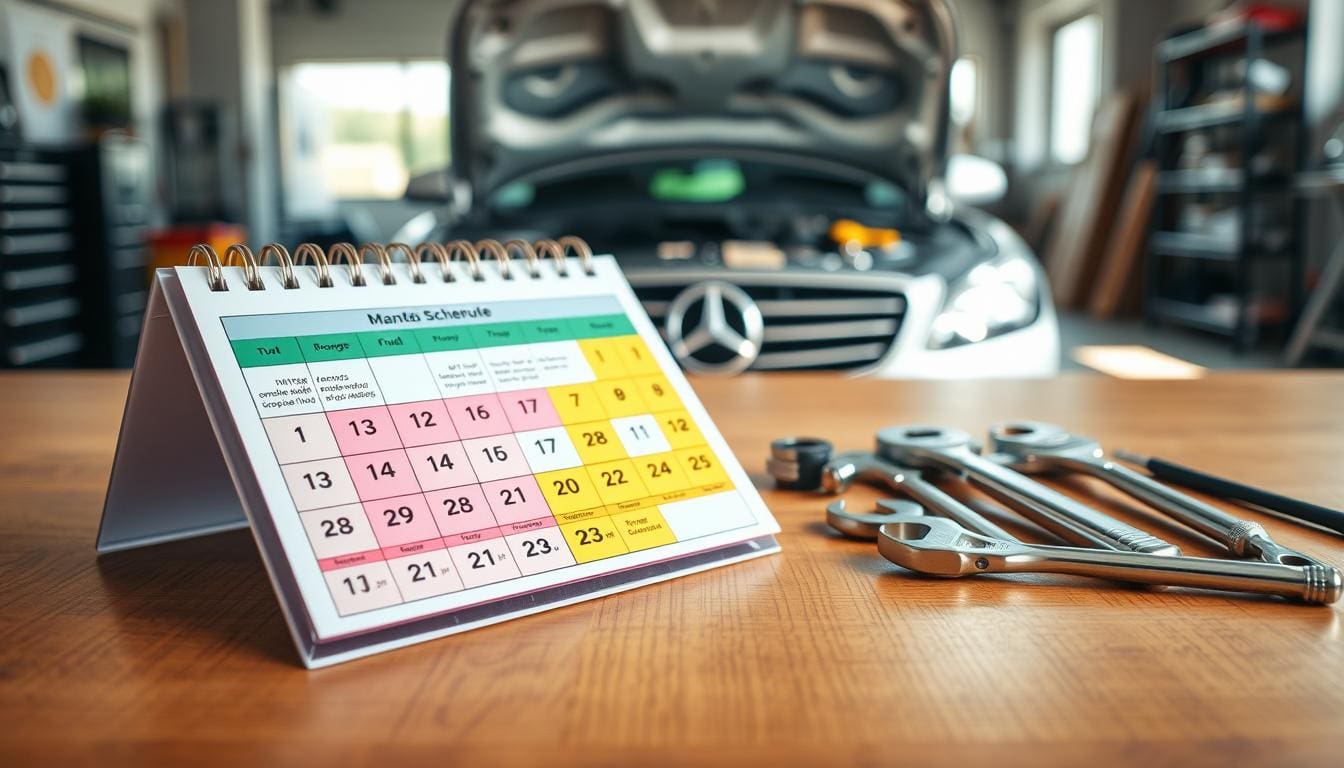
We believe a simple plan prevents big bills. Following a car maintenance schedule turns surprise repairs into predictable expenses. That protects your wallet and keeps your vehicle running efficiently.
Regular upkeep keeps fuel use low and emissions down. Small checks and timely service stop minor faults from becoming costly breakdowns. We show how to tailor intervals using your owner manual and real driving conditions.
Heaven Automotive can help build this plan, log every visit, and keep a clear history that boosts resale value. We cover top cost-savers like oil and filter service, tires, brakes, plugs, and fluid checks. Whether you drive a newer commuter or a high-mileage vehicle, we give practical steps you can follow now.
Key Takeaways
- Planned upkeep changes surprise repairs into manageable bills.
- Timed checks improve fuel economy and lower emissions.
- Use the owner manual plus real-world miles to set intervals.
- Track service records to protect performance and resale value.
- Heaven Automotive can create and follow a repeatable plan for you.
- Focus on oils, tires, brakes, filters, plugs, and fluid inspections.
Why a Maintenance Schedule Saves Money Over Time
Proactive care saves money by catching wear before it leads to major repairs. We help owners turn unpredictable costs into planned, smaller expenses. Partnering with Heaven Automotive, we document inspections and repairs so problems are solved early and affordably.
Preventing breakdowns before they happen
Routine inspections and timely part replacement cut the odds of being stranded. That avoids high emergency towing and overtime repair charges.
Protecting fuel efficiency and reducing emissions
Neglected filters, tires, or spark parts reduce mpg and raise emissions. Simple fixes restore smooth car running and limit fuel spending at the pump.
Building service records that boost resale value
Buyers pay more for a vehicle with a clear service history. We and your mechanic standardize notes so records are consistent, convincing, and easy to share.
| Cost Area | How Preventive Work Helps | Typical Savings |
|---|---|---|
| Breakdown & Towing | Early part replacement reduces failures | $200–$800 per event |
| Fuel | Filters and tune-ups keep engine efficient | 5–15% lower fuel cost |
| Resale | Documented history increases buyer trust | Hundreds to thousands more |
How We Build a Car Maintenance Schedule That Fits Your Vehicle
We build a personalized plan that starts with the factory recommendations and adapts to how you actually drive. First, we consult the owner manual to pull exact intervals the manufacturer lists as a baseline.
Start with the owner manual and manufacturer service intervals
We read the manual, note common 30-60-90 mile milestones, and record any time-based limits. This ensures the plan matches the vehicle maker’s intent and your warranty needs.
Adjust for real-world driving
City driving, towing, or extreme heat and cold change wear patterns. We change intervals and add inspections so items that wear fast get checked sooner.
Track time and miles so parts don’t get missed
We keep a clear log of miles and time and set reminders. That prevents duplicate work and directs your budget to what is actually due.
| Factor | How We Adjust | Benefit |
|---|---|---|
| Owner manual | Baseline intervals, time limits | Manufacturer-aligned care |
| Real-world use | Shorten intervals for stop-and-go or towing | Lower failure risk |
| Tracking | Log miles and time, confirm recent service | Avoids duplicate costs |
Heaven Automotive builds and stores your plan and records so upkeep is predictable and tailored to your driving. This keeps long-term ownership costs steadier.
Oil and Oil Filter Maintenance That Protects the Engine
We keep oil care practical and focused on savings. Proper oil and filter attention prevents contaminants from grinding internal parts and turning a small task into costly engine damage.
Choosing the right interval for conventional vs synthetic
We help pick an interval based on factory guidance and real driving. Conventional oil often follows older 3,000-mile guidance, while many synthetic formulas safely last 5,000–10,000 miles or longer when the owner manual allows.
How dirty oil and a clogged filter accelerate wear
Oil lubricates moving parts, carries heat away, and suspends tiny metal, dirt, and carbon. When oil gets dirty or the oil filter plugs, abrasive particles circulate and speed internal wear.
Simple checks that prevent major engine damage
Check oil level every two weeks and before long trips. At service we inspect oil condition, look for leaks, and confirm the correct viscosity so the interval matches how you drive.
- We set the right interval and document each visit to protect performance and resale value.
- Regular service reduces sludge, overheating, and expensive engine repairs.
Tires and Brake Pads: Cutting Costs Through Safety and Even Wear
Monitoring tread and pad thickness helps us avoid rotor damage and premature tire replacement.
Correct tire pressure improves handling and reduces rolling resistance, which lowers fuel use and shortens stopping distance.
Tire pressure checks for better handling and fuel savings
We check inflation regularly to keep the contact patch correct. Underinflation or overinflation causes uneven wear and shortens tire life.
Tire rotation to spread wear and extend tread life
Rotate tires about every 6,000–8,000 miles or follow the owner handbook. Rotations balance wear, reduce the need for frequent alignments, and delay replacements.
Brake pads and brakes: catching wear before rotors and other parts are damaged
Brake pads can last up to 50,000 miles but often show squeal or reduced stopping power when worn. Catching that wear early protects rotors and calipers and keeps costs down.
- We bundle rotations and pad inspections with routine oil service to cut visits and keep intervals aligned.
- Heaven Automotive inspects tires and brakes, documents findings, and recommends repairs before small issues grow costly.
- Proper attention prevents accidents, avoids secondary damage, and maximizes the life of consumable parts.
“Small, regular checks of inflation and pad thickness prevent expensive rotor work and improve safety.”
Filters and Spark Plugs That Keep Your Car Running Smoothly
We focus on the small parts that deliver steady power and reliable starts. A clean intake and correct ignition parts cut faults, lower diagnostics time, and keep costs predictable.
Engine air filter and keeping the intake clear
The engine air filter acts as the engine’s breathing control. When it clogs, airflow drops, performance and efficiency fall, and the engine works harder.
We follow owner manual guidelines—typically 15,000–30,000 miles—and recommend the earlier interval in dusty areas. Simple visual checks help, but we also measure performance so you don’t replace parts sooner than needed.
Fuel filter checks to avoid rough running or no-start issues
A clogged fuel filter can cause rough running or a hard no-start. Some makers suggest service as early as 30,000 miles.
We use pressure testing and condition-based checks to decide if replacement is necessary. That prevents an inexpensive part from turning into an inconvenient breakdown.
Spark plugs by material and why it matters
Spark plugs affect starts, idle quality, and misfires. Copper plugs often last ~30,000 miles while iridium or titanium types can reach ~100,000 miles.
We match plug service to what is installed now and to real driving. That avoids mismatched parts and extends service life, keeping your car running smoothly and saving on repeat repairs.
“Inspecting intake and ignition parts regularly keeps combustion stable and reduces diagnostics time.”
Fluid Checks That Prevent Expensive System Damage
Fluid condition often tells the story of a system’s health long before a warning light. We inspect levels, color, and smell to catch early wear and contamination. That approach prevents costly failures in brakes, cooling, and driveline systems.
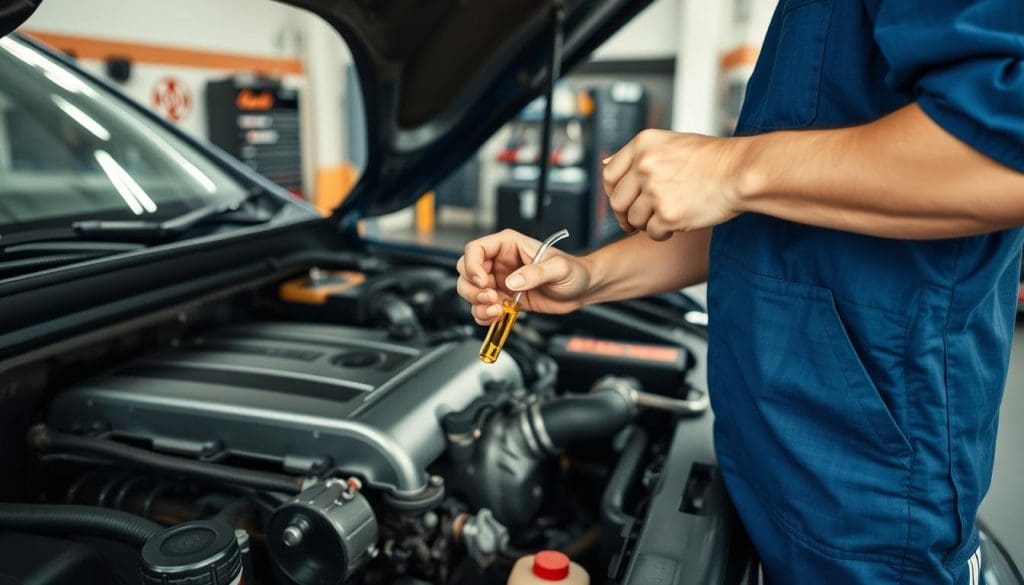
Brake fluid: avoiding a soft pedal by replacing contaminated fluid
Brake fluid can absorb water, which lowers its boiling point. That creates a soft or squishy pedal under heat and reduces stopping confidence.
Most manuals call for a bleed or replacement about every 20,000–45,000 miles. We bleed to spec, remove moisture, and restore hydraulic firmness.
Coolant and the cooling system: preventing overheating and severe engine damage
Coolant keeps the engine in a safe temperature range and protects against corrosion. Low or old coolant risks overheating and severe engine damage quickly.
We perform full flushes and replace coolant commonly near 60,000 miles, not just top off the reservoir. A proper flush cleans the whole cooling system.
Transmission fluid: spotting low or burnt fluid before shifting problems start
Transmission fluid should look pink and smell clean. Dark or burnt fluid often signals wear and can precede shifting faults or major transmission repair.
Manual and automatic intervals vary (30,000–100,000+ miles). We inspect color, scent, and level, and service to the manufacturer’s spec.
Power steering fluid and steering fluid: reducing noise and heavy steering
Noise, jerky turns, or heavy steering often point to degraded steering fluid or pump strain.
We flush or replace power steering fluid around 75,000 miles or sooner if symptoms appear. That protects pumps, racks, and prevents costly rack-and-pinion damage.
- We stress condition over level—contamination, heat breakdown, and oxidation harm parts even if reservoirs look full.
- We inspect, flush, and replace fluids to spec so small spend avoids big repairs in brakes, engine cooling, and transmission systems.
“Fluid checks are one of the best ‘spend a little to avoid spending a lot’ services.”
Mileage Milestones We Use to Plan Maintenance by Miles
We use clear mileage triggers so each preventive task happens before wear turns into repair.
Early ownership habits from 0-30,000 miles
In the first 30,000 miles we build good habits. Oil changes near 5,000 (or per the owner manual) and tire rotations every 6,000–8,000 keep efficiency high.
Air filter checks around 15,000 miles and early inspections help spot manufacturing defects or abnormal wear before they cost more.
Core service window from 30,000-60,000 miles
This window includes deeper service items. Brake fluid often falls in the 20,000–45,000 range. At ~50,000 miles many vehicles need fuel filter work or transmission checks depending on model.
We match owner manual guidance and document each visit so future work avoids duplication.
High-mileage planning from 60,000-100,000 miles and beyond
From 60,000 miles onward we inspect belts, hoses, spark plugs by material, and rubber parts that age. Power steering fluid and hose checks appear near 75,000–90,000 miles. At 100,000 miles we perform full inspections and confirm any needed transmission service.
Heaven Automotive sets reminders and logs milestone service so parts and fluids are replaced proactively. Scheduling by miles keeps costs predictable and prevents reactive repairs.
High-Impact Inspections That Stop Small Issues From Becoming Big Repairs
A quick, focused inspection often stops a minor fault from turning into a costly repair. We prioritize checks that give the highest return on investment by finding low-cost fixes before they become roadside emergencies.
Battery lifespan by years: testing, terminals, and replacement timing
Batteries commonly last about 4–5 years for most drivers and climates. We test charge holding, measure cold-crank voltage, and inspect for terminal corrosion.
Cleaning terminals and tightening connections often restores reliable starts. When test results fall short, we recommend replacement ahead of failure to avoid surprise no-starts and costly diagnostics.
Hoses, belts, and rubber components: catching cracks before leaks and failures
Hoses and rubber parts age and develop cracks or swelling. Small splits can become sudden leaks that overheat the cooling system or disable accessories.
We check for seepage, brittleness, glazing, and loose clamps. Replacing worn belts and hoses early protects the rest of the system and prevents collateral parts damage.
Timing belt vs timing chain: why proactive service matters for interference engines
Timing belt replacement is often recommended around 75,000–90,000 miles or per the manufacturer. A broken belt on an interference engine can cause catastrophic internal damage.
Timing chains last longer but can stretch. We inspect chain tension and guides so that small wear doesn’t become major engine repair.
“Inspections find inexpensive fixes before a breakdown creates much larger bills.”
We prioritize urgent parts, flag items to watch, and build a plan so you budget repairs without surprise breakdowns.
How We Help You Stick to the Plan Without Overpaying
A simple reminder and a reliable record stop duplicate repairs and keep costs down. We combine the owner manual with our shop notes so work is done only when it’s due.

Using reminders and service history to avoid duplicate work
We set reminders by both time and mileage so a task is not repeated unnecessarily. Our records show part types and prior dates, which prevents repeat labor or needless replacements.
Dealers or a local mechanic may send notices, but our centralized log keeps everything consistent for each vehicle. That preserves warranty guidance from the manual while adapting to how you drive.
What to monitor between visits: fluids, warning lights, and quick walkarounds
Check fluid levels and look for changes in color or smell. Monitor tire wear, listen for new noises, and note any change in steering or braking feel.
Warning lights are early signals; some vehicles flag transmission issues even when no dipstick exists. A quick walkaround — look under for fresh spots, scan hoses, and inspect tires — catches leaks and worn parts early.
- We prioritize repairs so you get honest recommendations and avoid “replace it just in case” upsells.
- Keeping clear records and reminders reduces emergency visits, secondary failures, and overall cost.
“Consistent records and timely reminders are the best way to make preventive care affordable.”
Conclusion
A steady program of checks and records keeps small fixes small and big bills rare.
We summarize the core takeaway: a consistent plan reduces total cost of ownership by preventing breakdowns, preserving efficiency, and limiting long‑term wear. Key money-savers include timely oil and filter service, attention to tires and brake wear, and routine fluid care for coolant, transmission fluid, and power steering.
Use the owner’s manual as your baseline and adapt by miles and real driving. Simple habits—checking oil level, tire pressure, watching warning lights, and quick walkarounds—stop many problems early.
We keep clear records that support smarter decisions and boost resale value. Hire Heaven Automotive to inspect, document, and care for your vehicle so the plan is followed correctly and optimized for your driving.