

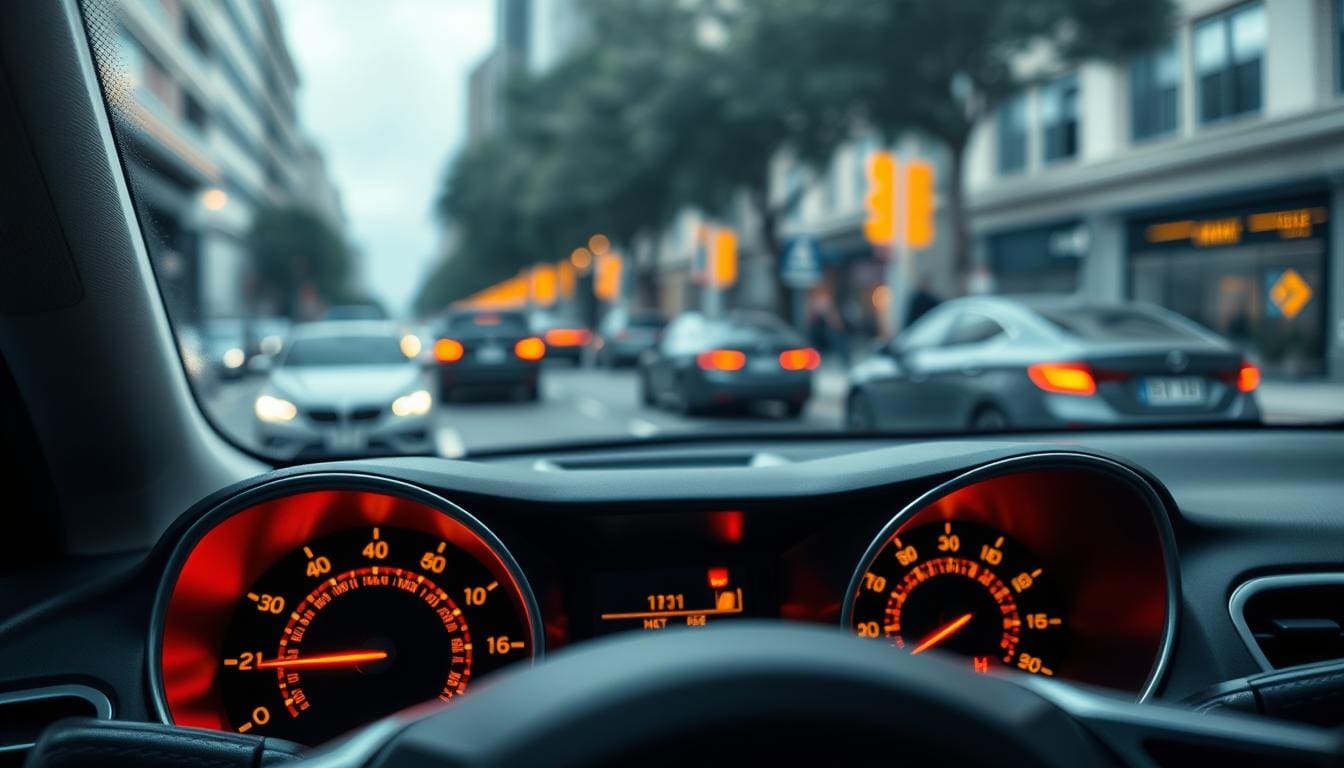
Unexpected engine shutoffs can feel alarming whether you are at a light or moving through traffic. We explain what happens when the engine stops suddenly and why loss of power can cut steering and brake assist, creating a safety risk.
This short guide walks US drivers through quick safety steps, then shows how we narrow down likely causes. We focus on four big buckets: fuel delivery, airflow, ignition, and electrical control.
Occasional stalls happen, especially with new manual drivers, but repeated events point to an underlying fault. Watch for rough idle, loss of power, warning lights, or recurring stalls at stops—these clues steer our diagnosis.
At Heaven Automotive we diagnose precisely and fix the right components rather than guessing. If your vehicle shows these symptoms, we can pinpoint the reason and restore safe operation. Hire us to inspect and repair your vehicle correctly.
Key Takeaways
- Engine stop feels sudden and can reduce steering and brake assist.
- Follow simple safety steps first, then seek diagnosis.
- We check fuel, airflow, ignition, and electrical systems first.
- Occasional shutdowns may be normal; repeated events need inspection.
- Warning lights, rough idle, and power loss are key clues.
- Heaven Automotive offers targeted diagnosis and repair—hire us to fix your vehicle.
What happens when a car stalls and why it matters for safety
A sudden engine shutdown can change driving from routine to dangerous in seconds. When the engine cuts out, power drops and steering and brake assist may fade. That loss makes the vehicle harder to place accurately on the road.
What you feel in the moment: the engine quits, the vehicle feels heavier to turn, acceleration lags, and lights may dim. These signs can appear at a stoplight or while moving and often demand immediate action.
How stalling affects control and safety
Loss of assist raises collision risk at intersections and in traffic. We treat any sudden loss of power as a safety event and advise moving to a safe spot when possible.
When one event is different from a pattern
An isolated stall—often linked to clutch timing or a one-off hiccup—usually isn’t catastrophic. Repeated engine stalls, dashboard warning lights, rough idle, or dimming lights point to deeper causes and need diagnosis.
“One unexpected stop can be frightening; recurring stops cost time and can damage components.”
Our approach: we assess when it happened, what changed beforehand, and the exact symptoms to narrow down reasons quickly. If the problem repeats, contact Heaven Automotive for a professional inspection.
What to do immediately if your car stalls at a stoplight or while driving
If your vehicle loses power while stopped or moving, follow this clear, safety‑first checklist.
Stay calm. Turn on hazard lights right away and secure the handbrake to prevent rolling. Move the gearbox to neutral (or park for an automatic) before you try a restart.
Attempt a safe restart
Try to restart the engine once. Avoid rapid repeated cranking to protect the battery and starter. If it fires, watch the dashboard and warning lights closely.
Listen and observe
Note any rough idle, knocking sounds, or hesitation — these clues help a mechanic diagnose the cause. If warning lights remain on, plan to stop soon for inspection.
Rejoin or reach safety
Signal, check mirrors, and merge smoothly to match traffic. If momentum drops or you block lanes, steer to the shoulder and stop safely.
When to call for help
If the vehicle won’t restart, stalls again immediately, or you lose power assist, call roadside assistance or emergency services. If the problem repeats, schedule an inspection with Heaven Automotive — we will diagnose the root causes and advise the right repairs.
“Prioritize safety, observe symptoms, and seek professional help when events repeat.”
Common car stalling issues we diagnose: fuel, air, and ignition causes
We commonly find that steady combustion needs three things: reliable fuel delivery, clean airflow, and consistent ignition. A failure in any one area can cause the engine to cut out at idle or under load.
Low fuel and inconsistent delivery
Low fuel or contaminated gas can cause random shutdowns, especially during turns or heavy acceleration. Fuel starvation feels unpredictable and often repeats until the tank is refilled or the contamination is removed.
Clogged fuel filter and poor flow
A clogged fuel filter restricts flow to the engine. That restriction shows up as hesitation at low speeds or when the engine is under load.
Failing fuel pump
A failing fuel pump may supply enough fuel sometimes and not other times. Symptoms climb from hesitation to repeated shutdowns as the pump loses capacity.
Airflow and sensor problems
A dirty air filter or blocked air intake limits airflow and upsets combustion, often making idle unstable. A faulty MAF sensor can misread incoming air and push the air‑fuel mix out of balance, causing rough running and shutdowns.
Idle control and ignition faults
An idle air control valve that fails prevents a steady idle and commonly causes stalls at stoplights. Worn spark plugs or a faulty ignition coil cause misfires, rough idling, and intermittent shutdowns that feel like a shudder then a stop.
“We diagnose with testing, not guesswork—confirming whether the root cause is fuel, air, ignition, or a related sensor before recommending repairs.”
At Heaven Automotive we perform targeted tests and repairs so the real problem gets fixed the first time.
Electrical issues that can make your car stall without warning
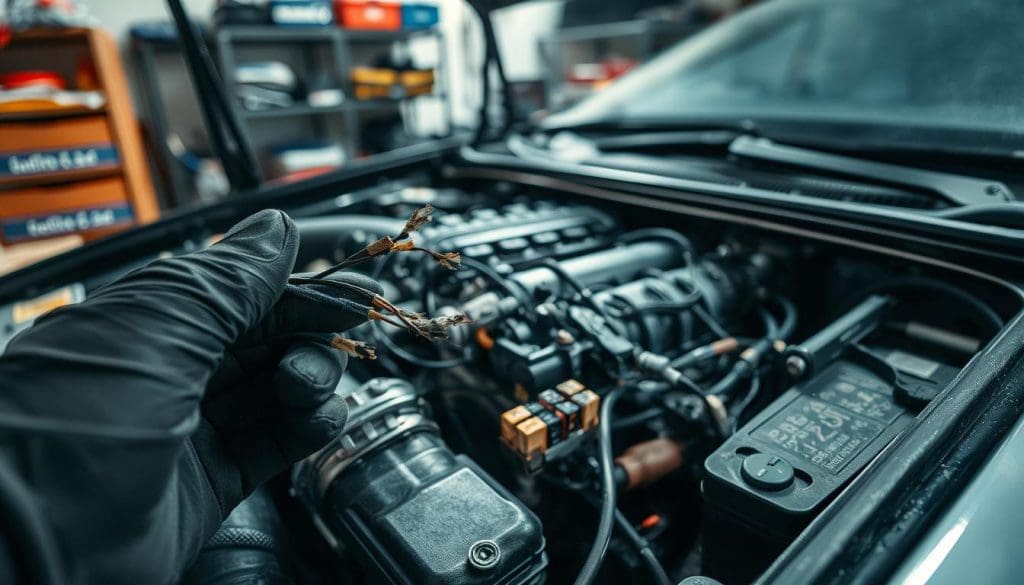
Modern engine control depends on steady voltage. When voltage dips, ignition, sensors, and fuel controls can fail and the engine may shut down suddenly.
Battery symptoms and low-voltage events
Weak battery cells cause low voltage at idle or under load. HVAC, lights, or other loads can push voltage below the level needed for the engine control module to run. That can produce a no-restart condition.
Alternator failures and warning signs
Failing alternators let the battery drain. You may notice dimming lights, flickering electronics, and then an eventual shutdown as stored charge falls away.
Wiring, grounds, and sensor connections
Loose grounds, corroded terminals, or damaged connectors can interrupt the flow to vital sensors. Those interruptions often create intermittent problems that are hard to reproduce.
“Don’t guess with parts—diagnostic testing finds the true electrical fault.”
We perform charging checks, battery load tests, voltage drop measurements, and scan data review. Bring the vehicle to Heaven Automotive so our mechanic can trace the root cause and restore reliable operation.
| Symptom | Likely cause | Shop test |
|---|---|---|
| Dimming lights then shutdown | Alternator failure | Charging system voltage test |
| No-crank or weak start | Worn battery | Battery load test |
| Intermittent engine cut | Loose ground or connector | Voltage drop and connector inspection |
Stalling related to transmission, overheating, and driving conditions
When shifting, climbing hills, or sitting in heavy traffic, faults in the transmission or cooling system can cause the engine to stop. We focus on driver technique and mechanical wear so you can spot the pattern and act quickly.
Manual transmission and clutch control
Manual shutdowns often come from releasing the clutch too fast or not giving enough throttle. Selecting a gear that’s too high for your speed makes the engine work harder and can cause a stall.
Biting point means the moment the clutch plates meet and the vehicle begins to move. Learning that feel reduces stalls when pulling away or creeping in traffic.
Worn clutch or flywheel
A worn clutch disc or a glazed flywheel makes engagement unpredictable. Even skilled drivers find it harder to prevent a stop when components are past their service life.
Overheating-related shutdowns
Engines may shut down to protect themselves when temperatures spike. Common causes we check include low coolant, a sticking thermostat, and overdue coolant service that reduces radiator efficiency.
- Preventive steps: check coolant levels, follow scheduled maintenance, and watch temperature and smells.
- If stalls repeat or you notice temperature spikes, bring the vehicle to Heaven Automotive for a professional diagnosis.
“Regular maintenance and early inspection stop small problems from becoming roadside emergencies.”
Conclusion
In conclusion, prompt diagnosis and routine care keep you safe and prevent costly component wear.
We summarize the common reasons: interruptions in fuel delivery, restricted air intake or filter faults, ignition failures, electrical faults, and transmission or overheating causes. These reasons steer our tests and repairs.
When a car stops unexpectedly, secure the vehicle, use hazards, and move to a safe spot on the road before troubleshooting. Frequent events increase starter and battery wear and demand a mechanic’s attention.
Don’t guess with parts. Hire Heaven Automotive to diagnose and repair your vehicle, restore reliable engine performance, and get you back on the road with confidence.