

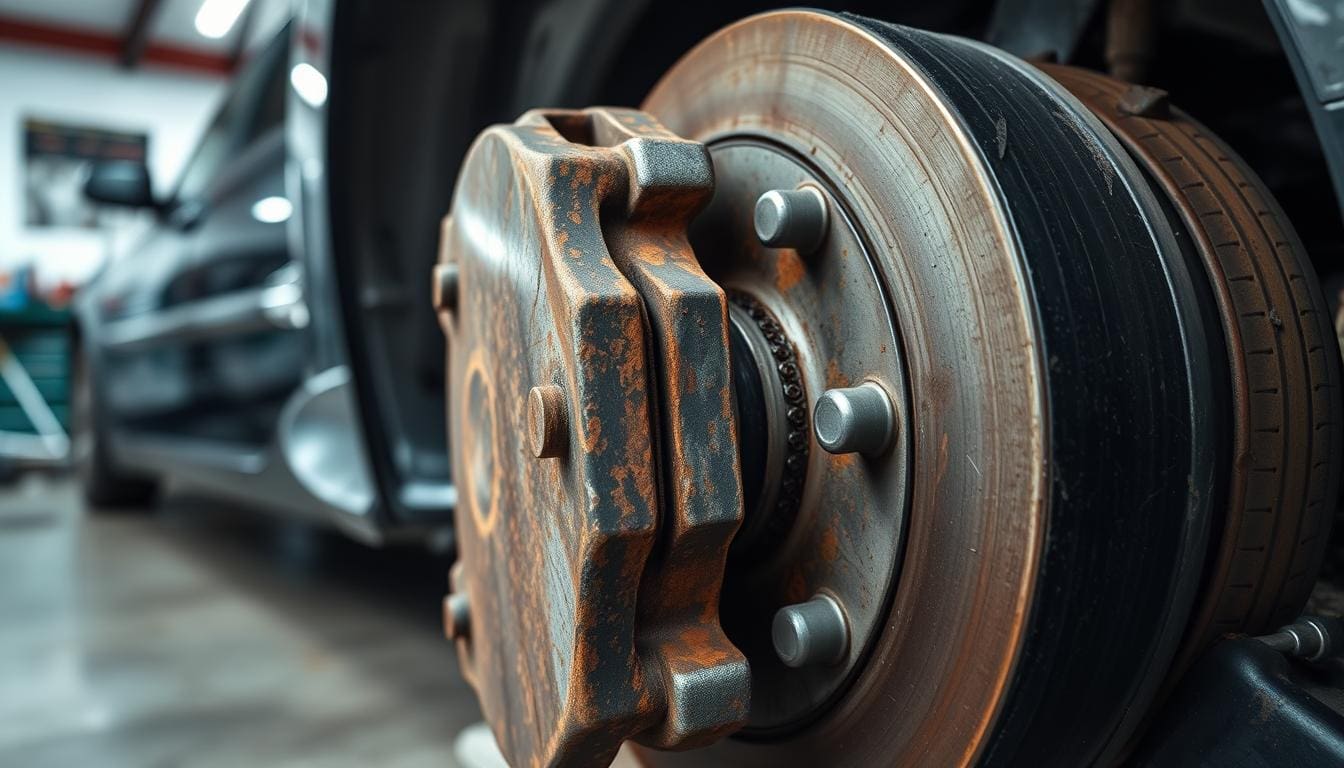
Keeping your vehicle’s brakes in top shape is key to your safety on the road. Brake maintenance is more than just avoiding accidents. It also keeps your car running smoothly.
Do you hear squealing or grinding noises when you press the brakes? Or feel vibrations? Maybe your brake pedal feels spongy? These are clear signs your brakes need help right away. If you ignore these signs, you could face serious brake issues and even danger on the road.
At Heaven Automotive, we know how critical it is to address brake problems quickly. Our team is ready to find and fix any brake issues. We make sure your car is safe to drive.
Key Takeaways
- Regular brake maintenance is essential for safety.
- Unusual noises or vibrations can indicate brake problems.
- A spongy brake pedal is a sign of possible brake issues.
- Ignoring brake signs can lead to severe consequences.
- Heaven Automotive offers professional brake repair services.
Understanding Brake Functionality
Knowing how your brakes work is key to spotting problems early. Your vehicle’s braking system is complex. It’s made to stop your car safely and reliably.
How Your Braking System Works
The braking system turns kinetic energy into heat through friction. When you press the brake pedal, it starts the process. The master cylinder sends brake fluid to the brake calipers.
The calipers then squeeze the brake pads against the rotors. This creates the friction needed to slow or stop your vehicle.
Common Components of Brakes
Your vehicle’s brake system has several important parts. These include:
- Brake Pads: These wear out and need to be replaced.
- Brake Rotors: The surface the brake pads press against.
- Brake Calipers: Where the brake pads are housed and pressed against the rotors.
- Brake Fluid: Needed for pressure transfer from the master cylinder to the calipers.
- Master Cylinder: Converts pedal pressure into hydraulic pressure.
It’s important to know about these brake components and how they work together. Regular checks can spot worn or damaged parts early. This allows for quick repairs.
If you’re having brake trouble, get it checked by a pro. At Heaven Automotive, our skilled techs can fix any braking system issues. They ensure your car stays safe and reliable. Contact us for a brake check and repair.
Warning Lights on Your Dashboard
Dashboard indicators are key to your vehicle’s safety. They warn you of possible problems early on. This can help avoid expensive repairs and keep you safe while driving.
Importance of Dashboard Indicators
Your car’s dashboard has many warning lights. Each light alerts you to different issues. For example, lights for the battery and alternator warn of problems that could leave you stranded.
By watching these lights, you can keep your car in good shape. Regular checks and quick action to warning lights can make your car last longer.
What the Brake Warning Light Means
The brake warning light is very important. It usually means there’s a problem with your brakes. This could be from worn-out brake pads to a faulty ABS system.
If this light comes on, get your car checked by a mechanic fast. Ignoring it could make your brakes less effective, risking your safety and others.
Having brake or other car issues? Get help from a pro. At Heaven Automotive, our skilled team can fix many problems. Contact us to make sure your car is safe and running well.
Unusual Noises When Braking
Unusual noises when braking are not just annoying; they can indicate serious brake issues that need immediate attention. When you press the brake pedal and hear strange sounds, it’s a signal that something is amiss with your braking system.
Types of Noises to Watch For
Different noises can indicate various problems with your brakes. Here are some common types of noises to watch for:
- Squealing or Squeaking Noises: Often, these sounds are due to worn-out brake pads. If the pads are worn down, the metal indicators can rub against the rotor, causing a squealing noise.
- Grinding Noises: A grinding sound usually indicates that the brake pads have worn down completely, and the metal is grinding against the rotor. This can cause significant damage if not addressed promptly.
- Clicking or Clunking Noises: These noises can be a sign of worn-out brake components or improper installation of brake parts.
When to Seek Brake Repair
If you notice any unusual noises when braking, it’s essential to have your vehicle inspected by a professional mechanic. Here are some scenarios when you should seek brake repair:
- Continuous Noise: If the noise persists even after you’ve checked your brake pads and rotors, it’s time to visit a repair shop.
- Visible Wear: If you can see that your brake pads are worn out or damaged, they need to be replaced.
- Unusual Vibrations: If the brake pedal vibrates or pulsates when you press it, this could indicate warped rotors or other issues.
If you’re experiencing any of these issues, don’t hesitate to contact Heaven Automotive for professional brake repair services. Our team of experts is equipped to diagnose and fix any brake-related problems, ensuring your vehicle is safe to drive.
Decreased Stopping Power
Your vehicle’s stopping power is key for safety. Any drop in this power needs quick action. When brakes fade, stopping takes longer, raising accident risks.
Signs of Fading Brakes
Several signs show when brakes are losing power. These include:
- A spongy brake pedal that sinks to the floor when pressed
- Increased stopping distance
- A soft or mushy brake pedal
- Vibrations or pulsations when applying the brakes
If you see these signs, get your brakes checked by a pro. At Heaven Automotive, our experts can find the problem and fix it.
Factors Affecting Stopping Distance
Many things can change how far it takes to stop. These include:
| Factor | Description | Impact on Stopping Distance |
|---|---|---|
| Speed | The higher the speed, the longer it takes to stop | Increased stopping distance |
| Brake Condition | Worn-out brake pads or rotors | Increased stopping distance |
| Road Conditions | Wet, icy, or slippery roads | Increased stopping distance |
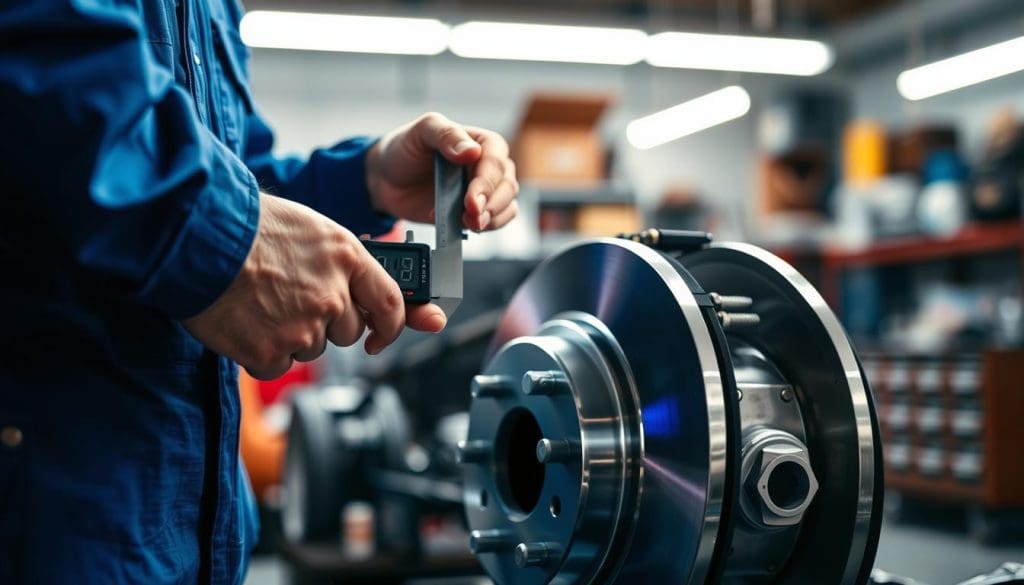
Keeping your brakes in good shape is vital. Regular checks can stop brake fade and lower accident risks. At Heaven Automotive, we suggest regular checks to keep your brakes working well.
If you notice your brakes aren’t stopping as well, call us. Our team is here to ensure your safety. Book your appointment today with Heaven Automotive, your go-to for brake repairs.
Vibration or Pulsation When Braking
If your car vibrates or pulsates when you brake, it’s a problem. This issue makes stopping smoothly hard. It’s both annoying and worrying.
What Causes Brake Vibration?
Brake vibration can come from many things. Warped brake rotors, uneven brake pad wear, or brake caliper issues are common causes. Warped rotors often happen from too much heat during braking.
Uneven brake pad wear also causes vibrations. If brake pads wear down unevenly, it makes braking uneven. This leads to a vibration or pulsation when braking.
How to Diagnose This Issue
To find out why your brakes vibrate, you need to inspect and test them. First, look at the brake rotors for warping or wear. You can check them visually or with a dial indicator.
Then, check the brake pads for uneven wear. Remove the wheels to see the pads. Uneven wear might mean a problem with the caliper or other parts.
If you’re not sure how to check, take your car to a mechanic like Heaven Automotive. They can do a detailed check and fix it.
Fixing brake vibration quickly keeps your brakes working right. If you’re not sure what to do, get professional help. It’s safer and more reliable.
Pulling to One Side
If your car pulls to one side when you brake, it’s a serious issue. This problem, known as brake pulling, can be due to several reasons. These include uneven brake wear, misaligned wheels, or problems with the braking system.
Possible Causes of Pulling
One main reason for brake pulling is uneven brake wear. When brake pads or shoes wear down unevenly, your car might pull to one side. Other reasons include:
- Misaligned wheels
- Loose or worn-out brake components
- Contaminated brake fluid
Importance of Wheel Alignment
Proper wheel alignment is vital to avoid brake pulling. When wheels are aligned right, your brakes work evenly. This reduces the chance of pulling to one side. Misaligned wheels can cause uneven tire wear and stress on your brakes.
At Heaven Automotive, our team knows how important proper wheel alignment is. We can help find and fix brake pulling issues. If you’re facing this problem, contact us for expert help.
Brake Fluid Leaks
Brake fluid leaks are a big deal for your car’s brakes. This fluid is key for your brakes to work right. If it leaks, your brakes won’t stop your car as well, which is very dangerous.
Signs of a Leak in the System
Spotting a brake fluid leak early can stop bigger problems. Look out for these signs:
- A spongy brake pedal means there’s air or not enough fluid.
- Fluid leaks under your car, near the brake lines and calipers.
- A drop in brake fluid level, seen in the reservoir.
- The brake warning light on your dashboard turns on.
Why a Leak Requires Immediate Action
A brake fluid leak is more than just a car problem; it’s a safety risk. Without enough brake fluid, your brakes won’t work right. This can make stopping harder or even cause your brakes to fail.
| Risks | Consequences |
|---|---|
| Increased stopping distance | Higher risk of accidents |
| Brake failure | Potential for severe accidents or injuries |
| Damage to brake components | Costly repairs or replacements |
If you see signs of a brake fluid leak, get your car checked fast. At Heaven Automotive, our skilled team can find and fix leaks quickly. This keeps your brakes safe and working well. Don’t wait; call us to book your brake service today.
Brake Pad Wear
It’s important to check your brake pads regularly. Worn-out brake pads can make your car stop less effectively, which is dangerous. Regular checks help keep your car safe.
Indicators of Worn Brake Pads
There are signs that show your brake pads need attention. These include:
- Squealing or grinding noises when you apply the brakes
- Vibration or pulsation when braking
- Reduced stopping power
If you see these signs, get your brake pads checked by a mechanic.
How to Inspect Your Brake Pads
Checking your brake pads is easy:
- Start by removing the wheel to access the brake caliper.
- Look at the brake pad thickness through the caliper window or by removing the caliper.
- Check for any wear or damage on the brake pads and rotors.
For a detailed check, see a mechanic or visit Heaven Automotive.
Regular checks can save you money on repairs. Keeping up with brake maintenance keeps your car safe and reliable.
| Brake Pad Condition | Visual Indicator | Recommended Action |
|---|---|---|
| Good Condition | Sufficient thickness, no wear indicators | No action needed |
| Worn | Thin pads, wear indicators visible | Replace brake pads |
| Damaged | Cracks, uneven wear | Inspect and replace as necessary |
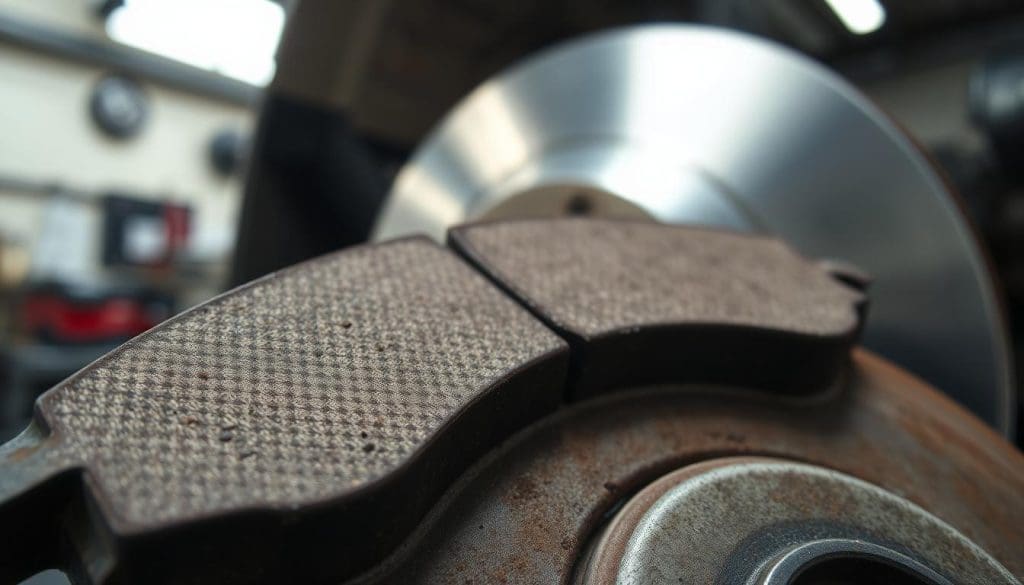
If you’re not sure about your brake pads, contact Heaven Automotive. Their experts are ready to help keep your car in great shape.
Heat Build-Up During Use
Too much heat in your brakes can be very dangerous and expensive to fix. If your brakes get too hot, the brake fluid can boil. This makes the brake pedal feel soft and your car stops less well.
Signs of Overheating Brakes
You might smell something burning or see smoke when you hit the brakes. These signs mean your brakes are too hot. Also, if your brake pedal feels soft or your car pulls to one side when you brake, it’s a warning sign.
Risks of Ignoring Heat Issues
Not fixing brake overheating problems can lead to brake failure. Brake failure can cause accidents, which is very dangerous. It’s important to keep your brakes in good shape through regular brake maintenance.
| Signs | Description | Potential Consequences |
|---|---|---|
| Burning Smell | A burning odor when braking | Brake pad wear, possible fire hazard |
| Smoke from Wheels | Visible smoke during or after braking | Overheating brakes, risk of brake failure |
| Spongy Brake Pedal | Brake pedal feels soft or spongy | Boiled brake fluid, less stopping power |
For more info on keeping your car in top shape, including the electrical system, check our page on car battery warning signs. It’s key to keep your brakes and electrical system in good condition for safety and performance.
If you notice any of these signs, get your brakes checked by a pro. At Heaven Automotive, our team can find and fix brake problems. We make sure your car is safe to drive. Contact us for a detailed brake check and maintenance service.
Odor and Smoke When Braking
Noticing an unusual odor or smoke while braking means something’s wrong with your brakes. Brake odor or brake smoke are signs of a serious issue. It’s important to address this quickly for your safety.
Types of Odors to Beware Of
Different odors can point to different brake problems. A burning smell often means your brake pads are worn out. They’re rubbing against other parts. Finding out where the smell is coming from is key to fixing the problem.
- A burning smell could indicate worn-out brake pads.
- A sweet or syrupy smell might suggest a leak in the brake fluid system.
What to Do in Case of Smoke
If you see smoke from your brakes, act fast. Slow down and pull over to a safe spot. Turn off the engine and let it cool down.
Check the brakes for damage or wear. If you’re not sure or the problem doesn’t go away, get professional help.
In San Antonio, if you’re having brake trouble, Heaven Automotive can help. Our skilled technicians can fix any brake issue. Contact us to book an appointment.
Frequency of Brake Service
Keeping your vehicle in top shape means following a brake service schedule. Regular brake checks keep you safe and extend your car’s life.
Recommended Service Intervals
How often you should service your brakes varies. It depends on your car’s type, how you drive, and what the maker says. Usually, brake checks are needed every 12,000 to 15,000 miles. But always check your car’s manual for the right time.
Some signs that indicate your brakes need immediate attention include:
- Unusual noises when applying the brakes
- A spongy brake pedal
- Vibrations or pulsations when braking
When to Schedule Brake Inspections
Get a brake inspection if you notice odd signs or symptoms. Also, during routine maintenance, it’s a good time to check your brakes. At Heaven Automotive, our experts do thorough brake inspections and suggest fixes.
Not sure about your brakes or it’s been a while? Contact Heaven Automotive. We’re here to keep your vehicle safe and running well. Book your brake service now and feel secure on the road.
Choosing the Right Brake Repair Shop in San Antonio
When your car’s brakes aren’t working right, finding a good brake repair shop is key. Look for a place that specializes in brake care. They should know how to fix many brake problems, including those caused by alternator issues.
Key Considerations
A good brake repair shop has certified techs and uses top-notch parts. Check their reputation, how they treat customers, and what warranties they offer.
Preparing for Your Visit
Before you choose a brake repair service, ask a few questions. Find out if they know your car’s make and model. Ask about their diagnostic methods and what repairs will cost. This info helps you choose wisely.
If you’re having brake trouble, call Heaven Automotive at 6645 Poss Rd. San Antonio, TX 78238, or dial (210) 682-3898. Their team is ready to help with all your brake repair needs.