

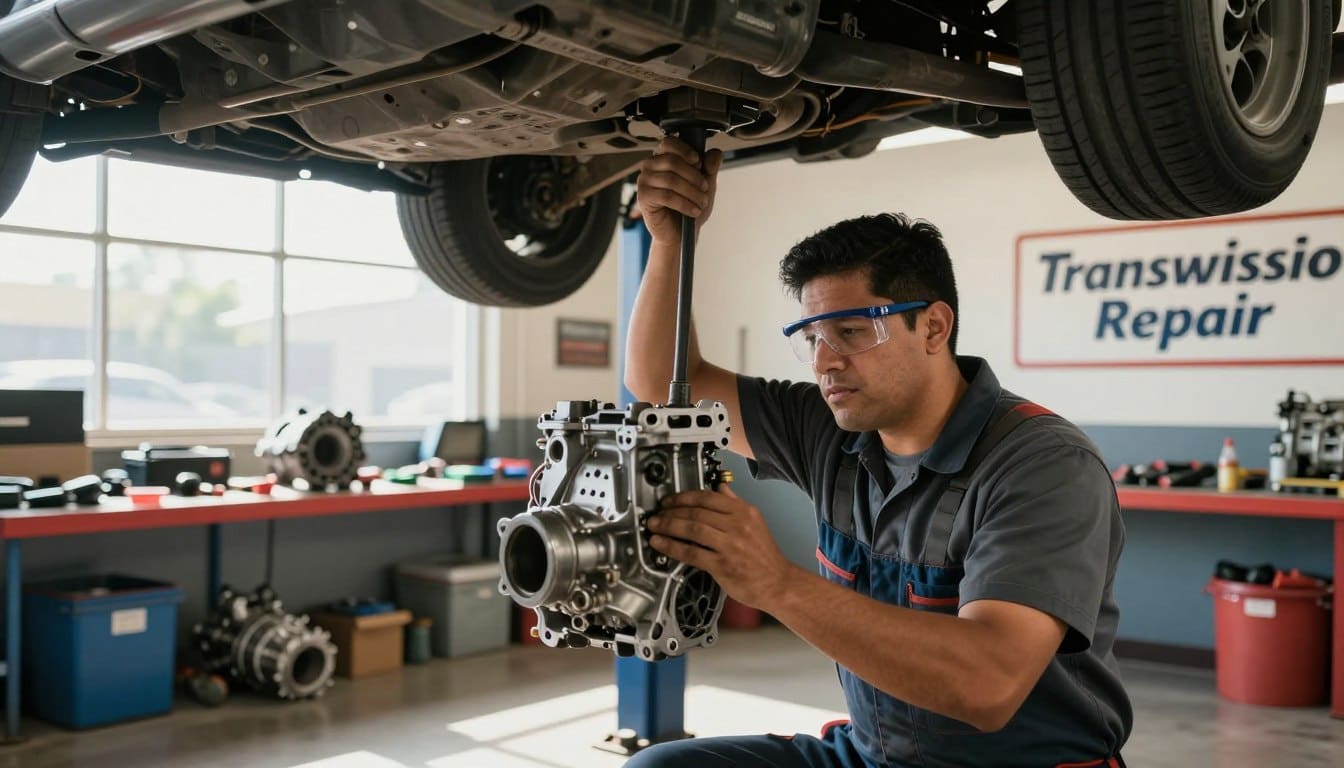
Your car has a complex system to move power from the engine to the wheels. Spotting small changes in how it runs can save you a lot of trouble. Prompt action prevents minor glitches from growing into major failures.
If your car’s gears change slowly, it might be slipping. This could mean there’s wear inside that needs fixing. If you ignore these signs, your car could have big problems on your daily drive.
Act fast if your car feels slow or makes strange noises when you press the gas. Heaven Automotive at 6645 Poss Rd. San Antonio, TX 78238, is here to help. Our team at (210) 682-3898 knows how important your car is for your daily life.
We’re known for our reliable transmission repair San Antonio drivers trust. Don’t wait until your car breaks down to get it fixed. Call Heaven Automotive to get your car running smoothly again.
Key Takeaways
- Monitor for any delays or hesitation during gear transitions.
- Identify strange grinding, humming, or whining sounds while driving.
- Inspect your driveway for leaking red fluid beneath the vehicle.
- Respond quickly to any unusual burning odors coming from the engine.
- Note any shaking or jerking sensations during normal acceleration.
- Seek a professional diagnostic scan if warning lights appear on the dash.
Understanding Transmission Systems
Knowing how your car’s transmission works is key to spotting problems early. Your car’s transmission is a complex system that’s vital for its performance and efficiency.
The transmission system sends power from the engine to the wheels, letting your car move. It uses gears that change with driving conditions. This ensures your car runs smoothly and efficiently.
What Does a Transmission Do?
The main job of a transmission is to send power from the engine to the wheels. It changes the gear ratio to fit the driving situation, like speed and load. This lets your car accelerate smoothly, stay at speed, and go up hills without straining the engine.
In short, the transmission connects the engine and wheels, making sure power is delivered well. A well-kept transmission is key for your car’s best performance and life.
Types of Transmission Systems
Most cars today have either an automatic or manual transmission. Automatic transmissions shift gears on their own, based on speed and engine load. They’re great for everyday driving. Manual transmissions, on the other hand, need you to shift gears yourself. They give you more control over the car.
Knowing your car’s transmission type is important for spotting issues and keeping it in good shape. Whether it’s automatic or manual, knowing how it works helps you catch transmission problems early.
If you’re having trouble with your transmission or need a check-up, getting a transmission service in San Antonio is a good idea. Experts can check your transmission, find any issues, and fix them. This keeps your car running smoothly.
Common Symptoms of Transmission Issues
Knowing the signs of transmission problems can help you avoid big repairs. Spotting these symptoms early can save you from headaches and money troubles.
Unusual Noises When Shifting Gears
Unusual noises when shifting gears are a common sign of trouble. You might hear clunking, grinding, or whining sounds. These sounds mean there’s a problem with your transmission.
Common noises include:
- Clunking or banging sounds when shifting gears
- Grinding noises during gear changes
- Whining or humming sounds, specially when accelerating
Slipping Gears and Their Implications
Slipping gears is another sign of transmission trouble. When your transmission slips, your engine revs but your car doesn’t move fast. This can make your car less powerful and might cause accidents.
| Symptom | Description | Possible Cause |
|---|---|---|
| Slipping Gears | Engine revs but vehicle doesn’t accelerate | Worn-out clutch packs or bands, low transmission fluid |
| Delayed Engagement | Delay when shifting into gear | Low transmission fluid, faulty solenoid |
| Rough Shifting | Harsh or abrupt gear changes | Faulty transmission mounts, low transmission fluid |
Fluid Leaks: What to Look For
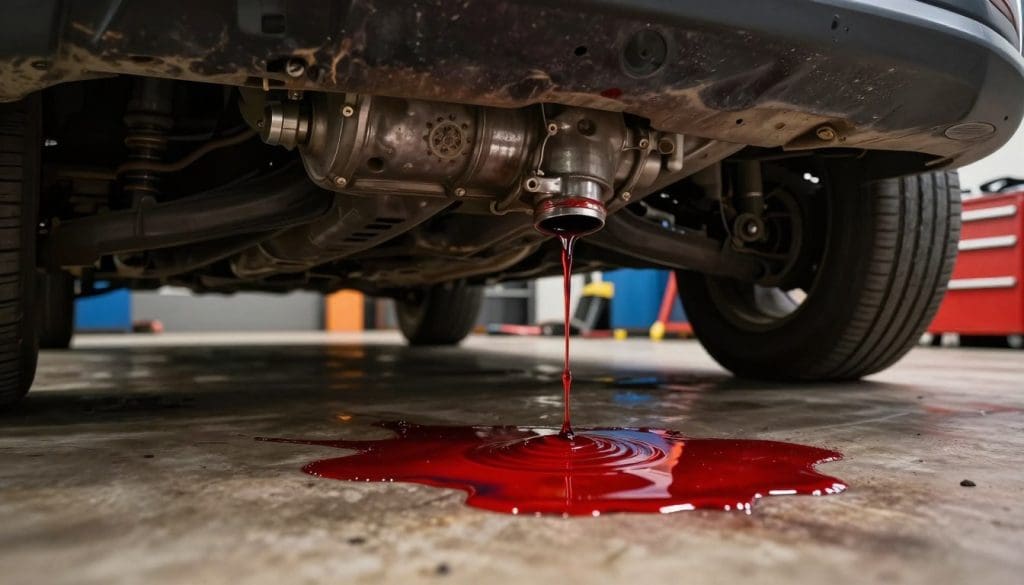
Transmission fluid leaks are a big warning sign. The fluid is reddish-brown and smells distinct. If you see spots under your car or a puddle of reddish fluid, your transmission is leaking.
- Check for reddish-brown spots under your vehicle
- Look for signs of leakage around the transmission pan
- Monitor your transmission fluid level regularly
Warning Lights on Your Dashboard
Your car’s dashboard is more than just a display of speed and fuel level. It’s a critical tool that warns you about transmission problems. Modern vehicles have advanced warning systems. They alert you to issues before they become major problems.
The Transmission Warning Light Explained
The Check Engine light on your dashboard can sometimes mean transmission trouble, not just engine issues. Many modern vehicles have sensors tied to the transmission system. Faulty speed sensors or solenoids can trigger this light.
If the Check Engine light comes on, it’s vital to have your vehicle checked by a professional. They can diagnose the issue accurately.
Understanding the Check Engine Light: Seeing the Check Engine light can be alarming. It means your vehicle’s onboard diagnostics system has detected a problem. In some cases, this could be related to transmission problems that need to be addressed.
Other Indicators of Transmission Trouble
There are other warning lights that relate to transmission health. A dedicated transmission temperature warning light indicates when the transmission system is overheating. Ignoring this warning can cause severe damage to your transmission. This could lead to costly repairs.
If you notice any unusual dashboard lights or warnings, it’s important to consult your vehicle’s manual. Or visit a transmission service in San Antonio for a professional assessment. Early detection of transmission issues can save you from more significant problems down the road.
Vehicle Performance and Its Connection to Transmission
Transmission problems can really hurt your car’s performance. It’s key to spot issues early. The transmission system is vital for how your car accelerates, shifts gears, and keeps speed.
When your transmission works right, your car accelerates smoothly and shifts gears well. But, if there are problems, your car’s performance will drop.
Decreased Acceleration and Power
A big drop in acceleration and power is a clear sign of transmission trouble. If your car doesn’t speed up when you press the gas, it might be transmission slipping. This happens when the transmission can’t grab gears right, leading to lost power and speed.
For example, when driving uphill or merging onto a busy road, a good transmission gives the needed power. But, with issues, you might feel a delay or hesitation. This can be annoying and risky.
Increased RPMs Without Speed
Another sign of transmission problems is when your engine RPMs go up but your speed doesn’t. You might feel the engine revving or RPMs surge without the car speeding up.
This usually means the transmission can’t find the right gear. So, the engine works harder but doesn’t make the car go faster. It’s a clear sign your transmission needs help.
| Symptom | Description | Possible Cause |
|---|---|---|
| Decreased Acceleration | Vehicle doesn’t accelerate as expected | Transmission Slipping |
| Increased RPMs | RPMs increase without corresponding speed | Transmission Failure to Engage Correct Gear |
The Importance of Transmission Fluid
Transmission fluid is key for your car’s smooth running. It keeps the transmission’s parts well-lubricated, cools the system, and helps with gear changes. Without enough fluid, your car’s transmission can get damaged badly.
Signs of Low Transmission Fluid
Low transmission fluid often shows as leaks. Look for red, pink, or brown liquid under your car, near the front or center. This could mean a fluid leak.
A burning smell or slipping gears are other signs. These happen when the fluid is low or dirty.
The Role of Transmission Fluid in Maintenance
Checking and maintaining transmission fluid is vital. It’s not just about the level; the fluid’s condition matters too.
Dirty or old fluid can wear down transmission parts and lower performance. Regular transmission service in San Antonio can catch problems early, avoiding big transmission problems.
Shifting Difficulties You Shouldn’t Ignore
When your car’s transmission starts to act up, you might notice it’s harder to shift gears. A smooth shift is a sign of a healthy transmission. But if your car hesitates or struggles to change gears, it’s a warning sign.
Hesitation When Engaging Gears
Hesitation when shifting gears is a common sign of transmission problems. If your car hesitates before shifting or feels like it’s forcing into gear, it’s not working right. This could be because of low transmission fluid or worn-out parts.
Problems with Downshifting and Upshifting
Having trouble downshifting or upshifting is another sign of transmission slipping. These issues can make your car perform poorly and even damage the transmission. For example, if your car can’t downshift when you slow down, it can wear out your brakes.
| Shifting Issue | Possible Cause | Potential Consequence |
|---|---|---|
| Hesitation when engaging gears | Low transmission fluid, worn-out clutch packs | Increased wear on transmission components |
| Problems with downshifting | Worn-out clutch packs, faulty transmission solenoids | Increased wear on brakes, decreased performance |
| Problems with upshifting | Low transmission fluid, faulty transmission solenoids | Decreased performance, increased fuel consumption |
Knowing about these shifting issues can help you spot transmission problems early. This way, you can fix them before they get worse.
Effect of Overheating on Transmission
Your vehicle’s transmission is very sensitive to temperature changes. Overheating can cause a lot of problems, from small issues to a complete breakdown.
Causes of Transmission Overheating
Several things can make your transmission overheat. Low transmission fluid levels are a big reason. The fluid helps cool and lubricate the transmission.
Fluid that’s dirty can also cause overheating. It can’t cool the system as well as clean fluid can.
Too much friction in the transmission is another major cause. This can happen if parts like clutch packs or bands wear out or get damaged. When these parts don’t work right, they make too much heat, which can harm the transmission.
| Cause | Description | Effect |
|---|---|---|
| Low Transmission Fluid | Insufficient fluid to cool and lubricate transmission components | Overheating, increased wear on components |
| Contaminated Fluid | Fluid loses its cooling and lubricating properties | Overheating, premature wear on components |
| Excessive Friction | Worn-out or damaged components generate excessive heat | Overheating, damage to transmission components |
How to Cool Down Your Transmission System
To stop or fix transmission overheating, check your transmission fluid levels regularly. Make sure the fluid is at the right level and clean. If it’s dirty or old, get it changed by a pro as part of a transmission service in San Antonio.
It’s also key to make sure your cooling system works well. This system helps keep the transmission fluid at the right temperature. Regular checks and maintenance of the cooling system can help avoid transmission problems.
If you see signs of overheating, like fluid smelling burnt or looking dark brown/black, act fast. Ignoring these signs can cause serious damage to your transmission, leading to expensive repairs.
Unresponsive Gears: A Red Flag
When your car’s gears stop working, it’s a big problem. It means your car might not move forward or backward. This makes driving very unsafe.
Transmission slipping or gears not working can happen for many reasons. These include worn-out clutch packs, broken solenoids, or serious damage inside the transmission. Knowing why it happens helps fix it right.
What Causes Gears to Become Unresponsive?
Many things can make gears not work right. Here are a few:
- Worn or damaged clutch packs
- Faulty solenoids or electrical issues
- Low transmission fluid levels
- Internal transmission damage
These problems can cause big transmission problems. If not fixed, they might cost a lot to repair or even need a new transmission.
Impact on Your Driving Experience
Unresponsive gears can really mess up your drive. You might get stuck or face safety risks. It can also make your car perform poorly, increase accident chances, and make driving stressful.
Here’s a quick look at what can go wrong and why:
| Cause | Impact |
|---|---|
| Worn Clutch Packs | Slipping or unresponsive gears, potentially leading to transmission failure |
| Faulty Solenoids | Erratic shifting, loss of gear engagement |
| Low Transmission Fluid | Slipping gears, overheating, and possible transmission damage |
If your gears aren’t working, get help fast. A pro can figure out and fix the issue. Quick action can avoid more damage and keep your car safe and reliable.
The Role of Regular Maintenance
Regular maintenance is key to keeping your vehicle’s transmission in great shape. It helps spot issues early, before they turn into big problems.
Benefits of Routine Transmission Checks
Routine checks have many benefits. They help find problems early, saving you from expensive fixes later. Getting regular transmission service in San Antonio keeps your car running well and lasts longer.
Some key benefits of routine checks include:
- Early detection of worn-out parts
- Prevention of transmission problems
- Improved vehicle performance
How Maintenance Can Prevent Major Repairs
Regular maintenance is vital to avoid big transmission repairs. Following the manufacturer’s maintenance schedule, every 30,000-60,000 miles, cuts down transmission problems risk.
Key maintenance activities include:
- Checking transmission fluid levels
- Inspecting for signs of wear and tear
- Replacing transmission fluid as recommended
By keeping up with these tasks, you can dodge major repairs. This ensures your vehicle stays in top shape for years.
The Cost of Ignoring Transmission Problems
Transmission issues can become very expensive if not fixed early. Ignoring signs of trouble can cause more damage. This might lead to costly repairs or even a new transmission.
Potential Repair Costs in San Antonio
The price for fixing a transmission in San Antonio changes based on the problem and the car type. A small fix, like fluid or solenoid replacement, might cost a few hundred dollars. But, if the transmission needs a rebuild or replacement, the price can be in the thousands.
Here are some factors that influence the cost of transmission repairs:
- The type of transmission (automatic, manual, semi-automatic, or CVT)
- The extent of the damage
- The cost of labor in San Antonio
- Whether you choose to repair, rebuild, or replace the transmission
Long-term Consequences of Delaying Repairs
Waiting to fix a transmission can cost more than money. A bad transmission can make your car hard to drive, slow to accelerate, and hard to climb hills. It can also wear out other parts, like the engine and drivetrain.
The long-term effects include:
- Reduced vehicle performance and fuel efficiency
- Increased risk of being stranded due to transmission failure
- Potential damage to other vehicle components
- A decrease in the overall lifespan of your vehicle
Knowing the costs and effects of ignoring transmission issues helps San Antonio car owners make smart choices. They can decide when to get their transmission fixed.
Do-It-Yourself Transmission Checks
You don’t need to be a mechanic to check your transmission. Regular checks can spot problems early. This saves you time and money on big repairs.
Basic Checks Every Driver Should Do
Every driver can do some basic checks. First, check the transmission fluid level often. Low levels can cause transmission slipping and other issues. Also, watch for leaks under your car, as they can lead to big problems.
Another key check is to watch how your car performs. Unusual noises, vibrations, or hesitation when shifting could mean trouble. Also, pay attention to dashboard warning lights, as they often point to transmission issues.
When to Seek Professional Help
While you can do some checks, complex issues need a pro. If you’re not sure about your transmission or see odd signs, get a mechanic’s help. They can do a detailed check and suggest repairs.
In San Antonio, for transmission service, find a trusted repair shop. They have skilled mechanics who can fix your transmission issues fast and safely.
Finding a Reputable Transmission Repair Shop in San Antonio
Transmission problems can be scary, but knowing where to go in San Antonio helps a lot. You need a trustworthy repair shop to fix your car and get it back on the road.
To find the right transmission repair service, consider these factors:
Questions to Ask Before Choosing a Shop
Before picking a transmission repair shop in San Antonio, ask important questions. Some key ones include:
- What experience do you have with my vehicle’s make and model?
- What certifications do your technicians hold?
- Do you offer a warranty on your repairs?
- Can you provide a detailed estimate of the work to be done?
Importance of Experience and Reviews
Experience and customer reviews are key to finding a reliable shop. Look for shops with a good reputation and positive feedback. You can check online reviews or ask friends and family for recommendations.
By researching and asking the right questions, you can find a trusted transmission repair shop in San Antonio. They will make sure your car runs smoothly again.
The Impact of Driving Habits on Transmission Life
Your driving habits greatly affect your car’s transmission life. The way you drive can either help it last longer or cause it to wear out faster.
Driving habits are key to your car’s transmission health. Being careful with how you drive can prevent damage to your transmission.
How Smooth Driving Extends Transmission Longevity
Driving smoothly is vital for a healthy transmission. This means accelerating slowly, braking smoothly, and not overloading your car. These habits reduce strain on your transmission, making it last longer.
- Gradual acceleration reduces wear on transmission components.
- Avoiding sudden stops helps in maintaining transmission health.
- Not overloading your vehicle decreases the load on the transmission.
Avoiding Common Driving Mistakes
Some driving mistakes can harm your transmission. These include riding the brakes downhill and shifting gears too quickly. Knowing these mistakes and avoiding them can protect your transmission.
- Riding the brakes, specially on inclines.
- Abruptly shifting into gear.
- Ignoring transmission warning signs.
By knowing these common mistakes and driving carefully, you can keep your transmission in good shape for a long time.
Getting Professional Help
If you’re having trouble with your transmission, knowing when to get help is key. Transmission problems can be tricky and need a pro’s touch.
A transmission specialist has the skills and tools to fix your issues. They can find the problem and tell you what repairs are needed.
Signs You Need a Transmission Specialist
Here are some signs you should see a transmission expert:
- Persistent slipping or hesitation between gears
- Unusual noises when shifting gears, such as grinding or whining
- Leaks or signs of transmission fluid leakage
- Delayed or rough shifting
If you notice any of these, it’s time to visit a transmission service in San Antonio. A mechanic can check your car and give you a detailed report.
What to Expect During a Transmission Inspection
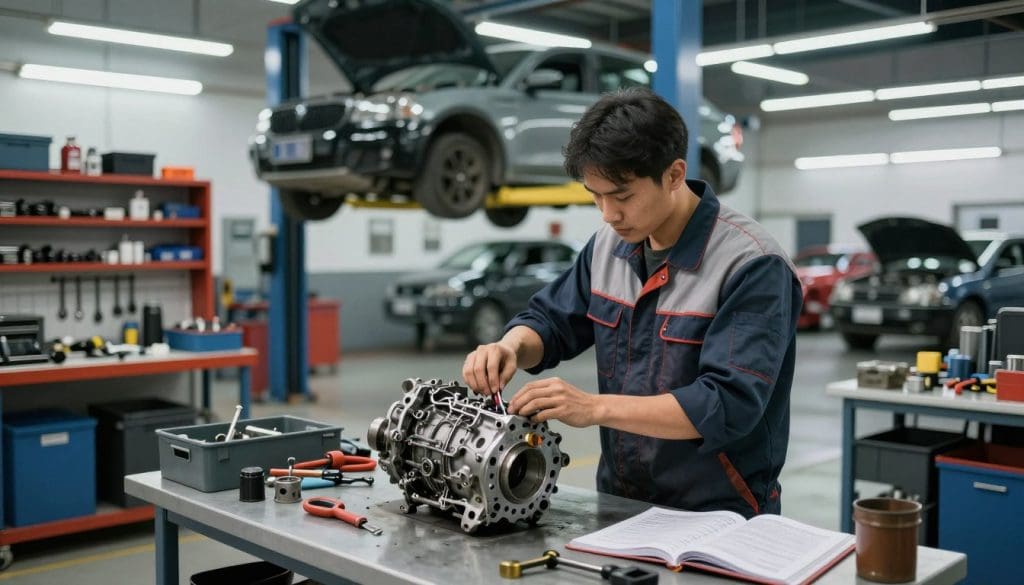
A mechanic will check the fluid levels and look for leaks during an inspection. They might also test the transmission’s performance. Special tools might be used to find any problems.
The inspection will show what needs fixing. If repairs are needed in San Antonio, a good shop will give you a clear estimate and explain the work.
Knowing what happens during a transmission check helps you prepare. It ensures your car gets the right care and gets back on the road smoothly.
Preparing for Transmission Repair
Before you go to a mechanic for transmission repair in San Antonio, get ready. It’s important to know what to expect. You should understand the process, ask the right questions, and have all the necessary documents.
Questions to Ask Your Mechanic
Asking the right questions is key. It helps you understand the work, costs, and what to expect. Here are some important questions to ask:
- What is the diagnosis of the transmission problem?
- What are the recommended repair options?
- What are the estimated costs for the repairs?
- Is there a warranty on the repair work?
- How long will the repair take?
Being informed about the repair process helps you make better choices. It also helps avoid surprises.
Documents and Records to Bring
Bring important documents and records to your mechanic. This makes the repair process smoother. Here are some essential items to bring:
- Your vehicle’s maintenance history
- Any previous repair records
- Details about the transmission problem you’re experiencing
Gathering these documents beforehand helps your mechanic diagnose the issue better and faster.
Conclusion: Staying Informed About Transmission Health
Knowing about your transmission’s health is vital to avoid big problems like slipping. By taking action early and following the advice in this article, you can keep your transmission running well. This ensures your car stays in good shape.
Regular maintenance is key to a long-lasting transmission. Catching and fixing small problems early can prevent big, expensive repairs later. If you spot any transmission issues, get help from a trusted service in San Antonio.
Proactive Steps for Transmission Maintenance
To keep your transmission in great shape, focus on regular care and checks. Make sure to check the transmission fluid levels and watch for signs of wear. Also, fix any problems right away.
Seeking Professional Help When Needed
If you see signs of transmission trouble, like slipping or odd noises, get help fast. The team at Heaven Automotive offers top-notch transmission service in San Antonio. They can fix your car quickly and at a fair price. You can reach them at 6645 Poss Rd, San Antonio, TX 78238, or call (210) 682-3898.