


Hitting high speeds should feel smooth and controlled. Feeling shakes vibration while driving, at high velocities, isn’t just annoying. It often signals a sign of an underlying mechanical issue that requires your attention.
It is vital to listen to what your vehicle is telling you. Small shakes often turn into major safety hazards if you ignore them for too long. Heaven Automotive provides expert diagnostics to keep your machine steady on the road.
Key Takeaways
- High-speed shaking often signals serious mechanical trouble.
- Tire imbalance is a frequent cause of vehicle instability.
- Ignoring minor wobbles leads to significant safety risks.
- Early inspections help prevent expensive future repairs.
- Professional balance checks restore overall ride quality.
Hire Heaven Automotive to fix your vehicle at 6645 Poss Rd. San Antonio, TX 78238 or call (210) 682-3898.
Understanding the Phenomenon of Car Vibration While Driving
Driving down the highway and feeling your car vibrate is more than just annoying. It could signal a serious problem. Car vibration is a common issue, with many causes. Knowing what causes it is key to keeping your car in top shape.
Wheel balance issues are a main culprit behind car vibration. Unbalanced wheels can cause uneven tire wear and vibrations. These vibrations are more noticeable at high speeds, where even a small imbalance can cause big vibrations.
If your car vibrates more on the highway, check your wheel balance. A visit to a mechanic or a place like Heaven Automotive can help. They can inspect your wheels and other parts to find any problems.
Car vibration can also stem from other issues, like tires, suspension, or drivetrain problems. So, a detailed check is needed to find the vibration’s source.
Fixing the problem quickly can prevent more damage and make driving safer. Regular checks can catch issues early, saving you money and time.
The Role of Wheel Balance Issues in Highway Stability
When you speed up on the highway, even small wheel balance problems can be big. Wheel balance is key for keeping the road stable. Unbalanced tires cause vibrations that mess up your drive.
Unbalanced tires wear unevenly and vibrate. These vibrations are felt in the car. They’re worse at high speeds, making it hard to control the car.
How Imbalanced Tires Affect Steering Feedback
Imbalanced tires mess with steering feedback, making it hard to control the car. The imbalance makes the wheel vibrate. This shakes the steering wheel, making it hard to steer smoothly.
This effect is big at high speeds. Drivers struggle to drive straight or make sharp turns because of the vibration.
| Speed (mph) | Vibration Frequency (Hz) | Impact on Steering |
|---|---|---|
| 60 | 10-15 | Mild shaking |
| 80 | 15-20 | Moderate vibration |
| 100 | 20-25 | Severe shaking |
The Physics of Centrifugal Force at High Speeds
At high speeds, the centrifugal force on imbalanced tires grows fast. This force pushes the tire away from its center, making imbalance worse. So, the vibration gets stronger, making the car less stable.
Understanding centrifugal force is important for knowing why wheel balancing matters. Balanced tires reduce the chance of vibrations on the highway.
Tire Vibration Causes and Structural Integrity
Your vehicle’s tires are key to a smooth ride, more so at high speeds. Damaged or poorly maintained tires can cause vibrations. These vibrations can make your drive uncomfortable and even unsafe.
Identifying Tread Separation and Belt Damage
Tread separation and belt damage are major problems. Tread separation happens when the tread comes off the tire. It’s often due to defects, wrong inflation, or too much wear. Belt damage means the tire’s internal belts are broken or worn out. This can lead to uneven wear and vibrations.
Look for bulges, cracks, or uneven wear on your tires. These are signs of trouble.
The Impact of Uneven Tire Wear Patterns
Uneven tire wear causes vibrations too. When tires wear down unevenly, it creates an imbalance. This imbalance makes your vehicle vibrate, mainly at high speeds. Things like bad wheel alignment, not rotating tires enough, and worn-out suspension parts can cause uneven wear.
Regular tire rotation and alignment checks can stop uneven wear. This helps avoid vibrations.
To keep your tires in good shape and avoid vibrations, do the following:
- Check tire pressure regularly
- Rotate your tires as the maker suggests
- Look for damage or uneven wear on your tires
- Make sure your vehicle’s alignment is right
By following these tips, you can lower the chance of tire vibrations. This makes your drive smoother and safer.
Suspension Problems and Their Contribution to Road Shake
Suspension issues can make driving very uncomfortable. Your car’s suspension helps smooth out bumps and keeps it stable. But, when it starts to wear out, you’ll feel more vibrations.
Worn Struts and Shock Absorbers
Struts and shock absorbers are key to a smooth ride. They help absorb road bumps. But, when they get worn out, your car vibrates more.
Struts and shock absorbers control your car’s movement. Over time, they can lose fluid or wear down. This makes your car vibrate, worse at high speeds.
Ball Joint and Control Arm Wear
The ball joints and control arms are also important. They help the suspension and steering move smoothly. But, when they wear out, your car vibrates.
Ball joint wear can make the front wheels misaligned. This causes uneven tire wear and more vibration. Control arm wear can also make the suspension unstable, leading to more vibration.
Drivetrain Components and Vibration Transmission
The drivetrain is key in sending power to your vehicle’s wheels. Any problems with it can cause vibrations. These vibrations are more noticeable at high speeds and can signal deeper issues.
Drivetrain and transmission problems can also cause vibrations. Faulty CV joints, damaged driveshafts, and worn U-joints are common culprits. Knowing which parts can cause vibrations helps in finding and fixing the problem.
Axle Shaft Issues in Front-Wheel Drive Vehicles
In front-wheel drive cars, axle shafts are vital for power transmission. Worn or damaged CV joints in these shafts can lead to vibrations. These vibrations are often felt during acceleration or at high speeds.
Symptoms of axle shaft issues include clicking or clunking noises when turning, vibrations during acceleration, and uneven tire wear. If you notice these signs, it’s important to have a professional check your vehicle.
Driveshaft and U-Joint Failures in Rear-Wheel Drive Vehicles
Rear-wheel drive cars use a driveshaft and U-joints to power the rear wheels. When these parts wear out or fail, they cause significant vibrations. A failing U-joint, for example, can lead to vibrations felt throughout the vehicle, more so under load or during acceleration.
Regular maintenance is essential to prevent driveshaft and U-joint failures. This includes checking for wear, ensuring proper lubrication, and fixing any issues quickly. Regular checks can help avoid vibration problems and ensure a smoother ride.
Braking System Irregularities
Braking system irregularities can show up as vibrations. This means there might be a problem that needs fixing right away. It’s important to find out why you’re feeling these vibrations to keep your car safe and running well.
Warped Brake Rotors and Pedal Pulsation
Warped brake rotors often cause vibrations when you brake. This warping can make the brake pedal shake or pulse. Warped rotors can happen from too much heat, wrong installation, or just from wearing out over time.
Stuck Calipers and Heat-Induced Vibration
Stuck calipers can also make your car vibrate when you brake. This is because they press down unevenly on the rotors. This uneven pressure can make the rotors get too hot, causing heat-induced vibration. It’s key to check the brake calipers regularly to avoid these problems.
Fixing braking system issues quickly is key to keeping your car safe and running smoothly. Regular checks and maintenance can spot problems early, before they get worse.
Engine and Transmission Mount Degradation
Vibrations at highway speeds can come from engine and transmission mounts wearing out. These parts are key to keeping your vehicle stable and smooth.
How Engine Mounts Dampen Internal Vibrations
Engine mounts soak up engine vibrations, keeping them from affecting the rest of the car. They are essential for a smooth ride by reducing engine vibrations.
As engine mounts wear out, you might feel more vibrations inside the car, mainly at high speeds. This can happen due to age or damage from the engine moving too much.
Symptoms of Failed Transmission Mounts
Transmission mounts work like engine mounts but for the transmission. If they fail, you’ll feel more vibration when speeding up or slowing down. You might also hear odd noises and see the transmission move during gear shifts.
The table below shows the main differences and signs of engine and transmission mount problems:
| Component | Function | Symptoms of Degradation |
|---|---|---|
| Engine Mounts | Dampen engine vibrations | Increased vibration, mainly at high speeds |
| Transmission Mounts | Support transmission, reduce vibration | Vibration during acceleration/deceleration, unusual noises |
It’s important to check these mounts regularly to avoid harming your car’s engine and transmission. Fixing problems early helps keep your vehicle running well and safely.
Wheel Alignment and Its Relationship to Vibration
Wheel alignment is key for a smooth ride, mainly at high speeds. Proper alignment means even tire wear and better handling. But, misalignment can cause vibrations.
Hitting potholes or curbs can mess up your alignment. This uneven wear leads to vibrations felt through the steering wheel or floor.
Distinguishing Between Alignment Pull and Vibration
It’s important to tell the difference between alignment pull and vibration. Alignment pull makes your car pull to one side, needing constant correction. Vibration, on the other hand, is a physical shake you feel.
Both problems come from alignment issues but feel different. Pull is about direction, while vibration is about shaking.
The Importance of Proper Camber and Toe Settings
Proper camber and toe settings are vital for alignment. Camber is the tilt of your wheels. Negative camber tilts the top inward, and positive tilts it outward. Wrong camber causes uneven wear and affects handling.
Toe alignment is about the direction your wheels point. Incorrect toe settings wear down tires fast and cause vibrations, mainly at high speeds.
Getting camber and toe right during alignment prevents these problems. It gives you a smoother ride and longer tire life.
The Danger of Ignoring Highway Speed Vibrations
Highway speed vibrations are more than just a nuisance; they can lead to significant problems if left unchecked. When you ignore these vibrations, you’re not just risking your comfort; you’re also putting your vehicle’s integrity at stake.
Ignoring car vibrations can lead to increased costs, safety risks, and lower fuel efficiency. Minor issues can escalate into major repairs, affecting not just your wallet but also your safety on the road.
Increased Risk of Component Failure
Continuous vibration can cause undue stress on various car components, leading to premature wear and failure. Suspension parts, such as struts and shock absorbers, are most vulnerable. When these components fail, it can result in a loss of control while driving, which is dangerous at high speeds.
Also, vibrations can affect the drivetrain, causing issues with the axle shafts, driveshaft, and U-joints. This can lead to costly repairs and potentially leave you stranded.
Impact on Vehicle Handling and Safety
Vibrations can significantly impact your vehicle’s handling, making it harder to steer and control, which is a big problem on highways. This not only increases the risk of accidents but also causes driver fatigue due to the constant need to adjust steering and maintain control.
Ignoring vibrations can also lead to safety risks. For instance, if a tire is out of balance, it can lead to uneven tire wear, reducing traction and increasing the risk of a blowout.
By addressing highway speed vibrations promptly, you can ensure your vehicle remains safe and reliable. This avoids the dangers of component failure and compromised handling.
Diagnostic Procedures for Pinpointing Vibration Sources
Fixing highway speed vibrations starts with a detailed diagnosis. This involves road tests and special tools. At Genuine Car Care Center, our ASE-certified techs use top-notch tools to find and fix your car’s vibrations.
First, techs use road tests to start the diagnosis. They drive the car in different ways to make the vibration happen and collect data.
Road Testing Techniques for Technicians
During a road test, techs watch how the vibration changes with speed and intensity. They also check how it changes when braking or turning. This helps them figure out what’s causing it.
- Test driving on different road surfaces to isolate the source of the vibration
- Monitoring the vibration’s behavior at various speeds
- Noting any changes in the vibration when the vehicle’s load or configuration is altered
Using Specialized Equipment for Wheel Balancing
Special tools are also key in finding wheel balance problems. Modern machines can spot tiny imbalances in tires and wheels. This lets them make exact adjustments.
For more on fixing car vibrations, check out Heaven Automotive’s guide on diagnosing car vibrations. It dives deep into why vibrations happen and how to fix them.
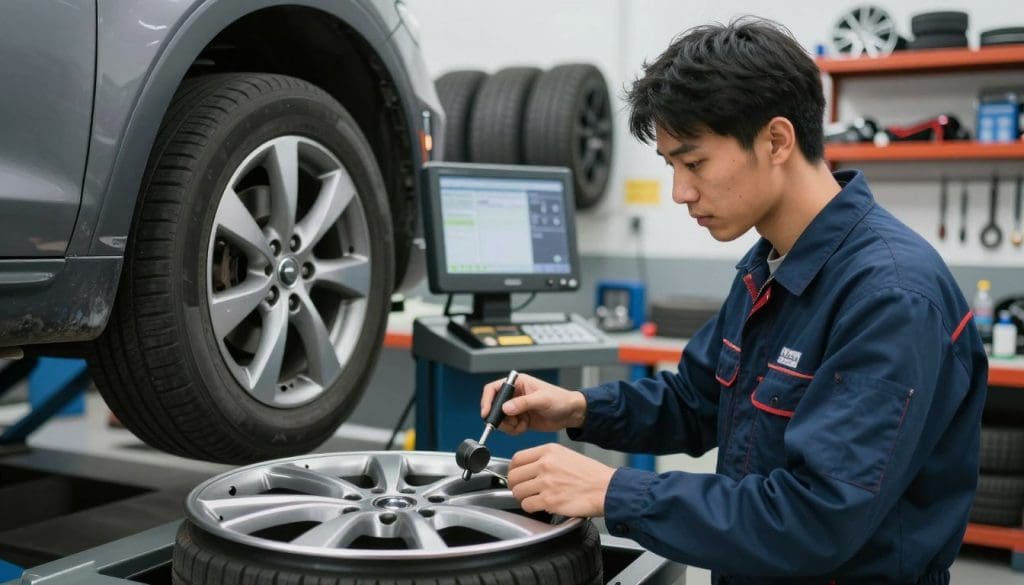
By mixing road tests with special tools, techs can find and fix highway speed vibrations. This ensures your drive is smooth and safe.
Common Misconceptions About Car Shaking
Car shaking can be confusing and often misdiagnosed. You might feel vibrations while driving, but the reasons can be many and tricky.
To figure out the problem, it’s key to know the different causes. Two big confusions are engine misfires and chassis vibration.
Differentiating Between Engine Misfires and Chassis Vibration
Engine misfires happen when some engine cylinders don’t work right. This can make your car shake and run poorly. Chassis vibration, on the other hand, is about the car’s body. It can be due to imbalanced tires, worn-out suspension parts, or misaligned wheels.
Notice when the shaking happens. Engine misfires usually feel worse when you’re driving fast or accelerating. Chassis vibration, though, gets more obvious as you speed up, like on highways.
Why Road Surface Quality Matters
The road’s quality can really affect your car’s shake. Potholes and uneven roads can make your car vibrate, if your suspension or tires are bad.
Driving on rough roads can also make tire or suspension problems worse. This makes the shaking even more. So, think about the roads you often drive on to understand the shaking better.
Knowing these things helps you start solving the shaking problem. It’s all about figuring out the right cause.
The Impact of Aftermarket Modifications
Aftermarket parts can change how your vehicle handles, sometimes causing more vibrations. These parts can make your car perform better or look cooler. But, they can also lead to vibrations, mainly at high speeds.
Wheel spacers and hub-centric rings are common modifications that can cause vibrations. They change how the wheel sits and its balance.
Wheel Spacers and Hub-Centric Ring Issues
Wheel spacers widen your vehicle’s track or make it look better with bigger wheels. But, they can cause vibrations if not installed right. Hub-centric rings help fit wheels to different hubs. They can also cause vibrations if not fitted correctly or if they’re low quality.
Common issues with wheel spacers and hub-centric rings include:
- Imbalance due to incorrect installation
- Increased stress on wheel bearings
- Potential for wheel wobble or vibration
Suspension Lift Kits and Driveline Angles
Suspension lift kits are popular for changing your vehicle’s look. They can also affect vibrations, mainly at high speeds. This is because they alter the driveline angles.
| Modification | Potential Vibration Cause | Mitigation Strategy |
|---|---|---|
| Wheel Spacers | Imbalance, Incorrect Installation | Proper Installation, Quality Parts |
| Hub-Centric Rings | Poor Fit, Low Quality | Ensure Proper Fit, Use High-Quality Rings |
| Suspension Lift Kits | Altered Driveline Angles | Adjust Driveline Angles, Use Compatible Components |
Knowing the risks of aftermarket modifications is key. Using high-quality parts and proper installation can reduce vibration issues.
Seasonal Factors and Tire Performance
As the seasons change, you might notice your vehicle’s performance shifting. This is true, mainly when it comes to tire vibration. Seasonal changes affect how well your tires perform, impacting your vehicle’s stability and driving experience.
Several seasonal factors influence your tires. Cold weather and tires sitting idle for long periods are two big ones. Both can lead to tire vibration while driving.
Cold Weather Effects on Tire Rubber Compounds
Cold weather stiffens the rubber in your tires. Low temperatures make the rubber less flexible and more likely to vibrate. This stiffness makes it harder for the tire to stay in its best shape and grip the road, causing uneven wear and vibration.
In cold areas, it’s key to check your tire pressure often. Underinflated tires can make vibration worse. Keeping the right tire pressure can help counteract cold weather’s impact on your tires.
| Temperature | Tire Rubber Condition | Effect on Vibration |
|---|---|---|
| Above 40°F (4°C) | Flexible | Less prone to vibration |
| Below 40°F (4°C) | Stiff | More prone to vibration |
Flat Spotting After Long Periods of Inactivity
Leaving your vehicle stationary for a long time can cause flat spotting on your tires. Flat spotting happens when a tire gets a flat area from sitting too long, causing vibration when you start driving again.
To avoid flat spotting, move your vehicle often or use jack stands to lift it. If you do get flat spotting, driving slowly can help round out the tires. But in bad cases, you might need to replace the tires.
Preventative Maintenance Strategies for Smooth Driving
To keep your drive smooth, it’s key to use preventative maintenance strategies. This way, you can spot and fix problems early on.
Preventative maintenance includes tasks like regular tire rotation and suspension checks. These steps keep your vehicle running well.
Regular Tire Rotation Schedules
Regular tire rotation is a must. It makes sure your tires wear evenly, improves grip, and lasts longer. Most car makers say to rotate tires every 5,000 to 8,000 miles.
Regular tire rotation helps in many ways:
- It boosts fuel efficiency
- It makes your car handle better
- It cuts down on uneven tire wear
Routine Suspension Inspections
Checking your suspension regularly is also important. It helps find worn or broken parts early. This stops suspension problems that cause car vibrations.
A technician will look for wear on parts like:
- Shock absorbers
- Struts
- Ball joints
- Control arms
| Maintenance Task | Frequency | Benefits |
|---|---|---|
| Tire Rotation | Every 5,000 to 8,000 miles | Even tread wear, improved traction, extended tire lifespan |
| Suspension Inspection | Every 12,000 to 15,000 miles | Early detection of worn or damaged components, prevention of suspension problems |
By sticking to a detailed maintenance plan, your car stays in top shape. This reduces the chance of car vibrations and other problems.
Professional Repair Standards at Heaven Automotive
Heaven Automotive is known for its professional repair standards. We make sure your vehicle gets top-notch care. Our team is trained to fix problems like wheel balance issues that cause vibrations at high speeds.
When you bring your car to us, we do a full check-up. Our techs use special tools to find the problem. It could be wheel balance, suspension, or something else.
Why Expert Diagnosis Saves You Money
Getting your car checked by experts is key. At Heaven Automotive, we use the latest tools to find the right problem. This saves you money and makes sure your car is fixed right the first time.
| Benefits of Expert Diagnosis | Description |
|---|---|
| Accurate Problem Identification | Our technicians use advanced tools to diagnose issues correctly. |
| Cost Savings | Avoid unnecessary repairs and save money. |
| Quality Repairs | Ensure your vehicle is fixed correctly the first time. |
Commitment to Quality Parts and Service
At Heaven Automotive, we use quality parts and offer great service. We know bad parts can cause more problems later. That’s why we only use parts that meet or exceed OEM standards.
Our commitment to quality also means we stand behind our work. We offer warranties on parts and labor. This gives you peace of mind.
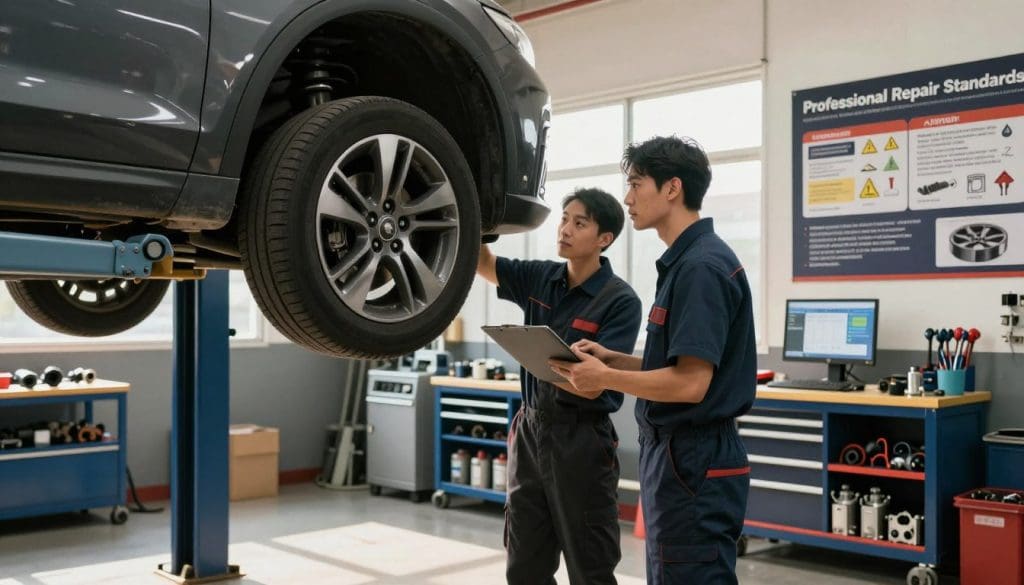
If your car vibrates at high speeds or has other issues, contact Heaven Automotive. Our team is ready to help. Visit us at 6645 Poss Rd, San Antonio, TX 78238, or call (210) 682-3898 to book your appointment today.
Conclusion
If your car vibrates at high speeds, you need to fix it fast. This article has covered many reasons for this problem. These include unbalanced wheels, bad tires, worn-out suspension, and faulty drivetrain parts.
Not fixing these vibrations can cause bigger issues. It can make your car unsafe and less efficient. The experts at Heaven Automotive can find and fix the problem. They make sure your car drives smoothly and safely.
To get your car fixed, visit Heaven Automotive at 6645 Poss Rd, San Antonio, TX 78238. Or call (210) 682-3898 to book a time. Their team offers excellent service and quality parts.