

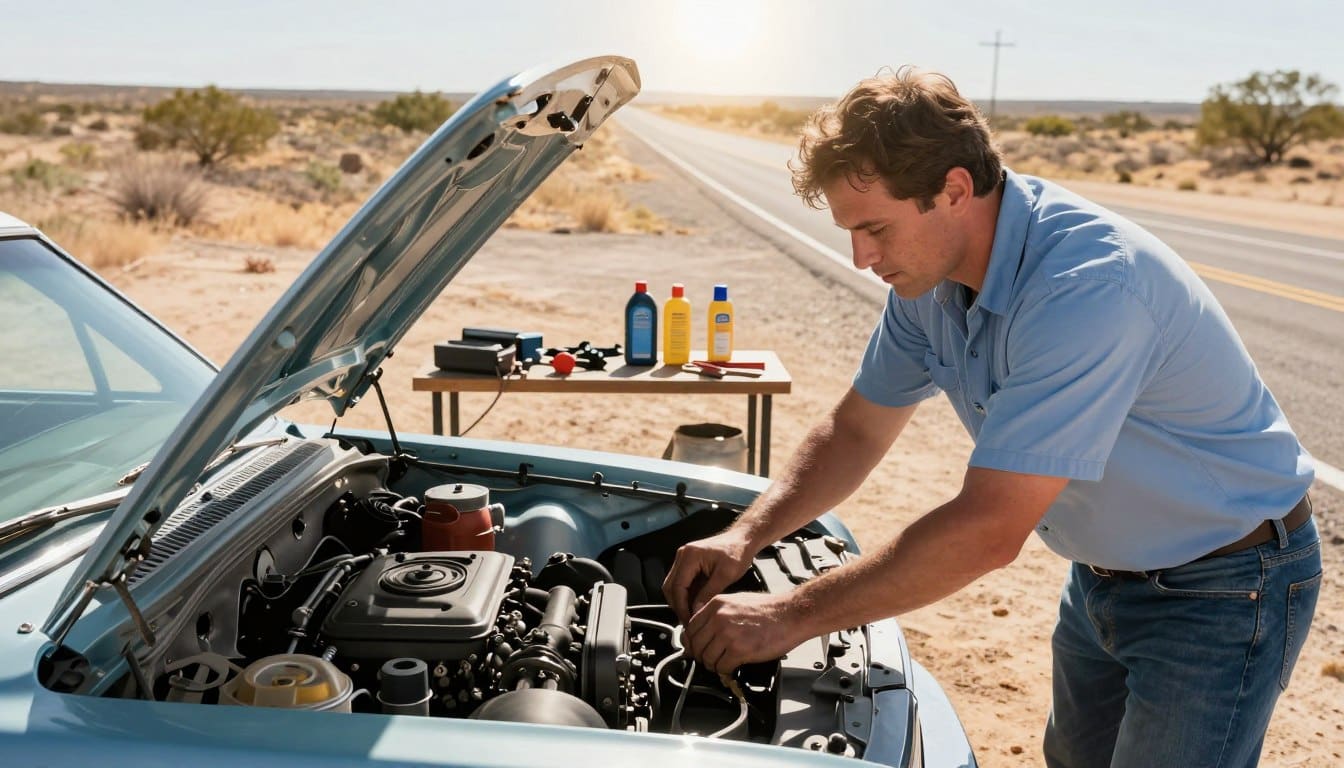
Dealing with the blazing sun in Texas can be exhausting. Your car feels the strain just as much as you do when temperatures soar.
High mercury levels often lead to unexpected breakdowns if you are not fully prepared for the season. Summer brings unique challenges that every local driver must face on the road.
Protecting your engine and cooling system is vital for safe travels on the highway. Using reliable car maintenance tips Texas heat experts recommend will help you avoid being stranded. It is important to keep an eye on fluid levels and battery health during these peak months to ensure total reliability.
A specialized checkup ensures your air conditioning stays frosty and your rubber remains safe on the asphalt. Proper summer car maintenance prevents small issues from turning into very costly repairs later on.
If you notice your ride is struggling under the sun, you can hire Heaven Automotive to fix your vehicle and restore your peace of mind. Our team helps you stay cool and safe regardless of how high the temperature climbs.
Key Takeaways
- Monitor cooling systems to prevent engine overheating during peak summer months.
- Test the battery regularly as high temperatures can shorten its overall lifespan.
- Adjust tire pressure to account for rising road surface temperatures.
- Verify that the air conditioning provides enough cooling for long drives.
- Replace cabin filters and wiper blades to prepare for sudden summer storms.
- Keep essential fluids like oil and coolant topped off to ensure smooth performance.
The Reality of Texas Summer Temperatures
The heat in Texas summers is more than just hot; it’s a big worry for car owners. High temperatures can hurt your car’s performance and increase the chance of breakdowns.
Summer temperatures in Texas can be very high. This can wear down your car. Cities like San Antonio feel even hotter because of the urban heat island effect.
Understanding the Urban Heat Island Effect in San Antonio
The urban heat island effect makes cities warmer than rural areas. In San Antonio, this is true because of its big size and lots of heat-absorbing surfaces.
This effect makes driving uncomfortable. It also hurts your car’s performance. High temperatures can make your engine work harder, drain your battery faster, and cause other problems.
Why Texas Heat Records Pose a Threat to Modern Vehicles
Texas heat records are not just uncomfortable; they’re dangerous for cars. The heat can make engine fluids degrade faster, tire pressure change, and battery life shorten.
Also, the heat can make small problems big. For example, a weak cooling system can fail, leading to expensive repairs.
To avoid these problems, focus on summer car maintenance. Check your car’s cooling system, tire pressure, and battery regularly. This can prevent breakdowns and keep your car running well all summer.
By knowing the risks of Texas summer temperatures and taking steps to prevent overheating, you can keep your car safe and comfortable to drive.
Essential Car Maintenance Tips Texas Heat Demands
The Texas heat can be tough on your car, making summer car maintenance key. Skipping summer car care can cause damage and high repair costs. It’s vital to keep your car in check during the hot summer.
Developing a Proactive Summer Inspection Schedule
Creating a summer inspection schedule is key to handling Texas heat. Check parts that heat can damage. Start with the battery, as heat shortens its life. Also, watch your tire pressure, as it changes with temperature.
Key Components to Inspect:
- Battery condition and terminals
- Tire pressure and tread depth
- Coolant levels and condition
- Brake pads and fluid levels
- Air conditioning system performance
Why Routine Checkups Prevent Costly Mid-Season Repairs
Routine checkups stop expensive repairs later. Catching problems early helps avoid big fixes. For example, a coolant flush can stop overheating and save your engine.
| Maintenance Task | Benefits | Frequency |
|---|---|---|
| Coolant Flush | Prevents overheating, corrosion | Every 30,000 miles |
| Tire Pressure Check | Improves fuel efficiency, safety | Monthly |
| Battery Inspection | Prevents unexpected failure | Every 6 months |
By following these car maintenance tips, your vehicle will stay in top shape in Texas summer. Regular checks and upkeep prevent costly repairs and keep your car running well.
How Extreme Heat Impacts Your Battery Life
Extreme temperatures, like those in Texas summers, can harm your car’s battery. The heat can make the battery fluid evaporate, causing damage inside. Knowing how heat affects your car’s battery is key to avoiding sudden failures.
The Chemistry of Battery Failure in High Temperatures
High temperatures speed up the chemical reactions in your car’s battery. Normally, the battery’s chemical reactions are:
| Chemical Reaction | Description | Effect of High Temperature |
|---|---|---|
| Sulfation | Lead sulfate crystals form on the plates | Increased rate of sulfation |
| Corrosion | Grid corrosion occurs due to the chemical reaction | Accelerated corrosion rate |
| Water Loss | Electrolyte fluid evaporates | Significant water loss |
These fast chemical reactions can shorten your battery’s life and performance. Regular checks can help spot issues early.
Signs Your Battery is Struggling Under the Texas Sun
Knowing the signs of battery trouble can help you act fast. Some common signs include:
- Slow engine crank
- Dim or flickering headlights
- Swollen battery case
- Corrosion on the terminals
Spotting these signs early can prevent being stranded. If you see any of these, get your battery checked by a pro.
Understanding how heat affects your battery and knowing the signs of trouble can help keep your car running well in Texas’s hot summers.
Cooling System Failures and Overheating Prevention
The Texas heat is tough on your car’s cooling system. It’s key to keep it working well. This system keeps your engine cool, stopping it from overheating. It’s vital for your car’s health and performance.
The Role of Coolant and Radiator Efficiency
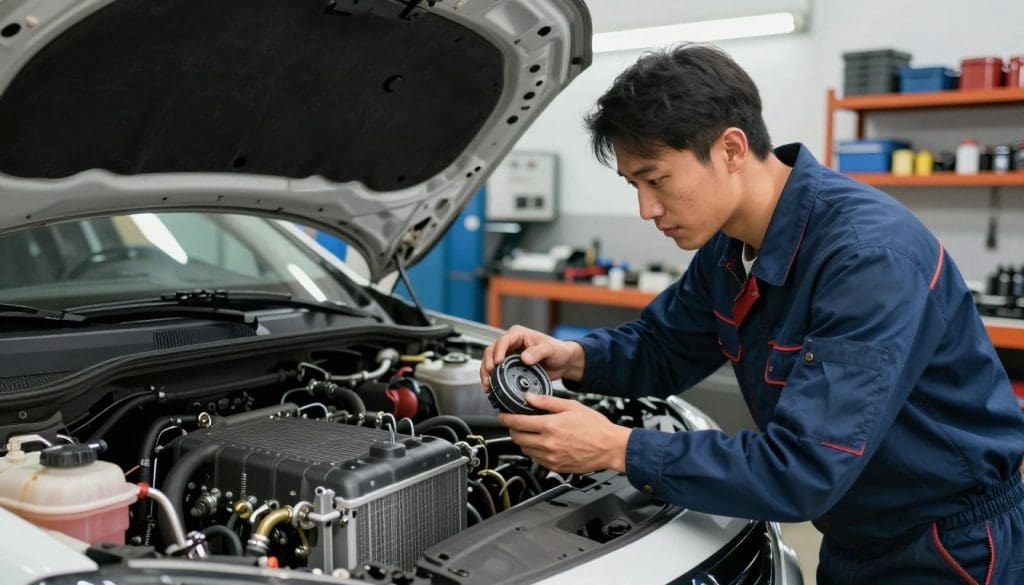
The coolant is a big part of your car’s cooling system. It moves through the engine, taking heat away and sending it to the radiator. It’s important to check the coolant level and condition regularly. Make sure it’s at the right level and mixed correctly for Texas’s climate. A clean radiator is also essential for keeping your engine cool.
Steps to Take When Your Temperature Gauge Spikes
If your temperature gauge goes up, it means your engine is getting too hot. First, turn off the air conditioning and turn on the heater to cool it down. If it’s safe, pull over and let the engine cool for a bit. Check the coolant level and look for leaks. If the problem doesn’t go away, get a pro to check your cooling system.
Stopping overheating is a big part of summer car maintenance. Knowing about coolants and radiators and what to do when your gauge goes up helps keep your car running well in Texas’s heat.
Tire Pressure Fluctuations in High Temperatures
As Texas summer heat arrives, keeping the right tire pressure is key. Temperature changes can affect tire pressure, making it expand in the heat. This can cause overinflation, leading to less traction and a higher risk of a blowout.
Temperature and tire pressure are linked: warmer air makes tires expand. For every 10°F rise, tire pressure goes up by 1-2 PSI. So, if your tire pressure is 35 PSI in cooler weather, it could hit 38-40 PSI on a hot day.
Physics of Heat-Induced Tire Expansion
The science behind tire expansion in heat is simple. The ideal gas law shows that gas pressure goes up with temperature. For tires, this means hotter air makes the air inside move faster, raising pressure.
To handle this, regularly check your tire pressure in summer. Here are some tips:
- Check your tire pressure at least once a month.
- Use a high-quality tire pressure gauge.
- Check pressure when the tires are cold, as driving can heat up the tires and give false readings.
- Adjust the pressure according to the manufacturer’s recommendations for your vehicle.
Preventing Blowouts on Hot Texas Highways
To prevent blowouts, maintain your tires and drive safely. Monitor tire pressure and also:
- Regularly inspect your tires for signs of wear and damage.
- Ensure your tires are properly aligned and balanced.
- Avoid overloading your vehicle.
- Drive at moderate speeds and avoid sudden maneuvers.
By following these tips and keeping an eye on your tire pressure, you can lower the risk of a blowout. This ensures a safer drive during Texas’s hot summer.
The Degradation of Engine Fluids and Lubricants
The Texas heat can make your engine’s fluids and lubricants break down faster. It’s key to know how this affects your car’s performance and life. Engine fluids and lubricants keep your engine healthy, and their decline can cause big problems if not fixed quickly.
High summer temperatures are a big worry for your motor oil. Motor oil is vital for lubricating engine parts, reducing friction, and stopping overheating. But, when it gets too hot, motor oil can thin out and lose its power.
How High Temperatures Thin Your Motor Oil
High heat can break down motor oil’s molecular structure. This makes the oil less thick and less good at lubricating. When motor oil gets too thin, it can’t protect your engine well. This leads to more wear and tear on moving parts. It also makes your engine work harder, which can cause it to overheat.
To fight this, check your motor oil often in the summer. Look for any changes in color or texture. If you see any bad changes, change your oil more often than usual.
Selecting the Right Viscosity for Summer Driving
Picking the right viscosity for your motor oil is key for summer driving. A higher viscosity oil can work better in hot temperatures. But, make sure it fits your car’s needs. Check your owner’s manual or talk to a mechanic to find the best oil viscosity for your car.
Also, think about using synthetic oil. It’s more resistant to breaking down in heat than regular oil. Synthetic oil can help protect and improve your engine’s performance during Texas’s hot summer.
Protecting Your Vehicle Interior and Paint
The Texas summer sun can harm your vehicle’s interior and exterior. Direct sunlight raises interior temperatures and damages materials. To keep your vehicle looking good, learn how to shield it from the sun.
Mitigating UV Damage to Dashboards and Upholstery
UV rays from the sun can damage your vehicle’s interior. They can make dashboards and upholstery fade and crack. Use a sunshade or windshield cover to block sunlight. Also, apply a UV protectant to prevent fading and cracking.
Tips for Interior Protection:
- Use a sunshade or windshield cover to block direct sunlight.
- Apply a UV protectant to your dashboard and upholstery.
- Regularly clean and condition your interior surfaces.
Preserving Your Exterior Finish Against Intense Solar Radiation
The Texas sun also harms your vehicle’s exterior. It can make paint fade and damage. Wash and wax your vehicle regularly. A good car wax protects against UV rays, keeping your paint and clear coat in great shape.
Exterior Protection Strategies:
| Method | Benefits |
|---|---|
| Regular Washing | Removes dirt and contaminants that can damage paint |
| Waxing | Provides a protective barrier against UV rays and contaminants |
| Parking in Shade | Reduces direct sun exposure |
By following these steps, you can protect your vehicle from the Texas sun. This way, it will stay in great condition for many years.
Air Conditioning System Performance and Maintenance
A working air conditioning system is key in Texas’s hot summers. It’s not just a luxury, but a must for comfort while driving.
Your car’s air conditioning keeps you cool, even in Texas’s heat. Regular checks are key to avoid breakdowns and keep it running well.
Identifying Refrigerant Leaks and Compressor Issues
Leaks and compressor problems can hurt your air conditioning. A leak makes it less cool, while a bad compressor can stop it working.
Watch for signs like:
- Less air from the vents
- Warm air from the vents
- Leaks around the air conditioning parts
- Strange noises from the compressor
Common Causes of Refrigerant Leaks:
| Cause | Description | Impact |
|---|---|---|
| Corrosion | Moisture and salt can corrode the refrigerant lines and components. | Leaks and system failure |
| Physical Damage | Accidents or road debris can damage the air conditioning components. | Immediate refrigerant loss |
| Wear and Tear | Seals and hoses deteriorate over time. | Gradual refrigerant loss |
Optimizing Cabin Cooling for Maximum Comfort
To keep your cabin cool, maintain your air conditioning. Check the refrigerant, look for leaks, and change the cabin air filter when needed.
Additional Tips for Maximum Comfort:
- Park in shaded spots when you can.
- Use a sunshade to block the sun.
- Avoid big temperature changes.
- Use the recirculation feature to cool faster.
By following these tips and keeping your air conditioning in check, you’ll stay cool and comfortable, even on Texas’s hottest days.
Electrical System Vulnerabilities During Heatwaves
As Texas heats up, your car’s electrical system faces more risks. High temperatures can lead to small problems or big breakdowns. Knowing these risks helps keep your car running well and saves you money.
Heat affects your car’s electrical system a lot. It can damage wiring, cause bad connections, and harm electronics. We’ll talk about how to keep your car’s electrical system safe during heatwaves.
How Heat Accelerates Wiring Insulation Decay
High temperatures speed up wiring insulation decay. This can lead to exposed wires, short circuits, and more. The engine and other parts can make this problem worse.
Wiring insulation decay comes from several things:
- Prolonged exposure to high temperatures
- UV radiation from the sun
- Physical stress on the wiring
Regularly check your car’s wiring for damage. Look for cracks or frays in the insulation. Fix any problems right away.
| Signs of Wiring Insulation Decay | Description | Recommended Action |
|---|---|---|
| Cracks or frays in insulation | Visible damage to the wiring insulation | Inspect and repair or replace wiring as needed |
| Short circuits | Electrical surges or sparks | Identify and repair the source of the short circuit |
| Intermittent electrical issues | Flickering lights, erratic gauge readings | Inspect wiring and connections for signs of damage |
Protecting Sensitive Sensors and Electronic Control Units
Your car’s electrical system has many sensitive parts. These parts are key to your car’s safety and performance. But, they can get damaged by heat.
To keep these parts safe, do the following:
- Ensure proper cooling system function to prevent overheating
- Keep your vehicle’s electrical system clean and free of debris
- Avoid exposing your vehicle to extreme temperatures for extended periods
By following these steps and staying alert, you can protect your car’s electrical system from heat damage. Regular checks and maintenance are important to catch and fix problems early.
Recognizing Early Warning Signs of Heat Damage
As Texas summer heat gets hotter, your car’s health depends on spotting early signs of heat damage. The heat can damage your car’s parts, leading to expensive fixes if not fixed quickly.
Being proactive about summer car maintenance is key. It’s more than just regular checks. You need to know how heat affects your car’s parts.
Interpreting Unusual Noises and Odors
Unusual noises and smells can mean heat damage. For example, a grinding noise when braking might mean your brake pads are overheating. A sweet smell could mean a coolant leak, while a burning smell might mean your engine or electrical parts are too hot.
It’s important to notice these signs and act fast. Ignoring them can lead to bigger problems, like engine failure or a breakdown.
| Symptom | Possible Cause | Action |
|---|---|---|
| Grinding noise when braking | Overheating brake pads | Inspect brake pads and rotors |
| Sweet, syrupy smell | Coolant leak | Check coolant level and look for leaks |
| Burning odor | Overheating engine or electrical components | Check engine temperature and inspect electrical components |
Dashboard Warning Lights You Should Never Ignore
Modern cars have dashboard lights to warn you of problems. In Texas’s hot summer, it’s important to know what these lights mean and how to react.
The temperature warning light is very important. If it turns on, your engine is overheating. Pull over right away to let it cool.
- Check Engine Light: Shows a problem with the engine or emissions. It might be small, but it’s best to check it.
- Oil Can Light: Means your oil pressure is low. This could be from low oil or a failing oil pump.
- Battery Light: Means your charging system is having trouble. This can happen in the hot weather.
Knowing and acting on these warning lights is key to car care in hot weather. It helps prevent small problems from becoming big repairs.
Emergency Preparedness for Texas Roadside Breakdowns
Summer driving in Texas means you need a reliable car and an emergency kit. It’s key to be ready for breakdowns, as the heat can make things worse.
Essential Items to Keep in Your Trunk
Make sure your trunk has the right stuff for a breakdown. You’ll need:
- A spare tire and tools to change it
- Jumper cables
- A first aid kit
- Reflective triangles or flares
- Water and snacks that won’t spoil
- A charged phone with a charger
- A basic toolkit (with pliers, screwdrivers, and wrenches)
Having these items can make a big difference if you break down.
Safety Protocols for Waiting for Assistance in High Heat
If you break down, safety is the top priority. Here’s how to stay safe:
- Move to a safe spot: Try to get off the road or to a parking area to avoid getting hit.
- Stay visible: Use hazard lights, triangles, or flares to warn others.
- Stay cool: If you can’t fix it right away, stay in the shade or in your car with AC on. Don’t do too much.
- Hydrate: Drink water often to avoid getting dehydrated.
- Call for help: Use your phone to call for roadside help or emergency services if needed.
Being prepared and knowing what to do can help you stay safe during Texas summer breakdowns.
Long-Term Effects of Repeated Heat Exposure
As Texas summer ends, think about how heat affects your car. The heat can wear down parts, leading to early failures if not fixed.
Heat can damage hoses, belts, and seals in your car. Knowing this helps keep your car running well and avoids expensive fixes later.
Cumulative Wear on Hoses, Belts, and Seals
Summer heat in Texas makes car parts wear out faster. This can cause cracks, leaks, and failure, leaving you stranded or costing a lot to fix.
Check these areas:
- Hoses for cracks or brittleness
- Belts for frays, cracks, or wear
- Seals for leaks or deterioration
| Component | Signs of Wear | Consequences of Failure |
|---|---|---|
| Hoses | Cracks, brittleness, leaks | Coolant or fluid leaks, overheating |
| Belts | Frays, cracks, excessive wear | Loss of engine power, accessory failure |
| Seals | Leaks, deterioration | Fluid leaks, contamination |
The Importance of Post-Summer Inspections
After summer, check your car for heat damage. This can stop unexpected breakdowns and keep your car in top shape.
Your mechanic should look for wear, check the cooling system, and check fluids. Car care in hot weather means regular checks to avoid overheating.
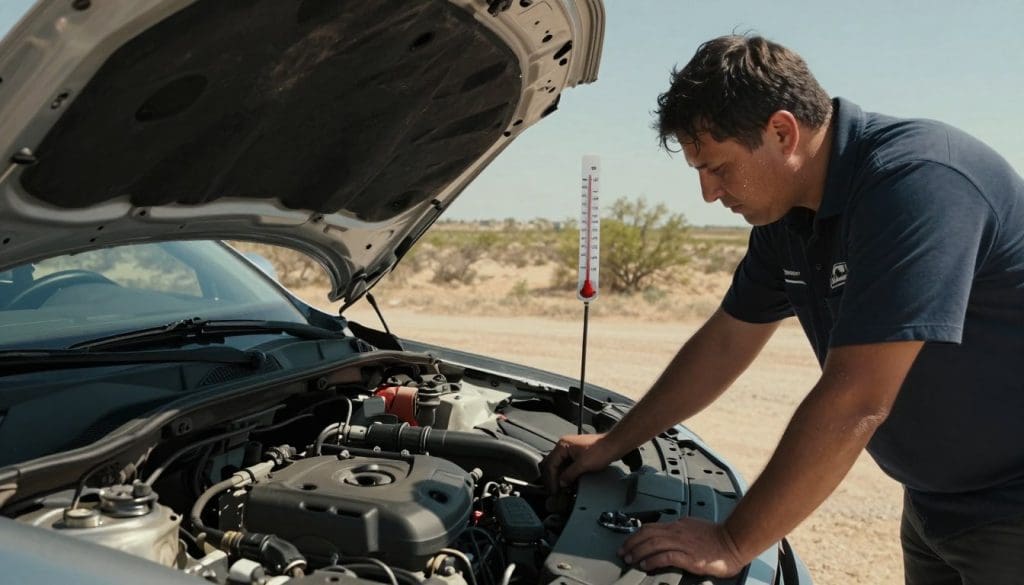
Understanding heat damage and proactive care can save your car’s life. Overheating prevention is key to keeping your car healthy.
Conclusion
The Texas summer heat can be tough on your car. High temperatures can lead to battery failure, cooling system issues, and tire pressure problems. It also affects engine fluids. Regular car maintenance is key to avoid these problems and keep your car running well.
Following the tips in this article helps protect your car’s interior and paint. It also keeps the air conditioning working right and spots heat damage early. Good maintenance boosts your car’s performance and makes it last longer.
If the Texas heat is hurting your car, act fast. Heaven Automotive is ready to help. Their skilled team can check your car thoroughly and fix any issues. You can find Heaven Automotive at 6645 Poss Rd, San Antonio, TX 78238, or call (210) 682-3898 to book a visit.
By taking care of your car during the summer, you’ll have a safe and comfy drive. Enjoy the hot Texas summer without worrying about your car.