

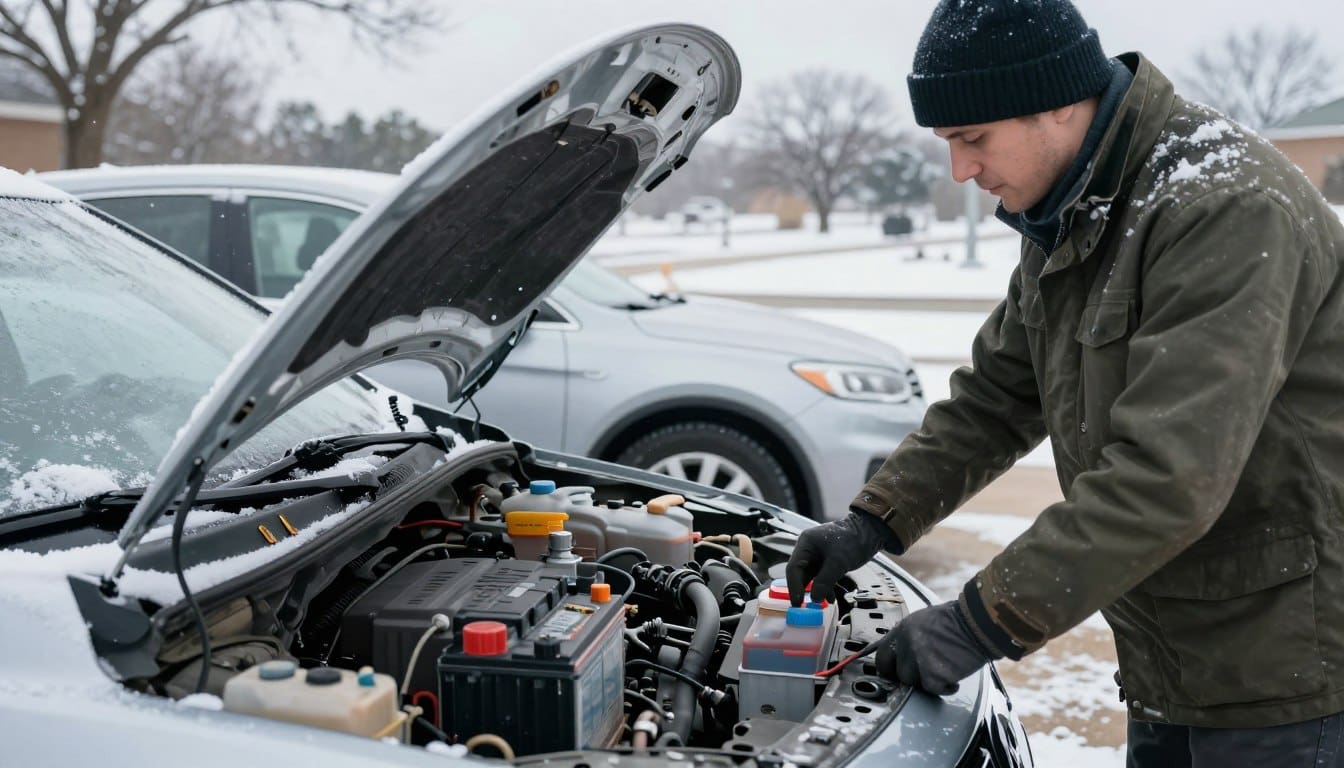
When it gets colder in Texas, your car faces special challenges. Even though it’s not freezing, the cold can make your engine work harder. By taking care of your car in the cold, you avoid unexpected problems on the road.
By taking proactive steps, you can stay safe on the road. Many people wait until it freezes to check their car. But, by doing the right winter tasks, you can keep your car running smoothly.
Checking your tires and battery is key to avoid getting stuck. A little work now can save you from expensive repairs later. Staying prepared means less stress when the frost hits your windshield.
You should have a car that handles the weather without worry. Our experts know what local drivers need for the changing seasons. Let Heaven Automotive fix your car and offer top-notch maintenance today.
Key Takeaways
- Verify your battery’s health and total charge.
- Monitor tire pressure for significant temperature drops.
- Inspect and flush all vital engine fluids.
- Test the heating and defrosting systems for efficiency.
- Replace old windshield wiper blades for better visibility.
- Check all exterior lighting to ensure safety at night.
Understanding the Unique Challenges of Texas Winters
Texas winters might be milder than in other parts of the country. But, they can pose unique challenges for car owners.
Temperatures in Texas don’t drop as low as in northern states. But, the occasional cold snaps can affect your car’s performance and lifespan.
Why Mild Winters Can Impact Vehicle Performance
Even with milder winters, Texas’ temperature changes can cause car issues.
Cold weather car care is key. Cooler temperatures can affect your car’s battery, tire pressure, and fluid flow.
Batteries can lose up to 20% of their power in cold weather. Underinflated tires can reduce traction and increase stopping distances.
Though Texas winters are not as cold as others, occasional freezes can cause big problems. This is if your car isn’t well-maintained.
Regular winter vehicle maintenance checks can spot problems early. This can prevent major issues later on.
The Myth of Ignoring Seasonal Maintenance in Southern Climates
Many think you don’t need seasonal maintenance in southern climates like Texas. This is because winters are mild.
This is a big mistake.
Seasonal maintenance is essential in any climate. It prevents wear and tear that can lead to expensive repairs.
Ignoring maintenance can hurt your car’s performance, reduce fuel efficiency, and pose safety risks.
By keeping up with your car’s maintenance, it will run smoothly all year. Not just in warmer months.
Regular checks, even in mild winters, help prevent problems. This includes checking your battery, tire pressure, and fluids. Also, make sure belts and hoses are in good shape.
Essential Car Maintenance Winter Protocols for San Antonio Drivers
San Antonio’s mild winters might make you forget about car maintenance. But, even without snow, keeping your car in check is key. It helps your vehicle stay in top shape.
As the weather changes, so do your car’s needs. Adjusting your service schedule is important. Here are some key areas to focus on:
Adapting Your Service Schedule for Temperature Fluctuations
Temperature changes can affect your car’s performance. To adjust your service schedule:
- Check your battery to ensure it’s in good condition, as cold weather can affect its performance.
- Verify your antifreeze levels are adequate to protect your engine from freezing temperatures.
- Inspect your windshield wipers and replace them if necessary to maintain clear visibility.
- Check your fluid levels, including engine oil, transmission fluid, and brake fluid.
- Ensure your headlights and hazard lights are functioning properly.
- Test your heater and defroster to ensure they’re working correctly.
- Check your brakes for any signs of wear or damage.
- Monitor your tire pressure and tread depth, as underinflated tires can lead to reduced traction.
Why Routine Inspections Prevent Mid-Season Breakdowns
Routine inspections are key to avoiding unexpected breakdowns in winter. They help spot problems early, so you won’t get stuck on the side of the road.
Some benefits of routine inspections include:
- Early detection of worn or damaged parts, allowing for timely replacements.
- Improved vehicle performance and fuel efficiency.
- Enhanced safety on the road, reducing the risk of accidents.
By following these winter car maintenance tips, you can keep your vehicle reliable and safe all season long.
Battery Health and Cold Weather Performance
Knowing how cold weather affects your car’s battery is key to avoiding breakdowns. As winter comes, make sure your battery is ready to avoid being stuck.
Cold weather can really hurt your car’s battery. Battery cold weather is a big worry because it makes it harder for the battery to charge and start the engine.
Identifying Signs of a Weakening Battery
A weak battery shows signs you should watch for. These include:
- Dim or flickering headlights
- Slow engine crank when starting
- Swollen or bloated battery case
- Age of the battery (typically more than 3 years)
If you see these signs, test your battery. Testing early can prevent a dead battery on a cold winter morning.
How Temperature Swings Affect Lead-Acid Battery Chemistry
Most car batteries are lead-acid, and cold weather hurts them. Cold slows down the battery’s chemical reactions, making it less powerful.
| Temperature (°F) | Battery Capacity (%) | Cranking Power (%) |
|---|---|---|
| 80 | 100 | 100 |
| 32 | 85 | 65 |
| 0 | 65 | 40 |
| -20 | 45 | 20 |
The table shows cold weather cuts battery capacity and power. This is why keeping your battery in good shape is important in winter.
To keep your car going in the cold, check your battery connections. If your battery is old or weak, test it or replace it before winter.
Tire Pressure and Traction Management
Winter driving requires careful attention, mainly to tire pressure and traction. Keeping your tires in good shape is key for safety and performance in the cold.
The Impact of Cold Air on Tire Inflation Levels
Cold weather can lower tire pressure. For every 10°F drop, pressure can fall by 1-2 PSI. This can cause less grip, higher risk of tire blowout, and lower gas mileage.
It’s important to check your tire pressure often. Look in your car’s manual for the right pressure. Use a good tire pressure gauge to make sure your tires are at the right level.
| Temperature (°F) | Tire Pressure Change (PSI) |
|---|---|
| 70 | 0 |
| 60 | -1 |
| 50 | -2 |
| 40 | -3 |
| 30 | -4 |
Checking Tread Depth for Unexpected Winter Rain
Good tread depth is essential for grip on wet roads. Texas winters can surprise us with rain. So, make sure your tires have enough tread.
To check tread depth, use a penny. Place it in the tire groove with Lincoln’s head down. If you see the top of his head, your tread is too low. It’s time for new tires.
Cooling System Integrity During Seasonal Transitions
Seasonal changes can be tough on your car’s cooling system. It needs extra care to keep running well. As temperatures change, your car’s cooling system works harder to keep the engine cool. It’s key to keep it in good shape to avoid engine damage and keep your car healthy.
Why Antifreeze Levels Matter Even in Texas
Antifreeze, or coolant, is vital for your engine’s temperature. Even in Texas, where winters are mild, it’s important. Low antifreeze levels can cause engine overheating, corrosion, and damage to the cooling system. Always check and top off your antifreeze levels.
Choosing the right antifreeze is also key. Check your owner’s manual to find out what type is best for your car. Some cars need special antifreeze for different temperatures.
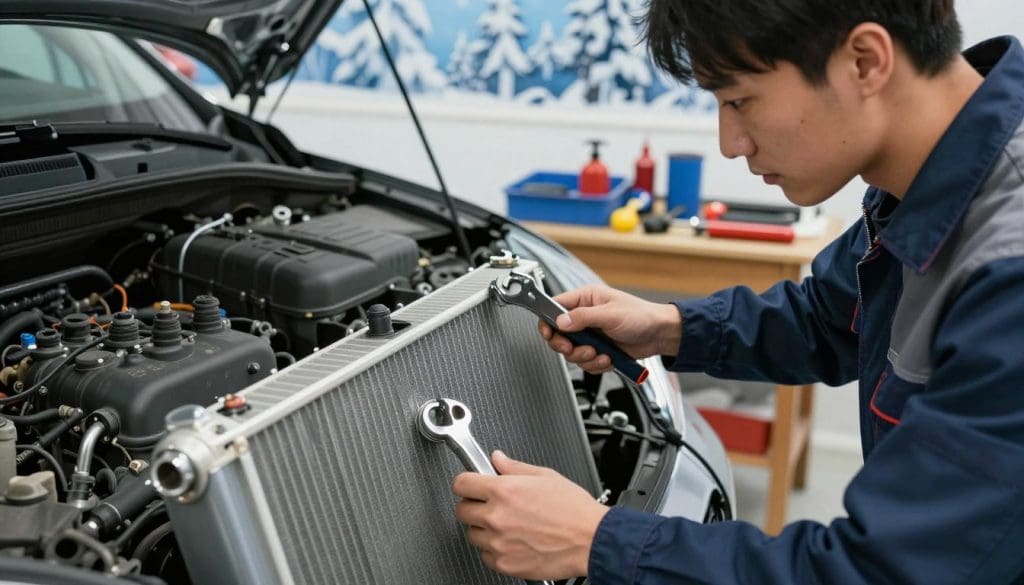
Inspecting Hoses and Belts for Cracking
It’s also important to check your cooling system’s hoses and belts. These can crack and wear out over time, causing leaks and problems. Regular checks can spot issues early.
- Look for cracks, frays, or leaks in hoses.
- Check belts for wear, cracks, or too much wear.
- Replace any damaged or worn-out hoses and belts to keep your cooling system working right.
Keeping your cooling system in good shape ensures your car runs smoothly all year. Regular checks and maintenance can prevent expensive repairs and keep your car in great condition.
Visibility and Lighting Safety
As winter gets closer, it’s more important than ever to see clearly while driving. Rain, fog, and ice can make it hard to see and be seen. This is a big safety issue on the roads.
Replacing Worn Wiper Blades Before the First Freeze
Your windshield wipers are key to clear vision in winter. Look for cracks, tears, or if they’re not wiping well. Replacing them before the first freeze is a must for clear views in rain or snow. Think about getting winter wiper blades for better ice and snow handling.
Don’t forget to check your windshield wiper fluid too. Use winter-grade fluid to stop it from freezing. This keeps your wipers working well.
Ensuring Headlight Clarity for Foggy Mornings
Clear headlights are vital for being seen by others, even in fog or low light. Check all your lights, including headlights, brake lights, and turn signals. Replace any that are dim or out to stay safe. Clean your headlights often to remove dirt and keep them bright.
- Inspect your headlights for any signs of damage or wear.
- Replace burnt-out bulbs promptly to maintain safety.
- Consider upgrading to LED bulbs for improved visibility and longevity.
For more tips on windshield wipers, visit Heaven Automotive’s guide on replacing windshield wipers for safer driving.
Fluid Levels and Engine Lubrication
To keep your vehicle running smoothly in cold weather, it’s vital to check and maintain appropriate fluid levels. Engine lubrication is a critical aspect of your car’s overall health. Winter conditions can put additional stress on your engine.
Choosing the Right Oil Viscosity for Changing Temperatures
Selecting the correct oil viscosity is key for maintaining optimal engine performance during temperature changes. Thicker oils are more suitable for higher temperatures, while thinner oils perform better in cold conditions. Consult your owner’s manual to determine the recommended oil viscosity for your vehicle.
Key considerations when choosing oil viscosity include:
- Cold-weather starting performance
- Fuel efficiency
- Engine wear protection
Monitoring Brake and Power Steering Fluid Levels
In addition to engine oil, other essential fluids require regular checks. Brake fluid and power steering fluid levels should be monitored to ensure your vehicle’s safety and performance. Low fluid levels can lead to decreased braking efficiency and steering responsiveness.
To maintain optimal fluid levels:
- Check your owner’s manual for the recommended fluid types and levels.
- Regularly inspect fluid levels and top them off as needed.
- Look for signs of leaks or contamination, such as unusual colors or consistency.
By prioritizing fluid levels and engine lubrication, you can help ensure your vehicle remains reliable and efficient throughout the winter season.
Brake System Reliability
Your car’s ability to stop safely in winter depends on a good brake system. As winter approaches, it’s key to focus on parts that keep you safe on the road.
A reliable brake system is not just about safety. It also keeps your car running well. Winter’s rain, ice, and snow add stress to your brakes. So, keeping them in good shape is even more important.
Recognizing Warning Signs of Worn Brake Pads
Worn brake pads can hurt your car’s braking. Knowing the signs is important. Look out for:
- Squealing or grinding noises when you apply the brakes
- A spongy brake pedal or one that vibrates when pressed
- Visible wear on the brake pads when you inspect them
If you see these signs, replace your brake pads quickly. This keeps your car’s braking efficiency up.
The Importance of Brake Fluid Flushes
Brake fluid is key to your car’s brakes. It helps transfer pressure to the brake calipers. But, over time, it can get dirty and lose its power.
A brake fluid flush replaces old fluid with new, clean one. This:
- Removes contaminants and moisture that can cause corrosion
- Keeps the brake fluid’s viscosity right
- Guarantees consistent braking
Regular brake fluid flushes are vital for your car’s brakes, more so in winter. Consistent performance is a must.
Emergency Kit Essentials for Texas Roads
Having the right supplies in your car is key when facing unexpected winter conditions on Texas roads. An emergency kit is a collection of items that can help you deal with common roadside issues. This includes a dead battery or being stranded in cold weather.
Must-Have Items for Your Trunk
Your emergency kit should include a variety of essentials. These items help you handle different situations. Some of the most important items to include are:
- A blanket or emergency blanket to stay warm
- A flashlight and extra batteries for visibility
- Jumper cables to jump-start your car
- A shovel for digging out of snow or mud
- Non-perishable snacks and water to sustain you
- A first aid kit for treating minor injuries
These items can significantly improve your chances of staying safe until help arrives.
Preparing for Roadside Assistance Delays
In the event of a breakdown, roadside assistance may not always be immediate. It’s important to be prepared to wait. Keeping your emergency kit well-stocked and easily accessible can make a big difference in your comfort and safety.
Consider the delays and pack enough supplies. This includes food, water, and warmth to last several hours. By being prepared, you can reduce the stress and risk of being stranded.
Protecting Your Vehicle Exterior from Seasonal Elements
As winter comes, it’s vital to protect your car’s outside. The weather can cause damage that might cost a lot to fix if not handled right.
Winter weather conditions in Texas, like freezes and more moisture, can harm your car’s outside. Knowing how they affect your car helps you take the right steps to protect it.
The Benefits of Waxing Before Winter
Waxing your car before winter adds a protective layer. A good wax job keeps your car’s paint safe from salt, moisture, and debris common in winter.
Waxing creates a barrier that stops water from sticking, lowering the chance of rust and paint damage. It also makes your car look newer for longer.
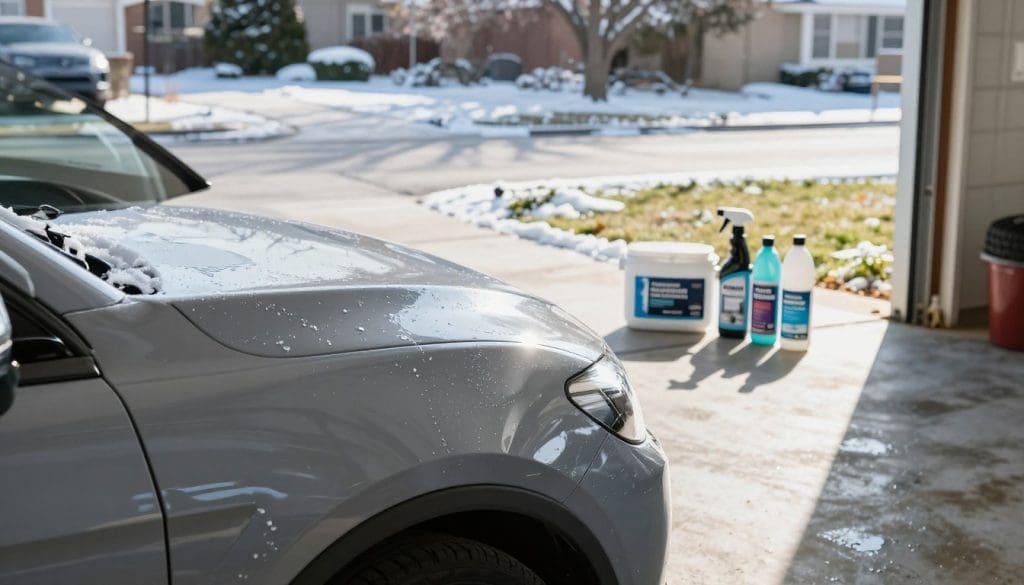
Managing Dust and Debris Accumulation
Dust and debris can scratch and damage your car’s paint. Washing it regularly stops this buildup.
Use a mild detergent when washing your car. Avoid high-pressure washes that can harm the paint. Dry your car well after washing to prevent water spots.
Additional Tips:
- Regularly check your car’s outside for damage or wear.
- Think about using a paint sealant for extra protection.
- Park your car in a covered spot when you can to lessen weather exposure.
Fuel System Maintenance and Efficiency
To keep your vehicle running smoothly in the cooler months, focus on fuel system maintenance. Cold weather can harm your car’s fuel system, causing it to run less efficiently.
Moisture buildup in the fuel tank is a big concern in winter. If the tank is not full, moisture can mix with the fuel. This can cause fuel line freeze-ups and corrosion in the fuel system.
Preventing Moisture Buildup in Your Fuel Tank
To avoid moisture problems, keep your tank at least half full. Running on a nearly empty tank in cold weather can lead to moisture in the fuel lines. Using a fuel additive to fight moisture is also helpful.
Optimizing Fuel Economy During Cooler Months
To improve fuel economy in the cooler months, keep your fuel system clean. Regularly check and replace the fuel filter to ensure good fuel flow and efficiency.
Driving habits also play a big role in fuel economy. Avoid sudden acceleration, drive at a steady speed, and remove extra weight from the trunk. These actions can help improve fuel efficiency in winter.
By taking care of your fuel system maintenance and driving smarter, your vehicle will run well in the cold. This saves you money on fuel and reduces the chance of unexpected breakdowns.
Electrical System Diagnostics
A well-working electrical system is key for your car’s performance, more so in cold winter months. Keeping your car’s electrical parts in check can stop many problems. These range from dim lights to total system failures.
Checking Alternator Output and Charging Systems
The alternator is vital for charging your car’s battery and running its electrical systems. Use a multimeter to check the alternator’s output. It should show a voltage between 13.5 and 14.5 volts when the engine is on.
Addressing Dimming Lights and Dashboard Warnings
Dimming lights and dashboard warnings often point to electrical system issues. These can be due to a failing alternator, loose or corroded connections, or a weak battery. It’s important to fix these problems quickly to avoid bigger issues.
Some common signs your electrical system needs a check include:
- Dim or flickering headlights
- Dashboard warning lights illuminating
- Slow engine crank or failure to start
- Malfunctioning accessories (e.g., radio, wipers)
To keep your car’s electrical system in top shape, regular checks are essential. This means checking the alternator and fixing any problems shown by dim lights or dashboard warnings. Being proactive helps keep your car running well all winter.
The Role of Professional Inspections at Heaven Automotive
At Heaven Automotive, our team offers detailed inspections to ensure your car is ready for cold weather. As it gets colder, your car’s systems work harder. This makes regular checks by experts key for safety and reliability.
Why Expert Eyes Catch What Drivers Miss
Our skilled technicians at Heaven Automotive can spot problems before they get big. Our inspections focus on important parts like brakes, suspension, and electrical systems. This makes sure your car is ready for winter.
Many drivers miss small signs of wear and tear. But our experts can spot these issues. A slight drop in performance or a faint sound can mean a big problem. Fixing these early saves you from expensive repairs later.
Utilizing Advanced Diagnostic Tools for Accurate Repairs
Heaven Automotive uses the latest diagnostic tools for precise checks. Our advanced tools help find problems that might not show up in a simple look-over.
| Diagnostic Tool | Purpose | Benefit |
|---|---|---|
| Advanced Scanner | Reads engine and system codes | Accurate diagnosis of complex issues |
| Multimeter | Measures electrical voltage and current | Identifies electrical system faults |
| Pressure Tester | Checks cooling system integrity | Prevents overheating and damage |
With these advanced tools, Heaven Automotive makes sure your car gets the best repairs. This keeps you safe on the road all winter.
Common Winter Driving Hazards in San Antonio
The Texas winter might seem mild, but it brings its own driving dangers. San Antonio’s winters are usually milder than other places. But, cold fronts can make the roads very dangerous.
Navigating Slick Roads After Light Freezes
When it gets colder, even a little, the roads can get slippery. This is true in shaded spots or on bridges. Slow down to stay safe.
Avoid sudden stops and sharp turns. These can make your car slide. If you start to slide, steer in the direction of the slide to get back in control.
Keep a safe distance from the car in front of you. Stopping takes longer on slippery roads. If there’s ice, you’ll need three times as much space to stop.
- Reduce your speed and avoid sudden movements.
- Increase your following distance to account for longer stopping times.
- Steer in the direction of a skid to regain control.
Defensive Driving Techniques for Unpredictable Weather
Defensive driving is essential in San Antonio’s unpredictable winter weather. Stay alert, watch for dangers, and try to avoid them. Don’t tailgate because it makes stopping harder and increases crash risk.
Make sure your car has good tires with enough tread. Check your tire pressure often. Cold air can lower it. By being ready and driving carefully, you can lower your risk of accidents.
Conclusion
Following these winter car maintenance tips will keep your vehicle reliable and safe. Regular checks and maintenance can prevent common winter problems. This ensures your car performs well.
For professional help, visit Heaven Automotive at 6645 Poss Rd, San Antonio, TX 78238. You can also call them at (210) 682-3898. Their expert technicians can spot and fix issues before they get worse.
Stay ahead with your car’s maintenance for a safer winter drive. Visit Heaven Automotive to schedule your appointment. They offer advanced diagnostic tools and expert services.