

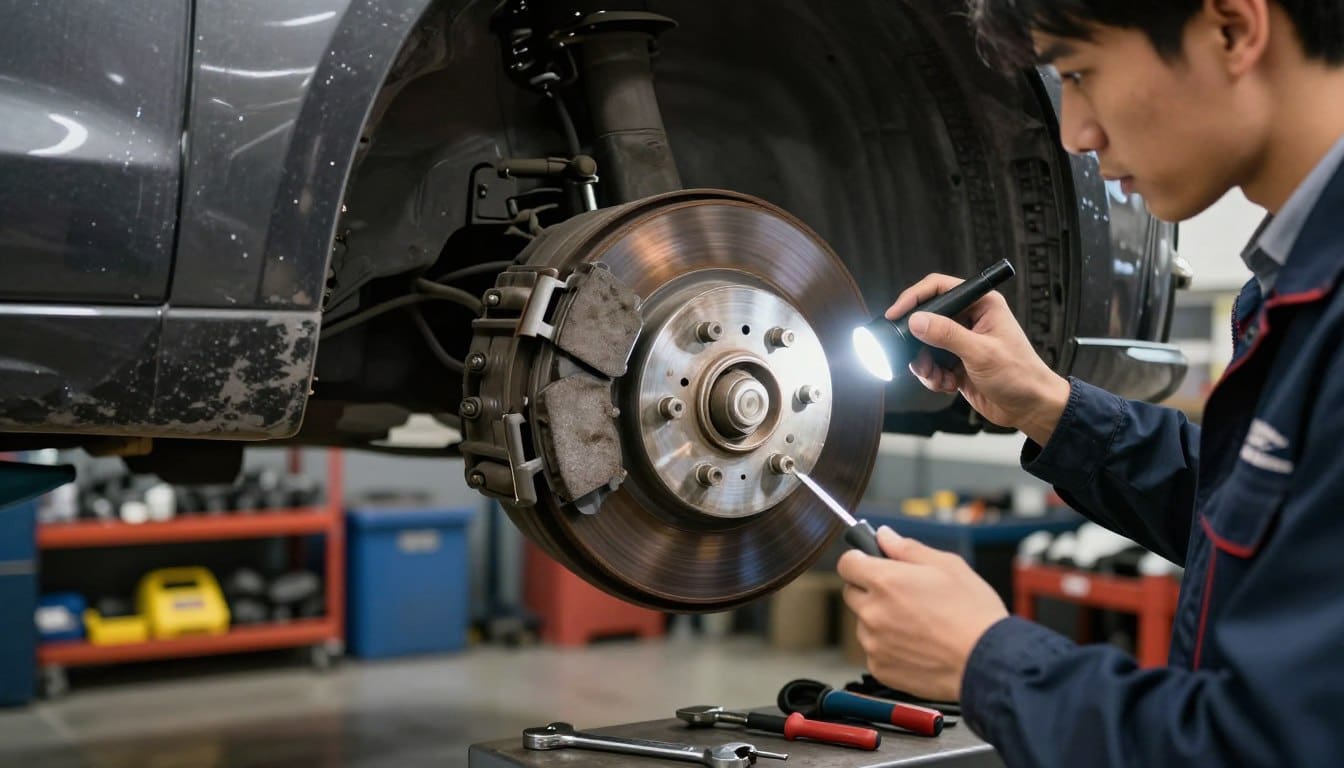
When you press the brake pedal, a loud squeal might sound. This noise is a warning for your safety. Often, it’s because your worn brake pads have lost their friction material.
Driving in San Antonio, you expect your car to stop quietly. But if you hear grinding or screeching, it means parts are rubbing without protection. Getting a professional brake noise repair can prevent damage to your rotors and keep your ride smooth.
Heaven Automotive knows strange sounds can worry drivers. We care about your safety and answer all your car questions. We use top-quality parts to make your brakes work smoothly and quietly again.
If your car smells bad or vibrates when you stop, come see us at 6645 Poss Rd. San Antonio, TX 78238. Or call (210) 682-3898 to talk about your car issues. Hire Heaven Automotive to fix your vehicle and feel safe on the road again.
Key Takeaways
- High-pitched squealing often indicates thin friction material.
- Metallic grinding sounds suggest direct metal-on-metal contact.
- Burning smells usually signal overheating components in the system.
- Early diagnostics help avoid expensive damage to the rotors.
- Vibrations in the pedal require immediate professional attention.
- Heaven Automotive provides expert inspections in San Antonio.
Understanding the Mechanics of Brake Noise Repair
The science behind brake noise repair is all about friction and parts. Your brakes stop your car by using friction. When you press the brake pedal, the pads squeeze the rotors to slow down.
But, over time, friction, heat, dust, and wear can cause squealing or grinding. This can damage the brake rotors if not fixed quickly.
The Physics of Friction and Stopping Power
Friction is key to stopping your car. When brake pads meet rotors, friction slows it down. But, this also makes heat, which can harm the brakes.
The better the brake pads and rotors, the better the stopping. Worn-out parts can make stopping dangerous.
Why Noise Indicates a System Imbalance
Brake noise usually means something’s off in the braking system. This could be worn parts, misaligned items, or dirt. For example, if brake pads wear down, they don’t grip the rotors right, making noise.
| Cause of Noise | Description | Potential Consequence |
|---|---|---|
| Worn-out Brake Pads | Insufficient pad material left to effectively grip the rotor. | Reduced stopping power, potentially rotor damage. |
| Misaligned Brake Calipers | Improper alignment causing uneven wear on brake pads. | Noise during braking, uneven pad wear. |
| Contaminated Brake Components | Presence of debris or rust on brake parts. | Brake noise, reduced braking efficiency. |
Knowing how brakes work is key for good brake repair service. Spotting the noise’s cause helps fix it. This keeps your brakes working well and safely.
The Anatomy of Your Vehicle Braking System
Your vehicle’s braking system has several key parts that work together for safe stopping. Knowing how these parts function is key to maintaining and repairing your brakes.
There are two main types of braking systems in cars: disc brakes and drum brakes. Disc brakes are more common today and use a rotor attached to the wheel hub. When you press the brake pedal, brake pads press against the rotor to slow or stop the car.
How Calipers and Pads Work Together
In disc brake systems, calipers are very important. They hold the brake pads and press them against the rotor when you press the brake pedal. Brake pads wear down over time and need to be replaced to keep brakes working well.
The caliper’s piston moves out when you press the brake pedal. This pushes the brake pads against the rotor, creating friction to slow the car. The caliper’s design ensures the pads are in the right place and make good contact with the rotor.
The Function of Rotors and Drums
Rotors are key in disc brake systems. They handle the heat from the friction between the brake pads and the rotor. Over time, rotors can wear or get damaged, leading to brake rotor damage. This damage can show as excessive wear, warping, or scoring on the rotor’s surface.
Drum brakes work differently. They have a drum attached to the wheel hub and brake shoes that press against the drum’s inner surface when you press the brake pedal. While drum brakes are less common today, they are used in some cars for the rear wheels.
| Component | Function | Common Issues |
|---|---|---|
| Calipers | House brake pads and press them against the rotor | Sticking or seized calipers |
| Brake Pads | Create friction against the rotor to slow the vehicle | Worn brake pads |
| Rotors | Provide a surface for brake pads to friction against | Brake rotor damage (warping, scoring) |
| Drums | Provide an inner surface for brake shoes to friction against | Excessive wear, rust |
Why Your Brakes Start Squeaking
The squeak of your brakes is more than a minor annoyance. It’s a warning that needs your attention. Squeaky brakes often point to worn-out brake pads as the main culprit.
The Wear Indicator Warning System
Most cars today have a wear indicator system. It alerts you when brake pads get too thin. This system uses a small metal tab that touches the rotor, making a squealing sound when pads are worn.
Worn brake pads are a common reason for squeaking brakes. As pads wear down, the metal tab scrapes against the rotor, making noise. This is a clear sign it’s time for a brake noise repair or new brake pads.
Vibration and Resonance in Brake Components
Brake squeaking can also be caused by vibration and resonance in brake parts. When parts vibrate or resonate, they make noise. This can happen due to worn-out or loose brake parts.
To fix this, you need to check the brake system carefully. Look for any loose or worn parts causing the vibration. Fixing or replacing these parts can help reduce brake squeaking caused by vibration and resonance.
The Dangers of Ignoring Grinding Brake Sounds
When your brakes start grinding, it’s a serious problem that needs quickbrake repair service. Grinding sounds are more serious than squeals and usually mean your brakes are badly worn or damaged. If you ignore these signs, you could damage your vehicle’s brakes even more.
Grinding brake noises happen when brake pads wear down to the metal backing plate. This makes them rub against the rotors. This metal-on-metal contact can damage both the pads and rotors, leading to expensive repairs.
Metal-on-Metal Contact Explained
Metal-on-metal contact occurs when brake pads wear out completely. The metal backing plate then touches the rotor. This can cause:
- Deep grooves in the rotors, possibly needing replacement
- Damage to the calipers and other brake parts
- Higher risk of brake failure due to overheating and stress
The Risk of Total Brake Failure
If you ignore grinding brake sounds, you risk total brake failure. This happens when the brakes are so damaged they can’t work right anymore. You won’t be able to stop your vehicle safely.
Total brake failure can lead to serious problems, including:
- Longer stopping distances or no braking at all
- Accidents because you can’t stop in time
- Potential harm to yourself and others
To avoid these dangers, you must fix grinding brake sounds quickly. Get a professional brake repair service to check and fix the problem. They can handle issues like brake rotor damage and make sure your vehicle is safe to drive.
Identifying Worn Brake Pads Before Failure
Keeping your vehicle’s brakes in top shape is key for safety and saving money. Brake pads are a vital part that needs regular checks. This ensures they’re working right.
Worn-out brake pads can make stopping harder, increase accident risks, and lead to expensive fixes. There are two main ways to spot worn brake pads: by looking at them and listening for certain sounds.
Visual Inspection Techniques
Checking brake pads visually means looking at their thickness and wear signs. You can do this by taking off the wheel and peeking through the spokes. Healthy brake pads have a lot of material, while worn ones are thinner.
Here’s how to visually inspect brake pads:
- Remove the wheel for a clear view of the brake caliper.
- Look through the caliper to see the brake pads.
- Check the pads’ thickness; if it’s less than the maker’s minimum, they need to be replaced.
- Watch for uneven wear or damage signs.
Auditory Cues for Pad Replacement
Your vehicle also gives sounds when brake pads are worn. The wear indicator is a built-in safety feature that makes a squealing or grinding noise when pads are too thin.
| Noise Type | Indication | Action Required |
|---|---|---|
| Squealing | Brake pads are worn and need replacement | Schedule a brake pad replacement |
| Grinding | Brake pads are severely worn; metal-on-metal contact | Immediate replacement necessary to avoid damage to rotors |
Knowing these signs and acting fast keeps your brakes working well. This makes driving safer for you.
The Role of Brake Rotor Damage in Noise Production
Damage to brake rotors is a main reason for brake noise. This damage can include warping, scoring, or cracking. Such issues can cause noise, vibration, and less effective braking.
Signs of Warped or Scored Rotors
Warped or scored rotors can make your brakes squeal, grind, or pulse. You might also feel vibrations when you press the brakes.
- Excessive wear on the brake pads
- Visible scoring or grooves on the rotor surface
- Pulsation or vibration when braking
Why Rotor Resurfacing May Not Be Enough
Rotor resurfacing aims to fix damage by machining the rotor. But, it might not work well for deep damage.
| Rotor Condition | Resurfacing Effectiveness | Recommended Action |
|---|---|---|
| Mild scoring | Effective | Resurface |
| Severe scoring | Limited | Replace |
| Warped rotor | Not effective | Replace |
Understanding how brake rotor damage causes noise helps fix the problem. If you hear brake noise, get your car checked by a brake repair service. They can find the problem and fix it.
Environmental Factors Affecting Brake Performance in San Antonio
San Antonio’s climate greatly affects your car’s brakes. The city’s weather can make your brakes work less well and last shorter. It’s important to know how these factors impact your brakes to keep them in good shape.
Humidity and Rust Accumulation
San Antonio’s humidity can cause rust on your brake rotors. This happens when it rains or condensation forms overnight. Rusty brakes can squeal or grind, showing they need a brake repair service.
Checking your brakes regularly can catch rust early. This stops it from damaging your brake system too much.
Heat Stress During Texas Summers
Summer heat in Texas can stress your car’s brakes. This stress can wear out brake pads and lower performance. It’s important to check your brake pads and replace them if needed to stay safe.
Knowing how San Antonio’s weather affects your brakes helps you take care of them. Regular checks and maintenance can make your brakes last longer and keep you safe on the road.
Common Misconceptions About Brake Squealing
Many drivers think brake squealing means a big problem. But, it’s not always true. It can be caused by simple dust buildup or serious issues like brake rotor damage.
Knowing why the squeal happens is key. Not all brake noises are the same. It’s important to tell them apart to keep your car safe and running well.
Is It Always a Sign of Danger?
Brake squealing often means worn-out brake pads. But, it’s not the only reason. Sometimes, it’s just dust or debris in the brakes.
- Dust and dirt on brake parts
- Brake pads getting too hot and glazing
- Worn-out brake pads or brake noise repair needs
Getting your brakes checked by a pro is a must to find out why it squeals.
Differentiating Between Dust and Wear
Telling dust issues from serious wear needs a closer look. A visual check can show if it’s dust or wear on brake pads or rotors.
If you’re not sure about the squeal, see a mechanic. They can figure out the problem and suggest the right brake noise repair or care.
When to Seek Professional Brake Repair Service
Knowing when your brakes need attention can save you money. Getting them checked early can prevent expensive repairs. It’s key to know when to get professional brake repair service to avoid damage to your car’s brakes.
Expert Diagnostics
Professional mechanics can spot brake problems that you might miss. They use special tools to check your brakes thoroughly. For more on brake issues, check Heaven Automotive’s guide.
Getting a detailed check is very important. It can show issues like:
- Wear on brake pads and rotors
- Damage to calipers or other brake parts
- Air or fluid leaks in the brake system
Risks of DIY Repairs
DIY car fixes can save money, but brake repairs are different. Trying to fix brakes yourself can cause more harm and danger. The dangers of DIY brake fixes include:
| Risk | Description |
|---|---|
| Incomplete Repair | DIY fixes might not fix the real problem, causing more brake issues. |
| Safety Hazards | Badly fixed brakes can fail, which is very dangerous for you and others. |
| Additional Costs | DIY mistakes can lead to more expenses to fix the problems. |
In summary, getting professional brake service early is vital. It keeps your car safe and running well. This way, you avoid expensive fixes and ensure your brakes work right.
The Impact of Driving Habits on Brake Longevity
Your driving habits greatly affect your vehicle’s brake life. Fast acceleration and hard braking shorten brake part life.
The Cost of Aggressive Braking
Aggressive braking stresses brake pads and rotors, causing them to wear out faster. This can lead to worn brake pads and brake noise repair needs. Hard braking also generates heat, speeding up brake pad wear.
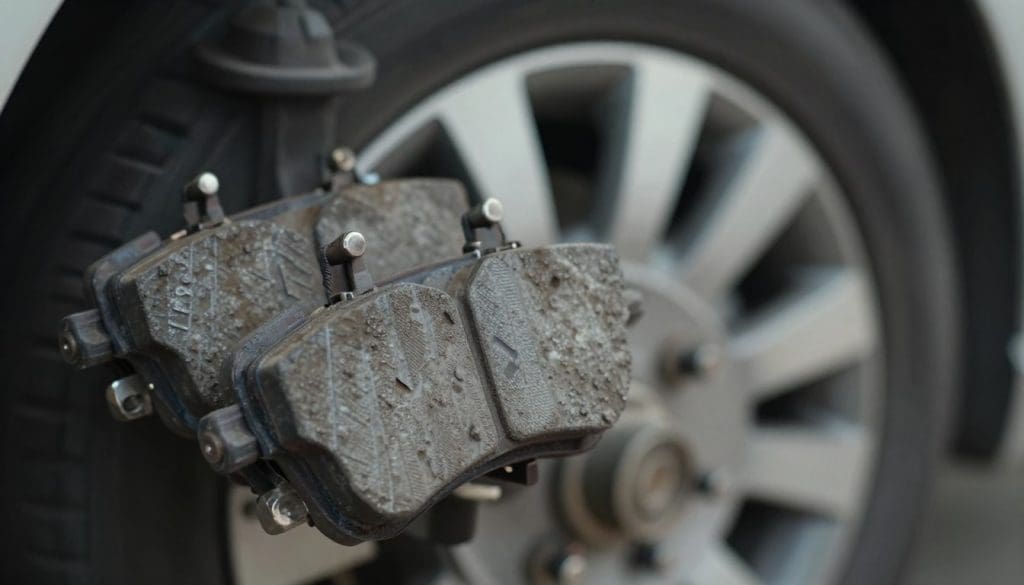
Hard braking often creates brake dust and can glaze brake pads. This makes them less effective.
Stop-and-Go Traffic and Brake Wear
Stop-and-go traffic harms brake longevity. Constant slowing and speeding up wears out brakes quickly. This is common in cities and increases maintenance costs.
To lessen brake wear from stop-and-go traffic, keep a safe distance. Avoid sudden stops. This helps extend brake life.
Technological Advancements in Modern Brake Systems
Brake systems have changed a lot, thanks to new technology. They now offer better stopping power and safety. You get to enjoy advanced materials and designs that boost your car’s braking.
When it comes to brake pads, there’s a big debate. Ceramic vs. Metallic Brake Pads is a topic many talk about. Ceramic pads are quieter and make less dust than metallic ones. They give a smoother brake experience, making them great for everyday driving.
Ceramic vs. Metallic Brake Pads
Ceramic brake pads mix ceramic fibers with other materials. They have many benefits, including:
- Less noise during braking
- Reduced dust and debris
- Better performance in a wide range of temperatures
But, metallic pads are tougher and handle high heat well. They’re best for fast cars or aggressive drivers. Yet, they can be louder and dirtier than ceramic pads.
Electronic Wear Sensors
Electronic wear sensors are a big step forward in brakes. They watch your brake pads and tell you when to replace them. This stops brake rotors from getting damaged by worn-out pads.
These sensors make driving safer by avoiding brake failures. They also keep your car running well by keeping brakes in check.
Knowing about these tech upgrades helps you choose the right brake service. It keeps your brakes in great shape and lowers the chance of rotor damage.
Safety Consequences of Neglected Brake Maintenance
Ignoring brake checks can be very dangerous. It can make your car less safe and affect how well it works. Not taking care of your brakes can lead to serious problems.
Increased Stopping Distances
One big problem is increased stopping distances. Bad brake pads or rotors make stopping harder. This is very risky when you need to stop fast to avoid an accident.
Worn brake pads mean less material to slow down your car. This makes stopping longer. It’s important to check and replace brake pads often to stop well.
The Domino Effect on Other Vehicle Systems
Ignoring brakes can also harm other parts of your car. Bad brakes can stress the suspension and steering. This can cause them to wear out faster and cost more to fix later.
The table below shows how ignoring brake care can affect your car:
| Neglect Consequence | Effect on Vehicle | Safety Implication |
|---|---|---|
| Increased Stopping Distances | Reduced braking efficiency | Higher risk of accidents |
| Worn Brake Pads | Damage to rotors and calipers | Increased repair costs and safety risk |
| Neglecting Brake Fluid Checks | Brake system failure | Total loss of braking capability |
Keeping your brakes in good shape is key for your car’s life and your safety. Fixing brake noise and replacing worn brake pads on time can prevent these dangers.
How Heaven Automotive Diagnoses Brake Issues
Heaven Automotive uses a detailed method to find brake problems. They use both their knowledge and the latest tools. When you need a brake repair service, they start with a full check to find the main cause.
Comprehensive Inspection Protocols
The first step is a visual check of the brakes. They look for wear or damage on parts like brake pads, rotors, and calipers. Their team knows how to spot small signs of trouble, like brake rotor damage, which can cause vibrations or noise.
They also check the brake fluid level and condition, and the overall brake system health. This careful check makes sure they don’t miss anything.
Using Advanced Diagnostic Tools
Heaven Automotive also uses advanced tools to check the brakes. These tools measure brake pad thickness, check for rotor damage, and test the brake fluid.
A brake tester is a key tool. It simulates different braking situations to find hidden problems. This helps the technicians give a precise diagnosis and suggest the right fixes.
| Diagnostic Step | Description | Tools/Methods Used |
|---|---|---|
| Visual Inspection | Examine brake components for wear or damage | Visual examination, inspection checklist |
| Brake Fluid Check | Assess brake fluid level and condition | Brake fluid tester, level gauge |
| Advanced Diagnostic Testing | Measure brake pad thickness, detect rotor warping | Brake tester, micrometer, dial indicator |
Heaven Automotive combines detailed checks with the latest tools to find and fix brake problems. This careful method not only solves the current issue but also prevents future ones. It makes sure your vehicle’s brakes work safely and well.
Preventative Measures to Extend Your Brake Life
Regular maintenance is key to avoiding brake problems and keeping them working long. By being proactive, you can make your brakes last longer and avoid worn brake pads noise.
Following a set maintenance schedule is important. This means checking your brake pads, rotors, and other key parts often. Spotting problems early helps fix them before they get worse, saving you from expensive brake noise repair.
Regular Maintenance Schedules
Having a regular maintenance plan is essential. It includes checking your brake pads and rotors. Your owner’s manual will tell you when to do this.
Sticking to these schedules helps avoid brake wear and noise. It’s also a chance to catch any issues early.
Fluid Flushing and System Cleaning
Brake fluid is vital for your brakes. Over time, it can get dirty, affecting your brakes. Regularly flushing and replacing the fluid keeps your brakes working well.
Cleaning your brake system also helps. It removes dirt and corrosion that can cause noise and problems.
The Importance of Quality Parts in Brake Repairs
Quality parts are key in brake repairs. They affect how well your brakes work and keep you safe on the road. You need your brakes to work right for your safety.
Choosing high-quality parts is important. It makes your brakes reliable and safe. These parts fit your vehicle perfectly, ensuring your brakes work as they should.
Why Original Equipment Manufacturer (OEM) Parts Matter
OEM parts come from the same makers as your vehicle’s original parts. They match your vehicle’s braking system exactly. This means better performance and safety for you.
- Improved braking performance
- Increased safety
- Longer lifespan of brake components
- Better compatibility with your vehicle’s systems
OEM parts are tested to meet high standards. This gives you confidence in your brakes’ reliability.
Avoiding Cheap Aftermarket Alternatives
While cheap parts might save money, they can be risky. They might not work as well as OEM parts. This could lead to:
- Reduced braking performance
- Increased risk of brake failure
- Higher maintenance costs in the long run
OEM parts might cost more upfront, but they save money and keep you safe. Choosing the right parts for brake repairs is very important.
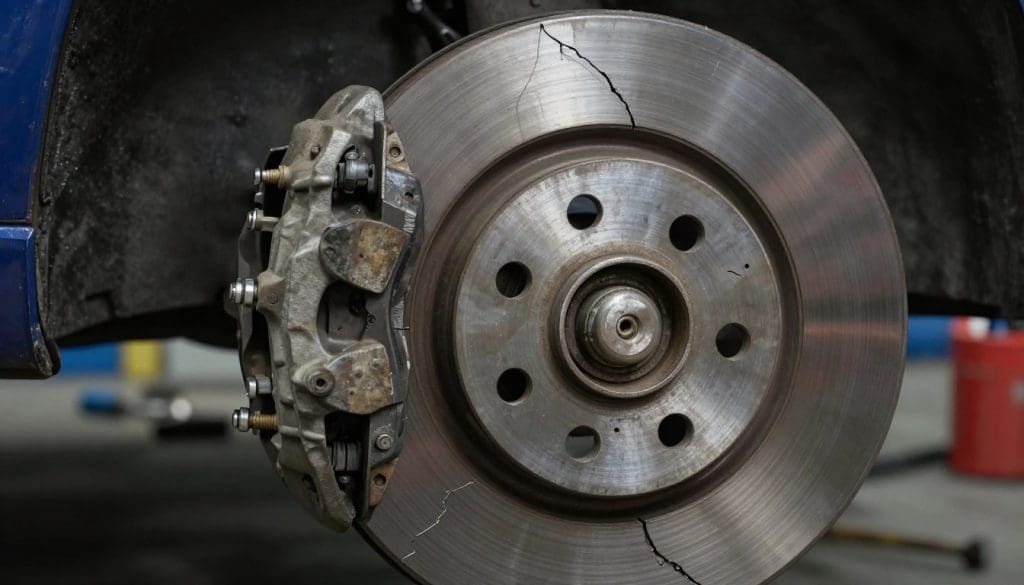
Using OEM parts ensures your brakes are fixed right. This reduces the chance of damage and other problems.
Conclusion
Your vehicle’s braking system is key for safe driving. Fixing brake noise and keeping your brakes in check can stop bigger problems like worn-out brake pads and damaged rotors. Regular checks and repairs can spot issues early, keeping your car safe.
A good braking system is vital to avoid accidents. Knowing why your brakes make noise and acting fast can prevent brake failure risks. If you’re having brake trouble, it’s time to get help from a brake repair expert.
At Heaven Automotive, located at 6645 Poss Rd. San Antonio, TX 78238, you’ll find skilled technicians ready to fix your brake problems. Don’t wait until it’s too late; call them today at (210) 682-3898 to book your brake repair service. Make sure your vehicle is safe to drive.