


Your vehicle has many small parts to stay safe on the road. Inside the hub, there’s a set of steel balls in a metal ring called a “race.” This tiny unit makes sure your vehicle moves smoothly without any friction.
When these parts start to fail, you might hear a strange wheel noise while driving. These parts are key for your safety. They help support the vehicle’s weight and let the tires spin freely.
Ignoring these signs can lead to dangerous situations. A bearing replacement might be needed if the damage gets too severe. Always listen for any humming or grinding sounds from the tires.
Keeping your vehicle roadworthy is a top priority for any driver. If you hear unusual sounds, act quickly to prevent further damage. Call Heaven Automotive to fix your vehicle and restore your peace of mind.
Key Takeaways
- Early detection of grinding or humming sounds.
- Understanding the role of the metal race and steel balls.
- How sounds change during speed shifts or turns.
- Handling issues like vehicle pulling or steering looseness.
- The importance of hub maintenance for road safety.
- Expert help from Heaven Automotive for all repairs.
Understanding the Role of Wheel Bearings in Vehicle Safety
Your vehicle’s safety and efficiency depend a lot on its wheel bearings. These parts let your wheels spin smoothly, with little friction. This makes sure your car moves right and carries its weight.
At Heaven Automotive, we know how key wheel bearings are. They keep your car running well and safe. Good wheel bearings mean your wheels spin smoothly, less vibration, and less wear on other parts.
Key Functions of Wheel Bearings:
- Enable smooth wheel rotation with minimal friction
- Support the weight of the vehicle
- Keep the wheels aligned and moving in the correct direction
Ignoring wheel bearing care can hurt your car’s performance and safety. Regular checks and hub bearing repair are key to keeping your vehicle safe and efficient.
The table below shows why wheel bearings are so important for vehicle safety:
| Function | Importance | Consequence of Failure |
|---|---|---|
| Smooth Wheel Rotation | Reduces friction and enhances vehicle performance | Increased risk of wheel vibration and uneven tire wear |
| Weight Support | Ensures the vehicle is properly supported | Potential for wheel detachment or loss of control |
| Directional Control | Keeps the vehicle stable and on course | Increased risk of accidents due to loss of directional control |
Common Symptoms of Failing Wheel Bearings
When your vehicle’s wheel bearings start to fail, they show signs you can’t ignore. Spotting these early can stop bigger problems and keep you safe. It also saves you from expensive repairs.
Audible Clues and Wheel Noise While Driving
One key sign of failing wheel bearings is strange noises from the wheels or tires. You might hear grinding, growling, or rumbling sounds. These sounds change when you turn or speed up.
This wheel noise while driving means your bearings are likely worn or damaged.
The noise gets louder during certain actions, like:
- Turning: The sound may change or become more pronounced when you turn.
- Accelerating: Noise can increase with speed.
- Shifting Gears: Some drivers report hearing the noise more clearly when shifting gears.
Physical Sensations of Wheel Vibration Causes
Besides the sounds, failing wheel bearings cause physical feelings while driving. You might feel a slight vibration or shaking, more at high speeds. This wheel vibration feels through the steering wheel, seat, or floor.
Some common physical sensations include:
| Sensation | Description |
|---|---|
| Vibration | A faint or pronounced vibration felt through the steering wheel or seat. |
| Shaking | Excessive shaking or wobbling, mostly at high speeds. |
| Poor Steering Response | The vehicle may pull to one side or have poor steering. |
If you notice these symptoms, get your car checked by a pro. For expert help, visit Heaven Automotive at 123 Main St, Anytown, USA, or call (555) 123-4567.
The Mechanics Behind Hub Bearing Repair
Understanding hub bearing repair is key to fixing it right. Hub bearings are vital for your car’s wheels. They support the wheel and let it spin smoothly.
To fix a hub bearing, you first need to find out what’s wrong. Look for signs like strange noises or vibrations. These usually mean the bearing is failing.
After finding the problem, you’ll need to take off the wheel and brake parts. This lets you get to the bearing. Then, you check it for any damage.
The repair process typically involves the following key steps:
- Removing the wheel and brake components
- Inspecting the hub bearing for damage
- Replacing the bearing or the entire hub assembly if necessary
- Reassembling the components and ensuring proper torque specifications are met
| Process Step | Hub Bearing Repair | Hub Bearing Replacement |
|---|---|---|
| Diagnosis | Identify bearing failure symptoms | Identify bearing failure symptoms |
| Disassembly | Remove wheel and brake components | Remove wheel and brake components |
| Inspection | Inspect bearing for damage | Inspect entire hub assembly |
| Repair/Replacement | Replace bearing if possible | Replace entire hub assembly |
| Reassembly | Reassemble with new bearing | Install new hub assembly |
Knowing how hub bearing repair works helps you fix problems better. It makes your car safer and run better.
Environmental Factors Contributing to Premature Bearing Wear
Many things can affect how long your car’s wheel bearings last. Driving on bad roads, facing harsh weather, and other factors can all lead to early wear.
Driving on rough roads is a big stress for your wheel bearings. Potholes and uneven roads can really harm them.
Impact of Road Conditions and Potholes
Road conditions are key in how fast wheel bearings wear out. Hitting potholes or driving on rough roads can damage them right away or make them wear out faster.
Frequent exposure to such conditions can lead to:
- Increased vibration, which can be a sign of wheel vibration causes related to bearing wear.
- Premature wear on the bearing surfaces.
- Potential for bearing failure if not addressed.
Effects of Water Intrusion and Corrosion
Water getting into the bearing housing is another big problem. It can cause corrosion and harm the bearing parts.
| Factor | Effect on Bearings | Consequence |
|---|---|---|
| Water Intrusion | Corrosion of bearing components | Premature bearing failure |
| Road Debris | Abrasion and damage to bearing surfaces | Increased risk of bearing failure |
| Extreme Temperatures | Thermal stress on bearings | Potential for bearing seizure or failure |
Regular checks and wheel bearing replacement when needed can help. This can keep your vehicle’s wheel bearings working well for longer.
Diagnostic Techniques for Identifying Bearing Failure
It’s key to spot bearing failure early to keep your vehicle safe and running well. Catching it early can stop bigger problems and save you money on repairs.
There are many ways to find out if a bearing has failed. You can do simple checks or use advanced tools.
Manual Inspection Methods for Vehicle Owners
As a car owner, you can do some checks to see if bearings are failing.
- Listen for odd wheel noise while driving, like grinding or humming.
- Feel for vibrations while driving, which might mean the bearings are worn out.
- Look for wear or damage on the wheel bearings and nearby parts.
You can also try a simple test by:
- Jacking up your car and spinning the wheels to see if there’s any odd noise or resistance.
- Checking the wheel for any play or movement by holding it at the 12 o’clock and 6 o’clock positions and shaking it.
Professional Diagnostic Tools Used by Technicians
While you can do some checks, pros use better tools for a precise diagnosis.
- Vibration analysis tools to spot tiny changes in vibrations.
- Special tools for bearing checks that find even small wear and tear.
If you’re not sure about your wheel bearings or think there’s a problem, get professional help. A skilled tech can give a precise diagnosis and suggest fixes, like hub bearing repair. This ensures your car stays safe and runs smoothly.
The Risks of Ignoring Worn Wheel Bearings
Ignoring worn wheel bearings can be very dangerous. They are not just a small problem. They can really harm your car’s safety and how well it works.
Potential for Wheel Detachment While Driving
One big risk is that the wheel might fall off while you’re driving. This happens when the bearing breaks down. It can make you lose control of your car, leading to a big accident.
Wheel detachment is a critical safety hazard that can be avoided by addressing worn wheel bearings promptly. Regular inspections and maintenance can help identify issues before they become major problems.
Damage to Associated Suspension Components
Worn wheel bearings can also damage other parts of your car’s suspension. When a bearing fails, it can stress other parts too much. This can make them wear out or break early.
Not fixing worn wheel bearings can lead to expensive repairs. For example, fixing a damaged suspension part can cost a lot and take a lot of time.
| Risk | Consequence | Potential Outcome |
|---|---|---|
| Wheel Detachment | Loss of Vehicle Control | Serious Accident |
| Damage to Suspension | Premature Wear or Failure | Costly Repairs |
| Ignoring Maintenance | Increased Risk of Failure | Reduced Vehicle Safety |
The importance of timely wheel bearing replacement cannot be overstated. Fixing problems early can stop bigger issues from happening.
In conclusion, ignoring worn wheel bearings can lead to serious safety issues, including wheel detachment and damage to other vehicle components. It’s essential to be aware of the signs of worn wheel bearings and to take prompt action to address them.
When to Seek Professional Assistance
If you’re having trouble with your wheel bearings, it’s important to know when to get help. This is key for keeping your vehicle safe and running well.
Wheel bearing issues can be tricky and need special tools and skills. If you hear odd noises, feel vibrations, or see wear, call a professional mechanic.
Hub bearing repair is best left to the experts. At Heaven Automotive, our skilled technicians can quickly find and fix wheel bearing problems.
If you’re not sure about your wheel bearings or need repair help, contact us. Our team is ready to provide excellent service and keep your vehicle safe and in top shape.
The Process of Wheel Bearing Replacement
Replacing a wheel bearing is a detailed task that needs the right tools. If you hear wheel noise while driving, it’s time to act fast. This ensures your car stays safe and runs well.
The steps to replace a wheel bearing are clear. First, take out the damaged hub assembly. This step is important to avoid harming other parts.
Removing the Damaged Hub Assembly
To remove the damaged hub assembly, follow these steps:
- Jack up the vehicle and secure it on jack stands.
- Remove the wheel and brake caliper.
- Disconnect the hub assembly from the steering knuckle.
- Carefully pull the hub assembly off the wheel bearing.
Installing New Bearings and Ensuring Proper Torque
After removing the damaged hub, install the new bearings. Make sure they are correctly seated and secured.
| Step | Description | Torque Specification |
|---|---|---|
| 1 | Install new wheel bearing | Align and secure bearing |
| 2 | Reassemble hub assembly | 50 ft-lbs |
| 3 | Tighten wheel bearing nut | 100 ft-lbs |
After putting in the new bearings, check that everything is tightened right. This step is key to avoid wear and keep the bearings lasting longer.
Comparing OEM Versus Aftermarket Bearing Quality
Choosing between OEM and aftermarket bearings for your vehicle is a big decision. It depends on quality, cost, and how well they fit your car.
OEM Bearings: These are made by the car’s original manufacturer. They fit perfectly and work best. OEM bearings are known for their high quality and are less likely to cause wheel vibration causes.
Aftermarket Bearings: These are made by other companies. Their quality can vary. They are cheaper, but may not work as well as OEM bearings. This could lead to problems that need hub bearing repair.
Here are some key differences between OEM and aftermarket bearings to consider:
- Quality and Reliability: OEM bearings are more reliable and consistent in quality.
- Cost: Aftermarket bearings are often cheaper upfront.
- Compatibility: OEM bearings fit perfectly, while aftermarket bearings may need extra checks.
- Warranty: OEM bearings usually have a warranty, but aftermarket bearings may not.
In conclusion, both OEM and aftermarket bearings have their pros and cons. Your choice depends on what you value most: quality, cost, or fit. If you notice wheel vibration, fixing it quickly is important to avoid expensive repairs later.
Maintenance Tips to Extend Bearing Lifespan
Proper care can make your vehicle’s wheel bearings last longer. Regular maintenance is key to avoiding early wear and keeping your vehicle safe and running well.
One simple yet effective way to extend wheel bearing life is by regularly checking tire pressure. Properly inflated tires put less strain on wheel bearings. Underinflated tires can cause uneven wear and extra stress on the bearings.
Another important task is ensuring proper lug nut tightening. Over-tightening or under-tightening can damage bearings. Always follow the manufacturer’s specs for lug nut torque to avoid stressing the bearings too much.
In addition to these tasks, you should also:
- Regularly inspect your wheel bearings for signs of wear or damage.
- Keep your vehicle’s suspension and steering systems in good condition, as issues with these components can affect wheel bearing lifespan.
- Avoid driving through deep water or flooded areas, as water intrusion can lead to corrosion and premature bearing failure.
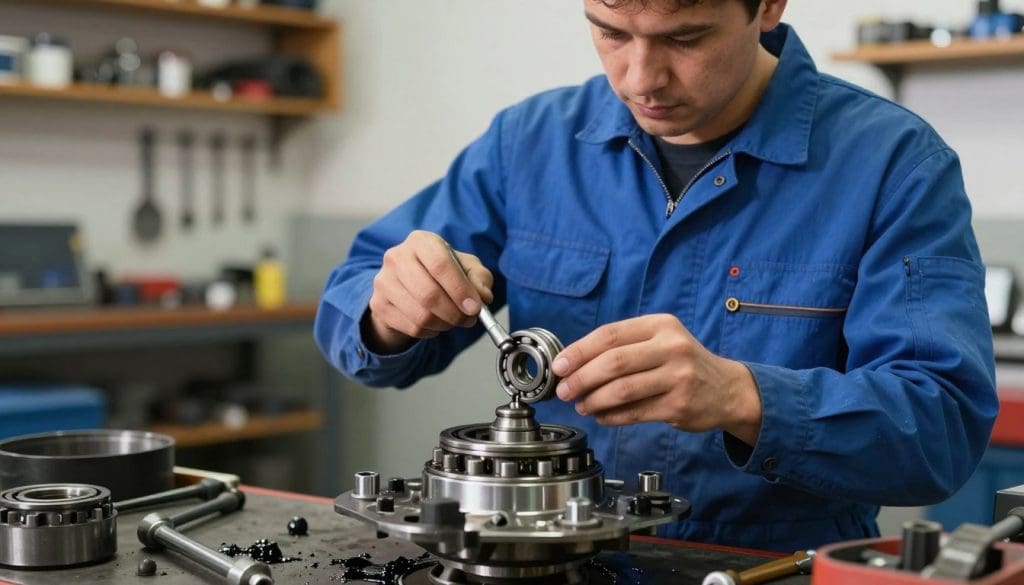
By following these maintenance tips, you can extend your wheel bearings’ life. This ensures your vehicle stays safe and reliable. Remember, preventive care is always more cost-effective than repairing or replacing damaged wheel bearings.
For those looking to replace their wheel bearings, understanding the process of wheel bearing replacement is key. This knowledge helps you make informed decisions about your vehicle’s maintenance and repair.
Recent Trends in Automotive Bearing Technology
The latest in automotive bearing tech aims to boost vehicle safety and cut down on wheel noise while driving. It also looks to improve performance. With cars getting more advanced, there’s a big need for top-notch bearings that can handle different conditions and stresses.
New materials and making processes are key in this tech leap. These changes have made bearings stronger and better at handling today’s driving challenges. For example, using high-quality steel and new sealing tech has made bearings last longer and need less upkeep.
There’s also a trend towards adding sensors and smart tech to bearings. These smart bearings can check their own condition in real-time. This gives cars valuable info to help stay safe and run better. Plus, they help optimize how different car systems work together.
The move to electric vehicles (EVs) is pushing the limits of bearing tech even further. EVs need bearings that work well at high speeds and under different loads. So, makers are coming up with special designs and materials for these needs. This includes using ceramic and other advanced materials for better performance and durability.
To wrap it up, the progress in automotive bearing tech is making cars safer, quieter, and more efficient. As the field keeps growing, we’ll likely see even more cool solutions for today’s cars.
How Driving Habits Influence Bearing Longevity
Your driving habits greatly affect your vehicle’s wheel bearings. Harsh acceleration and braking stress them out, leading to early wear. Driving on rough roads or in areas with many potholes also causes vibration. This can shorten the life of your bearings.
To reduce wear on your wheel bearings, drive smoothly. Use gentle acceleration and braking. Keep a safe distance from other cars and avoid sudden turns. Also, slow down when you see rough roads ahead.
By driving smoothly and being mindful of your habits, you can make your wheel bearings last longer. Regular checks and maintenance are also key. They help catch problems early, before they get worse.
Good driving habits and regular maintenance are key. They help your wheel bearings last longer. This saves you money and keeps your car safe.
Safety Protocols for DIY Enthuisasts
DIY fans must follow strict safety rules when fixing hub bearings. It’s key to keep yourself safe when working with parts that can hurt you badly if mishandled.
Before starting a hub bearing repair, learn the safety steps. Wear gloves and safety glasses to protect yourself from dangers.
Key Safety Considerations:
- Make sure the car is on jack stands before you start.
- Don’t get under a car on a jack alone.
- Use the right tools to avoid damage or injury.
- Check your car’s repair manual for detailed instructions.
Proper lifting techniques are also vital to avoid injury. Lift heavy parts by bending your knees, keeping it close, and lifting with your legs, not your back.
It’s also important to work in a place with good air flow, if you’re using chemicals. Having a first aid kit nearby is a smart move.
By sticking to these safety tips, you can lower the risks of DIY hub bearing repair. This way, you can work safely.
Common Misconceptions About Wheel Bearing Noises
Wheel noise while driving can be scary, but not all sounds mean a bearing problem. Many people think any odd sound is from the wheel bearings. But, this isn’t always true.
Understanding the Source of the Noise is key. Sounds can come from many things, like worn tires, loose belts, or suspension issues. It’s important to find out the real cause of the noise.
To help clarify, here’s a comparison of common noises and their possible causes:
| Noise Type | Possible Cause |
|---|---|
| Grinding or Growling | Worn Wheel Bearings |
| Squealing | Loose or Worn Belts |
| Thumping or Vibrating | Imbalanced Wheels or Tire Issues |
Knowing the different noises and their causes helps you figure out vehicle problems. If you’re not sure about a noise, it’s smart to get a mechanic’s opinion.
The Importance of Timely Repairs for Vehicle Performance
Fixing wheel bearing problems right away is key for your car to run well. If you hear odd noises or feel vibrations, act fast. Waiting too long can cause more harm, hurting your car’s performance and safety.
Timely wheel bearing replacement stops bigger and pricier fixes later. Not fixing worn-out bearings can damage suspension parts. This can mess up your car’s handling and balance. For example, if your car shakes when you hit the brakes, it might be due to wheel issues.
Here are some reasons to fix wheel bearings quickly:
- Preventing damage to suspension parts
- Keeping your car running smoothly and well
- Keeping you safe by avoiding wheel detachment
- Stopping expensive repairs that come from ignoring wheel bearing problems
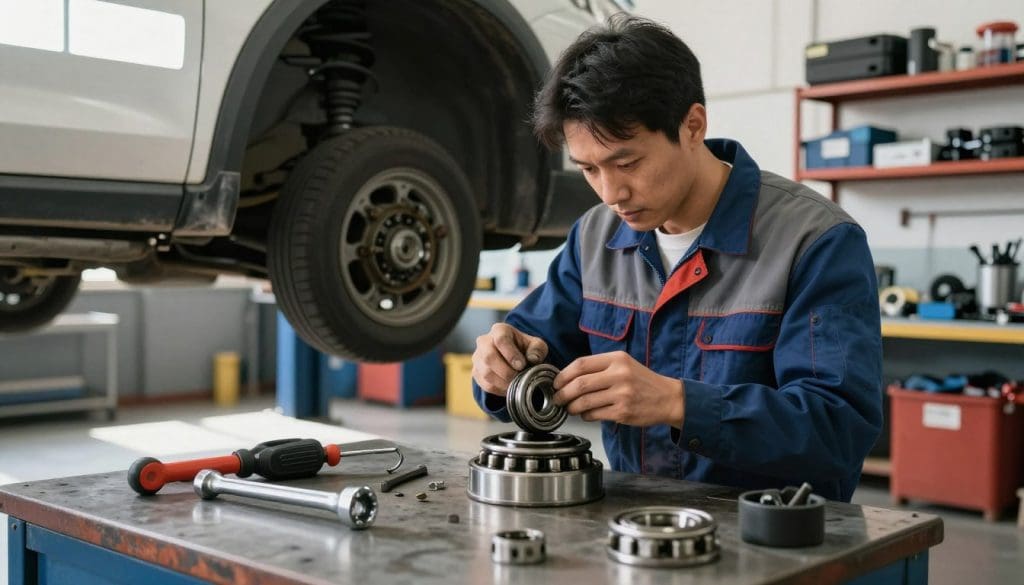
In short, fixing wheel bearing problems quickly is vital for your car’s performance, safety, and life. Knowing the importance of quick repairs helps you avoid big issues. It makes driving safer and more enjoyable.
Conclusion
Proper care and timely repair of wheel bearings are key for vehicle safety and performance. You’ve learned about the critical role wheel bearings play. You also know how to identify issues, like wheel noise while driving.
Ignoring these signs can lead to more severe problems. This includes the need for hub bearing repair. To ensure your vehicle’s longevity and your safety on the road, stay vigilant and address any issues promptly.
If you’re experiencing any symptoms of failing wheel bearings or need professional assistance, trust the experts at Heaven Automotive. Visit them at 6645 Poss Rd, San Antonio, TX 78238, or call (210) 682-3898 to schedule your appointment today.