

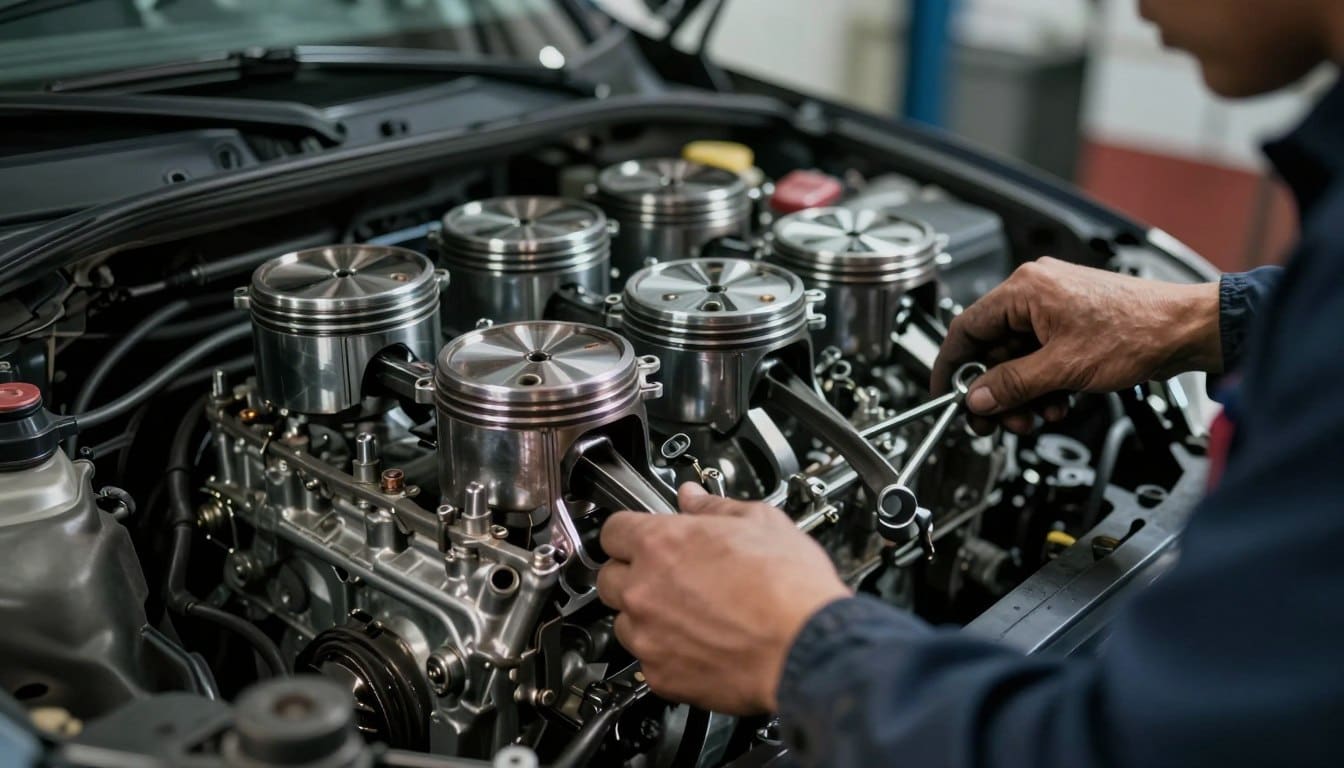
You’re driving through Taylor, TX, with the windows down and your favorite music playing. Suddenly, you hear a sharp tapping or rattling sound from under your hood. This sound is a warning you should not ignore while driving.
Noticing an engine knocking noise is key for your vehicle’s health. Ignoring it can lead to big mechanical failures and heavy repair bills later. Knowing about common detonation causes helps you act fast before your motor stops on the side of the road.
Heaven Automotive offers expert help for these stressful car issues in Texas. Our team finds the source of the sound and fixes it quickly. Choose Heaven Automotive to fix your car and bring back your peace of mind.
Key Takeaways
- Listen for persistent metallic pinging or rhythmic tapping.
- Low-quality fuel often causes internal pressure problems.
- Quick repairs stop permanent damage to internal parts.
- Carbon buildup can mess with your vehicle’s timing.
- Heaven Automotive provides reliable and professional local diagnostics.
Understanding the Mechanics of an Engine Knocking Noise
Engine knocking noise is a warning sign that your engine is not working right. It happens when the air and fuel mix in your engine ignites too early or in more than one place. This is not how it’s supposed to work, as it should only ignite once at the spark plug.
In a good engine, air and fuel mix, get compressed, and then ignite at the right time. This explosion pushes the pistons down and keeps your car moving. But if it ignites too early or in many places, it makes shockwaves and a knocking or pinging sound.
The Basics of Internal Combustion
Internal combustion engines need everything to happen in the right order to work well. They draw in air and fuel, compress it, ignite it with a spark plug, and then get rid of the exhaust gases. Getting these steps right is key for good performance and avoiding damage.
Key Components Involved:
- Pistons: Move up and down in the cylinders, driven by the explosive force of combustion.
- Cylinders: The chambers where air, fuel, and spark come together to produce power.
- Spark Plugs: Ignite the air-fuel mixture at the precise moment.
What Happens When Timing Goes Wrong
When combustion timing is off, it can cause engine knocking. This can be due to using low octane fuel in an engine that needs higher, incorrect ignition timing, or mechanical problems.
Engine knocking can seriously damage your engine. It can harm pistons, cylinder walls, and other parts. Knowing why it happens and fixing it quickly is important for your engine’s health.
Here’s a quick look at why engine knocking happens and what it can do:
| Cause | Effect |
|---|---|
| Using low octane fuel in a high-compression engine | Premature ignition, leading to engine knocking |
| Incorrect ignition timing | Combustion at the wrong time, causing knocking or pinging |
| Mechanical issues (e.g., worn spark plugs) | Inefficient combustion, potentially leading to knocking |
The Science Behind Engine Detonation Causes
Engine detonation involves many factors like pressure, temperature, and air-fuel ratio. When these are off, it can cause engine knocking or pinging. This is not just annoying but also shows engine damage might be coming.
Detonation happens when the fuel-air mix in the engine’s cylinders ignites too early or unevenly. This creates shockwaves that make the knocking noise. To understand it better, let’s look at what causes it.
Pressure and Temperature Thresholds
Engine cylinders work under high pressure and temperature. If these get too high, the fuel-air mix can ignite on its own before the spark plug fires. This leads to detonation. The fuel then burns too fast, making a knocking or pinging sound.
The Role of Air-Fuel Ratios
The air-fuel ratio is key in preventing engine knocking. A mix that’s too rich or too lean can cause knocking. The right air-fuel ratio helps fuel burn well, lowering detonation risk. For more on engine knocking and its signs, check Heaven Automotive’s insights on engine noises.
Keeping the air-fuel ratio right, along with the right pressure and temperature, stops engine detonation. Regular checks can spot any issues early. This helps avoid engine damage.
Why Low Octane Fuel Problems Trigger Audible Alerts
Using low octane fuel can cause engine knocking. This happens because the fuel ignites too quickly. When your car runs on fuel that’s not the right octane, it can burn too fast. This results in a knocking or pinging noise.
This problem is more common in cars with high-compression engines. These engines have fuel under higher pressure and temperature. The wrong fuel can damage pistons, cylinder walls, and other important parts.
Understanding Octane Ratings
Octane ratings show how well a fuel resists engine knocking. The higher the octane, the better it is. Most cars need regular gasoline with an octane of 87. But some high-performance cars need mid-grade or premium gasoline with higher octane.
Octane Rating Guide:
| Octane Rating | Fuel Type | Recommended Use |
|---|---|---|
| 87 | Regular Gasoline | Most passenger vehicles |
| 89-90 | Mid-Grade Gasoline | Vehicles that require higher octane fuel |
| 91-93 | Premium Gasoline | High-performance vehicles |
How Fuel Quality Affects Compression
Fuel quality is key to your engine’s health. Low octane fuel can ignite too quickly. This increases pressure and stress on the engine, lowering compression.
To avoid problems, use the right fuel for your car. Check your owner’s manual for the recommended octane. If you get engine knocking or pinging, try a higher octane fuel.
Identifying the Different Types of Engine Sounds
Engine noises vary, and knowing the differences is key to keeping your car in good shape. Some sounds are harmless, while others can be serious. Spotting the type of sound is the first step to finding out what’s wrong.
Not every engine noise is a cause for alarm. But, if you hear a knocking sound, it’s best to have it checked. For more on loud engine noises, check out Heaven Automotive’s guide.
Distinguishing Pinging from Heavy Knocking
Pinging and heavy knocking are two different engine sounds. Pinging is a high-pitched sound that happens when you accelerate. It’s often due to fuel igniting too early in the engine.
Heavy knocking, by contrast, is a deeper sound that suggests serious engine damage. It might mean worn-out parts or not enough lubrication.
| Sound Type | Description | Possible Cause |
|---|---|---|
| Pinging | High-pitched metallic sound during acceleration | Premature fuel ignition |
| Heavy Knocking | Deep, pronounced sound | Worn engine components or improper lubrication |
When to Be Concerned About Tapping Sounds
Tapping sounds can come from low oil pressure or worn parts. If you hear tapping, it’s important to find out why.
If tapping keeps happening, it could mean a bigger problem. Regular car care, like oil changes, can help avoid these sounds and other issues.
The Immediate Consequences of Ignoring Engine Damage
Ignoring engine damage can severely harm your vehicle’s performance and lifespan. Engine knocking or detonation signals a problem. If not fixed, these issues can worsen.
Piston and Cylinder Wall Degradation
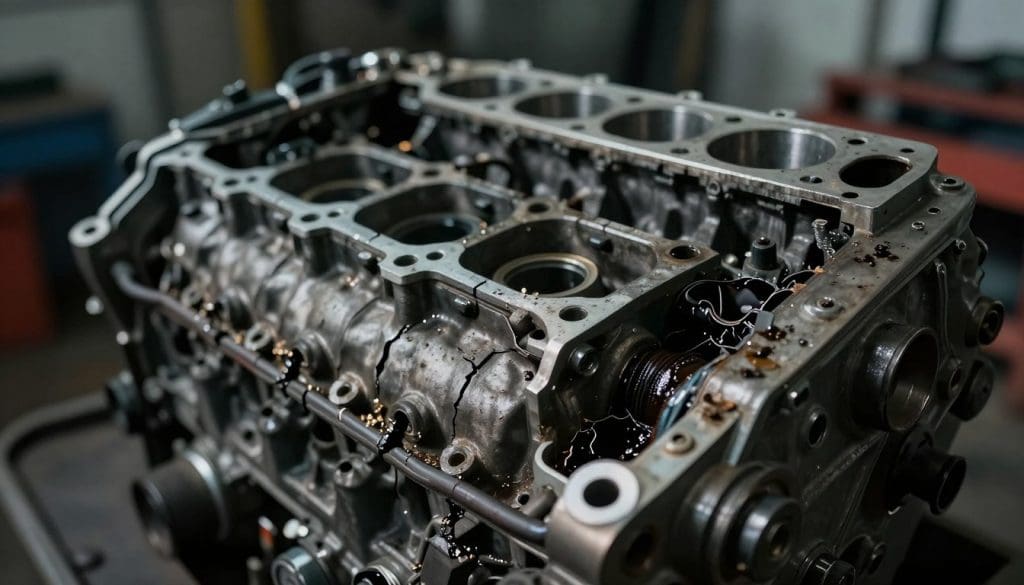
Severe engine knocking can damage pistons and cylinder walls. The stress from abnormal combustion can cause cracks or holes in pistons. It can also wear or crack cylinder walls.
This damage may require expensive repairs. Damaged parts might need to be replaced.
Risk of Catastrophic Engine Failure
Ignoring engine damage can lead tocatastrophic engine failure. This can cause bent connecting rods, cracked engine blocks, or even engine seizure. Repair costs can be very high, often requiring a fullengine replacement.
The financial and inconvenience costs of such failure are significant. It shows why it’s important to fix engine knocking and detonation quickly.
Understanding the risks of ignoring engine damage helps prevent problems. It ensures your vehicle stays in good condition.
How Modern Vehicle Sensors Detect Abnormal Combustion
Modern cars have advanced sensors to catch abnormal combustion. This keeps your engine running well. Engine knocking noise is a sign of trouble that can harm your engine if ignored. The knock sensor plays a big role in spotting this problem.
The Function of the Knock Sensor
The knock sensor is key in today’s engine systems. It picks up vibrations from low octane fuel problems and sends a signal to the Engine Control Unit (ECU).
This sensor uses piezoelectricity. It means certain materials create an electric charge when stressed. For the knock sensor, this stress comes from engine knocking vibrations.
| Sensor Type | Function | Response to Abnormal Combustion |
|---|---|---|
| Knock Sensor | Detects vibrations from engine knocking | Sends signal to ECU |
| ECU | Processes signal from knock sensor | Adjusts ignition timing |
How the ECU Responds to Detected Knocks
When the ECU gets a signal from the knock sensor, it tweaks the engine’s timing. This change helps avoid more damage and cuts down on engine knocking noise.
The ECU can adjust the ignition timing to prevent early ignition. This lowers pressure and temperature in the combustion chamber, stopping knocking.
Understanding how sensors detect abnormal combustion shows the advanced tech in today’s engines. Keeping your car well-maintained, including using the right fuel, helps avoid low octane fuel problems and keeps your engine running smoothly.
Common Mechanical Failures That Lead to Persistent Knocking
When your engine starts knocking persistently, finding the cause is key to avoid more damage. Persistent engine knocking often points to deeper mechanical problems. These can cause serious engine damage if not fixed.
Worn rod bearings and problems with valve train parts are common culprits. Knowing about these issues helps you fix them.
Worn Rod Bearings and Their Symptoms
Worn rod bearings can make a knocking or clunking sound, more so when the engine is under load. They’re important for reducing friction between moving parts. When they wear out, friction and movement increase, causing the knocking sound. If you hear knocking from the engine’s lower end, check the rod bearings.
Issues with Valve Train Components
The valve train, including lifters, pushrods, and rocker arms, is key to the engine’s function. Problems like wear or misalignment in these parts can cause knocking or tapping sounds. Regular checks and maintenance can prevent these issues.
Other factors, like worn or faulty spark plugs, can also cause engine detonation causes. Bad ignition and incomplete combustion from faulty spark plugs can lead to knocking and misfires. Keeping your spark plugs in good shape is important for your engine’s health.
| Symptom | Possible Cause |
|---|---|
| Knocking or Clunking Noise | Worn Rod Bearings |
| Tapping or Clicking Sound | Issues with Valve Train Components |
| Misfires and Knocking | Worn or Faulty Spark Plugs |
In conclusion, persistent engine knocking can stem from various mechanical failures. Finding the root cause is vital to prevent more engine damage. Regular maintenance and inspections can help avoid these problems.
The Role of Carbon Deposits in Combustion Chamber Health
Your engine’s combustion chamber needs to be healthy for it to run well. Carbon deposits from fuel can harm it. These deposits can stick to pistons, valves, and spark plugs, messing with how the air and fuel mix.
This mess can cause engine knocking and make your engine less efficient.
Carbon deposits can change the combustion chamber’s shape and how it works. Here’s how:
- They can change the shape of the combustion chamber.
- They can affect the heat dissipation within the chamber.
- They can influence the air-fuel mixture’s ignition timing.
Increasing Compression Ratios
Carbon deposits can also make your engine work harder. They do this by increasing compression ratios. As carbon builds up, it makes the combustion chamber smaller. This means the engine has to work harder.
- Premature ignition of the air-fuel mixture, causing engine knocking or pinging.
- Increased pressure on engine components, potentially leading to damage over time.
Cleaning Methods for Improved Performance
But, there are ways to clean out these deposits and get your engine running smoothly again. Some methods include:
- Using fuel additives to clean the fuel system and combustion chamber.
- Getting a carbon cleaning service to remove the deposits with special equipment.
- In severe cases, replacing affected components might be needed.
Keeping up with regular maintenance helps prevent carbon buildup. Using high-quality fuel and checking your engine often can keep it running well.
Impact of Overheating on Engine Internal Components
Too much heat in your engine can start a chain of problems. It can cause the air-fuel mixture to ignite too early. This overheating can lead to many issues that affect how well your engine works and how long it lasts.
One big worry is how high temperatures harm the engine’s parts inside.
Thermal Expansion and Its Consequences
When your engine gets too hot, the metal parts expand more than usual. This thermal expansion can make the metal weak over time. It can damage parts like pistons, cylinder heads, and engine blocks, which can be very expensive to fix.
Thermal expansion isn’t just for the engine block and head. It also affects important parts like piston rings and cylinder walls. These parts can seize or get damaged because of the extra friction and stress. This can cause engine knocking or pinging, which can lead to even worse damage.
Cooling System Failures: A Root Cause of Overheating
One main reason for engine overheating is when the cooling system fails. This can happen for many reasons, like leaks, a bad thermostat, or a faulty radiator fan. Without a working cooling system, the engine can’t get rid of heat, causing temperatures to rise fast.
To avoid these problems, it’s important to keep your cooling system in good shape. Check for leaks, make sure the coolant level is right, and replace old parts. Doing this can help prevent overheating and damage to your engine’s parts.
Regular maintenance and quick action when you see signs of overheating are vital. They help prevent engine damage and keep your vehicle’s engine running well for a long time.
Why Professional Diagnostics Are Essential for Your Vehicle
Getting your engine problems fixed right starts with accurate diagnosis. At Guzman Automotive, we use a detailed, no-guesswork method to find and fix engine knock issues. This shows how vital precise diagnostic techniques are.
Modern cars are complex, with systems that need more than basic knowledge to fix. Engine knocking noise and engine detonation causes can come from many problems. So, a full diagnostic check is key.
The Limitations of DIY Troubleshooting
Trying to fix your car yourself can lead to wrong guesses and missed signs. Without the right tools and knowledge, you might not find the real problem. For example, DIY methods might miss the cause of engine knocking, leading to bad fixes or more damage.
DIY troubleshooting has its limits:
- Lack of specialized equipment
- Insufficient technical knowledge
- Potential for misdiagnosis
Utilizing Advanced Diagnostic Scanners
Advanced diagnostic scanners talk to your car’s computer, giving deep insights into engine performance. They find issues that simple checks can’t. These tools are vital for spotting engine knocking noise and other complex problems.
Professionals use these scanners to:
- Get trouble codes from the car’s computer
- Watch real-time data from engine sensors
- Do specific tests to find the problem
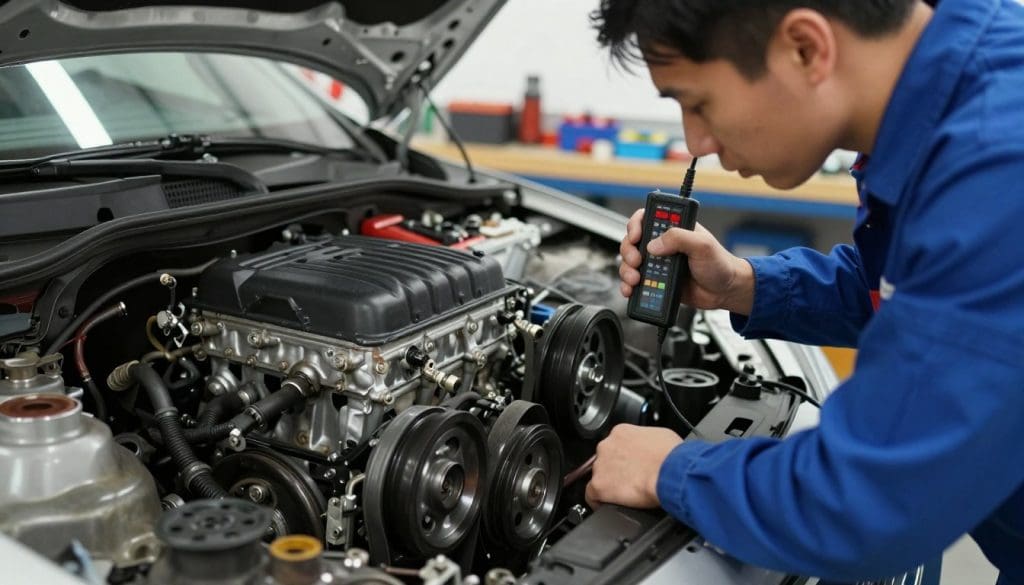
Using advanced diagnostic tools makes fixing your car more accurate and efficient. It saves time and avoids unnecessary repairs.
Preventative Maintenance Strategies to Avoid Future Knocking
To keep your engine running smoothly, it’s key to have a proactive maintenance plan. This plan includes several important steps. These steps help avoid low octane fuel problems and engine damage.
One critical part of maintenance is using the right fuel for your car. Following the manufacturer’s fuel recommendations is very important. This is because using fuel that’s too low in octane can cause engine knocking. Your car’s owner’s manual will tell you what fuel type is best.
Adhering to Manufacturer Fuel Recommendations
Using the fuel type recommended by the manufacturer can greatly lower the risk of engine knocking. Low octane fuel can make the fuel-air mixture ignite too early. This can cause knocking or pinging sounds. Using the right octane fuel helps prevent this and keeps your engine running smoothly.
Regular Oil Changes and Filter Replacements
Regular maintenance, like oil changes and filter replacements, is also key. Engine oil helps reduce friction and prevent overheating. Regular oil changes keep your engine healthy. Replacing filters ensures your engine gets clean air and fuel, lowering damage risk.
By sticking to your car’s maintenance schedule and getting your fuel and ignition systems checked often, you can spot and fix problems early. This approach not only prevents engine knocking but also helps your car last longer.
The Financial Risks of Delaying Necessary Engine Repairs
Ignoring engine knocking noise can lead to severe financial consequences down the road. When you notice unusual sounds coming from your engine, it’s essential to address them promptly to avoid more significant problems.
Engine knocking noise is not just a minor issue; it can be a sign of underlying problems that, if left unaddressed, can cause significant engine damage. The longer you wait, the more damage it can do, potentially leading to expensive repairs or even full engine replacement.
Minor Repairs vs. Engine Replacement Costs
Minor repairs, such as replacing spark plugs or adjusting the fuel-air mixture, are relatively inexpensive compared to the cost of replacing an entire engine. For instance, a new engine can cost anywhere from $1,000 to $5,000 or more, depending on the vehicle’s make and model. In contrast, minor repairs can often be done for under $500.
Long-term Vehicle Reliability
Timely repairs not only save you money but also ensure your vehicle’s long-term reliability. By addressing engine knocking noise early, you can prevent more severe damage and maintain your vehicle’s performance and efficiency. Regular maintenance and prompt repairs are key to extending the life of your engine and avoiding costly replacements.
In conclusion, delaying necessary engine repairs can have significant financial implications. By understanding the risks and taking proactive steps, you can protect your investment and ensure your vehicle remains reliable for years to come.
How Heaven Automotive Approaches Complex Engine Issues
Heaven Automotive is your top choice for fixing tough engine problems. They handle engine detonation causes and engine knocking noise. Their skilled team works hard to get your car running smoothly again.
They understand modern car mechanics well. They use the latest tools to find and fix engine issues. This way, they make sure your car is fixed right.
Expert Inspection at 6645 Poss Rd. San Antonio, TX 78238
Heaven Automotive is at 6645 Poss Rd. San Antonio, TX 78238. Their modern facility can tackle any engine problem. Their techs do detailed checks to find the source of engine knocking noise.
They check everything from bad fuel injectors to worn-out piston rings. Their team is great at finding and fixing engine problems. Your car will run better and last longer with their help.
Contacting the Team at (210) 682-3898
Got a car with engine knocking noise or detonation? Call Heaven Automotive. You can reach them at (210) 682-3898 to set up a visit.
Choosing Heaven Automotive means you’re investing in your car’s future. They offer clear, affordable, and reliable fixes for tough engine problems. Your car will thank you.
Don’t let engine troubles slow you down. Hire Heaven Automotive to fix your car. You’ll drive away with confidence.
Expert Tips for Maintaining Engine Longevity in San Antonio
The hot and sometimes harsh climate in San Antonio demands a proactive approach to engine care. This is to prevent issues like engine damage. As a vehicle owner in this region, you’re likely aware of the challenges posed by the local environment.
Adapting to Local Driving Conditions
San Antonio’s climate can be tough on vehicles. High temperatures and extreme weather mean your engine faces extra stress.
- Regularly check your vehicle’s cooling system to ensure it’s functioning properly.
- Use the appropriate type of fuel for your vehicle; using low octane fuel in a vehicle that requires higher octane can lead to low octane fuel problems, including engine knocking.
- Monitor your engine’s performance and address any unusual sounds or behaviors promptly.
Scheduling Routine Check-ups with Heaven Automotive
By scheduling routine check-ups with Heaven Automotive, you can ensure your vehicle receives the care it needs. Their expert technicians can identify issues before they become major problems. This helps prevent engine damage.
At Heaven Automotive, located at 6645 Poss Rd, San Antonio, TX 78238, you can rely on professional service. Contact them at (210) 682-3898 to schedule your appointment.
Conclusion
It’s important to know why your engine might knock. Problems like engine detonation and using low octane fuel can harm your engine. If you don’t fix these issues, they can cause serious damage.
Spotting engine knocking early and acting fast can save you money and keep your car running well. Keeping up with maintenance is key. This includes using the right fuel and getting regular check-ups.
If your engine keeps knocking, you should get help from a pro. Heaven Automotive in San Antonio, TX, can help with tough engine problems. Call them at (210) 682-3898 to book an appointment and avoid more damage.