

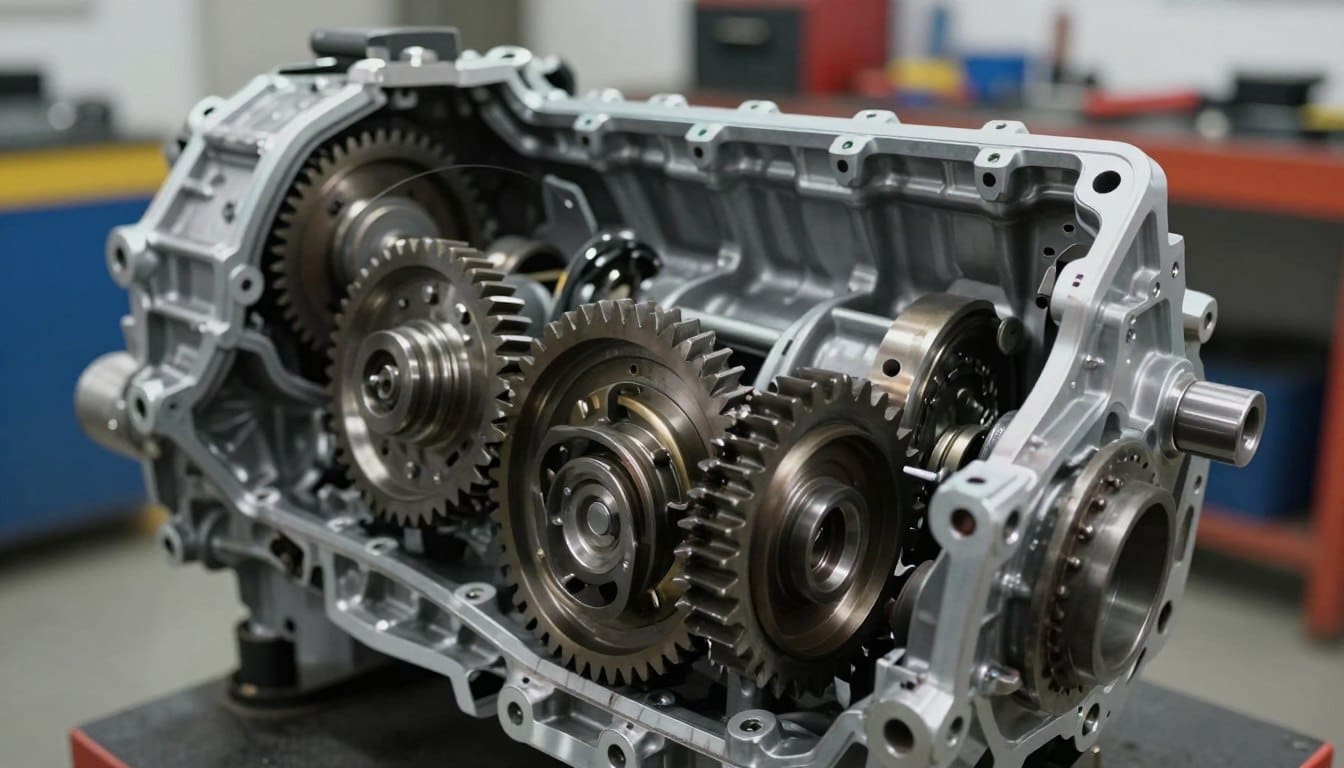
Imagine you’re driving and your car suddenly loses power or changes gears without warning. This can be frustrating and make you feel unsafe. Many people face this issue during their daily drive.
This problem usually means something inside your car isn’t working right. Knowing why your car’s gears slip is key to keeping it running well. At Heaven Automotive, our experts are here to help figure out these complex issues for you.
If your engine revs high but you’re not speeding up, you might need a transmission repair service. Fixing it early can save you from expensive repairs later. Quick action can stop a small problem from turning into a big one.
We encourage you to learn what to do if your transmission slips. Our team is ready to help you feel safe on the road again. We invite you to let us fix your car today.
Key Takeaways
- Unexpected gear shifts often occur without any direct driver input.
- A revving engine without a gain in speed signals a mechanical gap.
- Strange noises like grinding or clunking indicate worn internal parts.
- Burning smells suggest that fluid is overheating or components are failing.
- Low fluid levels or leaks are primary causes of shifting troubles.
- Acting quickly on these signs prevents more costly repairs later.
Understanding the Mechanics of Transmission Slipping
To understand transmission slipping, we must explore how automatic transmissions work. Knowing how these systems operate helps us find the main causes of slipping.
Automatic transmissions are built to shift gears smoothly. This ensures the vehicle runs well. They use hydraulic pressure, transmission fluid, and electronic controls to do this.
How Automatic Transmissions Shift Gears
Automatic transmissions use hydraulic pressure and electronic controls to shift gears. The transmission fluid is key, as it carries power and lubricates parts.
The process starts with the transmission control module (TCM). It sends signals to the solenoids to control hydraulic pressure. This pressure then engages and disengages the clutch packs and bands to shift gears.
| Component | Function | Impact on Gear Shifting |
|---|---|---|
| Transmission Fluid | Lubricates and transmits power | Essential for smooth gear shifting |
| Solenoids | Control hydraulic pressure | Regulate gear engagement and disengagement |
| Clutch Packs and Bands | Engage and disengage gears | Directly affect gear shifting |
The Role of Hydraulic Pressure in Gear Engagement
Hydraulic pressure is key for gear engagement in automatic transmissions. The transmission fluid, under pressure, activates the clutch packs and bands. This makes gear shifts smooth.
If transmission fluid issues like low levels or contamination happen, slipping can occur. This is because the clutch packs and bands may not work right. This can cause delays or failure to shift gears.
Keeping the right hydraulic pressure is vital to avoid gearbox failure. Regular checks and maintenance of the transmission fluid are important. They help spot problems early on.
Identifying the Early Warning Signs of Transmission Slipping
Transmission problems often start with subtle signs. Being vigilant can help you catch slipping before it becomes severe. Your vehicle’s transmission is a sophisticated component that facilitates smooth gear shifting. When it begins to slip, it can lead to a cascade of issues if not addressed promptly.
The early warning signs are critical indicators that something is amiss. Recognizing these signs early on can be the difference between a simple repair and a costly overhaul. You should be on the lookout for unusual behaviors from your vehicle, such as how it engages gears.
Recognizing Unusual Engine Revving
One of the primary signs of transmission slipping is unusual engine revving. When your engine RPMs surge without a corresponding increase in speed, it may indicate that your transmission is struggling to maintain the correct gear. This can be due to worn-out clutch packs or low transmission fluid levels. If you notice your engine revving unusually high when accelerating, it’s a sign that your transmission needs attention.
Detecting Delayed Engagement When Shifting into Drive
Another critical sign is delayed engagement when shifting into drive. If there’s a noticeable pause before your vehicle starts moving after shifting into gear, it could be a sign of transmission slipping. This delay can be caused by low transmission fluid levels, contaminated fluid, or internal component wear. Prompt inspection is necessary to determine the cause and prevent further damage.
To better understand the signs and possible causes, let’s examine a summary:
| Signs of Transmission Slipping | Possible Causes |
|---|---|
| Unusual Engine Revving | Worn-out clutch packs, low transmission fluid |
| Delayed Engagement | Low transmission fluid, contaminated fluid, internal wear |
| Unusual Noises | Clutch pack failure, worn gear teeth |
The Primary Causes of Transmission Slipping
Understanding why your transmission slips is key to fixing it. When your car’s transmission slips, it usually means there’s a problem that needs fixing.
Transmission fluid issues often cause slipping. The fluid’s health and level are vital for your transmission’s well-being.
Low Transmission Fluid Levels and Leaks
Low fluid levels can make your transmission slip. The fluid keeps things running smoothly and helps with gear shifts. A leak can lower the fluid, causing slipping. It’s important to check for leaks and keep the fluid at the right level.
Contaminated or Burnt Transmission Fluid
Fluid that’s dirty or burnt can also cause slipping. Heat, friction, and dirt can damage the fluid over time. This damage can make the fluid lose its ability to lubricate, leading to slipping. Changing the fluid regularly can help avoid this problem.
Worn Clutch Packs and Internal Components
Worn-out clutch packs and other parts can also cause slipping. Clutch packs help gears engage and disengage smoothly. When they wear out, the transmission may slip. Checking and replacing these parts can fix slipping and prevent gearbox failure.
By tackling these main causes, you can keep your transmission healthy and avoid slipping problems.
The Impact of Transmission Fluid Issues on Gearbox Performance
Transmission fluid is key to your gearbox’s health. It’s not just for lubrication; it also helps with smooth gear shifts and keeps the transmission cool.
Bad transmission fluid can cause many problems. It’s important to know how it affects your gearbox. This way, you can catch and fix issues early.
Why Fluid Quality Matters for Friction Management
Fluid quality is essential for managing friction in the transmission. High-quality transmission fluid has additives that reduce friction. This ensures gears move smoothly and prevents wear.
If the fluid degrades, these additives don’t work as well. This can cause gears to slip, hesitate, or even fail. Keeping your transmission fluid in check helps avoid these problems.
The Dangers of Overheating Transmission Systems
Transmission fluid also cools the system. If it’s low or degraded, the transmission can overheat. Overheating can damage transmission parts and cost a lot to fix.
Overheating can happen for many reasons, like low fluid, clogged coolers, or too much load. Checking your transmission fluid regularly and doing maintenance can prevent overheating. This helps your transmission last longer.
- Regularly check transmission fluid levels and condition.
- Maintain the recommended transmission fluid change intervals.
- Monitor for signs of transmission overheating, such as unusual smells or slipping.
Common Mechanical Failures Leading to Gearbox Failure
Mechanical failures often cause gearbox problems. Knowing what can go wrong helps prevent issues. If your transmission acts up, it might be due to mechanical problems that need fixing fast.
Many parts are key to your transmission working right. When these parts fail, it can lead to gearbox trouble. It’s important to know about these parts and how they can fail to keep your vehicle running well.
Solenoid Malfunctions and Electronic Control Unit Errors
Solenoids and the Electronic Control Unit (ECU) are vital in today’s transmissions. Solenoids manage fluid flow and pressure, while the ECU controls the transmission with electronic signals. If solenoids go wrong or the ECU has errors, it can mess up the transmission’s work. This might cause slipping or gears not to engage right.
Solenoid malfunctions can show up in different ways, including:
- Erratic shifting patterns
- Failure to engage gears
- Slipping between gears
Also, ECU errors can make the transmission act strangely. Finding these problems often needs special tools and knowledge.
Torque Converter Issues and Their Symptoms
The torque converter is key in automatic transmissions, helping power move from the engine to the transmission. Problems with the torque converter can cause slipping and gears not to engage.
Common signs of torque converter trouble include:
- Slipping or hesitation between gears
- Unusual noises during acceleration
- Overheating transmission
Fixing torque converter problems usually needs a pro to diagnose and repair it.
Worn Gear Teeth and Internal Metal Debris
Worn gear teeth and metal debris inside the transmission show wear and tear. As gears wear, they can shed metal that circulates in the fluid, causing more damage.
Ignoring worn gear teeth and metal debris can lead to big problems and expensive fixes. Regular checks and maintenance, like fluid changes, can help avoid these issues.
| Cause | Symptoms | Consequences |
|---|---|---|
| Solenoid Malfunctions | Erratic shifting, failure to engage gears | Transmission slipping, gearbox failure |
| Torque Converter Issues | Slipping, unusual noises, overheating | Transmission failure, costly repairs |
| Worn Gear Teeth | Metal debris, transmission noise | Gearbox failure, expensive rebuilds |
The Dangers of Ignoring Transmission Slipping
Ignoring transmission slipping can be dangerous. It affects both your safety and the cost of repairs. This issue needs quick attention to avoid bigger problems.
When your car’s transmission slips, it can cause many problems. These issues can make driving hard and harm your car’s health. The main worries are safety risks at high speeds and higher repair costs.
Safety Risks While Driving at Highway Speeds
Driving with a slipping transmission is risky, more so at high speeds. If the transmission doesn’t shift gears right, your car might jerk or slow down suddenly. This is dangerous on highways where cars are moving fast.
- Loss of Control: A slipping transmission can make your car hard to control. This is true when you’re merging or changing lanes.
- Increased Stopping Distance: If your car hesitates, it’s harder to stop quickly. This can lead to accidents.
- Risk of Being Stranded: In bad cases, a slipping transmission can stop working completely. You might find yourself stuck on the side of the road.
Escalating Repair Costs Due to Secondary Damage
Ignoring transmission slipping can also lead to more damage and higher repair costs. When the transmission isn’t working right, it can wear out other parts of your car’s drivetrain.
- Damage to the Torque Converter: A slipping transmission can make the torque converter overheat and fail. This is an expensive fix.
- Clutch Pack Failure: If you ignore the problem, the clutch packs can fail. These are key for the transmission’s function.
- Other Drivetrain Components: The extra stress on other parts can cause them to wear out faster. This means you’ll need to spend more on repairs or replacements.
Fixing transmission slipping early can prevent these problems and save you money. If you notice your transmission slipping, get it checked by a transmission repair service right away.
Diagnostic Procedures for Transmission Slipping
Figuring out why your transmission slips takes advanced tools and a good eye. When your car’s transmission slips, it might mean there’s a problem that needs fixing fast.
Your car’s transmission helps it shift gears smoothly. But if it slips, it’s a worry. To find out why, you need to know how to diagnose it.
The Importance of Professional Computer Diagnostics
Computer checks are key to finding what’s wrong with your transmission. Today’s cars have complex computers that tell a lot about how they’re working. A skilled mechanic can connect to your car’s computer and find trouble codes that show what’s wrong.
With special tools, a mechanic can watch how your transmission works in real time. They can look at things like transmission fluid pressure, temperature, and how well the gears engage. This helps spot problems like transmission fluid issues, like too little fluid or dirty fluid.
Visual Inspections for Fluid Leaks and Color Changes
Checking your car with your eyes is also important. A mechanic will look for leaks under your car. Low fluid can make your transmission slip.
They’ll also check the color and feel of your transmission fluid. Fluid that’s dark or smells burnt might mean there’s a problem. They can also see if any parts of the transmission are wearing out.
| Diagnostic Method | Purpose | Potential Findings |
|---|---|---|
| Professional Computer Diagnostics | Retrieve diagnostic trouble codes (DTCs) and monitor transmission performance | Issues related to transmission fluid pressure, temperature, and gear engagement |
| Visual Inspections | Check for fluid leaks and inspect transmission fluid condition | Low fluid levels, contaminated fluid, worn clutch packs or bands |
If your transmission is slipping, get it checked by a pro. They can find out what’s wrong and fix it. This way, your car will run smoothly again.
Transmission Repair Service Options
Transmission slipping can be fixed in many ways, from simple fluid changes to full rebuilds or replacements. The repair needed depends on how bad the problem is.
Knowing about the different repair options helps you decide how to fix your car’s gearbox. Here are the main things to consider for each option.
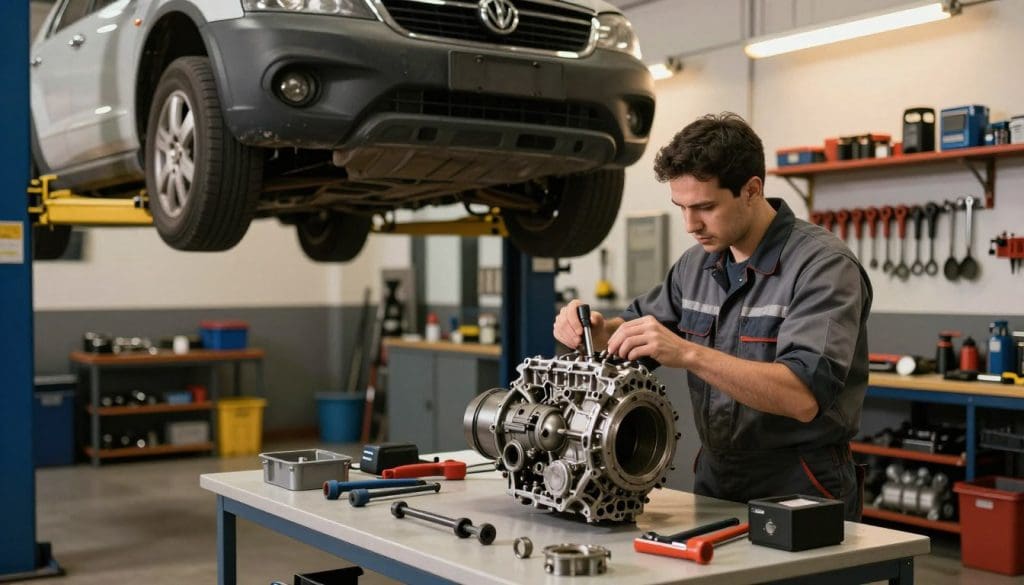
Fluid Flushes Versus Full Transmission Rebuilds
A fluid flush changes the old transmission fluid for new one. It’s good if the slipping is because of dirty fluid. But, if it’s because of worn parts, a flush might not fix it.
A full rebuild means taking apart the transmission and replacing parts. It’s more expensive but needed for serious damage.
Key differences between fluid flushes and full transmission rebuilds:
- Fluid Flush: Replaces old fluid with new; less invasive; may not fix underlying mechanical issues.
- Full Transmission Rebuild: Involves replacing worn parts; more invasive; addresses mechanical issues directly.
When to Consider a Complete Transmission Replacement
Sometimes, replacing the whole transmission is the best choice. This is true if the transmission is old or badly damaged.
Replacing the transmission gets rid of future problems and may come with a warranty. But, it costs more upfront than repairs or rebuilds.
Consider a complete transmission replacement if:
- The transmission is beyond repair due to extensive internal damage.
- The vehicle is old, and other components are likely to fail soon.
- A replacement is more cost-effective than a rebuild in the long run.
Preventative Maintenance to Avoid Future Slipping
To keep your transmission running smoothly, adopting a proactive maintenance routine is key. This includes several practices that prevent transmission slipping and extend your vehicle’s transmission life.
Changing your transmission fluid at the right time is critical. This fluid lubricates the transmission’s parts and controls friction. Over time, it can break down, losing its effectiveness.
Recommended Intervals for Fluid Changes
Always follow your vehicle’s manufacturer guidelines for fluid changes. These intervals usually range from 30,000 to 60,000 miles, based on your vehicle and its use.
Monitoring Transmission Temperature During Heavy Loads
It’s important to watch your transmission’s temperature, more so during heavy loads or towing. High temperatures can cause transmission fluid issues, leading to faster fluid degradation and possible slipping.
| Maintenance Task | Recommended Interval | Benefits |
|---|---|---|
| Transmission Fluid Change | 30,000 – 60,000 miles | Prevents fluid degradation, reduces risk of transmission slipping |
| Transmission Temperature Monitoring | During heavy loads or towing | Prevents overheating, reduces risk of transmission damage |
The Role of Professional Expertise in Transmission Health
Complex gearbox issues need the precision and knowledge of professional technicians. Modern gearboxes are so complex that DIY fixes can often cause more problems than they solve.
Transmission systems are made up of many parts working together. Finding the root of a problem requires a deep understanding of these parts. This is where professional help is key.
Why DIY Repairs Often Fail for Complex Gearboxes
DIY fixes can save money for simple issues. But for complex gearbox problems, they usually don’t work. Here’s why:
- Lack of specialized knowledge: Modern transmissions use advanced technology that only trained professionals can handle.
- Insufficient diagnostic tools: Pros have the latest tools and software to find problems accurately.
- Risk of further damage: Without the right skills, DIY repairs can make things worse, costing more in the long run.
Professional technicians can quickly find and fix complex transmission problems. They spot issues that others might miss.
The Value of Specialized Tools and Diagnostic Software
Special tools and software are essential for fixing transmission problems. They let technicians:
- Get detailed diagnostic info not available with basic tools.
- Make precise adjustments and repairs needed for the transmission to work right.
- Update software and calibrate systems to keep the transmission running smoothly.
Advanced diagnostic software gives real-time data on how the transmission is performing. This helps find problems early, before they get big. This level of detail is hard to get with DIY methods.
Choosing a professional transmission repair service ensures your vehicle gets the right care. These experts not only fix the immediate problem but also help prevent future ones.
Recent Trends in Transmission Technology and Reliability
Transmission technology is always changing, bringing both good and bad news for gearbox reliability. New CVT and dual-clutch systems improve fuel efficiency and smoothness. But, they also introduce new problems.
Advancements in CVT and Dual-Clutch Systems
CVT and dual-clutch systems have made big strides. They make cars more fuel-efficient and accelerate better. CVT systems shift gears without a hitch, and dual-clutch systems shift fast. Yet, these improvements add complexity.
These modern systems need special care to work their best. For example, CVT systems need top-notch transmission fluid to run smoothly.
Common Weak Points in Modern Vehicle Transmissions
Even with progress, modern transmissions have their flaws. Problems like transmission fluid leaks and clutch pack wear can cause big issues. Keeping up with maintenance is key to avoiding these problems.
| Weak Point | Potential Impact | Maintenance Tip |
|---|---|---|
| Transmission Fluid Leaks | Gearbox failure, transmission fluid issues | Regularly check fluid levels |
| Clutch Pack Wear | Slipping, loss of power transfer | Monitor for unusual noises or vibrations |
| Solenoid Malfunctions | Erratic shifting, gearbox failure | Check for error codes with diagnostic tools |
Knowing about these trends and weak spots helps you keep your car’s transmission in top shape. This way, you can avoid expensive repairs due to gearbox failure and fluid problems.
The Economic Consequences of Transmission Failure
A faulty transmission can cause big financial problems. When your car’s transmission breaks, it leads to many expenses. These costs go beyond just fixing the car.
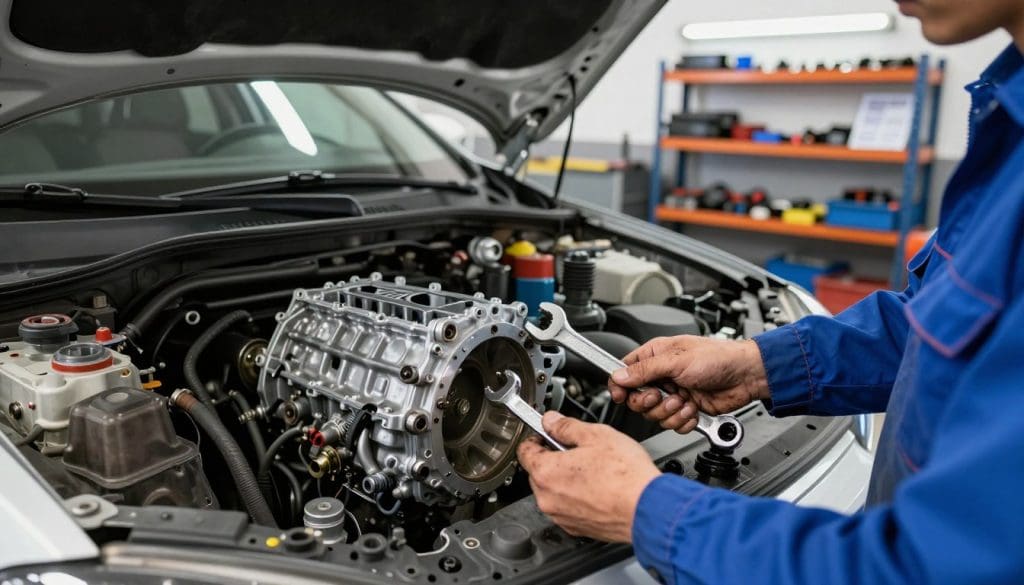
Fixing a transmission can be very expensive. Sometimes, it’s cheaper to buy a new car than fix the old one. This is true, mainly for older cars or those with a lot of miles.
Comparing Repair Costs Against Vehicle Value
When your transmission fails, think about the repair costs versus your car’s value. If the repair is too expensive, it might be better to get a new car.
For example, if fixing your car’s transmission costs $3,000 and it’s worth $5,000, it might not be worth fixing. In this case, the repair could cost more than the car is worth.
- Assess the vehicle’s current market value.
- Obtain a detailed estimate for the transmission repair.
- Compare the repair costs to the vehicle’s value to make an informed decision.
Long-term Savings Through Proactive Maintenance
Regular maintenance can prevent transmission problems. Keeping up with fluid changes and inspections helps avoid costly issues.
By getting regular transmission repair service, you can catch problems early. This saves you money and keeps your car running well.
Also, taking care of your transmission can save you money in the long run. It helps avoid big repairs and might even make your car last longer.
Conclusion
Transmission slipping is a serious issue that can lead to safety risks and costly repairs if ignored. It’s important to understand the causes and recognize early signs. Taking prompt action is key to keeping your vehicle running well.
If you notice your transmission slipping or other gearbox issues, get help fast. Heaven Automotive offers expert transmission repair services. Early action can prevent more expensive repairs later.
To book a transmission repair service, visit Heaven Automotive at 6645 Poss Rd, San Antonio, TX 78238. Or call (210) 682-3898. Their team is ready to help you get back on the road safely and efficiently. They ensure your vehicle’s transmission works smoothly for years.