

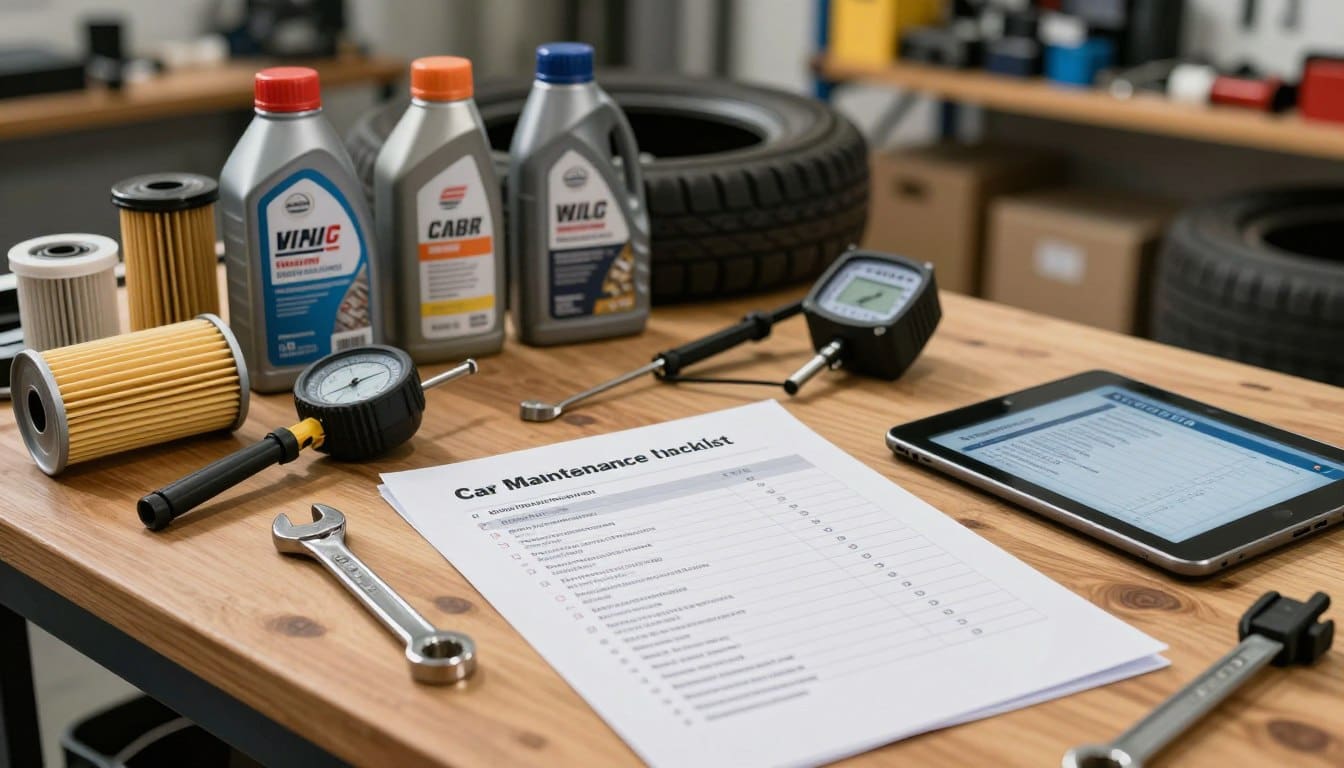
Having a car is a big job that needs constant care. To keep your car safe and running well, you need a good plan. A routine maintenance guide helps you avoid expensive fixes and keeps your engine running smoothly for years.
Heaven Automotive thinks every driver should know what their car needs. We aim to make your car last longer and perform better with the right care. Fixing small problems early can stop big ones later.
Keeping your car in great shape takes focus on the details. Regular inspections are key to protecting your investment. Let us guide you with expert advice for your car’s hood and tires.
If you need expert help, call Heaven Automotive. Visit us at 6645 Poss Rd. San Antonio, TX 78238 or dial (210) 682-3898.
Key Takeaways
- Perform consistent inspections to catch minor mechanical issues early.
- Monitor all fluid levels to ensure peak engine performance and safety.
- Check tire pressure regularly for better gas mileage and traction.
- Follow a seasonal schedule to prepare your ride for weather changes.
- Keep detailed records of all services to help your future resale value.
- Trust certified experts for complex repairs to avoid safety risks.
Understanding the Importance of a Consistent Car Maintenance Checklist
Having a consistent car maintenance checklist is key to your vehicle’s health. Regular care keeps your car running well and saves money on repairs. It’s a smart way to keep your car in top shape.
By sticking to a checklist, you avoid breakdowns and save money. Routine car care includes important tasks like regular oil changes, tire rotations, and brake pad replacements. These tasks help your car run smoothly and safely.
Regular oil changes prevent engine damage. Timely brake pad replacements stop accidents. Following a vehicle service interval schedule also cuts down repair costs.
| Maintenance Activity | Regular Maintenance Cost | Deferred Maintenance Cost |
|---|---|---|
| Oil Change | $50 | $500 (Engine Repair) |
| Tire Rotation | $20 | $200 (Tire Replacement) |
| Brake Pad Replacement | $100 | $500 (Brake System Repair) |
The table shows regular care saves a lot of money. A well-kept car is also safer and more reliable.
In summary, a consistent car maintenance checklist is vital. It keeps your car healthy and saves money. By following a regular schedule, you ensure a safer, more reliable drive while avoiding costly repairs.
The Role of Vehicle Service Intervals in Modern Automotive Longevity
Knowing and following vehicle service intervals is key for car owners wanting a long-lasting vehicle. Cars, like all machines, wear out over time. But, regular and timely maintenance can slow down this wear, avoiding costly repairs.
Following a car maintenance checklist with regular service intervals helps spot issues early. This saves money and keeps your car running well, safe and in top shape.
Manufacturers set vehicle service intervals after lots of research and testing. These intervals change based on the car’s make, model, year, and how it’s used.
| Service Interval | Description | Typical Mileage |
|---|---|---|
| Oil Change | Replace engine oil and filter | 5,000 – 7,500 miles |
| Tire Rotation | Rotate tires for even wear | 6,000 – 8,000 miles |
| Brake Pad Inspection | Inspect brake pads for wear | 10,000 – 15,000 miles |
For a full guide on keeping your car in shape, check out a yearly maintenance checklist for car owners. It offers detailed tips on keeping your vehicle in top condition.
By sticking to recommended service intervals and keeping up with your car’s needs, you can make it last longer. And it will keep running smoothly.
Engine Oil and Filter Replacement Protocols
Keeping your vehicle’s engine in top shape is key to its long life and performance. It all begins with the right engine oil and filter replacement. Clean oil keeps your engine running smoothly, reducing friction and preventing overheating.
Determining Synthetic Versus Conventional Oil Needs
Deciding between synthetic and conventional oil depends on several factors. These include your vehicle’s make and model, how you drive, and your personal choice. Learning the differences between synthetic and conventional oils can guide your decision.
Synthetic oil performs better in extreme temperatures and offers better engine protection. But, it costs more than conventional oil.
| Oil Type | Performance in Extreme Temperatures | Engine Protection | Cost |
|---|---|---|---|
| Synthetic Oil | Excellent | Superior | Higher |
| Conventional Oil | Good | Good | Lower |
Recognizing Signs of Oil Degradation
Regularly checking your engine oil is important. Dark or dirty oil means it’s time for a change. Also, unusual engine noises or decreased performance could be due to oil degradation.
Key signs of oil degradation include:
- Dark or dirty oil
- Unusual engine noises
- Decreased engine performance
Cooling System Health and Radiator Maintenance
A well-working cooling system is key for your car’s health and life span. Your car’s engine makes a lot of heat. The cooling system keeps this heat in check. A well-kept cooling system stops your engine from overheating, which can damage it a lot.
Keeping your cooling system in good shape involves a few important steps. One major task is to check the coolant levels. Low coolant levels can cause your engine to overheat, which can harm the engine block, head gasket, or other important parts.
Monitoring Coolant Levels and Preventing Overheating
To avoid overheating, it’s important to check your coolant levels often. Do this when your engine is cold to get an accurate reading. If your coolant level is always low, it might mean there’s a leak in the system. Fixing leaks quickly is key to avoiding damage.
Also, make sure you’re using the right type of coolant for your car, as your owner’s manual says. Using the wrong coolant can cause problems and make your cooling system less effective.
Inspecting Hoses and Belts for Wear
Another important part of cooling system care is checking hoses and belts for wear. Cracked or damaged hoses can cause coolant leaks, and worn-out belts can make your cooling system fail. Regular checks can spot these problems early.
When checking hoses, look for cracks, softening, or bulging. For belts, check for cracks, frays, or too much wear. Replacing these parts when you first notice wear can save you from expensive repairs later.
By following these tips and keeping up with cooling system care, you can make sure your car runs well and efficiently. Regular checks and maintenance are important parts of a car maintenance checklist. They help keep your car in top shape.
Brake: System Safety and Performance Checks
Your vehicle’s brake system is key to your safety on the road. It’s vital to check it regularly as part of a routine maintenance guide. This helps prevent accidents and keeps your vehicle running smoothly.
Ignoring brake maintenance can cause big problems. It can make stopping harder and reduce control over your vehicle. Regular checks help spot issues early, saving you money and time on auto repair tips.
Evaluating Brake Pad Thickness and Rotor Condition
Checking your brake pads and rotors is a must. Worn-out brake pads can make braking less effective. Damaged rotors can cause vibrations and noise when you brake.
- Check brake pad thickness: Make sure they’re above the minimum thickness recommended by the manufacturer.
- Inspect rotor condition: Look for wear signs like scoring or rust. Consider resurfacing or replacing them if needed.
The Importance of Brake Fluid Flushes
Brake fluid is vital for your vehicle’s brakes. It helps transfer pressure to the brake calipers. But, it can get contaminated over time, affecting its performance.
Flushing your brake fluid regularly is key. Do it every 30,000 to 50,000 miles, or as your vehicle’s manual suggests.
Key benefits of brake fluid flushes:
- Improved brake performance
- Reduced risk of brake failure
- Extended lifespan of brake components
By adding brake system checks to your routine maintenance guide, you keep your vehicle safe and reliable.
Tire Care and Alignment Standards
Your vehicle’s tires are the only part touching the road. Keeping them in good shape is essential for safety and fuel efficiency. Always check your tires regularly.
Regular checks can spot problems early. Look for uneven wear, damage, or worn-out tread.
Checking Tire Pressure and Tread Depth
Keeping the right tire pressure is vital. It affects how well your tires work and how much fuel you use. The recommended pressure is on the tire information placard or in your owner’s manual.
To check tread depth, use a penny. Stick it into the tire groove with Lincoln’s head down. If you see his head, it’s time for new tires.
Understanding the Necessity of Tire Rotation
Tire rotation is key to your car maintenance checklist. It makes tread wear even, improves grip, and extends tire life. Most cars need tire rotation every 5,000 to 8,000 miles.
Following a routine maintenance guide with regular rotations prevents uneven wear. This can save your tires and improve how your car handles.
By adding tire care and alignment to your routine, you’ll drive safer and more efficiently.
Battery Health and Electrical System Diagnostics
A good battery is essential for your car’s electrical system. It helps avoid sudden breakdowns. Batteries don’t last forever, and extreme temperatures can shorten their life.
A weak battery might show signs like slow starts or dim lights. But many people don’t notice until it stops working.
Regular checks can spot problems early. This includes testing the battery’s voltage and looking for corrosion. You should also check the alternator and starter motor for any issues.
Testing Battery Voltage and Terminal Corrosion
Checking your battery’s voltage is important. A fully charged battery should read about 12.6 volts when the engine is off. Use a multimeter to test the voltage.
Also, look for corrosion on the terminals. Corrosion can block the flow of electrical current.
Steps to check battery voltage:
- Ensure the engine is turned off.
- Set the multimeter to DC voltage.
- Connect the multimeter leads to the battery terminals.
- Read the voltage on the multimeter.
Identifying Alternator and Starter Motor Issues
The alternator and starter motor are key to your car’s electrical system. Problems with these parts can cause issues like hard starts or dim lights.
| Component | Signs of Failure | Common Causes |
|---|---|---|
| Alternator | Dim or flickering lights, dead battery | Worn belts, faulty voltage regulator |
| Starter Motor | Clicking sound when turning the key, failure to start | Worn starter motor, dead battery, faulty solenoid |
Transmission Fluid and Drivetrain Maintenance
To keep your car running smoothly, it’s key to know about transmission fluid and drivetrain care. Like engine oil, transmission fluid lubricates the moving parts in your transmission. It keeps everything working right.
Ignoring transmission fluid care can cause big problems. Issues like transmission slippage can make your car hesitate or struggle when shifting gears. Regular checks and care are key to avoid these issues.
Recognizing Symptoms of Transmission Slippage
Transmission slippage happens when your car’s transmission doesn’t engage gears right. This leads to slow acceleration or a feeling of slipping between gears. Signs include:
- RPM changes without speed changes
- Delayed or harsh shifting
- Unusual noises during gear shifts
If you see these signs, check your transmission fluid level and condition. Low or dirty fluid can cause or make slippage worse.
The Significance of Fluid Color and Smell
The color and smell of your transmission fluid tell you a lot about its condition and your transmission’s health. Healthy fluid is bright red and smells slightly sweet.
| Fluid Color | Fluid Condition | Recommended Action |
|---|---|---|
| Bright Red | Good condition | No action needed |
| Dark Red or Brown | Dirty or degraded | Change the fluid |
| Black | Severely degraded | Change the fluid and inspect the transmission |
Adding transmission fluid checks to your routine maintenance guide can prevent problems. It’s also a key part of a detailed car maintenance checklist. Regular transmission maintenance ensures your car runs smoothly and lasts longer.
Suspension and Steering Component Inspections
Regular checks of your vehicle’s suspension and steering parts are key for a smooth ride and safety. A good suspension system absorbs bumps. The steering system lets you steer your vehicle.
Make sure to inspect these parts during your vehicle service intervals. Skipping this can harm your vehicle’s performance and safety. It might also cost you a lot to fix later.
Identifying Worn Shocks and Struts
Shocks and struts are important for a smooth ride and handling. They can wear out, making your ride rough and hard to control. Look for these signs of wear:
- A noticeable decrease in ride quality
- Increased bouncing or oscillation after hitting bumps
- Leaks or damage to the shock or strut
A mechanic should check your shocks and struts every 50,000 miles. Or when you notice your vehicle’s performance dropping.
Checking Power Steering Fluid and Rack Integrity
The power steering system is also important to check regularly. Check the power steering fluid level and look for any contamination. This is in the reservoir.
Also, check the power steering rack for wear or damage. Look for leaks, worn or damaged boots, or any other visible issues. If you find problems, get a professional mechanic to fix them. This is part of your auto repair tips to avoid more damage.
By following these tips, you can keep your vehicle running smoothly. This ensures a safe and enjoyable drive.
Exhaust System and Emissions Compliance
Your vehicle’s exhaust system is key to reducing emissions and keeping the engine running well. It’s important for the environment and for following state emissions rules.
Regular checks are essential to catch problems early. A diagnostic scan can spot misfires, sensor failures, and other issues. These can affect how well your exhaust system works.
Detecting Exhaust Leaks and Catalytic Converter Issues
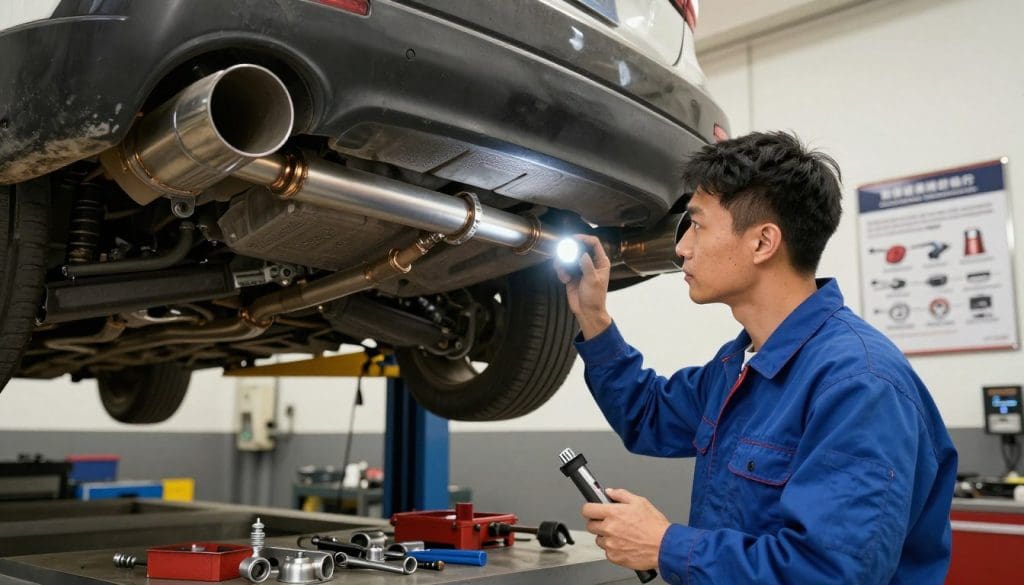
Exhaust leaks can hurt your engine’s performance and increase emissions. Listen for odd sounds from the exhaust, like hissing or rattling. Also, look for damage or rust on the exhaust pipes and muffler.
- Check for rust or damage on exhaust components
- Listen for unusual noises from the exhaust system
- Monitor your dashboard for warning lights related to emissions or engine performance
The catalytic converter is vital for reducing harmful emissions. If it’s failing, you might notice your engine isn’t as strong, you’re using more fuel, and your exhaust smells like rotten eggs.
Ensuring Your Vehicle Passes State Inspections
To pass state inspections, keep your exhaust system in good shape. Look for leaks, make sure the catalytic converter works right, and fix any problems quickly.
Key steps to prepare for a state inspection:
- Check your exhaust system for leaks and damage
- Ensure your catalytic converter is in good condition
- Address any issues identified during your diagnostic scan
By taking these steps and adding them to your car maintenance checklist, you’ll keep your vehicle up to emissions standards. Regular maintenance is a key part of a routine maintenance guide for every car owner.
Lighting and Visibility Systems
The lighting and visibility systems of your vehicle are key to preventing accidents. They include headlights, brake lights, windshield wipers, and washer fluid. These systems help keep the road clear and let other drivers know what you’re doing.
Replacing Headlights and Brake Light Bulbs
Replacing headlights and brake light bulbs is easy and makes your vehicle safer. Always check your car’s manual for the right steps and bulb type. Headlights usually need to be changed every 12 to 18 months.
Steps for Replacing Headlight Bulbs:
- Purchase the correct replacement bulb for your vehicle.
- Turn off the engine and let it cool down.
- Access the headlight assembly, usually by opening the hood or removing a trim piece.
- Disconnect the electrical connector from the bulb.
- Remove the bulb, taking care not to touch the glass part.
- Install the new bulb, reconnect the electrical connector, and test the headlight.
Maintaining Windshield Wipers and Washer Fluid
Windshield wipers and washer fluid are vital for clear vision in rain or snow. Windshield wipers should be replaced about once a year or when they’re not working well.
Tips for Maintaining Windshield Wipers:
- Inspect your windshield wipers regularly for signs of wear, such as cracks or uneven edges.
- Replace wipers that show signs of deterioration or leave streaks on the windshield.
- Clean the windshield and wiper blades regularly to prevent debris buildup.
| Component | Maintenance Interval | Signs of Wear |
|---|---|---|
| Headlight Bulbs | Every 12-18 months | Dimming, discoloration |
| Windshield Wipers | Every 12 months or as needed | Cracks, uneven edges, streaks |
| Washer Fluid | Check monthly, refill as needed | Low fluid level, poor cleaning |
By following these auto repair tips, you can make your driving safer. Regular checks and timely replacements keep your vehicle in top shape. This ensures it meets vehicle service intervals and stays safe on the road.
Air Filtration and Cabin Environment
Keeping your car’s air filters clean is key for engine health and air quality inside. A good air filter system makes sure your engine gets clean air. This is vital for it to run well and use less fuel. It also keeps the air in your car clean by removing pollutants and allergens.
Engine Air Filter Replacement Benefits
Your air filter stops dirt from getting into your engine. It should be changed every 30,000 miles or 12 months. Doing this keeps your car running smoothly. A clean air filter also helps your car use less fuel and produce fewer emissions.
Key benefits of regular engine air filter replacement include:
- Improved engine performance
- Better fuel efficiency
- Reduced emissions
- Extended engine lifespan
Cabin Air Filter Maintenance for Air Quality
The cabin air filter is just as important. It makes sure the air in your car is clean. Keeping it clean is vital for good air quality. A dirty filter can make the air in your car less fresh and may worsen allergies or breathing problems.
To maintain optimal cabin air quality:
- Check and replace the cabin air filter as per the manufacturer’s recommendations
- Inspect the filter for dust, pollen, and other contaminants
- Consider upgrading to a high-quality cabin air filter for better filtration
Fuel System Cleaning and Injector Care
Keeping your fuel system clean and your injectors in good shape boosts your car’s performance. A clean fuel system ensures your engine gets the right amount of fuel. Without it, your car might use more fuel, lose power, and even damage its engine.
To keep your fuel system healthy, it’s key to prevent fuel line deposits. These deposits can block fuel injectors and lower engine performance. Routine checks can stop problems before they start, and fixing small issues like dirty filters or low fluids can prevent bigger problems.
Preventing Fuel Line Deposits
Stopping fuel line deposits requires good fuel quality and regular maintenance. Using high-quality fuel with detergents helps clean your fuel system. Also, adding fuel system cleaning treatments to your tank can dissolve and remove deposits.
Fuel additives are vital for a clean fuel system. They remove dirt and deposits from fuel injectors and valves, making your engine run smoothly. Following the vehicle service intervals for fuel system cleaning is also important to prevent deposits.
The Impact of Fuel Quality on Engine Performance
The fuel quality in your vehicle directly affects its performance. Bad fuel can have contaminants that clog fuel injectors and filters, reducing engine efficiency and potentially causing damage.
Using high-quality fuel that meets your vehicle’s manufacturer’s standards is essential. This type of fuel is less likely to have harmful contaminants and is made to keep your fuel system clean. By choosing the right fuel and maintaining your fuel system, your engine will run better and follow auto repair tips for preventive care.
Also, the fuel type you use can impact your vehicle’s performance and lifespan. Always check your vehicle’s owner’s manual for the recommended fuel type and follow any maintenance guidelines for your fuel system.
Seasonal Maintenance Tips for Texas Drivers
To keep your vehicle running smoothly in Texas’s unique climate, consider these seasonal maintenance tips. Texas’s extreme temperatures can affect your car’s performance. A well-maintained vehicle is essential to withstand the heat and temperature fluctuations.
Preparing Your Vehicle for Extreme Heat
The scorching Texas summers can be harsh on your vehicle. High temperatures can cause your engine to overheat, leading to costly repairs. To prepare your vehicle for the heat:
- Check your coolant levels regularly to ensure they’re at the recommended level.
- Inspect your radiator hoses for signs of wear and tear.
- Consider upgrading to a high-performance cooling system if you live in an area with frequent extreme heatwaves.
Managing Fluid Levels During Temperature Fluctuations
Temperature fluctuations can cause your vehicle’s fluids to degrade faster. Regularly checking your fluid levels is critical to maintaining your vehicle’s health. Here’s a guide to help you manage your fluid levels:
| Fluid Type | Check Interval | Recommended Level |
|---|---|---|
| Engine Oil | Monthly | Between “MIN” and “MAX” marks on the dipstick |
| Coolant | Every 3 months | Between “MIN” and “MAX” marks on the reservoir |
| Brake Fluid | Every 6 months | Between “MIN” and “MAX” marks on the reservoir |
By following this routine maintenance guide, you’ll be able to identify issues before they become major problems. Always check your owner’s manual for specific recommendations on maintaining your vehicle’s fluid levels.
Common Auto Repair Tips for DIY Enthuasiasts
You can do many auto repairs yourself with the right tools and knowledge. Everyone drives differently, whether it’s long commutes or weekend drives. Some tow heavy loads, while others face extreme weather.
It’s key to know what your car needs based on how you drive. For example, driving in hot or cold weather might mean more frequent checks on certain parts.
Knowing When to Perform Maintenance Yourself
If you love DIY, it’s important to know what you can do yourself. Here are some tasks you might consider:
- Checking and maintaining tire pressure and tread depth
- Replacing air filters for better engine performance and air quality
- Inspecting and replacing windshield wipers
- Changing your vehicle’s oil and filter according to the manufacturer’s schedule
Always refer to your vehicle’s manual for guidance on DIY maintenance tasks and to understand the recommended service intervals.
When to Seek Professional Assistance
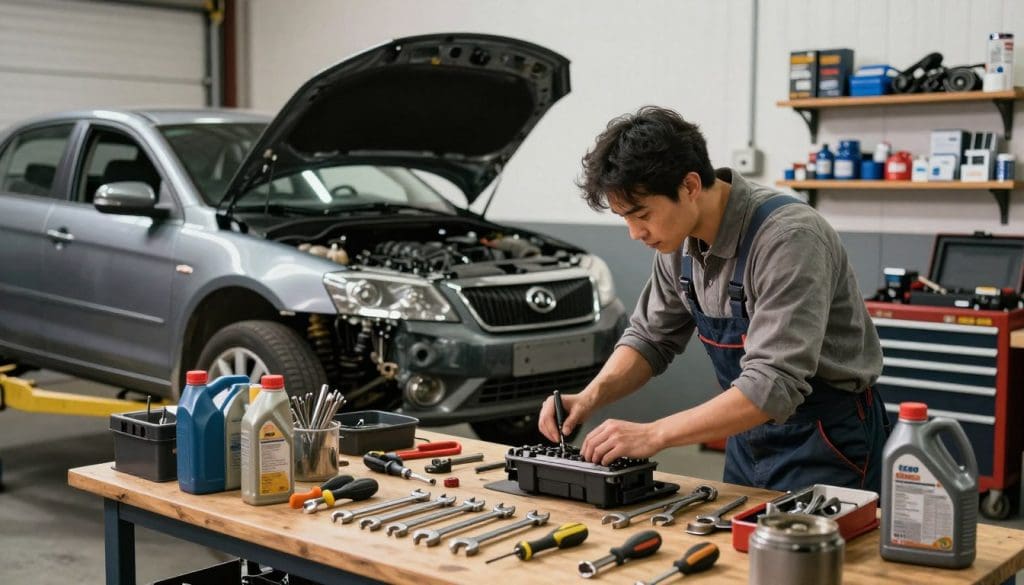
While DIY repairs save money, some tasks need a pro’s touch. Here are some examples:
- Complex engine repairs or diagnostics
- Brake system repairs, including brake pad replacement and rotor resurfacing
- Transmission issues, such as slippage or fluid leaks
- Advanced electrical system diagnostics and repairs
If a repair seems too hard or you’re not sure, it’s wise to consult a professional mechanic. This ensures your car stays safe and reliable.
Conclusion
Following a detailed car maintenance checklist and sticking to a routine can really help your car last longer. It also keeps you safe from sudden breakdowns and expensive fixes.
Regular upkeep makes sure your car works well and stays safe. It’s key for keeping your vehicle in top shape.
If you need help with your car’s maintenance or repairs, check out Heaven Automotive. They’re at 6645 Poss Rd, San Antonio, TX 78238. You can also call them at (210) 682-3898 to book a time.