

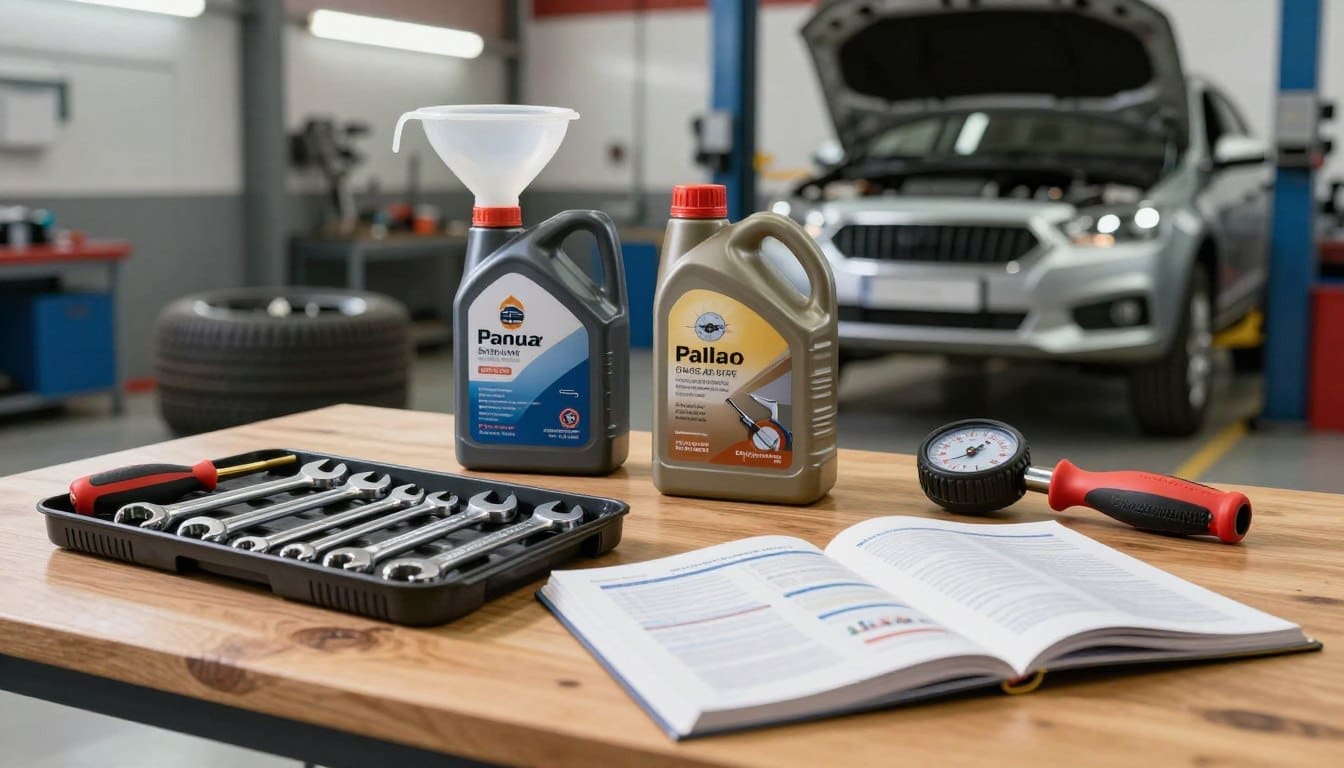
Keeping your vehicle in top shape is about more than just avoiding repair bills. It is a critical part of ensuring your safety and the reliability of your daily transportation. Shockingly, data from the National Highway Traffic Safety Administration reveals a sobering fact. Over 13,000 American lives were lost between Memorial Day and Labor Day in past years due to neglected auto upkeep.
This statistic highlights why proactive care is non-negotiable. For drivers in San Antonio, understanding a few core principles can make all the difference on busy roads and during long commutes. Consistent attention helps your engine perform efficiently and prevents sudden, dangerous failures.
We have compiled expert guidance to help you navigate this important responsibility. Our goal is to provide clear, actionable advice so you can keep your car running smoothly year-round. This knowledge empowers you to tackle common issues before they strand you.
Remember, proper vehicle service is not a mere chore. It is a vital safety practice that directly protects you and your passengers on every journey. Taking the time for regular checks is an investment in peace of mind.
Key Takeaways
- Regular vehicle upkeep is essential for safety and reliability, not just cost savings.
- NHTSA data links thousands of seasonal fatalities to unperformed auto maintenance.
- Proactive care prevents major engine and oil problems that lead to roadside breakdowns.
- Expert advice is tailored to help San Antonio drivers handle local driving conditions.
- Following a consistent service schedule is a crucial investment in your family’s protection.
- Simple, routine checks can significantly extend the life and performance of your car.
Understanding Your Vehicle’s Maintenance Essentials
Knowing what your ride requires for optimal operation prevents unexpected failures and costly downtime. The U.S. Department of Transportation links 2,600 annual fatalities to neglected auto upkeep. This stark fact underscores why mastering a few core services is non-negotiable for your security.
Benefits of Regular Maintenance for Longevity
Consistent service is your engine’s best friend. A timely oil change lubricates internal parts, preventing the severe damage caused by friction.
Following a prescribed schedule for your vehicle extends the life of critical components. This proactive care keeps your machine running smoothly for years, not just months.
Enhancing Safety and Fuel Efficiency
Your safety directly connects to systems like tire pressure and brakes. Proper inspection ensures you can stop and handle the auto reliably on any road.
Monitoring coolant and transmission fluid is equally vital. Correct levels help your automobile maintain peak performance and fuel efficiency, especially during long drives in the San Antonio area.
| Essential Fluid | Primary Function | Check Frequency | Key Benefit |
|---|---|---|---|
| Engine Oil | Lubricates and cools engine components | Every 3,000-5,000 miles | Prevents friction damage, extends engine life |
| Coolant | Regulates engine temperature | Every service interval or seasonally | Prevents overheating, ensures optimal performance |
| Transmission Fluid | Lubricates transmission gears | Every 30,000-60,000 miles | Ensures smooth shifting and fuel efficiency |
| Brake Fluid | Transfers force in the braking system | Every 2 years or as recommended | Maintains stopping power and safety |
Investing time in these fundamental checks is a powerful strategy. It stops minor issues from becoming major, expensive repairs. This routine care ensures your transportation remains a dependable partner for all your journeys.
Exploring the Cost Savings of Preventive Car Care
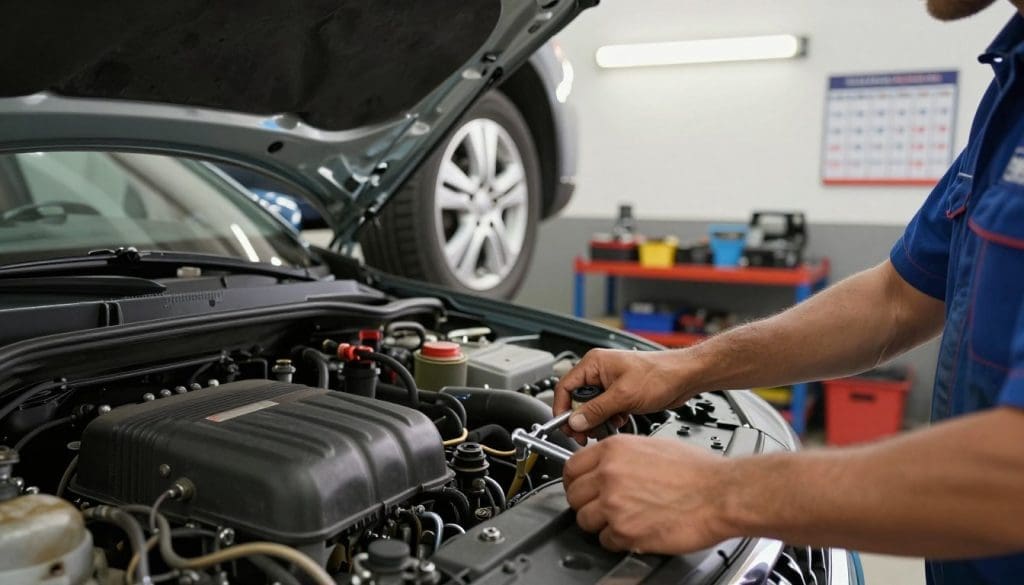
Investing in preventive auto care is a powerful financial strategy that protects your budget from unexpected breakdowns. Data from the Car Care Council shows how simple oversights, like a damaged gas cap, can waste millions of gallons of fuel yearly. This highlights the direct link between regular attention and your savings.
How Routine Checks Prevent Expensive Repairs
Frequent inspection of your engine, coolant, and transmission fluid stops minor leaks from becoming major disasters. A small issue caught early costs far less than a full system failure.
Monitoring tire pressure and mileage boosts fuel efficiency. It also avoids premature wear that leads to costly replacements. This is especially valuable for local driving conditions.
Long-Term Savings for a Healthier Engine
A proactive approach ensures your powerplant stays in peak condition. It prevents mechanical problems that demand expensive shop visits.
Consistent service work on your brake system and fluid levels maintains safety. It helps you dodge the high prices of emergency fixes. Smart drivers know spending a little time now is the best way to guard their wallet.
| Service Type | Typical Cost | Potential Savings | Recommended Frequency |
|---|---|---|---|
| Oil & Filter Change | $40 – $80 | Prevents engine wear ($3,000+ repair) | Every 5,000 miles |
| Tire Pressure Check | $0 (DIY) | Improves fuel efficiency by 3% | Monthly |
| Brake Fluid Flush | $100 – $150 | Avoids caliper/rotor replacement ($600+) | Every 2 years |
| Coolant System Inspection | $50 – $100 | Prevents overheating damage ($1,200+) | Annually |
This table illustrates how modest, planned services shield you from far larger bills. Embracing preventive care is a smart economic decision for any vehicle owner.
Car maintenance tips San Antonio
Finding a reliable service center you can trust is the cornerstone of effective auto care in any city. For drivers in this region, local knowledge makes all the difference.
Local Insights for San Antonio Drivers
The local climate and road conditions present unique challenges. Intense heat can strain your vehicle’s cooling system and battery.
Regular checks on these components are vital for safe driving. Consistent attention to tire pressure and alignment also protects against premature wear.
Why Heaven Automotive at 6645 Poss Rd, San Antonio, TX 78238 is Your Go-To Service Center
Heaven Automotive provides expert service to manage your maintenance needs effectively. Our certified technicians perform a thorough inspection to spot potential problems early.
We use high-quality parts for everything from a quick oil change to complex engine repair. This proactive care keeps your automobile running safely.
For additional options, drivers can visit Automotive Solutions at 8607 N New Braunfels Ave. Regular service at a trusted shop ensures your filter, brake pads, and engine components are in peak condition.
Step-by-Step Guide for Routine Service and Oil Changes
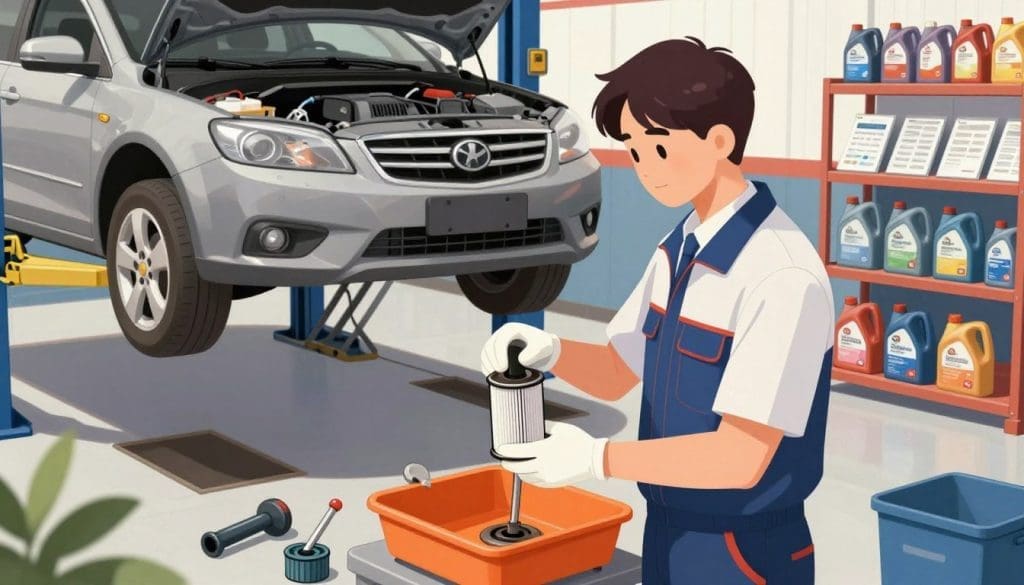
A systematic approach to routine checks and fluid changes is the key to prolonging your engine’s health and performance. Following a clear sequence helps you avoid oversights that lead to breakdowns.
Checking Fluid Levels and Scheduling Oil Changes
Start by inspecting essential fluids like engine oil, coolant, and brake fluid monthly. Low levels can cause severe damage to your vehicle’s systems.
Scheduling an oil change every 5,000 to 7,500 miles is a simple service that significantly extends engine life. Our technicians replace the old oil filter during this process to ensure everything runs smoothly.
They also examine your brake system and tire pressure. This keeps your auto safe for every trip.
Ensuring Proper Filter, Belt, and Spark Plug Maintenance
A detailed inspection of your air filter and drive belts prevents leaks and unexpected road trouble. Worn belts can snap, causing immediate failure.
According to the Car Care Council, spark plugs fire 3 million times per 1,000 miles. Timely replacement is vital for your automobile’s fuel efficiency and overall performance.
Proper care of these parts, including the transmission, is the best way to keep your ride running smoothly for many miles.
Identifying and Addressing Common Vehicle Issues
National inspection data reveals a startling fact: 21% of automobiles checked had under-inflated tires. This simple oversight risks dangerous blowouts and poor handling. Spotting early trouble signs in your vehicle can mean the difference between a simple fix and a major roadside failure.
Recognizing Warning Signs and Dashboard Alerts
Your dashboard lights and unusual engine noises are your automobile’s way of asking for help. Do not ignore these signals. Bringing your vehicle for a professional inspection immediately can pinpoint problems with oil levels or engine performance before they worsen.
Tire Wear, Brake Performance, and Belt Inspections
Technicians are trained to check tread depth, brake pad thickness, and belt condition. Worn parts in these systems lead to expensive repairs if neglected. Regular care of your tire and brake systems is essential for safe driving in any traffic.
| Warning Sign | Possible Cause | Recommended Action |
|---|---|---|
| Dashboard Warning Light | Low fluid pressure, electrical issue, or system fault | Schedule professional diagnostic scan immediately |
| Unusual Noises (Squealing/Grinding) | Worn brake pads, belt slippage, or bearing failure | Inspect brake system and drive belts without delay |
| Poor Fuel Efficiency | Dirty air filter, under-inflated tires, or engine issue | Check tire pressure, replace air filter, engine diagnostic |
| Vehicle Pulling to One Side | Uneven tire wear, alignment problem, or brake drag | Inspect tires and brakes, perform wheel alignment |
This service guidance helps you understand what your automobile communicates. Addressing these signs promptly with a thorough inspection ensures reliable performance and protects your investment.
Maximizing Performance with Preventative Maintenance
Your driving habits have a direct and measurable impact on how far each tank of gas will take you. Data shows aggressive behavior behind the wheel can slash highway fuel efficiency by up to 33%. A proactive care strategy blends your own vigilance with expert service to achieve peak performance.
DIY Maintenance Versus Professional Service
You can handle basic checks like tire pressure and fluid levels. This is a good way to monitor your vehicle’s health between shop visits.
Complex work on the engine or transmission requires a professional. Skilled service ensures problems are fixed correctly before they cause damage.
This balanced approach is the best way to keep your car running smoothly for many miles. It addresses potential issues early.
| Task Type | Example Tasks | Recommended Frequency | Key Benefit |
|---|---|---|---|
| DIY (At Home) | Check tire pressure, top off windshield washer fluid, inspect lights | Monthly | Maintains safety and identifies early warning signs |
| Professional Service | Oil change, brake system inspection, coolant flush, air filter replacement | Every 5,000-7,500 miles or as manual specifies | Ensures complex systems are in perfect condition and prevents major repairs |
| Diagnostic & Repair | Transmission service, engine diagnostics, electrical system fixes | When warning lights appear or performance drops | Solves complex problems to restore fuel economy and road safety |
Choosing expert care for critical parts optimizes your vehicle’s longevity. It protects your investment and maximizes efficiency on every drive.
Conclusion
Smart ownership means viewing regular service not as an expense, but as a vital form of protection. Consistent attention to your automobile’s health is the most effective way to ensure safe, efficient travel for years.
Simple routines like monitoring oil and coolant levels prevent major engine damage. Checking tire pressure safeguards your family on every trip.
For complex systems like your transmission, professional care is essential. Trusting experts for transmission repair and other services avoids costly repairs down the line.
We invite you to schedule your next appointment. Let our team help keep your vehicle in peak condition for every journey ahead.