

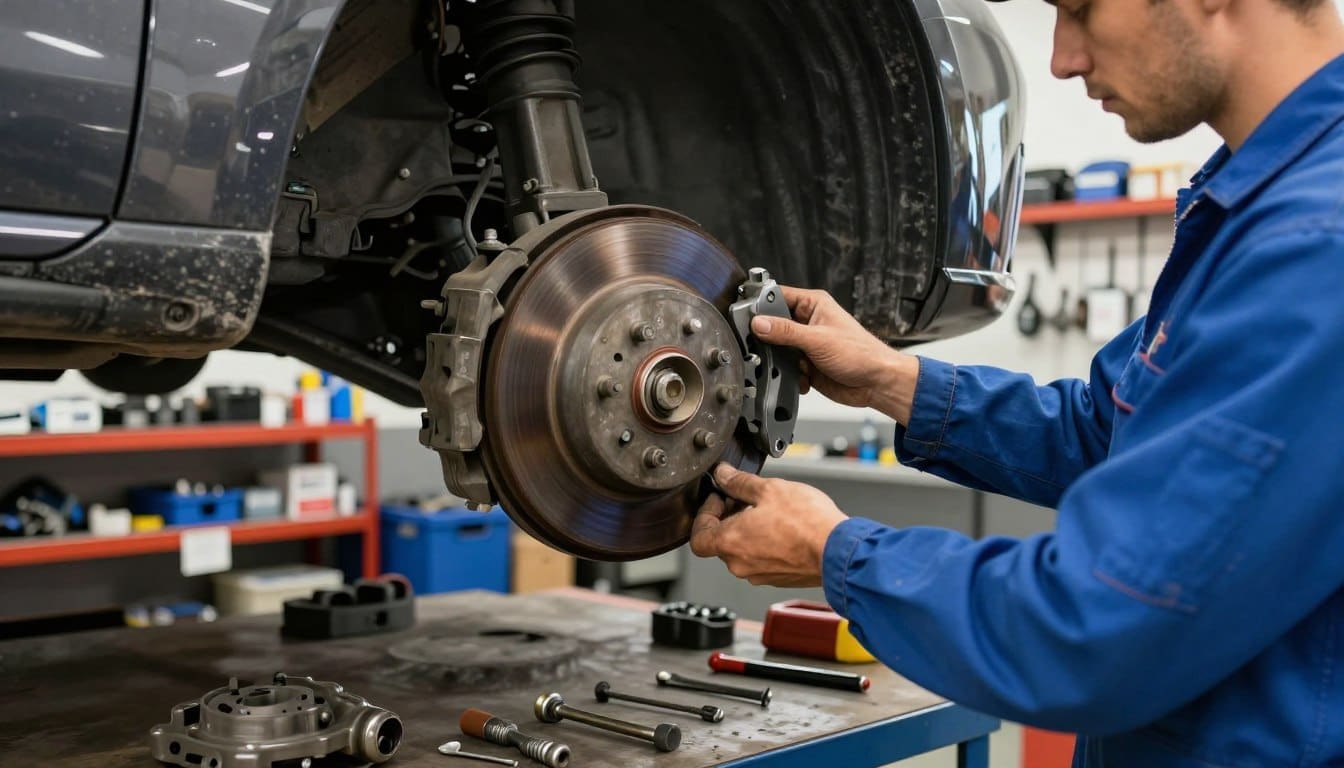
Your vehicle is a complex machine, but it often tells you when something is wrong. Ignoring strange noises or a soft pedal can lead to dangerous situations on the road. Your safety is our top priority, and catching these issues early is the best way to avoid costly damage.
If you notice your car pulling to one side or hear a high-pitched squeal, it is time to act. You should seek professional Brake Repair San Antonio services to ensure your stopping system functions perfectly. Our team at Heaven Automotive is ready to help you get back on the road with confidence.
We provide expert care at 6645 Poss Rd. San Antonio, TX 78238. You can call us at (210) 682-3898 to schedule your visit today. Hire Heaven Automotive for reliable Brake Repair San Antonio and keep your family safe during every drive.
Key Takeaways
- Recognize early warning signs like squealing or grinding noises.
- Address stopping performance changes immediately to prevent accidents.
- Trust professional technicians for your vehicle maintenance needs.
- Heaven Automotive offers expert services at a convenient local address.
- Contact us at (210) 682-3898 to book your inspection today.
Understanding Brake Functionality
Every time you press the brake pedal, you start a key safety process. It keeps you safe on the road. Knowing how your car’s brakes work is the first step to keeping them in good shape. This knowledge helps you spot when your car needs a pro’s help.
How Brakes Work in Your Vehicle
Disc or drum brakes use friction to slow your car. When you press the pedal, fluid moves through lines. It pushes brake pads or shoes against a moving part. This action turns your car’s speed into heat, slowing it down.
Most cars have a mix of parts for safe stopping:
- Brake Calipers: These hold the pads and press them against the rotors.
- Rotors or Drums: The metal parts that create friction for the pads.
- Brake Lines: The tubes that carry pressurized fluid through the system.
- Master Cylinder: The core that turns your pedal pressure into hydraulic force.
Importance of Regular Brake Maintenance
Regular care is essential for your brakes to work right. Ignoring them can lead to expensive repairs. Keeping up with maintenance ensures your car is safe every time you drive.
If you’re worried about your brakes or notice any issues, hire Heaven Automotive to fix your vehicle. Our team has the skills to keep your brakes in top shape. Regular checks are the best way to protect your car and your safety.
Common Signs of Brake Trouble
Your vehicle sends out signals about its health. These signs are both subtle and clear. Catching these early can prevent big problems and keep you safe.
Squeaking or Grinding Noises
Many drivers notice squeaky brakes. This sound means your brake pads are wearing out. A grinding noise is a sign that the pads have worn away.
Don’t ignore these sounds. They can damage your rotors badly.
Feeling Vibrations When Braking
Shaking while braking means your rotors are uneven. This happens when metal warps from heat. A brake inspection can tell if you need to replace parts.
Driving with vibrating brakes is risky. Get help fast to avoid bigger issues.
Warning Lights on Your Dashboard
Modern cars have sensors for your brakes. If a light comes on, it’s a warning. Call Heaven Automotive right away for any dashboard light.
| Symptom | Potential Cause | Recommended Action |
|---|---|---|
| High-pitched squeal | Worn brake pads | Schedule inspection |
| Grinding metal sound | Metal-on-metal contact | Immediate repair |
| Pedal vibration | Warped rotors | Professional service |
| Dashboard light | System failure | Visit Heaven Automotive |
Brake Fluid Leaks
Brake fluid is the hydraulic lifeblood of your car’s stopping power. It makes sure the force you apply to the pedal reaches your wheels. If there’s a leak, your car can’t stop safely and reliably.
If you think there’s a leak, call Heaven Automotive right away. They can stop small problems from becoming big ones on the road.
Identifying Brake Fluid Colors and Smells
Fresh brake fluid is clear or light yellow. It might darken over time but should never be black or gritty. Look for a slick, oily puddle near your tires or under the engine bay to spot a leak.
The fluid smells a bit fishy or oily, unlike motor oil or coolant. If you smell it, check your reservoir levels fast. Early detection helps avoid costly repairs.
Consequences of Low Brake Fluid Levels
Low fluid levels let air into the hydraulic lines. This can make your pedal feel spongy or soft. You might need to press it all the way down to slow down.
Low fluid also lets moisture in, causing corrosion in your brake parts. This damage can risk your safety. Always check your levels to keep your car in peak operating condition.
Worn Brake Pads
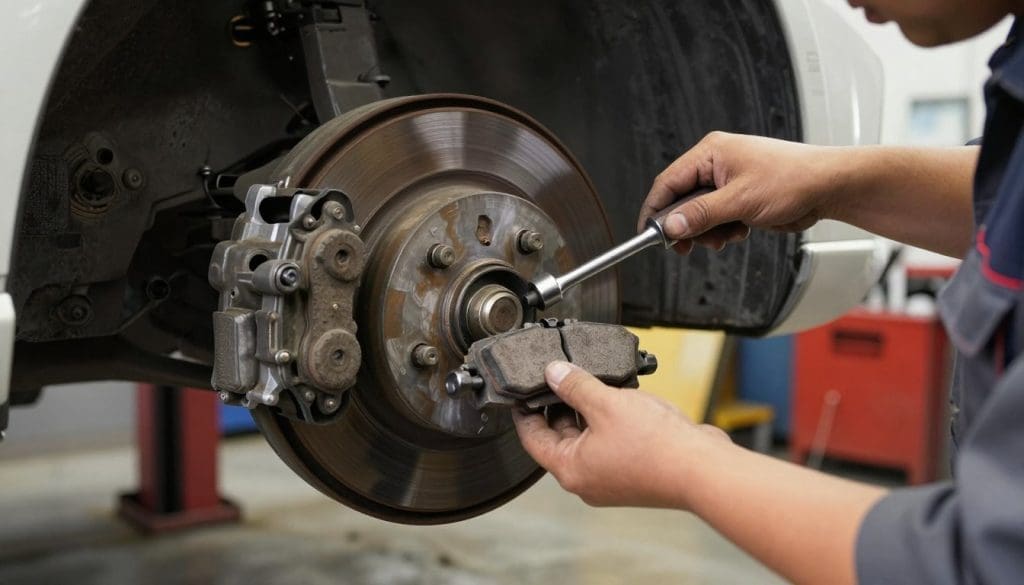
Every time you press the brake pedal, your brake pads face intense friction. They are the most often replaced part in your braking system. If you think your car needs a brake pad replacement, call Heaven Automotive. They will fix your vehicle and make you feel safe again.
How to Tell if Your Brake Pads are Worn
You might hear high-pitched squealing or grinding when slowing down. Modern pads have a wear indicator that makes this sound. If you hear these distressing sounds, get a professional to check your car right away.
Looking through the wheel spokes can also help. If the pad looks thinner than a quarter-inch, it’s time for a brake pad replacement. Don’t ignore these signs to avoid expensive repairs later.
The Role of Brake Pads in Your Vehicle’s Safety
Brake pads are key for stopping quickly in emergencies. When they wear out, your car can’t stop fast enough. This increases the risk of accidents. Your safety depends on these pads working right.
Worn pads can also damage your rotors, leading to costly repairs. Getting a brake pad replacement on time protects your rotors. Trust Heaven Automotive to keep your car safe and reliable.
Brake Rotors and Their Importance
Your vehicle’s rotors are key to stopping safely. They are metal discs that help your brake pads create friction. Without them, stopping becomes a problem.
Driving daily can warp these discs due to heat. This makes stopping uneven. Keeping them in good shape is critical for your safety.
Signs of Warped or Damaged Rotors
Shaking or vibration when braking is a sign of trouble. If your steering wheel or pedal pulsates, your rotors are warped. This makes it hard for pads to grip the disc.
A metallic scraping sound means your rotors are damaged. If you hear this, get your car checked by Heaven Automotive right away. Ignoring these signs can harm your calipers and pads.
When to Consider Rotor Replacement
Deciding when to replace rotors depends on their thickness and condition. A technician checks their thickness during maintenance. If it’s too thin, it can’t handle heat well.
Replace rotors if they have deep grooves or severe heat checking. Some minor damage can be fixed, but deep issues need a new set. Always talk to a pro to see if resurfacing or replacement is best for your car.
Brake System Warning Lights
Seeing a glowing icon on your instrument cluster can be stressful. But it’s there to keep you safe. Modern cars use sensors to check your brakes in real-time. These systems warn you early, if you notice the signs.
Different Warning Lights and Their Meanings
Your dashboard shows a few lights for your brakes. Knowing these symbols is key to staying safe. Here’s what they mean:
- The Brake Warning Light: This light, often marked “BRAKE” or a circle with an exclamation point, means low fluid or a parking brake engaged.
- The ABS Light: It signals a problem with your Anti-lock Braking System, which stops wheels from locking up during hard stops.
- The Pad Wear Indicator: Some cars have a light for when your brake pads are too thin.
| Light Type | Common Meaning | Urgency Level |
|---|---|---|
| BRAKE | Low fluid or parking brake | High |
| ABS | Sensor or pump failure | Moderate |
| Pad Wear | Thin brake pads | High |
What to Do When the Warning Light Activates
When a warning light comes on, don’t ignore it. Even if your car stops fine, the problem could get worse fast. These lights mean you need a mechanic’s help.
First, make sure your parking brake is off. If the light stays on, pull over and check your brake fluid if you can. Always get your car checked by Heaven Automotive to stay safe on the road.
The Impact of Weather on Brake Performance
Weather affects how your car stops. Heat, humidity, and rain can damage your brakes over time. Protecting your vehicle means knowing how weather impacts your safety.
How Rain and Snow Affect Braking
Driving in rain or snow makes your brake rotors wet. This water makes stopping harder. You might hear squeaky brakes because the pads can’t get a good grip.
Winter’s salt and slush can cause rust. This rust harms your car’s moving parts. Ignoring these signs can damage your brakes forever.
Preparing Your Brakes for Seasonal Changes
Regular maintenance keeps your car running well all year. Get a professional check before extreme weather hits. Fixing small problems early saves you money and hassle.
If you hear squeaky brakes or feel a soft pedal, act fast. Heaven Automotive offers expert services to get your car ready for any weather. Their team can fix your brakes, so you can drive safely again.
| Weather Condition | Primary Risk | Recommended Action |
|---|---|---|
| Heavy Rain | Reduced Friction | Test brakes gently |
| Winter/Snow | Salt Corrosion | Wash undercarriage |
| Extreme Heat | Fluid Overheating | Check fluid levels |
| High Humidity | System Oxidation | Professional inspection |
Driving Habits That Affect Brake Longevity
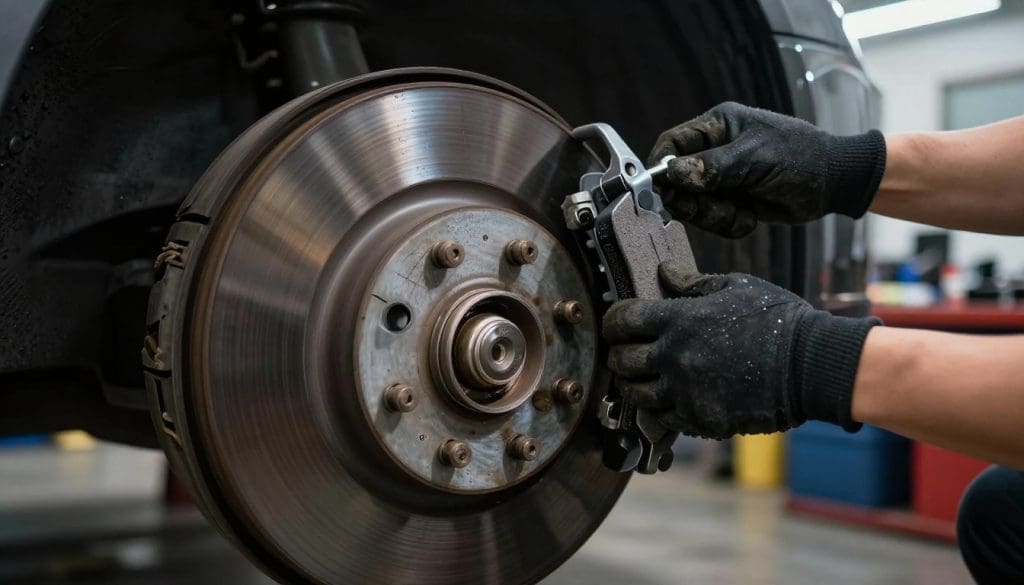
Many drivers unknowingly shorten their vehicle’s lifespan with simple habits. How you drive affects when you need repairs. Changing your driving habits can help your brakes last longer.
Aggressive Driving and Its Effects on Brakes
Aggressive driving shortens the life of your car’s parts. Sudden stops create a lot of friction and heat. This can warp rotors and cause squeaky brakes.
Driving with the brakes on while going downhill or in heavy traffic also wears them down. This stops them from cooling, speeding up wear. If your car has trouble stopping, it’s time to hire Heaven Automotive to fix your vehicle.
The Importance of Smooth Driving in Brake Health
Driving smoothly keeps your car in good shape. Anticipating traffic and coasting to stops reduces brake wear. This helps avoid squeaky brakes and keeps your brakes working well.
Keeping a safe distance is key to smooth driving. It lets you slow down without sudden stops. Gentle, consistent braking is better for your safety equipment than hard stops.
| Driving Habit | Impact on Brakes | Maintenance Frequency |
|---|---|---|
| Aggressive Braking | High Heat/Wear | Frequent Service |
| Smooth Coasting | Minimal Friction | Standard Intervals |
| Riding the Pedal | Overheating | Early Replacement |
If you’re worried about your car, don’t wait for a breakdown. Hire Heaven Automotive to fix your vehicle and stay safe. Getting professional advice can improve your driving and protect your car.
Professional Brake Inspections
A professional brake inspection is key to avoiding sudden car failures. It catches hidden wear early, stopping small problems from becoming big and costly. This also keeps you safe on the road.
Regular checkups keep your car running smoothly for every journey. For top-notch service, consider hiring Heaven Automotive to fix your vehicle. They’ll make sure you feel safe driving.
Benefits of Regular Brake Inspections
Regular brake inspections boost your safety. Technicians can find thinning pads or dirty fluid before they fail. This prevents major breakdowns.
Also, regular maintenance saves you money. Replacing brake pads is cheaper than fixing rotors or calipers damaged by wear.
What to Expect During a Brake Inspection
A skilled technician will check your entire brake system during your visit. They measure brake pad thickness to see when you need a new set.
They also look at your rotors for warping or scoring. Plus, they check your brake fluid’s quality and levels. This ensures your brakes work best.
| Service Component | Inspection Focus | Why It Matters |
|---|---|---|
| Brake Pads | Material Thickness | Prevents rotor damage |
| Rotors | Surface Smoothness | Ensures even stopping |
| Brake Fluid | Moisture Content | Maintains hydraulic pressure |
| Calipers | Movement/Leaks | Guarantees proper clamping |
Cost Factors in Brake Repair
Investing in your vehicle’s safety is a smart financial decision. It prevents more expensive damage later. The price of maintenance can vary, but ignoring warning signs can lead to costly repairs. For reliable Brake Repair San Antonio, choose quality service for peace of mind.
Average Costs for Different Brake Services
The cost of your service depends on what needs fixing. Simple tasks are cheaper than complex repairs like rotor or caliper overhauls. Here’s a table showing what you might pay for common services.
| Service Type | Estimated Price Range | Complexity Level |
|---|---|---|
| Standard brake pad replacement | $150 – $300 per axle | Low |
| Rotor resurfacing or replacement | $200 – $500 per axle | Medium |
| Full brake system flush | $100 – $200 | Low |
Understanding Pricing for Parts and Labor
Quotes include the cost of parts and labor. Choosing premium brake pads means better performance and longer life. Cheap alternatives may save money but wear out faster, leading to more visits to the shop.
Labor costs show the expertise and tools needed for perfect braking. For clear pricing and expert care, hire Heaven Automotive. Their team offers honest assessments and precise brake pad replacement to keep you safe.
Choosing a Reliable Brake Repair Service
Your safety on the road depends on your brake system’s quality. It’s important to choose a trustworthy shop for your vehicle’s maintenance. For top-notch Brake Repair San Antonio, trust Heaven Automotive.
Qualities to Look for in a Brake Repair Shop
A good shop values clear communication about your vehicle’s needs. They should give honest advice without pushing for extra services. Look for shops with clear prices and a clean workspace.
Make sure the technicians are certified and know your car’s make. A shop that listens to feedback and has a good reputation is usually the best choice.
Questions to Ask Before Committing
Before agreeing to any work, ask important questions. Find out about the warranty on parts and labor to protect your investment. Also, ask about the parts they plan to use on your car.
- What is the estimated timeline for the repair?
- Do you provide a detailed written estimate before starting?
- How many years of experience do your technicians have with brake systems?
Interviewing your service provider can make you feel more confident in your choice. For excellent Brake Repair San Antonio, Heaven Automotive is a reliable partner for your car’s health.
Maintaining Your Brakes for Longevity
Your vehicle needs a good braking system to keep you safe. Regular care stops expensive repairs and makes sure your car stops when needed.
Proactive Care and Safety Habits
Make sure to get a brake inspection often. This catches small problems before they get big. It keeps your car reliable for daily drives or long trips.
Replacing brake pads on time helps avoid rotor damage. It’s a smart move to fix these parts early.
Scheduling Your Next Service
Remember to schedule a check-up every six months or if you notice changes in the pedal. You’ll feel safe every time you drive.
Call Heaven Automotive for top-notch service. Their skilled technicians make sure your brakes are safe and reliable for years.