

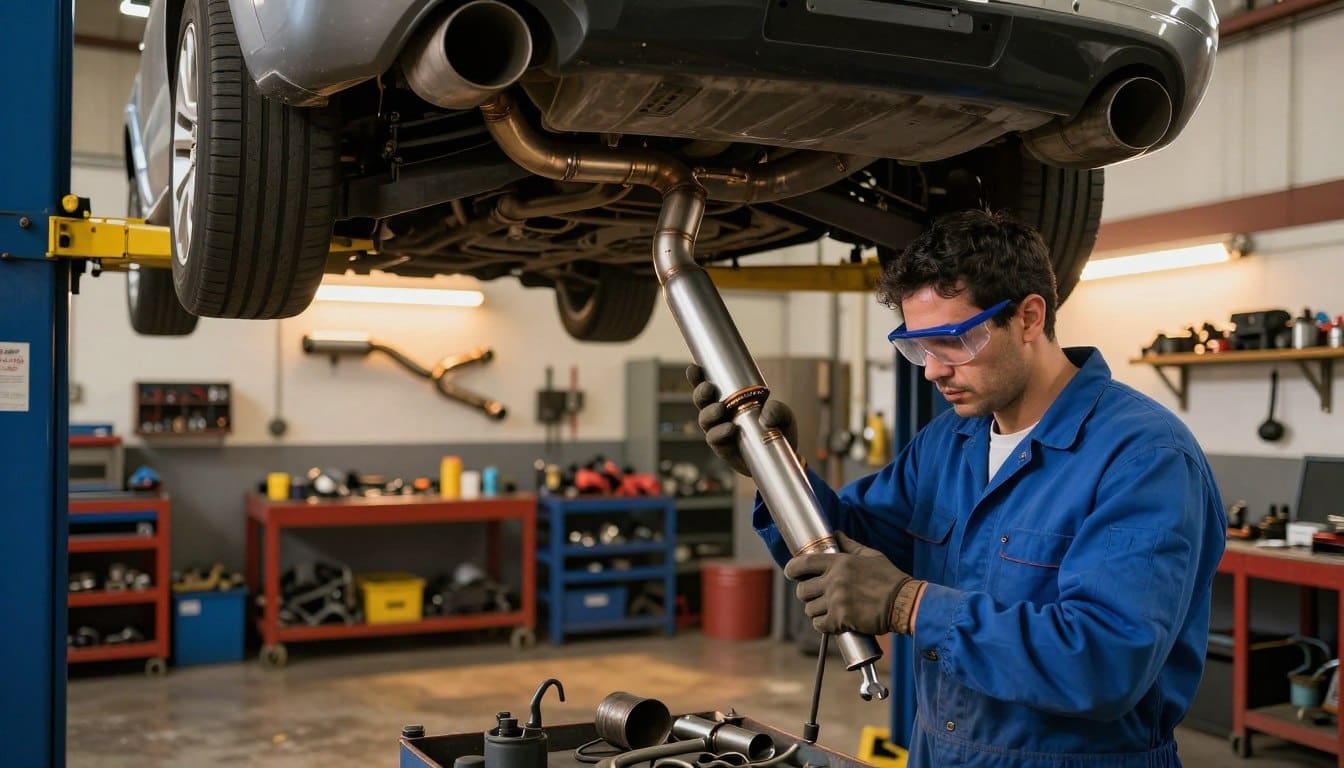
Your vehicle’s emission system is critical for engine health and safety on the road. It keeps harmful gases out of the cabin and helps your engine run well.
Ignoring early signs can cause serious engine damage and unexpectedly high costs. If you hear strange noises or see a drop in fuel economy, it’s time to get help. Finding good Exhaust Repair San Antonio services is key to keeping your car running well.
At Heaven Automotive, we think early maintenance is best to avoid big problems. Fixing small issues early saves your investment and makes driving smoother. Let’s look at common signs your car needs help right away.
Key Takeaways
- The emission system is vital for engine performance and driver safety.
- Ignoring warning signs can result in expensive long-term damage.
- Proactive maintenance helps your vehicle operate at peak efficiency.
- Strange noises or poor fuel economy are common indicators of trouble.
- Heaven Automotive provides expert care to prevent further vehicle complications.
Understanding Your Exhaust System
Your car’s exhaust system is more than just a pipe for smoke. It’s a complex network that manages engine byproducts. Without it, your car would be loud, inefficient, and bad for the environment.
Excessive noise or vibrations might mean you need muffler repair. Keeping this system in check is key for safety and performance.
What is an Exhaust System?
The exhaust system collects engine gases and safely sends them out. Fuel burning creates high-pressure gases that need quick release for engine breathing. Efficient gas flow is critical for engine power and fuel economy.
The system also filters out harmful pollutants before they hit the air. This keeps your car environmentally friendly and safe from toxic fumes. Neglecting this can lead to muffler repair or a full system overhaul.
Key Components of the Exhaust System
The exhaust system has several parts that work together. Each part has a specific role from engine to tailpipe.
| Component | Primary Function | Importance |
|---|---|---|
| Exhaust Manifold | Collects gases from cylinders | Directs flow to the system |
| Catalytic Converter | Reduces toxic emissions | Environmental compliance |
| Muffler | Reduces engine noise | Passenger comfort |
| Oxygen Sensors | Monitors air-fuel ratio | Engine efficiency |
The exhaust manifold starts by gathering gases from cylinders. The catalytic converter then changes harmful pollutants into less harmful ones. The muffler and resonator use sound chambers to keep your drive quiet and smooth.
Common Exhaust System Issues
Your exhaust system often warns you of problems with strange noises and poor gas mileage. Spotting these signs early can prevent costly mechanical failures and keep your car running well. Being proactive is key to keeping your vehicle safe on the road.
Unusual Noises from the Exhaust
A sudden change in your vehicle’s sound is a common warning sign. A loud roaring noise usually means there’s a hole or crack in the exhaust pipe or muffler. If you hear rattling, it might be a loose heat shield or failing internal parts.
Decreased Fuel Efficiency
Your exhaust system is key to your engine’s fuel use. Leaks can lead to wrong oxygen sensor readings, making your engine burn more gas. This is often due to catalytic converter issues, which can cost you a lot over time.
Visible Damage to the Exhaust Pipes
Check the underside of your car regularly for damage. Look for heavy rust, deep dents, or pipes that seem too low. Fixing these problems early stops more damage to your exhaust system.
| Symptom | Potential Cause | Urgency Level |
|---|---|---|
| Loud Roaring | Exhaust Leak | High |
| Poor Gas Mileage | Sensor/Converter Failure | Medium |
| Rattling Sound | Loose Heat Shield | Low |
| Visible Rust | Corrosion | Medium |
Warning Signs of Exhaust Problems
Your vehicle often sends out warning signs that you should never ignore. A loud exhaust might seem like a small issue, but it can mean big problems. Paying attention to these signs can save you from expensive repairs and keep you safe on the road.
Check Engine Light Activated
The check engine light is your car’s way of telling you something’s wrong. If it starts flashing, it’s a critical emergency. A flashing light means a serious problem, like a misfire, which can damage your engine if not fixed.
Even a steady light can mean trouble, like issues with the catalytic converter or oxygen sensors. Ignoring these signs can make your car fail emissions tests or run poorly. Always get a professional to check it out to avoid bigger problems.
Strong Fumes in the Cabin
Strange smells in your car are a big warning sign. If you smell gasoline or harsh exhaust, there’s likely a leak. Your health is at risk from these toxic fumes.
Here are some signs your exhaust system needs a check:
- A persistent loud exhaust noise when you accelerate.
- Smoke coming from under the car or the tailpipe.
- A big drop in fuel efficiency quickly.
- Vibrations in the steering wheel or floor.
Don’t ignore the danger of carbon monoxide. If you see these signs, open your windows and go to a trusted repair shop right away. Fixing these problems quickly keeps your engine and health safe.
The Importance of Exhaust Repair
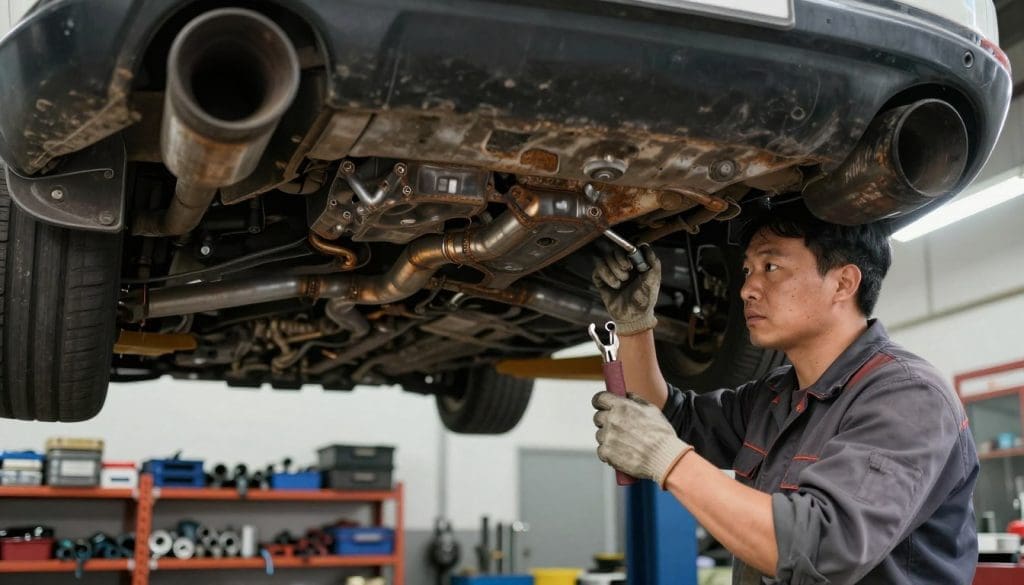
A healthy exhaust system does more than just keep your car quiet; it protects your health and boosts performance. This complex network of pipes and sensors works tirelessly to redirect harmful gases away from the passenger cabin. By keeping this system in top shape, you ensure a safer and more comfortable environment for everyone inside your vehicle.
Preventing Further Damage
Addressing minor exhaust issues promptly is the best way to avoid a cascade of mechanical failures. Small leaks or cracks often start as simple annoyances but can quickly escalate into costly structural damage if left ignored. When you fix these problems early, you protect the integrity of your entire vehicle.
Ignoring a small rattle or a minor leak can put unnecessary stress on your engine and other critical components. Over time, this neglect leads to more extensive repairs that could have been easily avoided. Proactive maintenance saves you money and keeps your car on the road longer.
Enhancing Vehicle Performance
Your exhaust system is a vital part of your engine’s ability to breathe and function efficiently. A well-maintained system ensures that exhaust gases are expelled properly, which allows your engine to operate at its peak. When your engine breathes better, you will notice a smoother and more responsive driving experience.
Beyond just power, a clean exhaust flow helps your vehicle maintain better fuel efficiency. When the system is free of blockages or leaks, your engine does not have to work as hard to push gases out. This optimization leads to fewer trips to the gas station and a more environmentally responsible vehicle.
How to Diagnose Exhaust Issues
Your vehicle tells you how it’s doing through different signs. By paying attention, you can spot small problems early. This helps keep your car running well and safe.
Listening for Strange Noises
Your ears are great for finding exhaust trouble. Hissing or popping sounds mean there’s a blockage. This can hurt your engine.
A rattling sound under your car might mean loose parts or a bad catalytic converter. If you hear these sounds, fix them fast. Waiting too long can make the problem worse.
Inspecting for Leaks
Looking for signs of trouble is also important. Check for rust, holes, or deep cracks on pipes and the muffler. Black soot marks mean exhaust gases are leaking.
A loud exhaust while idling means a seal has failed or a pipe is corroded. Look for gaps in the connections. If you see big damage, get a pro to check it out.
When to Seek Professional Help
Knowing when to fix a car issue yourself and when to call a pro is important. Some problems can wait, but others need immediate attention for your safety. Knowing the difference can save you money in the long run.
Immediate Signs of Trouble
A loud exhaust usually means your muffler or pipes have a big hole or crack. This noise is not just annoying; it means harmful gases are leaking. If you smell burning or hear rattling sounds, pull over safely.
Driving with a broken system can let carbon monoxide into your car, which is dangerous. If your car feels slow or unresponsive, don’t ignore it. Professional diagnostics are needed to find and fix the problem.
Regular Maintenance Checks
Environmental factors like moisture and road salt can damage your exhaust fast. In wet or salty areas, rust is a big problem that can quickly ruin metal pipes. Regular checks help find rust before it causes big problems.
By getting regular check-ups, you can catch issues like a loud exhaust early. This saves you money and keeps your car safe and efficient. Here’s a guide to help you know when to see a professional.
| Symptom | Urgency Level | Recommended Action |
|---|---|---|
| Loud exhaust noise | High | Schedule immediate inspection |
| Visible surface rust | Medium | Monitor during oil changes |
| Burning cabin odors | Critical | Stop driving and seek help |
| Decreased fuel economy | Low to Medium | Book a diagnostic appointment |
Benefits of Timely Exhaust Repairs
A simple muffler repair can make a big difference in your daily drive. Fixing small issues early stops them from becoming big, costly problems. A well-maintained exhaust system keeps your car running smoothly and efficiently.
Improved Fuel Economy
A clogged catalytic converter or exhaust blockage makes your engine work too hard. This uses more fuel, which costs you more at the pump. A timely muffler repair or clearing blockages lets your engine run better.
With a working exhaust system, your car uses fuel more efficiently. You’ll notice better performance and smoother starts on your daily drive. Keeping this balance is key for your engine’s long-term health.
Enhanced Vehicle Safety
Your safety is the top reason to keep your exhaust system in check. Leaks can let harmful fumes into the cabin, risking your health and that of your passengers. A professional muffler repair keeps these gases out of the car.
Regular checks catch problems before they’re dangerous. Prioritizing your safety through regular maintenance gives you peace of mind. A well-kept system is a must for responsible car ownership.
| Feature | Neglected System | Maintained System |
|---|---|---|
| Fuel Efficiency | Decreased | Optimized |
| Engine Strain | High | Low |
| Cabin Safety | Risk of Fumes | Secure |
| Repair Costs | Expensive | Predictable |
Exhaust System Inspection Process
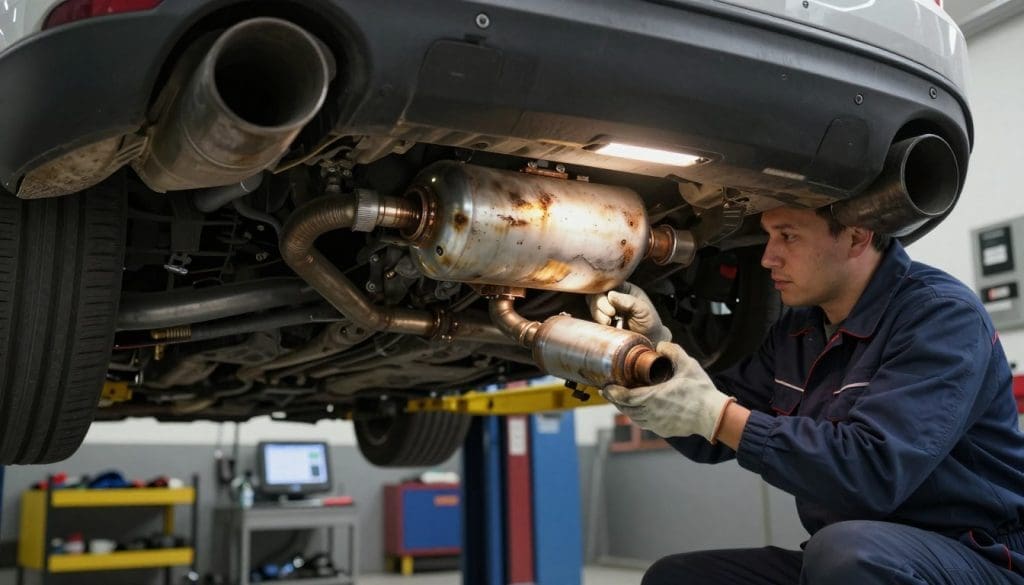
When you go to a repair shop, technicians follow a detailed process. They check your entire exhaust system to find hidden problems. They look at every part, from the engine to the tailpipe, to make sure your car runs well.
A thorough check stops small leaks from becoming big problems. Mechanics look for catalytic converter issues that could affect your car’s performance or emissions. This early action saves you money and time by fixing issues before they get worse.
What to Expect During an Inspection
The inspection starts with a look at the undercarriage. Technicians search for rust, corrosion, or damage on the pipes and hangers. They also check for loose connections that might cause rattling or vibrations.
Next, they do a pressure test to find tiny leaks. Listening for strange noises while the engine runs helps them find where gases might be leaking. This is important for keeping your car quiet and safe from harmful fumes.
Common Tools Used in Diagnostics
Modern repair shops use advanced technology for accurate diagnoses. Technicians use special scanners to read error codes in your car’s computer. These codes often show problems with the catalytic converter or sensors that need fixing.
They also use tools like smoke machines to find leaks. By adding smoke to the exhaust system, they can see where it leaks out. These precision tools help make sure repairs are accurate and effective, getting your car back to its best.
Cost Factors for Exhaust Repairs
Understanding the costs of car repairs is easier when you know about parts and labor. Many drivers are unsure about prices, but being open helps manage your budget. Whether it’s small leaks or big catalytic converter issues, knowing what affects the price helps you relax.
Understanding Pricing Structures
Most repair shops use a fair pricing system. They mix the cost of parts with the time needed to fix your car. Some charge a flat rate for common repairs, while others bill by the hour.
Always ask for a detailed estimate before starting work. This should show the cost of parts and labor separately. By looking at this, you can see what’s driving the cost and talk about cheaper options with your mechanic.
The Impact of Labor and Parts
The complexity of your exhaust system affects the final cost. Cars that are high-performance or older with rust need more work, which raises labor costs. Also, choosing between OEM parts and aftermarket ones changes the price.
When fixing catalytic converter issues, the part itself is usually the biggest expense. These parts are pricey because they contain valuable metals. Spending more on quality parts can mean your car lasts longer and runs better.
| Repair Type | Part Cost | Labor Intensity | Complexity Level |
|---|---|---|---|
| Exhaust Hanger | Low | Minimal | Simple |
| Muffler Replacement | Moderate | Moderate | Standard |
| Catalytic Converter | High | High | Complex |
| Full System Pipe | Moderate | High | Advanced |
DIY vs. Professional Repairs
Keeping your car’s exhaust system in good shape is a balance between saving money and getting professional help. You might want to fix small problems yourself, but knowing your car’s underside is key. Choosing between DIY muffler repair or a shop visit depends on your tools, skills, and the problem’s size.
When You Can DIY
Simple tasks are doable if you have the right tools and space. For example, tightening a loose clamp or swapping a rubber hanger is easy for car owners. These small fixes can stop rattling sounds and keep your system tight without a mechanic.
But, only try these if you can safely lift and support your car. Always prioritize your safety by using jack stands, not just a hydraulic jack. If the fix is just a simple bolt-on, doing it yourself can save you money.
Why Professional Help is Recommended
Today’s exhaust systems are complex and often rust badly. You need professional tools to safely remove stuck or rusted parts that could break at home. A pro muffler repair makes sure your system is right and sealed to avoid leaks.
Experts use special tools to weld parts or make sure gaskets fit right. Wrong installation can hurt your car’s fuel efficiency or let harmful fumes in. Getting experts to do the job gives you long-term reliability and peace of mind that your car is safe.
| Feature | DIY Repair | Professional Repair |
|---|---|---|
| Cost | Low (Parts only) | Higher (Labor + Parts) |
| Tools Needed | Basic hand tools | Specialized/Welding gear |
| Safety Risk | Moderate to High | Low |
| Reliability | Variable | Guaranteed |
Choosing the Right Repair Shop
When your car needs exhaust work, picking the right mechanic is key. A top-notch shop does more than just fix parts; they offer long-term solutions for your car’s safety and efficiency. It’s important to carefully choose your options to ensure your car gets the best care.
What to Look for in a Mechanic
A good repair shop has experienced technicians who know exhaust systems well. They should understand catalytic converters, mufflers, and sensors. Expertise is vital for a successful repair, avoiding unnecessary costs.
Also, look for a mechanic who talks clearly. A skilled technician will explain the real problem, not just fix the symptoms. They should show you the damaged parts and talk about how to avoid future issues.
Evaluating Customer Reviews
In today’s world, your neighbors’ experiences are valuable. Before you book, check online for feedback on the shop’s reliability and honesty. Look for reviews that mention good service, fair prices, and a friendly team.
See how the business handles feedback, even if there were past problems. A shop that responds well shows they care about customer happiness. With both technical skill and a good reputation, you can trust your car is in good hands.
Why Choose Heaven Automotive?
Your car needs expert care to stay safe and run well. When you see signs of trouble, picking the right maintenance partner is key. It greatly affects your driving experience.
Our Experience and Expertise
Heaven Automotive is your go-to for top-notch Exhaust Repair San Antonio. Our techs have the skills to tackle tough exhaust problems. We aim to keep your car running smoothly for years.
Customer-Centric Service Approach
We put your needs first with honest advice and clear communication. Find us at 6645 Poss Rd. San Antonio, TX 78238. Our team is committed to providing excellent Exhaust Repair San Antonio services for your car.
Don’t let small issues turn into big problems. Call us at (210) 682-3898 to book your appointment today. Let Heaven Automotive fix your car and give you peace of mind.