

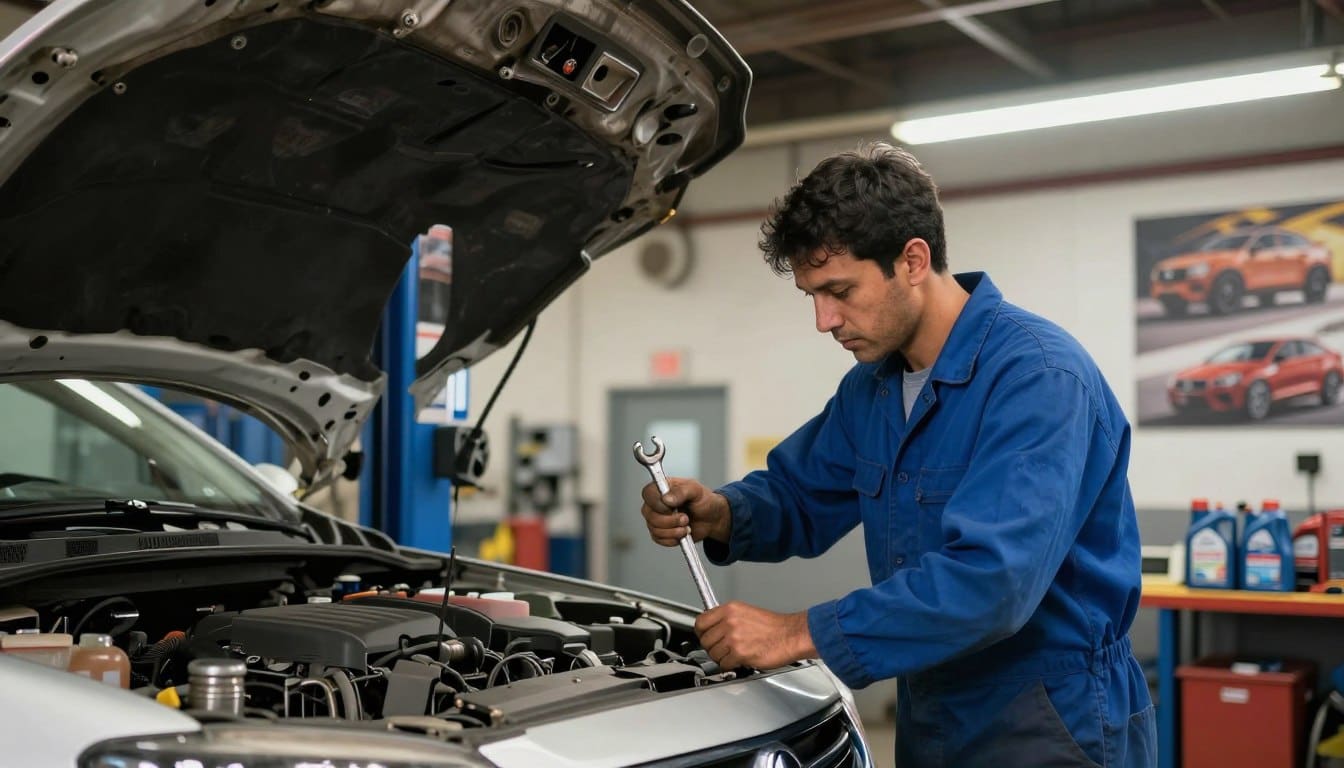
Living in South Texas means dealing with intense, unrelenting heat for much of the year. This extreme climate puts significant stress on your vehicle’s engine components. Your owner’s manual gives a basic guideline, but local driving conditions often require more frequent maintenance.
High temperatures cause lubricants to break down faster than in cooler regions. Ignoring these environmental factors can lead to long-term damage to your motor. Getting a professional oil change san antonio service is the best way to protect your investment and ensure your car remains reliable during your daily commute.
Understanding how your environment affects your vehicle is the first step toward avoiding costly roadside breakdowns. By staying ahead of the heat, you keep your engine running smoothly, no matter the thermometer reading.
Key Takeaways
- Extreme South Texas heat accelerates the degradation of engine lubricants.
- Standard maintenance schedules may not be sufficient for local driving conditions.
- Proactive care prevents long-term mechanical damage and costly repairs.
- Professional inspections help identify issues before they lead to roadside failures.
- Consistent service intervals are essential for maintaining vehicle reliability year-round.
The Impact of South Texas Climate on Engine Performance
The hot South Texas sun does more than just warm up your car’s interior. It puts immense pressure on your engine. When driving in San Antonio, your car faces challenges not seen in cooler places. To keep your car reliable, regular engine oil service is key for every driver here.
Understanding Thermal Stress in San Antonio
Thermal stress happens when your engine parts get too hot for too long. In San Antonio, the heat often hits over 100 degrees. This makes your cooling system and parts work harder than usual.
Your engine needs a balance of fluids to handle the heat. When it’s hot outside, your engine can’t cool down as well as in cooler weather. This leads to higher temperatures inside your engine, pushing parts to their limits.
Why Heat Accelerates Oil Degradation
High temperatures make engine oil thinner, reducing its protective layer. When oil loses viscosity, it can’t cover moving parts well. This causes more friction. If you skip engine oil service, your engine can suffer serious damage over time.
The table below shows how temperature affects engine oil:
| Temperature Condition | Oil Viscosity Impact | Protective Capability |
|---|---|---|
| Mild (Below 70°F) | Stable | Optimal |
| Hot (80°F – 95°F) | Moderate Thinning | Adequate |
| Extreme (Above 100°F) | Rapid Breakdown | Reduced |
Knowing these environmental challenges helps you see why your car needs special care. Regular maintenance is not just a suggestion; it’s a necessary defense against South Texas’s harsh climate. Keeping your oil fresh helps protect your engine, even when it’s extremely hot.
Defining the Standard Oil Change Interval
Finding the right oil change interval Texas drivers need is more than just following old advice. Your car’s needs change based on where you drive and how it’s made. Knowing these factors helps keep your engine running smoothly.
Manufacturer Recommendations Versus Real-World Conditions
Car manuals give a basic guide for care, but they assume perfect driving conditions. But, driving in Texas’s hot weather and city traffic is tougher on your engine. Think of these guidelines as a starting point, not a rule.
Driving in extreme temperatures makes your engine oil work harder. This can wear down the additives faster than expected. Changing your oil schedule to fit local conditions is a smart investment for your car’s health.
The Myth of the 3,000-Mile Rule
The 3,000-mile rule was once the standard for car care. But, with new engine tech and synthetic oils, it’s no longer the best advice. Most cars can go much longer without needing an oil change.
Following the old 3,000-mile rule can be wasteful and expensive. Instead, focus on the quality of oil and your driving habits. The table below shows how different driving styles affect your car’s needs:
| Driving Condition | Impact on Oil | Recommended Focus |
|---|---|---|
| Highway Commuting | Low Stress | Follow Manual Intervals |
| City Stop-and-Go | High Stress | Shorten Service Window |
| Extreme Heat | High Thermal Load | Use Synthetic Oil |
| Short Trips | Moisture Buildup | Frequent Inspections |
Why You Need a Specialized Oil Change San Antonio Strategy
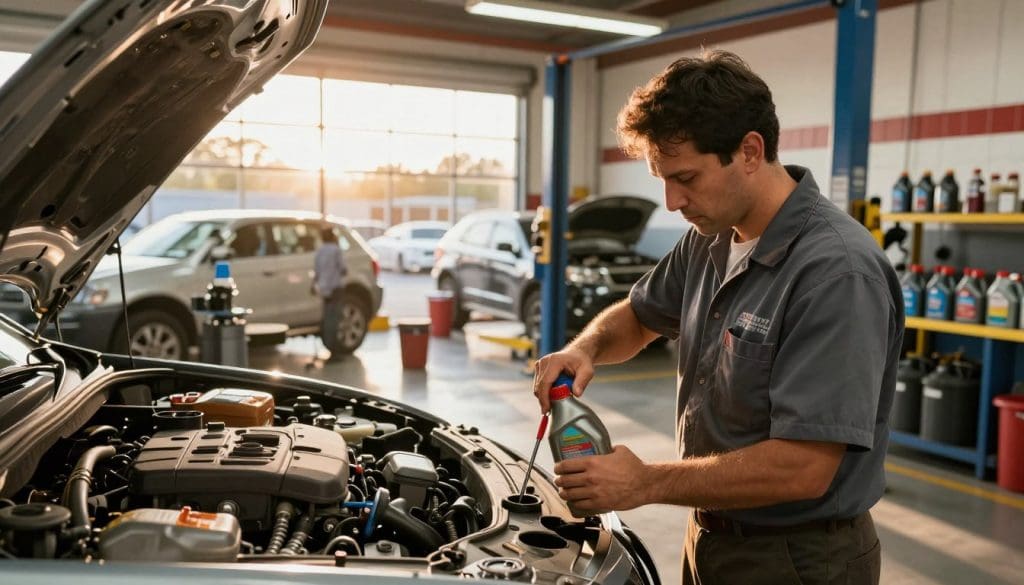
Your car faces unique challenges in South Texas that need a special maintenance plan. Generic service intervals don’t account for our local environment. Choosing a professional oil change San Antonio service ensures your engine gets the right care for the heat.
Adapting to High Ambient Temperatures
The extreme heat in our area makes your engine oil work harder than in cooler places. This heat causes the oil to thin out, making it less effective at lubricating your engine. Consistent thermal stress can also damage the oil’s chemical structure.
Shorter intervals between oil changes can help fight this heat-induced degradation. Using fresh, high-quality oil is a smart investment for your car’s long-term health.
Stop-and-Go Traffic and Engine Idling
San Antonio’s traffic patterns put a lot of strain on your engine, mainly during rush hours. Frequent stops and idling prevent your engine from reaching the best operating temperatures. This leads to moisture buildup and sludge accumulation.
A specialized oil change San Antonio schedule is designed for these driving conditions. The table below shows how your daily driving affects your engine.
| Driving Condition | Impact on Oil | Service Frequency |
|---|---|---|
| Highway Driving | Minimal Stress | Standard Interval |
| Heavy Traffic | Moderate Contamination | Increased Frequency |
| Frequent Idling | High Thermal Load | Proactive Service |
| Extreme Heat | Rapid Degradation | Shortened Intervals |
The Role of Synthetic Oil in Extreme Heat
Choosing synthetic oil is a smart move to protect your car from heat damage. The Texas sun can be tough on your vehicle, and the oil you use matters a lot. If you’re looking for a synthetic oil change San Antonio service, knowing why synthetic oil is better is key.
Benefits of Synthetic Over Conventional Oil
Conventional oils can break down in the heat of a San Antonio summer. Synthetic oils, on the other hand, are made to stay strong. They prevent sludge from forming, keeping your engine clean and well-lubricated.
Choosing synthetic oil gives your engine a strong shield that conventional oils can’t offer. This shield helps your engine last longer. Many people find that it makes their cars last longer too.
Viscosity Stability in Triple-Digit Weather
Synthetic oil is amazing at keeping its viscosity in extreme heat. While regular oils can get too thin, synthetic oils stay the same. This viscosity stability means your engine gets the right amount of lubrication all the time.
When you get your car’s synthetic oil changed in San Antonio, you’re picking a reliable choice. Here’s how synthetic oil stacks up against conventional oil in the heat:
| Feature | Conventional Oil | Synthetic Oil |
|---|---|---|
| Thermal Resistance | Moderate | Excellent |
| Viscosity Stability | Low | High |
| Sludge Formation | Higher Risk | Minimal |
| Engine Protection | Standard | Superior |
Signs Your Vehicle Needs an Immediate Oil Service
If you’re wondering when to change your car’s oil, your car is already telling you. It sends signals through different ways. Ignoring these signals can cause serious damage to your car’s mechanics.
Interpreting Dashboard Warning Lights
Modern cars have advanced sensors to check fluid health. Seeing a check engine light or an oil pressure warning means it’s time to act fast. These lights show that the oil is no longer protecting your engine or that the pressure is too low.
Don’t think these alerts are just glitches. Scheduling a service right away keeps your engine safe from the harsh South Texas heat. Using these electronic alerts helps keep your car running longer.
Identifying Changes in Engine Noise and Performance
Your engine should run smoothly and quietly. If it sounds rough or louder than usual, your oil might be failing. Bad oil can’t cushion parts well, causing friction and sounds like ticking or knocking.
You might also feel your car sluggish or smell burning while driving. These signs mean you need to check when to change your oil. A well-lubricated engine should be quick and quiet on your daily drive.
The Importance of Checking Oil Color and Consistency
Checking your dipstick is the best way to see how your oil is doing. Fresh oil is amber and clear, while old oil is dark brown or black. If it feels gritty or thick, it’s not cleaning your engine well.
Checking your oil’s consistency is easy and helps you know when to change it. By watching for these changes, you can catch problems before they get worse. Regular checks are key to keeping your car in good shape.
The Consequences of Neglecting Engine Oil Service
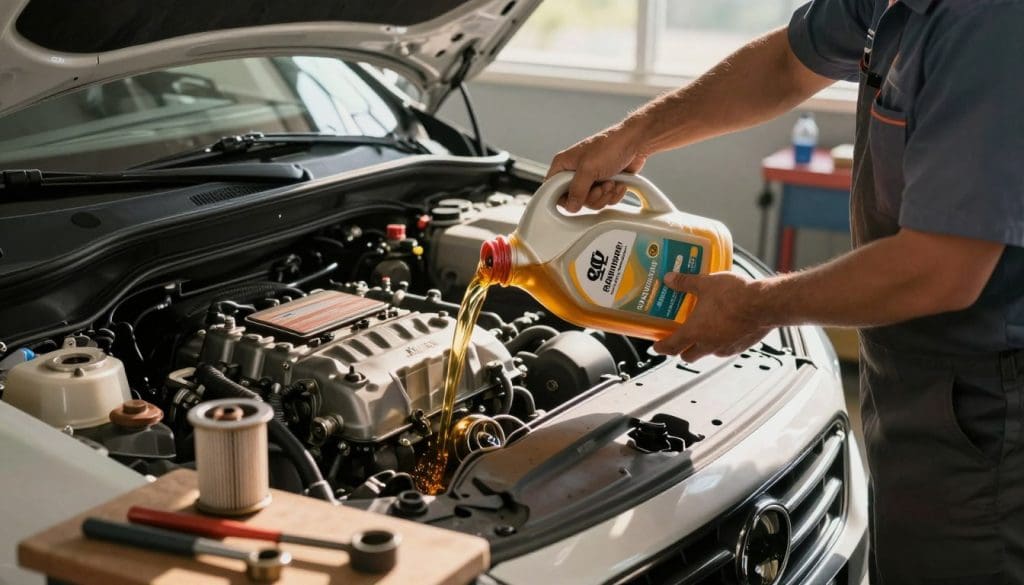
Delaying your engine oil service puts your car’s future at risk. Modern engines need constant oil to run well. Without it, parts can overheat and fail badly.
Sludge Buildup and Internal Component Damage
Old oil breaks down and loses its protective qualities. This lets harmful stuff build up, turning into sludge. Sludge blocks oil paths, stopping it from reaching important parts.
Without oil, metal parts rub against each other. This causes them to wear out fast. Regular engine oil service keeps these parts safe from damage.
Reduced Fuel Efficiency and Increased Emissions
Not keeping up with oil service also hurts your wallet. Dirty oil makes your engine work harder, using more fuel. This means you spend more at the pump.
Also, a dirty engine burns fuel less efficiently. This leads to more harmful emissions. Keeping your engine oil service up helps your car run better and is kinder to the environment.
Seasonal Maintenance Schedules for Texas Drivers
Texas drivers face unique challenges that make seasonal car care essential. By aligning your maintenance habits with the local climate, you ensure your vehicle remains dependable. A consistent oil change interval Texas drivers can rely on is key to this proactive strategy.
Preparing Your Engine for the Summer Peak
As temperatures rise, your engine works harder to perform well. Check your antifreeze levels early to avoid overheating. Also, inspect your wiper blades, as the sun can damage them quickly.
Make sure your engine oil is high-heat rated. The right synthetic blend keeps your engine stable in the heat. This prevents engine wear.
Post-Summer Inspections and Fluid Top-Offs
After the heat subsides, your vehicle needs a thorough checkup. This is the time to top off brake, power steering, and coolant fluids. A regular oil change interval Texas owners follow helps catch sludge buildup.
Regular inspections after summer help catch minor issues before they become big problems. By replacing worn parts and refreshing fluids, you prepare your car for cooler weather. This cycle keeps your engine running smoothly and protects your investment.
Choosing the Right Oil Grade for Your Vehicle
Your vehicle’s engine needs the right oil grade to work well in San Antonio’s heat. Choosing the correct lubricant is fundamental for your engine’s health. This choice helps avoid performance problems and warranty issues from using the wrong oil.
Consulting Your Owner Manual for Specifications
Always check your owner’s manual for the SAE viscosity ratings your engine needs. This document is the ultimate authority for your vehicle’s care. Following these specs is a simple way to protect your investment and know when to change oil for the best results.
Understanding SAE Viscosity Ratings
The Society of Automotive Engineers (SAE) gives viscosity ratings to help pick the right oil for your climate. The numbers on the bottle, like 5W-30 or 10W-40, show how the oil flows at different temperatures. Viscosity stability is key in our area, where hot weather can damage poor-quality fluids.
The “W” means winter, and the second number shows the oil’s thickness at operating temps. Using the wrong grade can cause more friction and damage to engine parts. Keeping to these ratings is as vital as knowing when to change oil to keep your engine running well for years.
The Importance of Professional Oil Filter Replacement
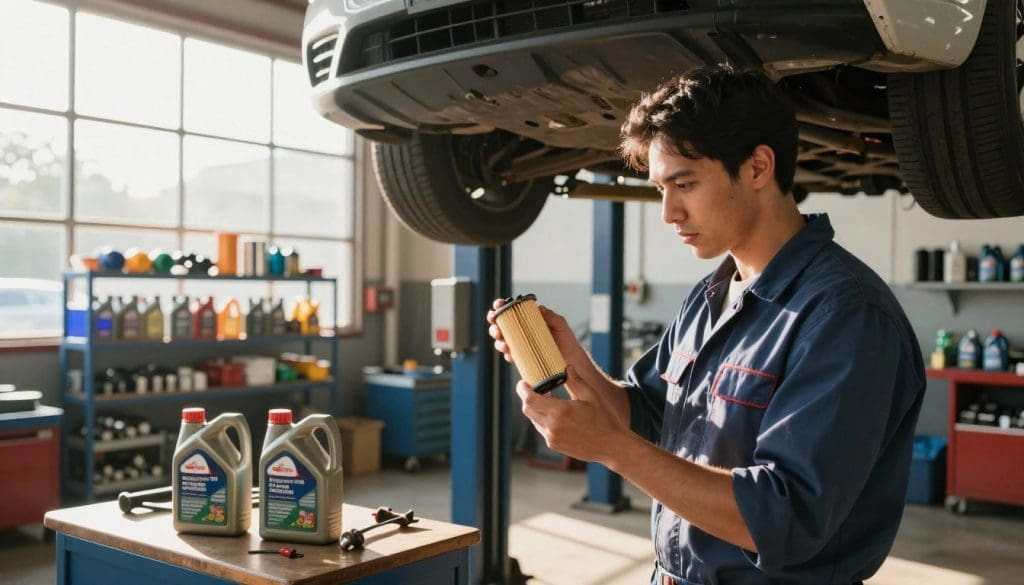
When you get a synthetic oil change San Antonio, the filter’s quality is key. The oil lubricates, but the filter keeps out bad stuff. Ignoring this can hurt your engine a lot.
How Filters Protect Your Engine from Contaminants
Engine oil moves around, picking up tiny bits of metal, dirt, and carbon. A good filter catches these before they harm your engine. Regular cleaning keeps the oil working well for longer.
Top-notch filters have special media that catches tiny particles. They keep your engine’s parts running smoothly and efficiently. This is a must for keeping your car in top shape.
Why Cheap Filters Fail in High-Heat Environments
In South Texas’s hot weather, your car’s parts get really stressed. Cheap filters can’t handle the heat and break down. This lets bad stuff into your engine.
Also, low-quality filters might not work right. They can collapse or have faulty valves. This lets dirty oil back into your engine, speeding up wear and tear. Getting a premium filter for your next synthetic oil change San Antonio is a wise choice.
Environmental Factors Affecting San Antonio Vehicles
San Antonio’s hot sun is just the start of problems for your car’s engine. The area’s landscape also brings airborne particles and moisture. These factors need your attention to keep your engine running well.
Dust and Debris Impact on Air and Oil Filtration
The dry, dusty weather in South Texas can harm your car’s filters. Fine dust can get past the air filter and damage your engine. Regularly checking your filters helps keep your oil clean and prevents sludge buildup.
If your car is hard to start or slow, it might need a check-up. A synthetic oil change San Antonio service can check your filters and replace them if needed. This helps your engine last longer.
Humidity and Its Effect on Engine Fluids
Our area’s humidity can change, causing moisture in your engine. This can mix with your oil and make it less effective. Over time, this can cause corrosion and reduced fluid stability, harming your car if it sits for a while.
Using top-quality lubricants that resist moisture is key. A professional synthetic oil change San Antonio helps protect your engine from humidity. Keeping up with maintenance keeps your car reliable all year.
Expert Tips for Extending Engine Life
Looking after your car between visits to the mechanic is wise. Your daily checks are the first defense against engine problems. This way, your car stays reliable, even in tough weather.
Monitoring Fluid Levels Between Appointments
Checking your oil and other fluids is easy and worth it. Pull out your dipstick monthly to see if your oil looks right. If it’s low, add more oil right away to avoid damage.
Don’t forget to check your coolant and brake fluid too. Keeping an eye on your engine’s fluids helps you know when to change the oil. Consistency is key to spotting problems early.
The Value of Regular Professional Inspections
Even the most careful driver can miss some issues. Regular checks by professionals give a closer look at your car’s health. They use special tools to find problems like worn belts and leaks.
By setting up these inspections, you can figure out the best time to change your oil. Professional oversight catches small issues before they become big problems. This way, you can enjoy a longer engine life and peace of mind.
Why Local Expertise Matters for Your Vehicle
Finding a reliable shop for an oil change San Antonio can be tough. You need a team that knows how the South Texas heat affects your engine. Local experts give insights that big service centers miss, keeping your car in top shape.
The Heaven Automotive Advantage
At Heaven Automotive, we focus on your car’s specific needs. Our techs know the local climate’s impact on fluids. Choosing us means you get professional diagnostics that do more than just change oil.
Commitment to Quality Service at 6645 Poss Rd.
Our shop is at 6645 Poss Rd. San Antonio, TX 78238. We treat every car like our own. For top-notch maintenance and to book your next oil change San Antonio, call (210) 682-3898.
| Service Feature | Generic Shop | Heaven Automotive |
|---|---|---|
| Climate Awareness | Standard | Expert |
| Fluid Quality | Basic | Premium |
| Customer Focus | Transactional | Personalized |
| Local Expertise | Limited | Specialized |
Conclusion
Your car faces tough challenges in San Antonio’s hot weather. Keeping up with maintenance is key to ensure your car runs well, no matter the heat.
Regular oil changes are essential to avoid mechanical damage. They keep your engine’s parts well-lubricated and cool, even when it’s hottest.
Driving should always feel safe and worry-free. At Heaven Automotive, we’re here to help. Our team ensures your car is in top shape for any road condition.
Drop by at 6645 Poss Rd. San Antonio, TX 78238 to talk to our experts. Or call (210) 682-3898 to book your next service. We’re ready to help you keep your car in great condition for the future.