

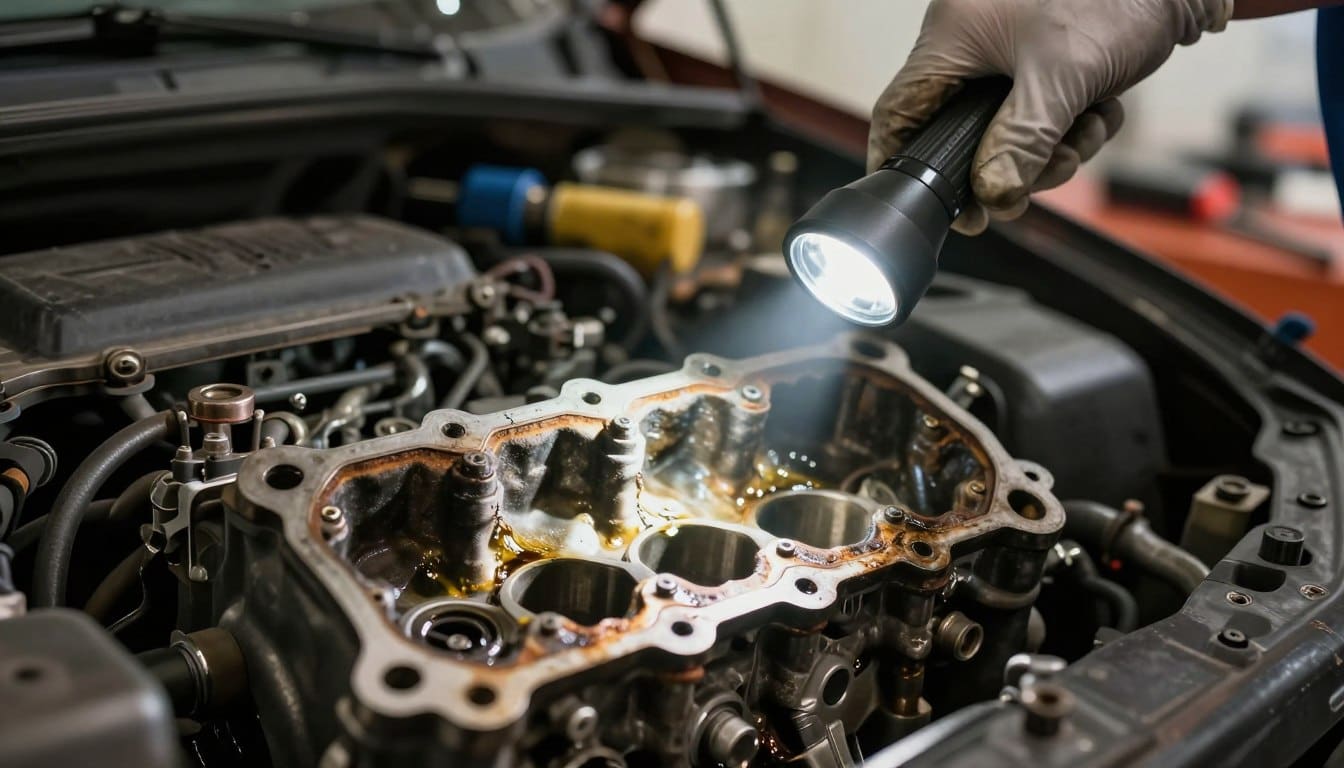
Your car needs a special seal to keep everything working right. When this seal starts to fail, your engine is in big trouble. Spotting head gasket repair signs early can save your car from a major breakdown.
Staying proactive helps catch small problems before they get big. Keep an eye on your coolant and exhaust to keep your car running smoothly for a long time.
Knowing how your car works helps you notice when something’s wrong. We’ll show you the key signs that mean your car needs a pro to fix it. Learning these head gasket repair signs helps protect your investment and keeps you safe on the road.
Key Takeaways
- Early detection prevents catastrophic engine failure.
- Monitor your coolant levels for unusual drops.
- Watch for white smoke coming from your exhaust.
- Check your oil for a milky, discolored appearance.
- Address overheating issues immediately to save your motor.
Understanding the Role of Your Head Gasket
Deep inside your engine, a critical seal works tirelessly to maintain power and efficiency. This component, known as the head gasket, sits firmly between the engine block and the cylinder head. It acts as the primary barrier that keeps your vehicle running without internal complications.
Without this seal, your engine would struggle to contain the forces required for movement. Even a minor breach can lead to significant performance drops or total mechanical failure. Recognizing its importance is the first step in proactive vehicle maintenance.
The Function of the Gasket in Internal Combustion
The head gasket serves several vital roles during the combustion process. Its main job is to maintain proper compression within the cylinders, which is essential for generating power. By creating a tight seal, it ensures that the fuel-air mixture ignites exactly when it should.
Beyond compression, the gasket acts as a sophisticated divider for your engine’s vital fluids. It features specific pathways that allow oil and coolant to circulate through the engine block and head without mixing. If this seal fails, these fluids can cross-contaminate, leading to catastrophic internal damage.
Why Gaskets Fail Under Extreme Pressure
Your engine operates under intense heat and pressure every time you drive. Over time, the constant expansion and contraction of metal components can cause the gasket material to weaken. This process, often called thermal fatigue, eventually compromises the seal’s integrity.
When the gasket can no longer withstand these extreme conditions, it may develop small gaps or tears. These openings allow high-pressure gases to escape or fluids to leak into areas where they do not belong. The following table outlines the differences between a healthy gasket and one that is beginning to fail.
| Feature | Healthy Gasket | Failing Gasket |
|---|---|---|
| Compression | Consistent and High | Erratic or Low |
| Fluid Separation | Complete Isolation | Mixing of Oil and Coolant |
| Engine Temperature | Stable Operating Range | Frequent Overheating |
| Exhaust Output | Clear or Minimal | Thick White Smoke |
Identifying Critical Head Gasket Repair Signs
Your car often gives subtle hints when the seals inside start to fail. By watching how your car acts on daily drives, you can catch head gasket repair signs early. This helps avoid costly engine problems.
Recognizing Early Warning Indicators
Many drivers miss small changes in their car’s behavior until it really starts to struggle. Keep an eye on your dashboard and engine area for signs of trouble:
- Unexplained loss of coolant without visible external puddles.
- Frequent engine overheating during normal driving conditions.
- White, sweet-smelling smoke emitting from your tailpipe.
- Oil that appears milky or frothy when checking the dipstick.
- Rough idling or a noticeable loss of power during acceleration.
The Importance of Immediate Action
When you see these critical warning indicators, you must act fast. Ignoring them can lead to serious engine damage, which is much more expensive to fix. A small leak can quickly become a big problem if not fixed.
Getting professional help right away when you spot head gasket repair signs keeps your car running well. Quick action saves your investment and keeps your engine running smoothly for years. Do not wait for the engine to stall before getting it checked.
The Danger of an Overheating Engine
An overheating engine is a clear warning that your car is in trouble. When your car’s parts get too hot, it can’t run smoothly. This usually means the head gasket is failing. It’s a key seal between the engine block and the cylinder head.
How Overheating Compromises Gasket Integrity
The head gasket can handle high pressure but not constant heat. When it starts to break down, coolant leaks into the engine. This makes it hard for the engine to cool down.
Driving with a hot engine can cause serious damage. The metal parts, like the cylinder head, can warp from the heat. This warping means the seal won’t fit right anymore, leading to engine failure.
Monitoring Your Temperature Gauge Effectively
Keep an eye on your dashboard’s temperature gauge during every drive. This is very important in heavy traffic. If the needle gets close to the red, act fast to avoid engine damage.
Here’s what to do if your car is overheating:
- Pull over safely: Find a safe spot and turn off the engine right away.
- Check for leaks: Look for coolant puddles under the car, but don’t open the radiator cap while it’s hot.
- Listen for changes: Listen for strange sounds from under the hood.
- Seek professional help: Don’t drive to a shop if the gauge is high.
Being alert can save you a lot of money. Catching overheating issues early can prevent expensive repairs or even a new engine.
Analyzing White Smoke Exhaust as a Warning
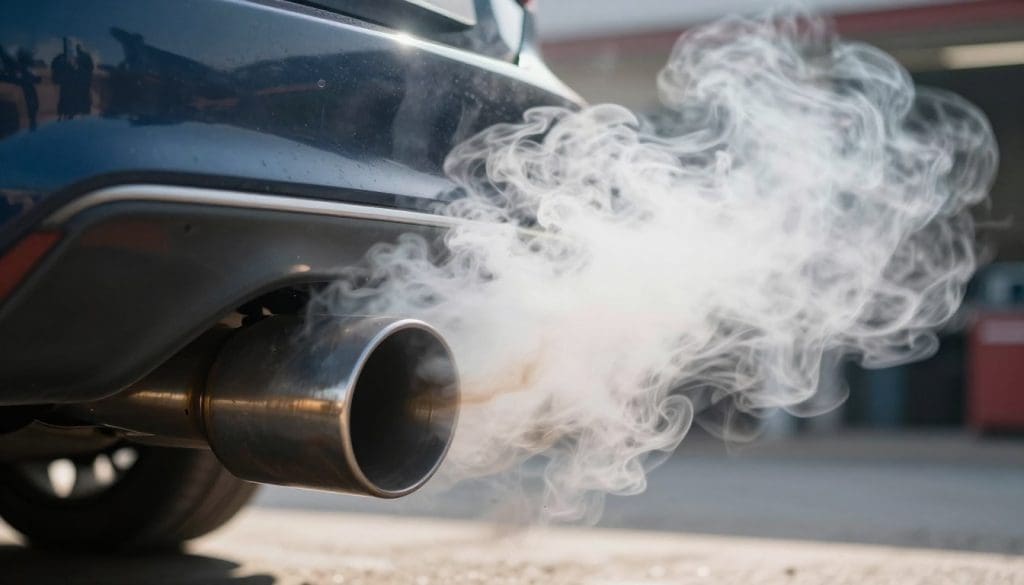
If you see a lot of white smoke exhaust from your car, it’s a sign to check your engine. A little vapor is okay on cold mornings. But a thick cloud means something’s wrong.
Spotting this early can prevent bigger engine problems.
Distinguishing Between Condensation and Coolant Burn
It’s important to tell the difference between normal condensation and a coolant leak. Normal condensation happens when you start your car in the cold. It goes away as the engine warms up.
A coolant leak, on the other hand, makes thick white smoke that doesn’t go away. This smoke smells sweet and syrupy. It means your engine is burning antifreeze. If the smoke keeps coming, it’s a big warning.
The Mechanics of Coolant Entering the Combustion Chamber
A head gasket failure lets coolant leak into the combustion chamber. This happens when the seal between the engine block and cylinder head breaks.
Inside the chamber, the coolant gets very hot and is vaporized. It mixes with air and fuel and comes out as white smoke exhaust. This shows a failing gasket and means your engine is losing cooling fluid. If not fixed, it can overheat fast.
Detecting Coolant in Oil and Milky Oil
Seeing milky oil in your engine means your head gasket has failed. When the seal between your engine block and cylinder head breaks, fluids mix. Finding coolant in oil is a serious sign that needs your quick attention.
Why Oil Turns Milky During Gasket Failure
Your engine oil looks different when it’s contaminated. Coolant leaking into the oil passages mixes with it. This creates a thick, tan, or creamy substance often called engine mayonnaise.
You can spot this by pulling your oil dipstick or checking the underside of your oil filler cap. If the oil looks different from its usual dark or amber color, you have a big problem. This change is a definitive sign that your cooling and lubrication systems are mixing.
The Risks of Lubrication Breakdown
Motor oil protects your engine by creating a film between moving parts. But when you have coolant in oil, this protection is lost. The mixture can’t reduce friction anymore, causing your engine to wear out fast.
Driving your car in this state is very dangerous for your engine. Without proper lubrication, your engine can seize completely. This can lead to expensive damage that might need a full engine replacement. Checking your dipstick for milky oil regularly is a simple way to prevent costly repairs.
External Leaks and Engine Block Damage
External leaks are a clear sign that your head gasket needs fixing. These leaks happen when the seal between the engine block and the cylinder head breaks. This lets fluids leak out, which can damage your car’s core.
Spotting Puddles Under Your Vehicle
Fluid puddles under your car are a common sign of a failing gasket. You might see coolant, which looks bright green, orange, or pink, under the engine. It’s important to tell these puddles apart from just water, as they show a leak in your cooling system.
Also, look for oily streaks or residue on the engine block. This happens when oil leaks out and mixes with dirt. While you might look for white smoke exhaust inside, these streaks outside are also warning signs of engine damage.
Long-term Effects of External Coolant Loss
Ignoring leaks can lead to a slow but serious loss of engine fluids. When coolant levels drop, the engine can’t cool itself properly. This often causes severe overheating, which can warp the cylinder head and damage the engine block.
Also, leaking fluids can be a fire risk if they touch hot exhaust manifolds. Keeping fluid levels right is not just about how well your car runs. It’s also a critical safety measure for drivers. If you see these signs, get a professional to check your car right away to avoid expensive repairs.
Loss of Engine Power and Performance Issues
A sudden drop in engine power is often one of the most frustrating symptoms of a compromised head gasket. When this critical seal fails, your vehicle loses the ability to maintain the internal pressure required for efficient combustion. You may find that your car simply lacks the zest it once had during your daily drives.
This loss of performance is not just an inconvenience; it is a warning sign that your engine is struggling to function correctly. Ignoring these changes can lead to more severe mechanical damage over time. Understanding how these symptoms manifest helps you make informed decisions about your vehicle’s health.
How Compression Loss Affects Acceleration
Your engine relies on a precise balance of air and fuel to generate power. The head gasket acts as a seal that keeps this mixture contained within the combustion chamber. When the gasket leaks, compression escapes, which directly impacts your acceleration capabilities.
You might notice that your vehicle feels sluggish when you press the gas pedal. Instead of a smooth increase in speed, the engine may hesitate or fail to respond with its usual strength. This happens because the cylinders are no longer firing at their full pressure.
Identifying Rough Idling and Misfires
Beyond acceleration, a failing gasket often causes the engine to run unevenly while stopped. You might feel a noticeable vibration or shaking when your car is idling at a traffic light. This occurs because the leaking gasket allows coolant or air to interfere with the ignition process in one or more cylinders.
These interruptions are known as misfires, and they prevent the engine from running in a smooth, rhythmic cycle. If you hear a stuttering sound or feel the vehicle jerking, it is a clear indicator that the combustion process is being compromised. Addressing these performance issues early is essential to prevent further stress on your engine components.
| Symptom | Primary Cause | Driver Experience |
|---|---|---|
| Sluggish Acceleration | Loss of Compression | Delayed response to throttle |
| Rough Idling | Cylinder Misfire | Vibration or shaking at stops |
| Engine Stuttering | Combustion Leak | Erratic power delivery |
| Power Loss | Pressure Escape | Reduced overall vehicle speed |
Spark Plug Fouling and Combustion Chamber Leaks
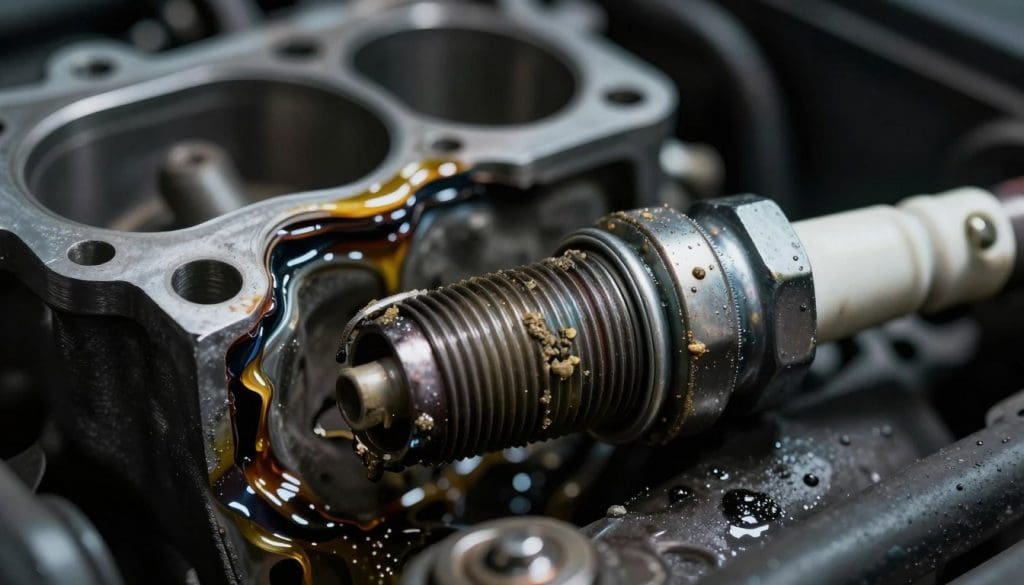
Spark plugs are key to your engine’s health. If the seal between the engine block and cylinder head fails, it can mess up the ignition. You might see your car having trouble idling or losing power when you accelerate.
The Connection Between Gaskets and Ignition
The head gasket keeps fluids out of the combustion chamber. If it fails, coolant or oil can get in where they shouldn’t. This makes it hard for spark plugs to work right.
Oil and moisture mix to create a milky oil that coats the plug electrodes. This stops the spark from jumping the gap. Your engine then misfires, getting worse if the leak isn’t fixed.
Inspecting Spark Plugs for Signs of Contamination
Technicians check spark plugs to find the problem. They look at the color and texture of the deposits. White, crusty deposits mean coolant got in, while dark, oily buildup means oil seals failed.
Regular inspection is key to keeping your engine running well. If your plugs get fouled often, it means your head gasket isn’t sealing right. Fixing this early can save your engine and avoid expensive repairs later.
The Impact of Neglected Repairs on Your Vehicle
Choosing to ignore early engine trouble signs can lead to a major breakdown. A small leak can turn into a critical mechanical failure if not fixed. Your car needs a tight seal to work right, and ignoring this can risk your engine.
Catastrophic Engine Failure Risks
A failing head gasket lets coolant and oil mix or leak. This messes up your engine’s temperature control. Driving on can warp the cylinder head, ruining the seal and causing compression loss.
Worst cases can crack the engine block due to heat stress. This damage is often too much to fix, making your car unusable. Seeing fluid loss or overheating means you must act fast to avoid such damage.
Financial Consequences of Delayed Maintenance
Waiting to fix a gasket costs much more than a quick repair. A gasket replacement is expensive, but it’s cheaper than fixing or replacing the whole engine. Early action saves you from exorbitant expenses of engine failure.
Here’s a comparison to show the long-term effects of your maintenance choices:
| Maintenance Stage | Estimated Cost | Engine Condition |
|---|---|---|
| Early Detection | Moderate | Stable |
| Delayed Repair | High | Degrading |
| Total Failure | Very High | Non-functional |
Investing in your car now can save you from costly repairs later. Regular maintenance keeps your car running well for years. Don’t wait for a breakdown to take care of your engine.
Why Professional Diagnosis is Essential
When your engine shows trouble signs, you might want to start tinkering. But, fixing complex engine issues needs more than basic tools. Professional expertise is key to ensure your car gets the right care.
The Limitations of DIY Diagnostic Tools
Many DIY enthusiasts use visual checks or generic code readers. But, these methods often miss the subtle signs of a failing head gasket. Visual checks can’t spot the tiny cracks or leaks that harm your engine’s performance.
Trying to fix these problems yourself can lead to misdiagnosis and unnecessary parts replacement. You might waste time and money on fixing parts that aren’t broken. This cycle of trial and error can delay the real fix, letting small problems turn into big ones.
Precision Testing Methods Used by Experts
Certified technicians use advanced tools to check your engine’s health. One tool is the chemical block tester, which finds combustion gases in your cooling system. This test clearly shows if a gasket has failed, leaving no doubt.
Experts also do compression testing to check cylinder pressure. By comparing these readings to factory specs, they find where leaks are. Using these precise methods means the repair is accurate, saving you time and money.
Current Trends in Head Gasket Repair San Antonio
Finding reliable head gasket repair San Antonio services is key for drivers in hot summer weather. Our area’s unique climate needs a proactive maintenance approach. High heat can cause engine parts to fail unexpectedly.
Local Automotive Challenges in Texas Climates
The Texas sun is very harsh on cars. Triple-digit temperatures make radiators and coolant lines work harder. This constant heat causes accelerated wear on gaskets.
Many cars in San Antonio face cooling system problems early. When it can’t cool down, engine pressure goes up fast. This is why gaskets often fail early in our area.
Why San Antonio Drivers Need Specialized Care
Choose mechanics who know Texas’s climate well. A general shop might miss signs of heat damage. A local expert will use heat-resistant parts for your car.
Specialized care is more than just fixing a part. It’s about making your cooling system better. By picking experts, you ensure your car is ready for hot weather. Regular maintenance stops catastrophic engine damage from cooling problems.
| Maintenance Factor | Standard Approach | Texas Climate-Optimized |
|---|---|---|
| Coolant Type | Generic Mixture | High-Boiling Point Formula |
| Inspection Frequency | Every 30,000 Miles | Every 15,000 Miles |
| System Pressure Check | Basic Visual | Advanced Stress Testing |
| Repair Focus | Part Replacement | System-Wide Heat Mitigation |
What Happens During a Professional Inspection
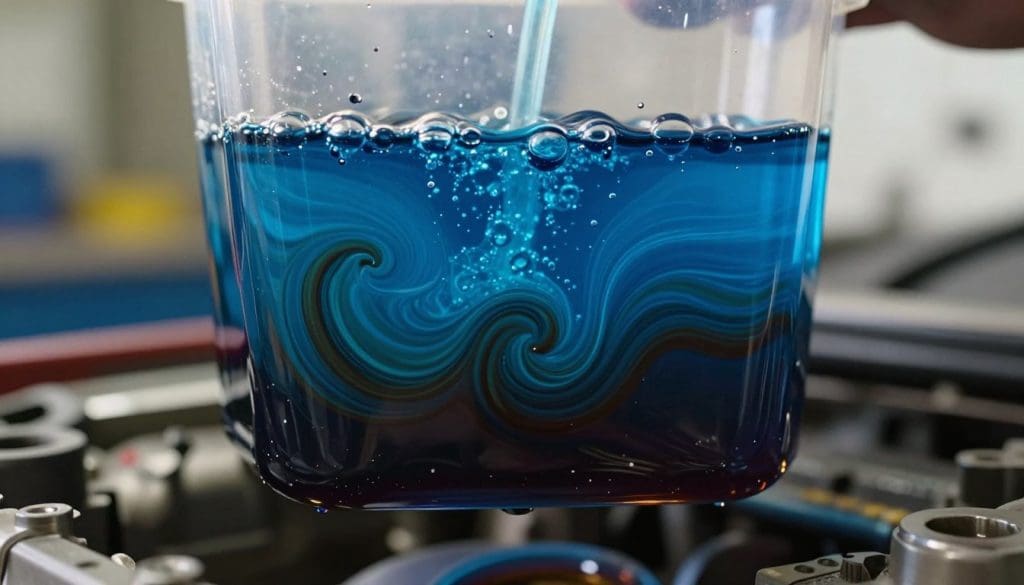
Knowing what happens during a mechanic’s check can make you feel more sure about your repair choices. When you take your car to a shop, techs use special tools to see beyond the engine’s surface. This is essential to figure out if you have a small leak or a big problem.
Pressure Testing the Cooling System
The first thing techs do is test the cooling system’s pressure. They attach a pump to your radiator to push air into the system. This test shows hidden leaks that might not be seen when the engine is cold.
If the pressure goes down, it means fluid is leaking somewhere. This is a key moment to check for coolant in oil. Finding these leaks early stops more damage to your engine block.
Chemical Block Testing Procedures
After checking the cooling system, experts do a chemical block test. This test finds combustion gases in your cooling system. If the test fluid changes color, it means the head gasket has failed.
This test is very accurate. It shows if coolant in oil is due to a bad gasket. By using these tests, your mechanic gives you a clear diagnosis. You can then decide what repairs are needed to fix your car.
| Diagnostic Method | Primary Goal | What It Detects |
|---|---|---|
| Pressure Test | System Integrity | External and Internal Leaks |
| Chemical Block Test | Combustion Seal | Gasket Failure and Gas Leaks |
| Oil Analysis | Fluid Purity | Presence of Coolant in Oil |
Preventative Maintenance to Avoid Gasket Failure
Keeping your vehicle safe from an overheating engine is up to you. By being proactive, you can stop seal damage before it starts. This way, your car will stay reliable for many years.
Cooling System Flushes and Fluid Quality
Your cooling system needs top-notch coolant to keep your engine cool. Over time, this coolant can break down. This can cause corrosion and harmful buildup.
Getting a regular cooling system flush is key. It gets rid of old, acidic coolant. Then, it adds new coolant that keeps your engine safe from rust and overheating. Using the right coolant keeps your seals in good shape.
Monitoring Engine Health Regularly
Being consistent is the key to a healthy vehicle. Always check your coolant levels and look for hose damage during oil changes.
Spotting small leaks or pressure drops early can save you from big problems. If your temperature gauge goes up, don’t ignore it. It’s a sign of an overheating engine. Routine professional inspections give you peace of mind that your cooling system is working right.
Evaluating Repair Costs Versus Vehicle Replacement
When your car’s head gasket fails, you face a big decision. You must compare the cost of fixing it to the car’s remaining life. Making the right choice means looking at your current situation and future needs.
Assessing the Value of Your Vehicle
Before deciding on a major repair, check your car’s condition. If the engine is good and the body is rust-free, fixing it might be wise. But if your car has high mileage or often breaks down, it might be smarter to buy a new one.
Calculate the repair cost against your car’s market value. If the repair is more than half the car’s value, think hard about what to do next. Consulting with a trusted mechanic can help you decide if fixing your car is worth it.
Long-term Reliability After Professional Repair
Fixing your head gasket can make your engine last longer if done right. A good repair keeps the engine running well and stops more damage. Reliability is key, making sure your car is safe and reliable for daily use.
Choosing a professional repair avoids the stress and hidden costs of buying a used car. A well-kept engine can last many years after a successful gasket replacement. Here’s a table to help you decide.
| Factor | Repair Benefits | Replacement Risks |
|---|---|---|
| Financial Impact | Lower upfront cost | High monthly payments |
| Vehicle History | Known maintenance record | Unknown past issues |
| Reliability | Restored performance | Potential hidden defects |
| Timeframe | Quick turnaround | Long search process |
Choosing the Right Experts for Your Engine Needs
When your engine starts to show problems, you need a team that knows modern cars inside out. Finding the right experts is crucial to get your car running smoothly again. Look for shops that are skilled and open about their repair methods.
Why Heaven Automotive is the Trusted Choice
In the local area, Heaven Automotive is the top choice for engine work. Located at 6645 Poss Rd. San Antonio, TX 78238, we handle tough repairs. Call our team at (210) 682-3898 to talk about your car’s issues.
Fixing a head gasket repair San Antonio job needs care and attention. Our techs find the real problem, not just the symptoms. Choosing us means your car is in good hands.
Commitment to Quality and Customer Satisfaction
We aim for the best in every service. We use advanced diagnostic tools for accurate repairs. We also believe in keeping you updated every step of the way.
Need a check-up or a big engine fix? We offer reliable solutions that last. Trusting your car to us means a safer drive. Come see why locals choose us for their car needs.
| Service Feature | General Repair Shop | Heaven Automotive |
|---|---|---|
| Diagnostic Technology | Basic Scanners | Advanced Precision Tools |
| Specialization | General Maintenance | Complex Engine & Head Gasket Repair San Antonio |
| Customer Focus | Standard Service | Personalized Care & Transparency |
Conclusion
Your car needs many systems working together to run well. Watching for head gasket repair signs is key to avoiding big problems. Small changes in your car’s performance can mean it needs a pro’s help fast.
By acting fast when you notice odd smells or temperature changes, you can avoid expensive repairs. Ignoring these signs can lead to bigger issues and higher costs. Taking care of your car early keeps it running smoothly and saves you money.
Don’t wait to get help for your car’s issues. Call Heaven Automotive at (210) 682-3898 for a detailed check-up. Let Heaven Automotive fix your car and give you peace of mind while driving.