


Finding your vehicle turning over without firing is stressful. When you try to start and the engine cranks, a few common failures could be at play. The engine needs fuel, air, and spark in the right mix and timing to run.
A failed fuel pump, clogged fuel filter, or a weak battery can stop the system from delivering fuel at the right pressure. Ignition faults such as a bad spark plug, coil, or crankshaft position sensor can also prevent combustion.
Low compression, a worn starter, or timing issues may cause similar symptoms. Note how the engine cranks — slowly or fast — and avoid long, repeated attempts to start the vehicle. That data helps a technician diagnose the problem faster and protects the starter and battery from damage.
Key Takeaways
- Engine starting needs coordinated fuel, air, and spark.
- Fuel pump, clogged fuel filter, or bad spark plug are common causes.
- Slow cranking often signals a weak battery or failing starter.
- A faulty position sensor or timing issue can mimic fuel problems.
- Record symptoms and avoid excessive cranking before seeking help.
Understanding Why Your Car Cranks but Won’t Start
When the motor spins without firing, the root cause usually involves three systems: fuel delivery, ignition, and timing.
Fuel delivery failures are common. If the fuel pump cannot build pressure or a fuel filter is clogged, the engine receives little or no fuel. That prevents combustion even though the starter and flywheel are doing their job.
Spark problems also stop ignition. Worn spark plugs, a bad ignition coil, or a failed crankshaft position sensor can leave cylinders unlit. Technicians often use a scan tool to read codes that point to ignition or sensor faults.
- Weak battery or a failing starter can cause slow engine cranks and misdiagnosis.
- Timing belt failure or a bad position sensor breaks synchronization and will prevent proper combustion.
- Regular checks of plugs, air intake, and electrical connections reduce the chance of surprise failures.
If you’re unsure, get professional diagnostics. Proper testing protects the engine and saves time by identifying whether the fuel pump, fuel filter, spark plugs, or sensors are the real issue.
Assessing Battery Health and Electrical Connections
Start by inspecting the battery and the wiring that supplies the ignition and fuel systems. A weak battery or loose ground often prevents the engine from firing even though the starter spins. Use a multimeter before replacing parts to avoid wasted time and expense.
Signs of a Dead Battery
Look for simple clues you can spot quickly.
- Your battery should read around 12.6 volts when fully charged; anything lower can reduce available power for the spark.
- Dim dashboard lights or a slow crank are classic signs the battery lacks enough energy to the system.
- If the battery is older than 3–5 years, it may fail under cold conditions and need replacement.
Cleaning Corroded Terminals
White or blue corrosion on terminals creates resistance and interrupts power flow. Clean terminals with a wire brush or a baking soda solution, and tighten all clamps.
Also check the ground cable to the chassis and engine. A loose or dirty ground causes intermittent issues that mimic fuel pump or sensor faults. After cleaning, recheck voltage with the multimeter to confirm the problem is resolved.
Testing the Alternator and Charging System
A failing alternator often shows subtle electrical signs before the battery goes flat. Check the charging system early to avoid being stranded. A healthy alternator should produce between 13.8 and 14.2 volts while the engine is running.
Measure voltage across the battery terminals with a multimeter. When the engine runs, the reading should jump into the 13.8–14.2 V range. If it stays below 13 V when accessories such as the AC or headlights are on, you likely have an alternator issue.
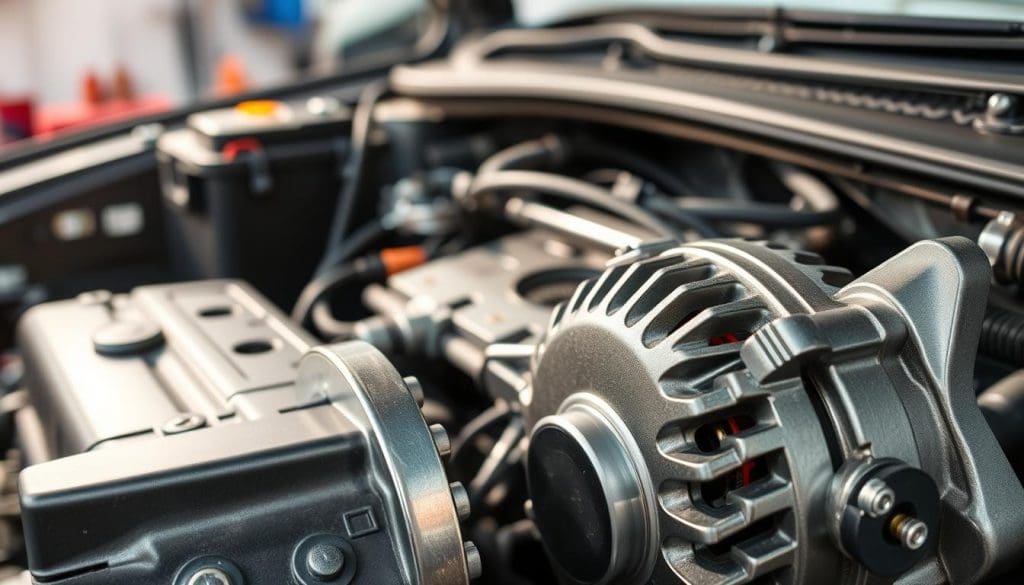
Watch for flickering headlights, weak audio, or a burning rubber smell from the engine bay. These signs point to a slipping serpentine belt or an overheating alternator. Both can let the battery drain and create a false impression of a fuel or ignition problem.
- What the alternator does: it recharges the battery and powers the vehicle electrical system, including the ignition and fuel pump, while the engine runs.
- When to call a pro: if voltage drops under load or a load test fails, have a technician inspect the alternator and belt.
- Quick check: inspect the serpentine belt for wear; a loose or broken belt prevents charging.
Inspecting the Starter Motor for Faults
A failing starter motor often produces clear noises or slow spinning that point to an electrical or mechanical fault.
The starter is a high-torque electric motor that engages the flywheel when you turn the key. If it does not spin the engine fast enough, compression and spark cannot combine to ignite fuel in the cylinders.
Identifying Clicking Sounds
If you hear a single click and the engine does not turn over, check the starter solenoid and the battery connection first.
A slow rotation of the engine often means internal starter wear or a poor electrical connection. A grinding noise suggests the starter gear is not mating with the flywheel correctly.
- Verify battery voltage and terminal condition before swapping parts.
- Inspect the starter relay and fuses in the fuse box for looseness or failure.
- Testing by bypassing the relay should only be done by someone trained, due to high current and spark risk.
Safety first: work with the ignition off and the battery disconnected when you access the starter. If the engine cranks slowly or you face a cranks start issue, have a technician confirm the starter speed and engagement to avoid misdiagnosing fuel, spark, or compression problems.
Troubleshooting Ignition Switch and Key Fob Issues
A faulty ignition switch or a dead key fob battery can cut power to the fuel pump and spark circuits, leaving the engine unable to run. Start with simple checks before replacing parts.
Steering Lock Mechanisms
If the physical key will not turn, the steering lock may be engaged. This anti-theft feature prevents the ignition cylinder from rotating and disables power to the fuel and spark systems.
Try gently wiggling the steering wheel while turning the key. That often releases the lock and restores normal ignition function.
- Use a spare key to rule out a worn key blade.
- Inspect the lock cylinder for binding or debris.
- If dashboard lights flicker when turning the key, suspect contact wear in the ignition switch.
Key Fob Battery Replacement
A dead fob battery can stop the vehicle from recognizing your key signal. Even with a charged battery, an immobilizer or worn ignition assembly can block engine operation.
Many models include a backup slot or a dash area to place the fob so the vehicle will accept the key when the internal battery is low.
- Replace the fob battery and test with the spare key.
- If problems persist, have a technician check the immobilizer or ignition switch assembly.
Evaluating Fuel System Components
A steady fuel pressure is the backbone of combustion; without it the engine will only turn over and fail to run.
Inspecting the fuel system first often saves time. Start with audible and visual checks before moving to tools. A faint hum when you turn the key usually means the pump is priming.
The Key Dance Technique
Try the key dance by switching the ignition to the “On” position for a few seconds, then off, then On again. This primes the fuel pump and builds pressure in the rails.
If you do not hear a brief pump hum, suspect the pump or its relay and fuse.
Clogged Fuel Filters
A clogged fuel filter restricts flow to the injectors and can make the engine sputter under load. Replace the filter on schedule to avoid sudden failure.
Add a quality fuel injector cleaner to the tank to clear minor deposits, but have the filter replaced if symptoms persist.
Fuel Pump Relay Failure
Check the fuel pump fuse and relay in the fuse box first. A blown fuse or bad relay stops the pump from delivering fuel even when the rest of the system is fine.
- Listen for pump operation when the key is cycled.
- Check the fuse and relay before replacing the pump.
- Have a technician perform a fuel pressure test to confirm PSI at the rail.
Checking Spark Plugs and Ignition Coils
Faulty ignition components often show subtle signs before a full failure. Begin your checks at the plugs and coils because they deliver the high-voltage spark that ignites the fuel and air mixture in each cylinder.
The Key Dance Technique
Cycle the ignition to On for a few seconds, then Off, then On again. This can prime systems and reveal whether spark delivery wakes up. Listen and watch for any change in engine response after the sequence.
Inspecting Plugs and Coils
Remove and inspect spark plugs for carbon buildup, oil fouling, or worn electrodes. Any of these signs reduce combustion efficiency and can prevent the engine from firing.
- Check plug gaps and replace plugs per the manufacturer schedule.
- Test ignition coils with a multimeter; failed windings cause intermittent misfires or a dead cylinder.
- Ensure plug wires and boots are clean and seated to avoid voltage leaks across insulation.
When Fuel Delivery Appears Fine
If fuel pressure checks look normal, a bad coil or a fouled spark plug often explains the issue. A single failed coil can stop multiple cylinders from lighting and make the system run very roughly.
For persistent problems, see a technician or review common no-start causes at common no-start causes.
Examining Timing Belts and Engine Sensors
Timing components and engine sensors work together; when either fails, ignition and injection timing can go missing.
The timing belt synchronizes the crankshaft and camshaft rotation. If it snaps, the engine can suffer severe internal damage and will not run. Check the belt for fraying or cracking, especially after 60,000–100,000 miles.
A failing crankshaft position sensor leaves the ECU without the signal it needs to time spark and fuel injection. When that signal is lost, the engine may turn over while the plugs and injectors receive no timing reference.
- The timing belt keeps valves and pistons synchronized; a break can cause catastrophic damage.
- Crankshaft position sensor faults commonly trigger diagnostic codes related to timing.
- Camshaft position sensors also inform the ignition sequence for correct cylinder firing.
If you suspect a sensor or timing issue, use a scan tool or ask a technician to test signal output. Proper testing confirms whether the crankshaft position sensor or timing belt is the true cause and prevents needless parts replacement.
Professional Diagnostic and Repair Services
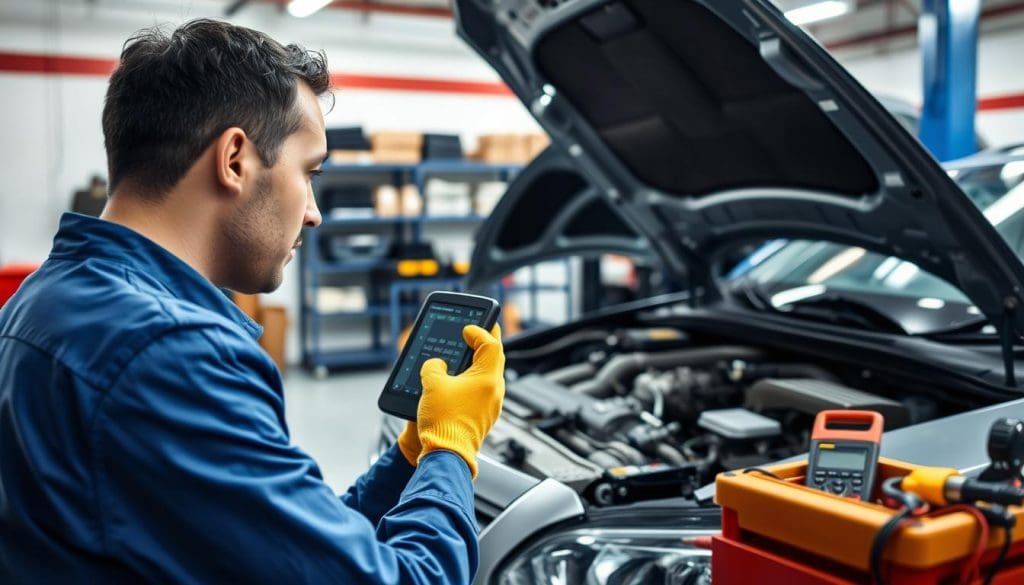
When your vehicle shows a starting issue, timely diagnostics prevent guesswork and save money. Expert technicians use targeted tests to isolate fuel, ignition, and timing faults quickly.
Miracle Body and Paint Collision Center offers full-service diagnostics and repairs with modern scan tools and fuel pressure testers. We check the pump, starter, spark delivery, plugs, and related systems so your engine cranks start reliably.
North West San Antonio — Leon Valley
When your vehicle refuses to start, our Leon Valley team provides expert diagnostic services to find the root cause fast.
- Address: 6217 Grissom Rd., San Antonio, TX 78238
- Phone: (210) 680-1987
- Services: fuel pump testing, ignition checks, starter inspection, and full engine repair
North East San Antonio
For North East residents, book a visit to diagnose spark, plugs, or fuel delivery concerns and get professional repairs.
- Address: 4650 Walzem Rd, San Antonio, TX 78218
- Phone: (210) 858-3630
- We handle battery, ignition, and system faults to help your start car dependably
Quick note: our technicians prioritize fast, accurate testing so you avoid needless part swaps. Trust Miracle Body and Paint Collision Center to get your vehicle back on the road with skilled repairs and a clear diagnosis.
Conclusion
Before you call for help, a few quick checks can narrow the problem fast.
Use the information here to try start your engine with confidence. Perform basic inspections: battery voltage, terminal cleanliness, a short key-dance, and a fuel pump listen test.
Taking a little time now often saves you an unnecessary tow and gives your mechanic clear data when you need professional help.
When repairs are needed, Miracle Body and Paint Collision Center is ready to assist at two San Antonio locations. For more on extended crank time information, see this guide.
Contact us to schedule service and get back to reliable starting sooner.