

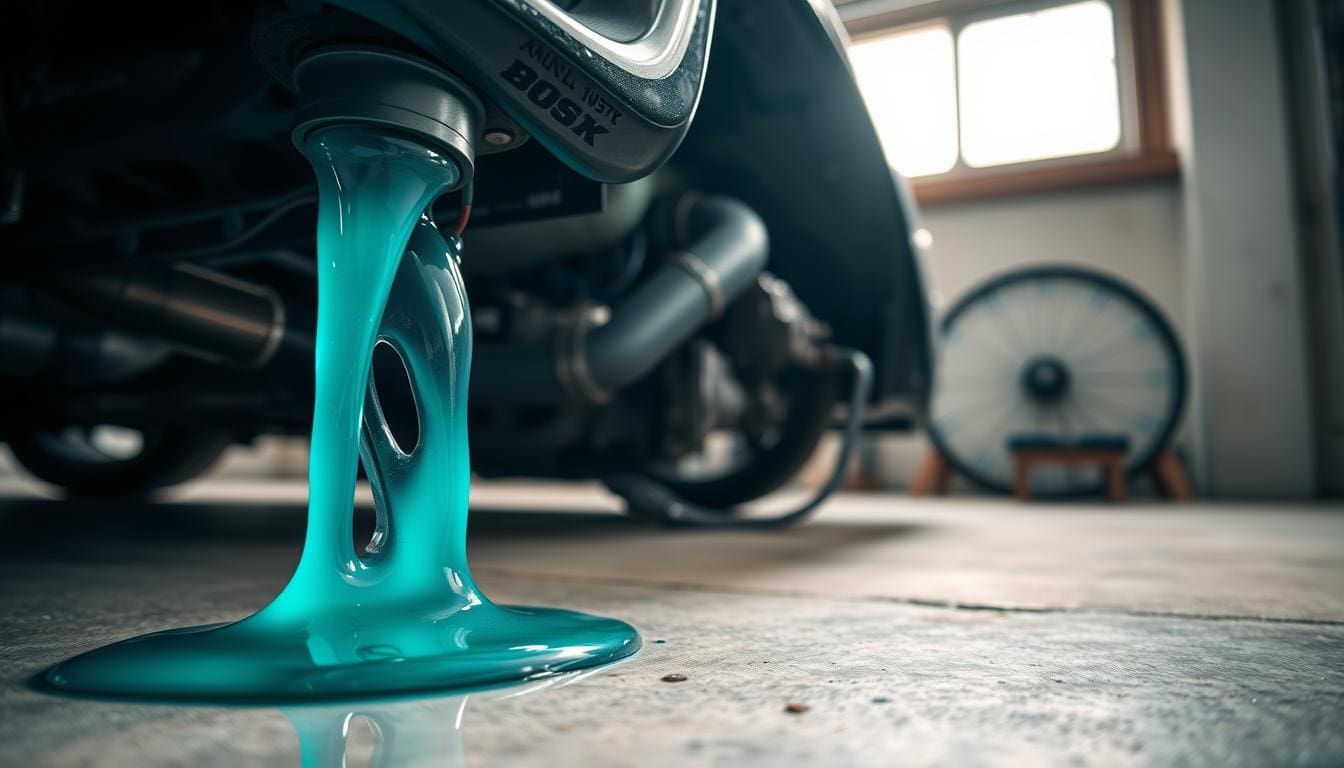
If your car shows signs of a coolant leak, you should act quickly. Driving while the cooling system is compromised can cause engine overheating and severe damage in minutes. You need clear guidance on safety, next steps, and professional repairs to protect your vehicle.
Miracle Body and Paint Collision Center operates two San Antonio locations to help you. Visit North West San Antonio – Leon Valley at 6217 Grissom Rd. or North East San Antonio at 4650 Walzem Rd. Call (210) 680-1987 or (210) 858-3630 for expert advice whether your car is safe to drive.
This introduction explains the risks and why professional service matters. Small leaks can become costly repairs if ignored, so trust trained technicians to assess your vehicle and prevent long-term engine damage.
Key Takeaways
- Driving with a coolant leak can cause rapid engine overheating and serious damage.
- Contact Miracle Body and Paint at (210) 680-1987 or (210) 858-3630 for immediate help.
- Two San Antonio locations offer professional assessment and collision repair services.
- Do not ignore small leaks—early repairs save time and money.
- Qualified technicians will tell you if your car is safe to drive and what repairs are needed.
Understanding Your Vehicle Cooling System
Understanding how your car manages heat helps you spot trouble before it becomes costly. The cooling system balances temperature so the engine runs efficiently and lasts longer.
Key Components
The radiator dissipates heat from the coolant into the air using fins that boost surface area. The water pump acts as the system’s heart, circulating the fluid through the engine and hoses.
The thermostat stays closed when the engine is cold and opens at operating temperature. The heater core is a small radiator that provides cabin heat by using hot fluid.
How the System Regulates Temperature
The system moves a water and antifreeze mix to absorb engine heat and release it at the radiator. A proper fluid ratio prevents boiling and freezing and reduces corrosion.
- Radiator role: dissipates heat efficiently — Miracle Body and Paint Collision Center understands this process for your vehicle.
- Water pump: circulates fluid — if it fails, visit 6217 Grissom Rd., call (210) 680-1987.
- Thermostat & heater core: control temperature — our team at 4650 Walzem Rd. can inspect these parts.
Regular maintenance of the cooling system prevents common problems. Call (210) 680-1987 or (210) 858-3630 to schedule a check at either San Antonio location.
Common Coolant Leak Symptoms You Should Know
Noticing a few specific signs can tell you when your car needs service. A sweet smell near the vehicle often points to a fluid problem. Check for colored puddles under the radiator area. Green, orange, or pink stains are classic clues.
Watch your dash. A warning light or gauge that reads low indicates you may have low coolant and should not be ignored. If your heater blows cold air, that is another clear sign the system is compromised.
- Sweet smell: brings the issue to attention quickly and needs inspection.
- Dashboard warning light: signals low levels that our North West San Antonio shop can diagnose.
- Puddles under your vehicle: our team at 4650 Walzem Rd. can trace the source fast.
- Frequent top-ups: mean hoses or the radiator may have small leaks.
- Know your type: telling technicians the correct type coolant helps speed repairs.
If you see these signs, call Miracle Body and Paint Collision Center at North West San Antonio – Leon Valley (6217 Grissom Rd., 210-680-1987) or North East San Antonio (4650 Walzem Rd., 210-858-3630) for a prompt inspection.
Why Your Engine Needs Proper Coolant Levels
Maintaining the right mix of water and antifreeze in your vehicle keeps engine temperature steady and parts safe. Low levels let heat rise fast and invite internal damage.
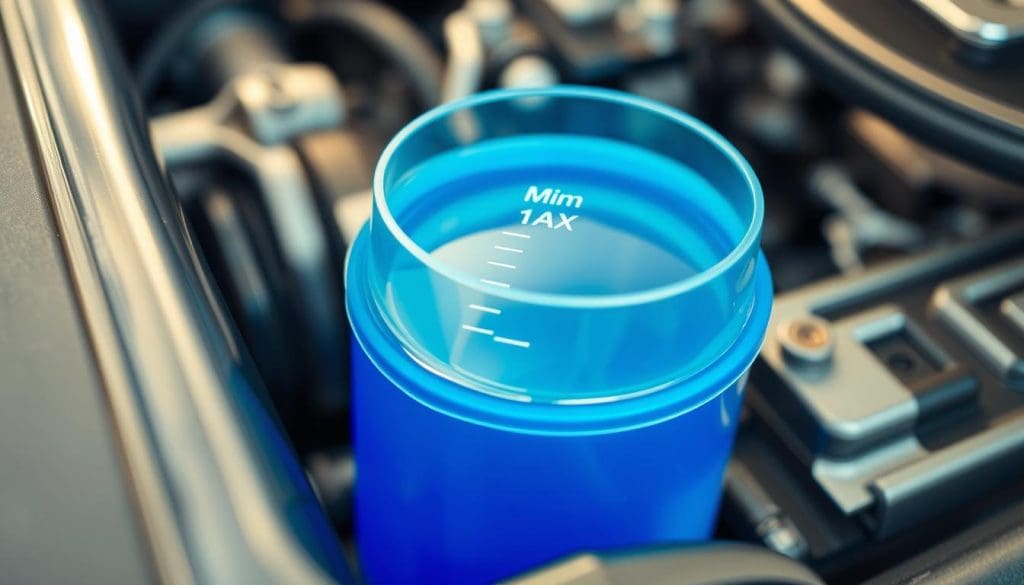
Preventing Internal Engine Damage
Keep levels correct to avoid overheating and warped heads. When the cooling system fails, metal parts and seals suffer from excessive heat.
Mixing with oil is a serious cause of mechanical failure. If fluid enters the oil, bearings and moving parts wear quickly and repairs climb in cost.
- Regular maintenance stops corrosion and blockages in radiators and hoses.
- Miracle Body and Paint Collision Center knows that correct engine temperature is vital to prevent costly internal damage.
- If you suspect coolant leaks are causing your engine to run hot, visit 6217 Grissom Rd. or call (210) 680-1987 for inspection.
- Our team at 4650 Walzem Rd. provides service to protect components from heat-related problems; call (210) 858-3630.
Proper care of the cooling system extends engine life and prevents the common causes of failure. Schedule a check today to avoid long-term damage.
Identifying the Source of a Leak
A careful visual check is the fastest way to narrow down where fluid may be escaping. Start with a slow walk-around and scan under the car for fresh wet spots.
Checking Under the Vehicle
Look for puddles beneath the radiator or near the engine. Small puddles often point to hose or radiator issues and can help you find the source quickly.
Inspecting Hoses and Clamps
Touch hoses for soft spots or cracks and test clamps for tightness. A loose clamp or a split hose is a common cause and is easy for technicians to fix.
Recognizing Cabin Smells
A sweet smell inside your car usually signals a heater core problem, which can be harder to repair. Check the reservoir cap too; a bad cap can let fluid escape as steam and raise system pressure.
- Need help locating the source? Our team at 6217 Grissom Rd. will inspect hoses and clamps to find the problem.
- If you notice a sweet smell, call North West San Antonio at (210) 680-1987 for a heater core check.
- We examine the radiator and reservoir to prevent engine damage; visit North East San Antonio at 4650 Walzem Rd., (210) 858-3630 for a professional fix.
Risks of Driving While Overheating
Driving with a rising engine temperature can turn a minor fluid problem into catastrophic damage within minutes. When your car heats past normal temperature, moving parts warp and seals fail fast.
The cooling system is built to manage heat, but a coolant leak reduces its ability to protect critical components. Steam from under the hood is a clear sign that your engine needs attention now.
If you keep driving, the engine can seize and cause thousands in repairs. Radiator failure is common for drivers in San Antonio during hot months.
- Miracle Body and Paint Collision Center warns that driving while overheating can cause permanent engine damage.
- If your car shows signs of overheating, stop and call North West San Antonio at (210) 680-1987 for help.
- Our experts at 4650 Walzem Rd. repair radiators and restore the system to prevent further damage.
- Protect your vehicle by addressing coolant leaks quickly to avoid total engine failure.
When You Should Stop Driving Immediately
A sudden rise in engine temperature or visible steam means you must stop driving immediately. Pull off safely and turn the engine off. Continuing to drive risks severe engine damage and expensive repairs.
If the temperature gauge goes into the red or a warning light appears, do not keep going. A heater that blows cold air while the engine is hot is another signal of low coolant and possible system failure.
If you see fluid pouring from under the car or notice a strong sweet smell, that is a major problem and needs a tow to a shop. Steam from the hood or persistent overheating are emergency signs.
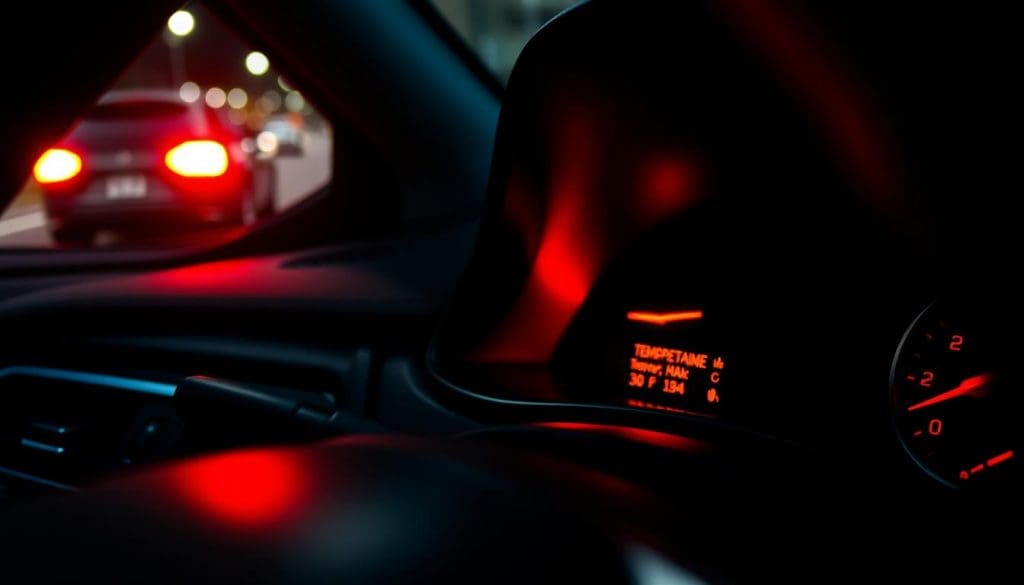
- If your engine temperature gauge hits red, stop and call North West San Antonio – Leon Valley at (210) 680-1987.
- A dashboard warning light means contact our North East San Antonio team at 4650 Walzem Rd., (210) 858-3630.
- If you smell coolant or see steam, do not risk further damage; call Miracle Body and Paint Collision Center for guidance and towing.
- Our technicians will diagnose radiator or heater core issues and resolve low coolant problems so you can return to the road safely.
Acting fast protects your vehicle and wallet. Contact Miracle Body and Paint Collision Center at either San Antonio location for immediate professional help.
Professional Repair Options for Your Vehicle
A certified repair team can diagnose hidden system faults and restore your car to safe, reliable operation.
At Miracle Body and Paint Collision Center we handle full repairs for any coolant leak and related engine concerns. Our shops replace worn hoses, clamps, and radiator caps with quality parts to stop recurring problems.
We run comprehensive engine diagnostics to find hidden issues that simple fixes miss. Our technicians use specialized tools to repair complex failures so your vehicle stays dependable for daily drives.
Choose the right location for service:
- Visit North West San Antonio – Leon Valley at 6217 Grissom Rd. or call (210) 680-1987 for hose, clamp, or cap replacement.
- Our North East San Antonio shop at 4650 Walzem Rd. (210-858-3630) handles major system overhauls and root-cause repairs.
- We prioritize high-quality repairs that prevent future damage and extend your engine life.
To learn more about our approach to cooling system repairs, see our detailed service page: cooling system repairs.
Maintenance Tips to Prevent Future Leaks
A few quick maintenance steps keep your cooling system reliable all year.
Check fluid levels and the radiator cap regularly. Low levels or a bad cap raise pressure and cause wear over time.
Use the correct type of antifreeze and water mixture for your car. The right mix reduces corrosion inside the engine and system components.
Inspect hoses, clamps, and the heater core during routine service. Replace soft hoses or loose clamps before they cause a bigger problem.
- Keep engine oil clean and watch for signs of overheating; dirty oil can hide internal issues.
- Schedule professional maintenance to catch causes early and avoid repeat repairs.
- For trusted service in San Antonio, visit North West San Antonio – Leon Valley at 6217 Grissom Rd. or North East San Antonio at 4650 Walzem Rd.
Call Miracle Body and Paint Collision Center at (210) 680-1987 or (210) 858-3630 to book a checkup and get expert advice on preventing future leaks and costly engine damage.
Conclusion
Protect your engine and avoid roadside breakdowns with prompt professional service.
Maintaining your cooling system is essential for the longevity of your vehicle and the safety of critical components.
If you notice any signs of a leak, contact the professionals at Miracle Body and Paint Collision Center right away. Our expert technicians will assess damage and recommend the right repair to keep you safe on the road.
We serve San Antonio from two convenient locations: North West San Antonio – Leon Valley at 6217 Grissom Rd. (210-680-1987) and North East San Antonio at 4650 Walzem Rd. (210-858-3630).
Call us today to schedule service and hire Miracle Body and Paint Collision Center to fix your collision repair damage.