

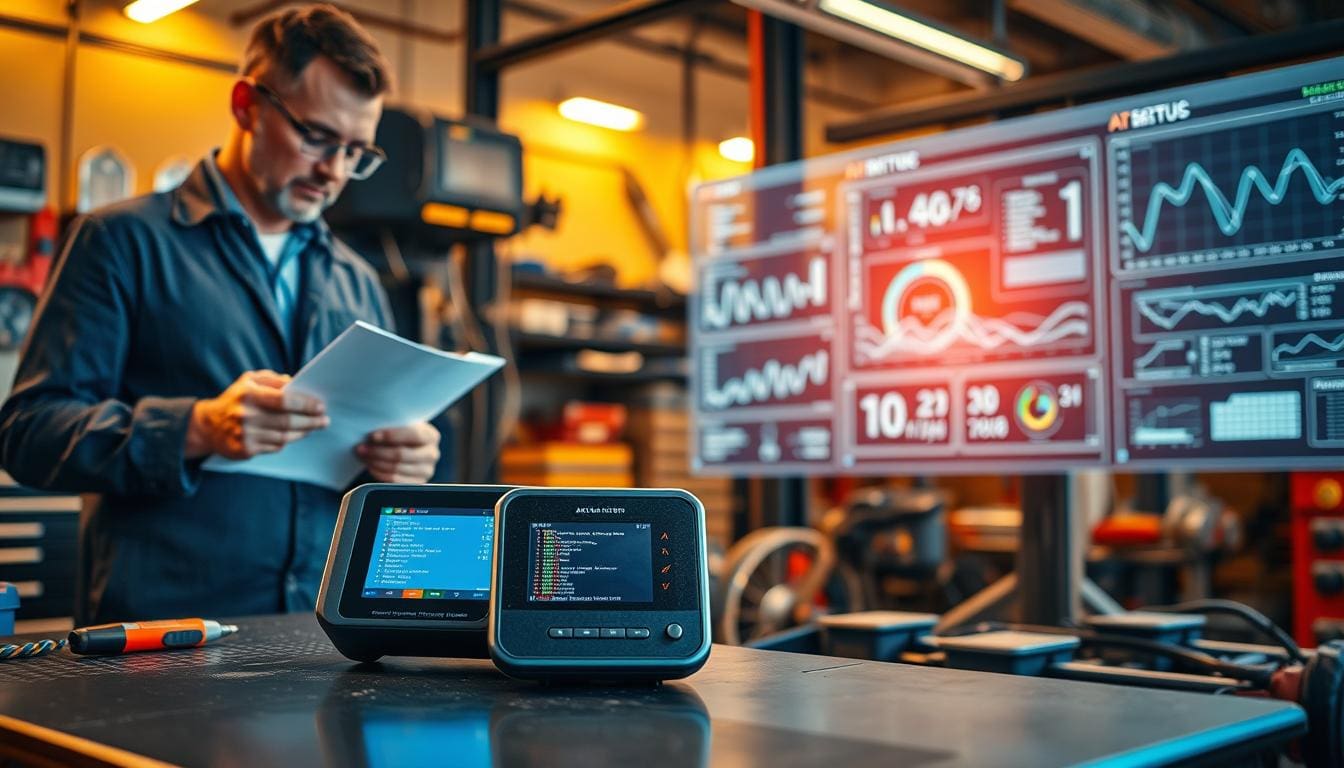
If your dashboard warning light came on, you need clear answers fast. Many drivers rely on a quick scan tool, but that tool only tells part of the story. A full, professional scan uncovers root causes and avoids costly guesswork.
Miracle Body and Paint Collision Center helps you choose the right approach. Our team in San Antonio inspects collision repair damage and uses advanced equipment to find what simple scans miss.
Visit our North West San Antonio shop at 6217 Grissom Rd., Leon Valley, or our North East San Antonio location at 4650 Walzem Rd. Call (210) 680-1987 for Leon Valley or (210) 858-3630 for North East help.
Hire Miracle Body and Paint Collision Center to restore your vehicle to factory standards and save time and money when lights appear on your dash.
Key Takeaways
- Quick scan tools give a code, but not always the full cause.
- Professional scans find deeper issues after a collision.
- Miracle Body and Paint Collision Center offers expert inspections in San Antonio.
- Visit 6217 Grissom Rd. or 4650 Walzem Rd for hands-on help.
- Call (210) 680-1987 or (210) 858-3630 to schedule an evaluation.
Understanding the Basics of Vehicle Diagnostics
Since 1996, the OBD2 standard gave every car a common language. That change lets a compatible scan tool read engine information through a standardized 16-pin connector.
What this means for you: a simple scan will pull a trouble code, but that number is a starting point. Proper diagnostics and repair require trained mechanics to interpret live data and patterns.
Miracle Body and Paint Collision Center uses advanced tools and professional software to go beyond a basic scan. Our technicians check multiple systems so you get accurate answers and safe repairs.
- Since 1996, OBD2 lets any compatible tool retrieve essential engine information.
- Our mechanics use advanced diagnostics to interpret every code and ensure vehicle safety.
- Hire Miracle Body and Paint Collision Center for collision repair on your vehicle; we handle complex OBD systems.
- Visit North West San Antonio: 6217 Grissom Rd., Leon Valley — (210) 680-1987.
- Visit North East San Antonio: 4650 Walzem Rd — (210) 858-3630.
Defining the Code Reader vs Diagnostic Tool Distinction
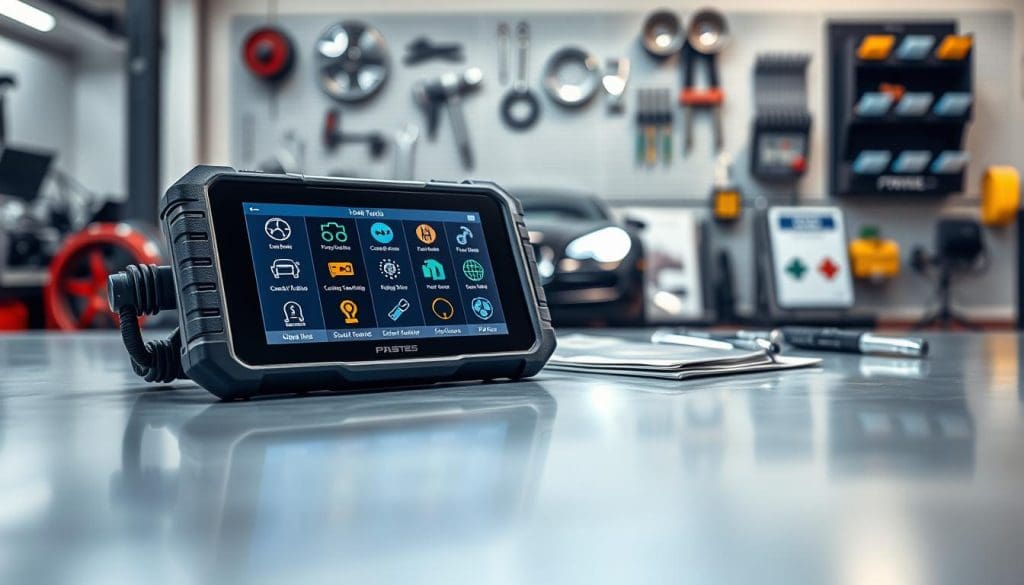
Understanding how basic readers differ from shop-grade scanners helps you make the right choice for your car. A simple reader plugs into your OBD2 port and retrieves stored trouble codes. That gives you a starting point, but little live information about the engine or related systems.
What is a Code Reader
A basic reader is affordable and easy to use. For example, the ANCEL AD410 OBD2 scanner sells for about $49.99 and works well for quick checks and simple maintenance. It tells you which code lit the check light and lets you clear that code after a repair.
What is a Professional Scan Tool
Professional scan tools collect live data, read multiple modules, and run bidirectional tests. Shops use advanced scanners to interpret system patterns and find root causes that handhelds miss.
- A basic reader pulls stored codes; a professional scanner shows live system data.
- Miracle Body and Paint Collision Center uses shop-grade scanners at both San Antonio locations.
- Hire Miracle Body and Paint Collision Center to fix collision repair damage and ensure your vehicle systems work correctly. Call North West San Antonio: (210) 680-1987, 6217 Grissom Rd.; North East San Antonio: (210) 858-3630, 4650 Walzem Rd.
Key Functional Differences in Modern Automotive Scanners
A professional scan tool gives you more than stored fault messages — it provides live data and control. This live stream of information helps technicians trace issues across systems and interpret sensor trends over time.
Live Data and Bidirectional Control
Live data shows real-time readings from the engine, transmission, ABS, and more. Technicians review this data to spot intermittent issues that simple scans miss.
Bidirectional control lets the shop send commands to actuators and sensors during tests. That function helps confirm failures fast and reduces time spent replacing parts needlessly.
- Modern scanners perform active tests on sensors and engine components.
- Miracle Body and Paint Collision Center uses these tools to access deep system information and resolve complex vehicle issues quickly.
- Visit our North West San Antonio shop at 6217 Grissom Rd., Leon Valley or our North East San Antonio location at 4650 Walzem Rd. Call (210) 680-1987 or (210) 858-3630 to schedule a scan.
Hire Miracle Body and Paint Collision Center to fix your collision repair damage and ensure every code and trouble signal on your car is addressed with professional tools and time-saving tests.
Assessing Your Personal Diagnostic Needs
Start by asking what you want to learn from the scan and how much live data you need to troubleshoot the issue.
For simple maintenance, a basic reader or affordable scan tool may give the quick codes you need to clear a check light. That choice saves time and money when the issue is obvious.
But if your engine behaves oddly, or the light returns, you may need shop-grade scanners and trained techs. A professional scanner reads multiple modules and captures trends that handheld tools miss.
- Assess your use: daily commuter or occasional driver affects the choice of tools.
- Start DIY: use a reader for simple codes and basic troubleshooting.
- Call for help: Miracle Body and Paint Collision Center offers advanced diagnostics when a persistent light or post‑collision problem remains.
- Visit us: North West San Antonio — 6217 Grissom Rd., (210) 680-1987; North East San Antonio — 4650 Walzem Rd., (210) 858-3630.
Hire Miracle Body and Paint Collision Center to fix your collision repair damage and ensure your vehicle systems are tested with the right tools and accurate data.
When to Rely on Professional Collision Repair
A collision can hide electrical faults that only a trained mechanic and the right tools will find. When impact reaches sensors, wiring, or module mounts, a simple scan or hand-held tool may miss related failures. Professional service uncovers the full picture and prevents repeat visits.
North West San Antonio Location
Miracle Body and Paint Collision Center in Leon Valley specializes in precise repairs for cars with electronic and structural damage.
Our mechanics use shop-grade tools and live data scans to trace every code and verify parts and functions. Visit 6217 Grissom Rd., San Antonio, TX 78238 or call (210) 680-1987 for fast, reliable service.
North East San Antonio Location
The North East shop at 4650 Walzem Rd offers the same expert service and parts quality for your vehicle.
Hire Miracle Body and Paint Collision Center to fix your collision repair damage. Bring your car in so a professional mechanic can run a complete scan, clear any warning light, and restore performance. Call (210) 858-3630 to schedule time with our technicians.
- When collision damage affects electronics, rely on our trained mechanics.
- North West: 6217 Grissom Rd., Leon Valley — (210) 680-1987.
- North East: 4650 Walzem Rd — (210) 858-3630.
- We ensure every code is resolved before you drive away and use the right tools for each issue.
Evaluating Hardware and Software Compatibility
Not every scan tool works with every make — verify features and software updates first.
Check physical and protocol fit: confirm the scanner supports your car’s obd2 protocols and module access. Matching hardware prevents missed codes and saves time during maintenance.
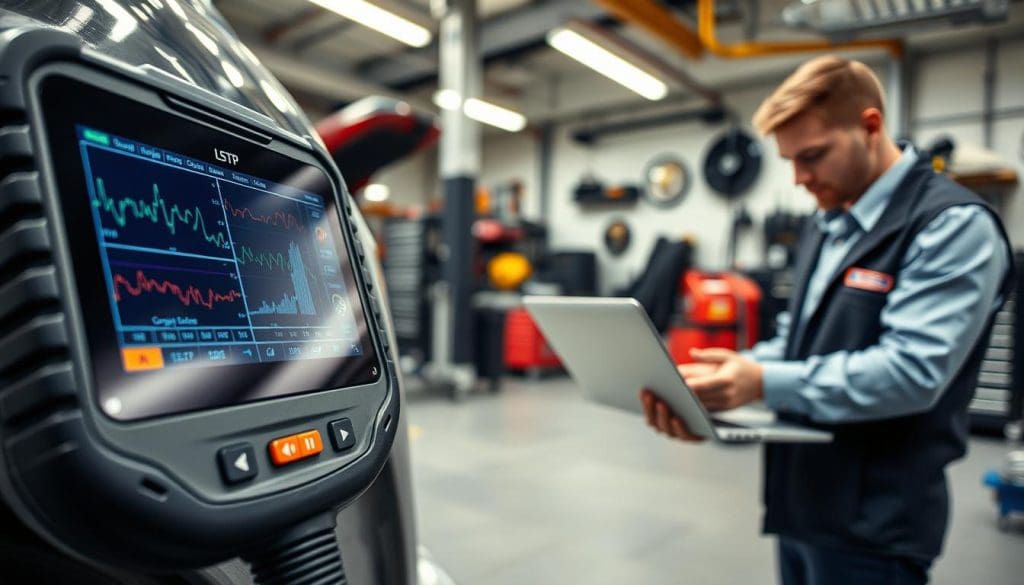
Brand support matters. Foxwell models like the NT530, NT710, and NT809BT offer updated software and broad vehicle coverage. Shops rely on these tools to read multiple systems and capture live data when needed.
- Confirm the scanner firmware supports your model year and system functions.
- Choose tools with regular software updates and OEM module access.
- Use professional scanners for complex repairs and manufacturers with broad brand coverage.
Hire Miracle Body and Paint Collision Center to ensure every scan is done with compatible hardware and current software. Visit our North West San Antonio shop at 6217 Grissom Rd., Leon Valley or our North East location at 4650 Walzem Rd. Call (210) 680-1987 or (210) 858-3630 to speak with an expert.
Learn more about why proper testing matters at why proper diagnostics matter.
Common Misconceptions About Diagnostic Equipment
Many myths surround what diagnostic tools can and cannot reveal about your car. Understanding these misconceptions helps you choose the right scan tool or service for repair and maintenance.
Price Equals Performance
Expensive models sometimes add brand features, but cost alone didn’t guarantee better results for every vehicle. The right choice depends on functions you need, model compatibility, and up-to-date software.
Miracle Body and Paint Collision Center evaluates the best scanner for each repair to save you time and money.
Scanners Are Only for Mechanics
Shops do use advanced scanners, but you can benefit, too. An informed DIYer can run basic tests and check live data for simple maintenance.
When issues are complex, call a trained mechanic at our North West or North East San Antonio locations so a full system scan and proper troubleshooting are done.
Code Readers Are Obsolete
Basic readers still pull trouble codes and clear a light after simple fixes. They are useful for quick checks, but live data and module access from shop scanners catch deeper faults.
- Many believe high price equals better performance; the right tool depends on need.
- Whether you are DIY or a mechanic, our teams at 6217 Grissom Rd. and 4650 Walzem Rd. can help you choose.
- Hire Miracle Body and Paint Collision Center to fix your collision repair damage on your vehicle.
- Call (210) 680-1987 or (210) 858-3630 to learn how our tools and live data support accurate repair.
Conclusion
Choosing skilled technicians and proper tools prevents repeat failures after a collision. If you need a simple check or a full system scan, match the service to your needs and your comfort with repairs.
Miracle Body and Paint Collision Center is ready to help. Visit our North West San Antonio shop at 6217 Grissom Rd., Leon Valley, or our North East location at 4650 Walzem Rd. Call (210) 680-1987 for Leon Valley or (210) 858-3630 for North East to schedule an inspection.
Hire Miracle Body and Paint Collision Center to fix your collision repair damage on your vehicle and return it to safe, reliable condition.