

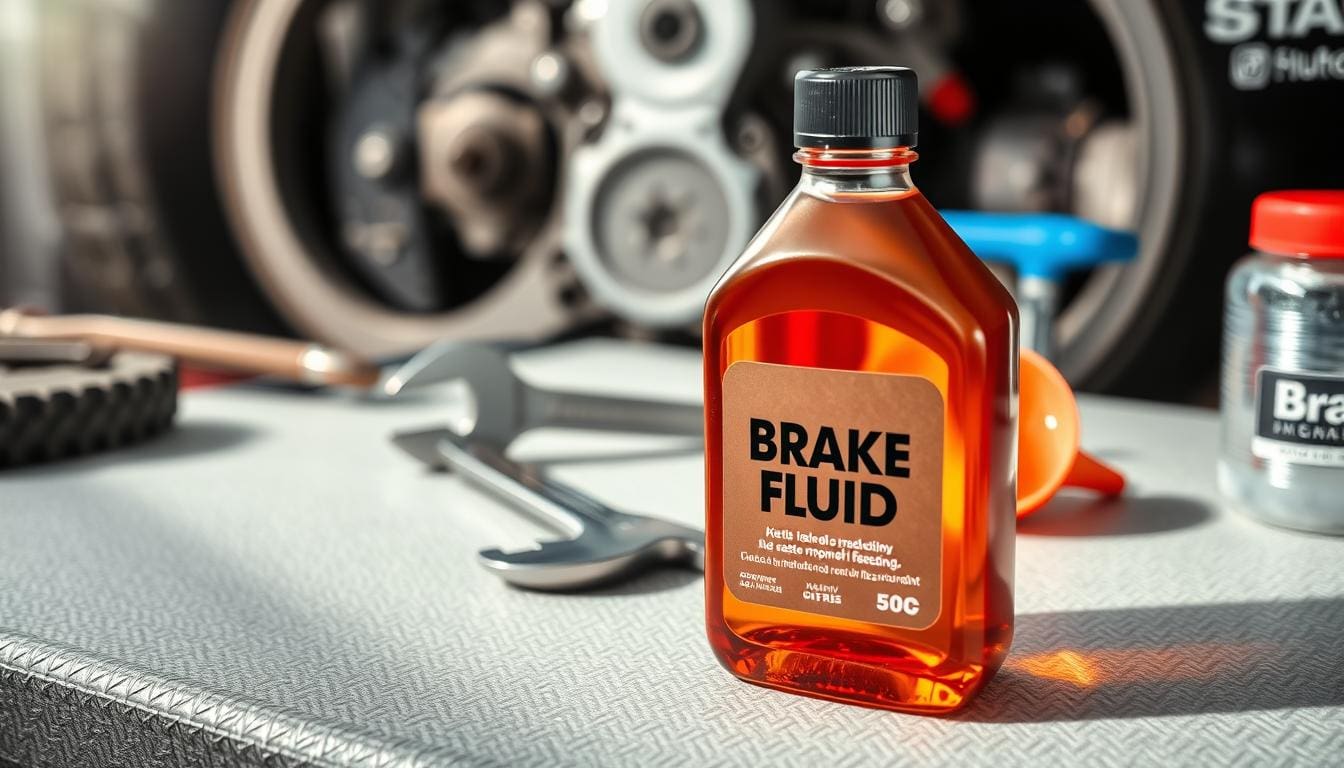
You rely on your car to stop when it should. When you press the pedal, pressure moves through the system to the wheels and makes your vehicle slow or stop. This process is a core safety function every owner should understand.
Over time, moisture and corrosion can reduce system performance. That affects pressure at the pedal and can make your stops feel soft or uneven. Follow your owner’s manual for interval guidance and inspect levels if you notice any feel difference.
A professional fluid service keeps your braking system reliable. Routine inspection is a simple step that protects your car and the people inside it. Small maintenance now prevents larger repairs later and helps your wheels stop predictably.
Key Takeaways
- Hydraulic pressure moves from the pedal to the wheels to stop the car.
- Moisture and corrosion lower system performance over time.
- Follow the owner’s manual for service intervals.
- Noticeable changes in pedal feel warrant an inspection.
- Professional service preserves safety and stopping power.
Understanding the Role of Brake Fluid in Your Vehicle
The master cylinder reservoir holds the hydraulic supply your car needs to stop safely. When you press the pedal, the master cylinder sends that hydraulic medium through lines to each wheel. This direct path converts your force into pressure that makes the brakes engage.
A small vent in the master cylinder prevents vapor lock by letting air escape the reservoir. If air gets trapped, the pedal can feel spongy and stopping power drops. Clean hydraulic liquid and a well-sealed reservoir reduce the chance of air intrusion.
Every modern vehicle depends on the master cylinder to keep systems responsive. Below are the key functions to watch for:
- The master cylinder acts as the heart of the system, pushing hydraulic medium to each wheel.
- Pressing the brake pedal forces fluid into the braking circuitry to stop your vehicle.
- The small vent prevents vapor lock and explains why you must keep the reservoir clean.
Understanding how the hydraulic medium interacts with the master cylinder helps you see why regular service matters. For professional help, consider a local brake fluid service.
Why a Brake Fluid Change is Essential for Safety
Moisture inside the hydraulic circuit quietly undermines stopping power over time.
The Impact of Moisture and Corrosion
Moisture is extremely hygroscopic and draws water into the lines and reservoir. Over months this trapped water causes corrosion inside the master cylinder and other metal parts.
Corrosion can create debris and rust that clog components, reducing pressure at the pedal and making your car less predictable when you stop.
Protecting Sensitive ABS Components
The North Montco Technical Career Center notes that rust and particles can harm expensive ABS pumps. Clogged pumps lead to costly repairs and threaten vehicle safety.
Replacing old fluid with fresh fluid helps preserve rubber seals in the master cylinder and the brake caliper. Keeping the reservoir at the proper level prevents air from entering the brake lines and cutting braking performance.
- Check your owner’s manual to use the correct new brake fluid—mixing types can ruin the system.
- Routine service helps maintain pressure, pedal feel, and reliable stopping at each wheel.
- For a professional inspection, consider a local fluid check service.
Signs Your Braking System Needs Attention
A quick test can reveal whether your stopping system needs service now.
Watch for a soft or spongy pedal. Moisture and debris in the master cylinder lower pressure and make the pedal feel different. That change often signals internal contamination or early corrosion.
Testing Copper Content Levels
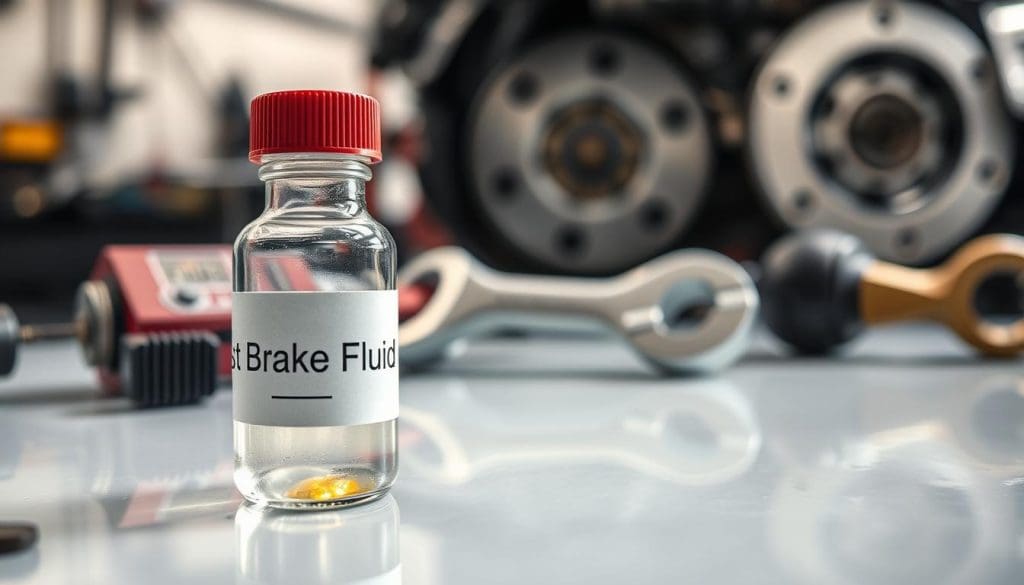
Firestone Complete Auto Care uses test strips to measure copper content in the fluid. When copper exceeds 200 PPM, internal corrosion is accelerating and the system needs attention.
- Test strips indicate additive depletion and metal wear.
- Copper over 200 PPM is a clear sign to get professional service.
- You can get brake fluid tested at shops like Firestone to see if your car needs work.
Monitor condition over time to protect stopping performance and the wheels that do the work in emergencies.
Methods to Perform a Brake Fluid Change
Professional shops and DIYers use distinct bleeding techniques to restore proper pressure to the system. Each method removes old fluid from the reservoir and lines while reducing air intrusion into the master cylinder.
The Power Bleeder Approach
A power bleeder forces fresh new brake fluid from the reservoir through the caliper lines using pressure. This tool speeds the job and often lowers shop time to about 60–90 minutes.
Cost at a shop typically runs $40–$60. It works well on ABS systems and helps push out old brake fluid completely.
Vacuum Extraction Techniques
With a vacuum bleeder you draw old fluid from the master cylinder reservoir while you open each wheel bleeder.
This method keeps the reservoir topped with fresh fluid as you work each caliper and helps prevent air from entering the lines.
The Traditional Two-Person Method
One person pumps the pedal while the other opens the bleeder valve at each wheel.
This classic technique is simple and effective if you follow the owner’s manual and refill the reservoir first.
- Always start by replacing the fluid in the reservoir so only fresh new brake fluid goes into the lines.
- Check your owner’s manual for the correct bleeder type and any vehicle-specific steps.
- Proper technique protects the master cylinder, caliper seals, and wheel components from moisture and contamination.
Conclusion
Consistent maintenance preserves the responsiveness and safety of your vehicle’s braking system. Keep scheduled inspections and perform a proper brake fluid change when tests or time indicate it is needed.
If you were in an accident, hire Miracle Body and Paint Collision Center to repair your collision damage. Trust their technicians to restore your car to its original condition.
Two San Antonio locations serve you: North West San Antonio — 6217 Grissom Rd, Leon Valley, (210) 680-1987. North East San Antonio — 4650 Walzem Rd, (210) 858-3630.