

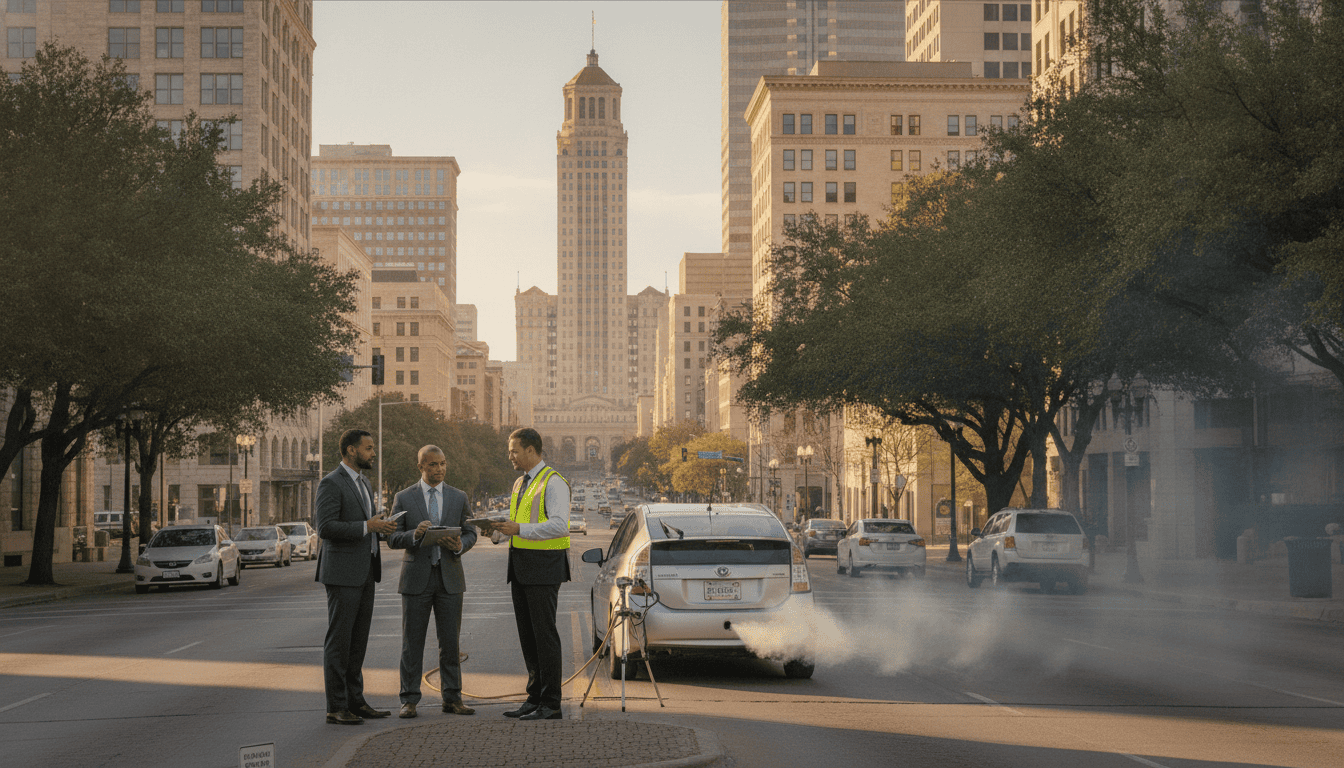
Starting November 1, 2026, drivers in our region face new vehicle inspection rules. Knowing san antonio emissions standards helps keep your car legal and running well. Many residents worry about these changes, but preparation makes the process simple.
This guide explains how to pass emissions test steps, from vehicle checks to repairs and final certification. You will learn exactly what inspectors check during your appointment. For mechanical issues, call Heaven Automotive at 6645 Poss Rd., San Antonio, TX 78238: (210) 682-3898 for expert guidance.
Key Takeaways
- Bexar County mandates new vehicle inspection protocols starting November 2026.
- Proactive maintenance prevents common failures during your official evaluation.
- Heaven Automotive provides local support for all your vehicle repair requirements.
- Understanding the inspection sequence saves you time and unnecessary stress.
- Professional diagnostics ensure your car meets all state environmental standards.
Understanding Emissions Tests in Bexar County
Knowing your car’s local environmental rules is part of responsible vehicle ownership. In Bexar County, testing now uses modern technology instead of older manual methods.
What is an Emissions Test?
Texas emissions tests use your vehicle’s onboard diagnostic system, called OBDII, instead of a tailpipe probe. Technicians scan the car’s computer for error codes. A check engine light emissions fail condition means your vehicle fails inspection because the system found a fault.
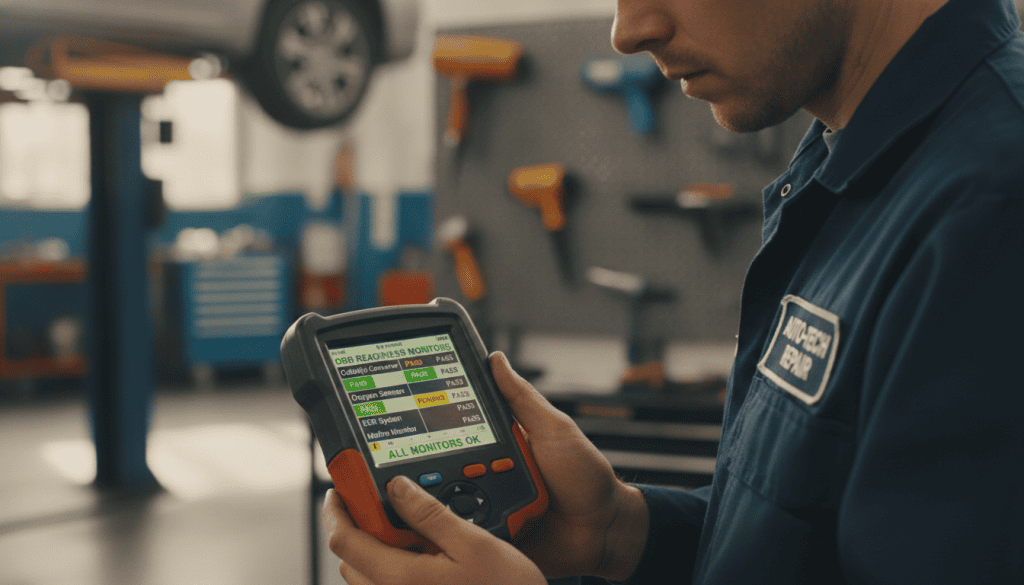
The test also checks OBD readiness monitors. They are self-checks that confirm your emission control systems work correctly. If the monitors have not completed their cycles, your car may be rejected without a specific fault.
Why Are Emissions Tests Important?
These inspections help protect air quality across our community. They keep vehicles within environmental limits and reduce harmful pollutants in local air. At Heaven Automotive, we believe a well-maintained vehicle protects the environment and supports a reliable daily commute.
How Often Do You Need a Test?
Starting November 1, 2026, Bexar County will require annual tests for eligible gasoline-powered vehicles. This applies to cars between two and twenty-four model years old. Meeting these deadlines helps you avoid last-minute stress or registration delays.
Common Reasons for Failing Emissions Tests
Many drivers feel surprised when a car fails an emissions test, even when it runs smoothly. A quiet engine does not prove that your vehicle produces clean emissions. Internal parts can wear out before driving problems become clear.
Hidden mechanical problems can cause a failed inspection and waste your time. At Heaven Automotive, we recommend proper emissions repair instead of only clearing error codes. Clearing codes without fixing the cause can bring another failure at your next visit.
Faulty Oxygen Sensors
The oxygen sensor checks unburned oxygen in your exhaust. When it fails, the car’s computer cannot set the air-fuel mixture correctly. This can lower fuel economy and raise tailpipe pollution, causing an automatic failure.
Worn Spark Plugs
Spark plugs ignite fuel inside the engine cylinders. Worn or fouled plugs can cause incomplete combustion. This problem releases more hydrocarbons into the atmosphere.
Evaporative Emission Control System Issues
The EVAP system keeps gasoline vapors from escaping into the air. A leaking hose or bad gas cap can turn on the check engine light. These leaks often cause failure, even when the vehicle seems perfect.
Watch for these common warning signs to help keep your vehicle compliant:
- Reduced fuel efficiency during daily commutes.
- A persistent check engine light on your dashboard.
- Rough idling or engine hesitation during acceleration.
- Noticeable changes in catalytic converter emissions performance.
If you suspect a problem, seek professional help at once. Early emissions repair helps your car stay environmentally friendly and ready for the road.
Preparing Your Vehicle for the Test
You can improve your chance of passing by making a few simple checks at home. A quick inspection before your appointment can help you avoid delays. Preparation is the key to a smooth testing experience.
Maintenance Checklist for Your Vehicle
Check your dashboard for warning lights, including the “Check Engine” light. If one is on, your vehicle will likely fail the inspection. Also look under your car for fluid leaks, which can signal mechanical problems.
Make sure your battery works well and was not recently disconnected. After a battery change or code reset, your vehicle’s OBD readiness monitors may remain incomplete. You must complete a varied drive cycle before testing equipment can read your vehicle’s data accurately.
How to Check Your Fluids
Check your oil with the dipstick, and keep it within the maker’s recommended range. Proper fluid levels help your engine run cleanly and efficiently. Clean oil helps your engine operate at peak performance during the test.
Check your coolant level, too. Low coolant can cause overheating and affect how your engine manages emissions. For ongoing fluid problems, seek professional emissions repair at Heaven Automotive before your test.
Importance of Tire Pressure
Correct tire pressure supports your vehicle’s overall health. Properly filled tires help your car roll smoothly on the testing dynamometer. Check your owner’s manual for your vehicle model’s pressure requirements.
Under-inflated tires can create drag and cause inaccurate inspection readings. Correct pressure is a simple, low-cost way to support a successful test. Taking these small steps today will save you time and frustration later.
Key Steps to Ensure a Successful Emissions Test
Planning before your inspection can save time and reduce stress. It helps your vehicle meet state standards without needless delays.
Schedule your appointment at least two or three weeks before your registration expires. This buffer gives you valuable time to fix unexpected issues found during a professional pre-check.
Pre-Inspection Tips
Start by gathering needed documents, including your current registration and proof of insurance. A clean, well-maintained vehicle is more likely to pass the first time.
If you see a check engine light emissions fail warning on your dashboard, do not ignore it. Bring your car to Heaven Automotive for a diagnostic scan before the official test. This smart step can prevent automatic rejection at the inspection station.
What to Know About the Testing Process
During inspection, technicians connect to your vehicle’s computer and check OBD readiness monitors. These internal sensors must be “ready” or “complete” for a valid test result.
Recently disconnecting your battery or clearing error codes may reset these monitors to an incomplete state. Driving normally for several days usually lets the systems recalibrate.
| Action Item | Recommended Timing | Benefit |
|---|---|---|
| Schedule Appointment | 3 Weeks Early | Avoids late fees |
| Professional Diagnostic | 1 Week Before | Fixes hidden issues |
| Drive Cycle | 2-3 Days Prior | Sets readiness monitors |
| Gather Documents | Day of Test | Ensures smooth check-in |
Consistency is key when preparing for your inspection. These steps lower failure risk and help keep your vehicle compliant with local regulations.
How Heaven Automotive Can Help
When your vehicle needs expert care, Heaven Automotive is ready to help. We make state inspections less stressful for every driver in San Antonio.
Expert Diagnostic Services
Our technicians use advanced tools to scan your vehicle for stored or pending diagnostic trouble codes. We find sensor faults and readiness monitor issues that can stop your vehicle from passing inspection. By fixing these hidden electronic problems early, we help you avoid a failed test.
Comprehensive Emission Repairs
If your vehicle fails from a mechanical issue, our high-quality emissions repair services get you back on the road. Our team diagnoses and fixes catalytic converter emissions, a common cause of inspection failure. We ensure each exhaust component works as the manufacturer intended.
Convenient Scheduling Options
We value your time and work to make each visit efficient. Our shop is at 6645 Poss Rd. San Antonio, TX 78238, and our friendly staff is ready to help. Call (210) 682-3898 today to schedule an appointment or ask about your vehicle’s needs.
What to Do If You Fail the Emissions Test
When your report says “fail,” first learn why your car missed the standards. Many drivers ask about a failed emissions test what to do next. The process is simple when you follow the official documents. Your Vehicle Inspection Report lists diagnostic trouble codes that show which systems perform poorly.
Common Fixes and Repairs
Clearing a trouble code from your car’s computer does not fix the real problem. It often resets the readiness monitors, so you may fail again right away. Professional emissions repair can address the root cause correctly.
At Heaven Automotive, our technicians find the parts that caused your failure. We handle faulty sensors and complex exhaust issues to help make your vehicle compliant. Call our team at (210) 682-3898 to schedule a diagnostic appointment.
Re-Testing Procedures
After repairs, return your vehicle to an official inspection station. Drive it through a “drive cycle” so all internal monitors become ready for testing. Without monitors set to “ready,” testing equipment cannot confirm your vehicle’s status.
Keep all repair receipts and documents organized. These records prove you took the required steps to fix your vehicle. Show the paperwork during your re-test so the inspector understands the work performed.
Understanding the Appeal Process
Sometimes, a vehicle still fails after major repairs. If qualified repairs cost enough and your vehicle still fails, you may qualify for a waiver or more time. These options help owners who have shown a good-faith effort to follow local rules.
The appeal process needs detailed records of all professional services. Ask a certified technician whether your situation qualifies for an extension. Heaven Automotive can help you meet these requirements and provide documents for your records.
Staying Informed About Local Emission Regulations
Texas auto rules can change, so stay alert. Following san antonio emissions rules keeps your vehicle legal and ready for yearly registration renewal. Tracking current rules helps you avoid last-minute problems.
Changes in Bexar County Laws
Local inspection laws can change and affect registration. Registration renewal often depends on passing these required checks. If you wonder about failed emissions test what to do, make repairs quickly to restore compliance.
Heaven Automotive can answer questions about these rule changes. Call our team at (210) 682-3898 for expert help meeting local standards. We explain vehicle care needs, so you can drive with confidence.
Resources for Keeping Updated
Official state agencies offer tools to check your vehicle’s status. Check the Texas Department of Public Safety (DPS) and Texas Commission on Environmental Quality (TCEQ). Also check the Texas Department of Motor Vehicles (TXDMV) website. These sites list testing locations, repair facilities, and readiness requirements.
| Resource Agency | Primary Function | Best For |
|---|---|---|
| TXDMV | Registration Renewal | Compliance Status |
| TCEQ | Environmental Policy | Testing Requirements |
| DPS | Safety Inspections | Testing Station Locations |
| Heaven Automotive | Expert Repairs | Failed Test Solutions |
Tips for Future Emissions Tests
Keeping your car in top shape helps you meet how to pass emissions test requirements each year. Regular care saves time and money compared with last-minute fixes. It also helps your vehicle meet local standards throughout its lifespan.
Regular Maintenance Habits
Build a steady routine to help your engine run clean. Prioritize timely oil changes and fluid checks to prevent sludge and sensor errors. If a warning light appears, address it at once instead of waiting for your registration deadline.
Consistency helps protect your vehicle’s health. Use the schedule below to keep your car ready for inspection:
| Maintenance Task | Frequency | Benefit |
|---|---|---|
| Oil & Filter Change | Every 5,000 Miles | Reduces Engine Friction |
| Fluid Level Check | Monthly | Prevents Overheating |
| Diagnostic Scan | Bi-Annually | Catches Hidden Codes |
| Tire Pressure Check | Monthly | Improves Fuel Efficiency |
Knowing When to Seek Professional Help
Even good habits cannot fix every problem. Visit Heaven Automotive if your car idles roughly or suddenly uses more fuel. These signs may mean you need professional emissions repair.
Do not ignore a lasting check engine light or repeated readiness monitor failures. These signs may show that your car’s computer cannot connect with testing equipment. Early expert help can teach you how to pass emissions test cycles without frustration from multiple failed attempts. Trusting the team at Heaven Automotive for your emissions repair needs keeps your vehicle road-ready and compliant.
Contact Heaven Automotive for Your Emissions Needs
Early vehicle preparation helps you meet upcoming Bexar County requirements. Official emissions inspections begin November 1, 2026, so early maintenance helps avoid stress. Managing your san antonio emissions status now helps you avoid a last-minute rush at the testing station.
Our team provides the precise diagnostics needed to pass your inspection on the first attempt. We find hidden faults before they cause failure. We keep your car compliant and running well on the road.
Visit Our Shop
Visit us at 6645 Poss Rd. San Antonio, TX 78238. We keep standard business hours for your busy schedule. Stop by to discuss your san antonio emissions concerns with our certified technicians.
Schedule Your Service
Call (210) 682-3898 to schedule an appointment. Our staff can answer questions about your vehicle’s health. Hire Heaven Automotive to repair your vehicle and meet all local standards with confidence.