

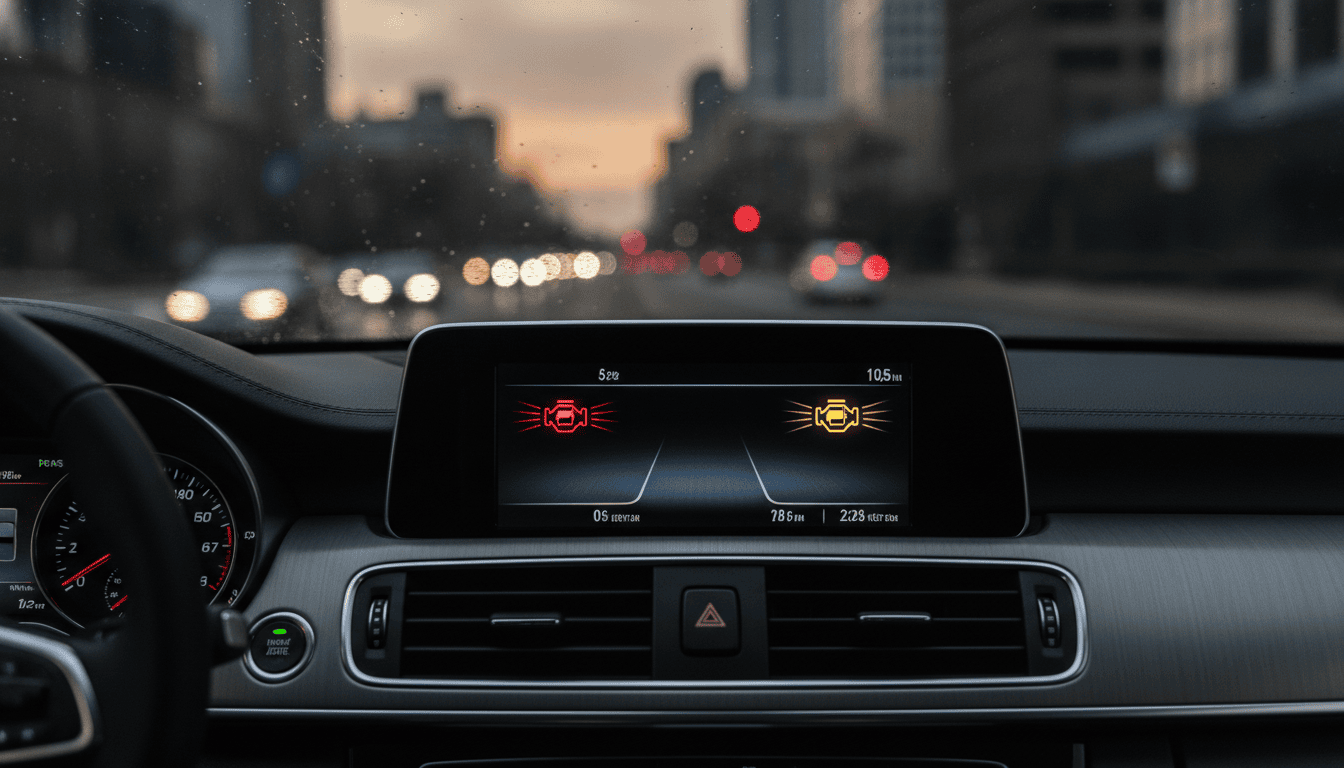
A check engine light can cause panic when it appears on your dashboard. Common check engine light causes include minor emissions or transmission issues found by your car’s computer. It does not always mean total mechanical failure.
Knowing the solid vs flashing check engine light difference can help protect your safety. A steady light often signals a non-urgent maintenance need. A flashing light needs immediate attention to prevent lasting damage, failed state inspections, and blocked registration renewal.
If you live in San Antonio, professional help is nearby. Visit Heaven Automotive at 6645 Poss Rd., San Antonio, TX 78238. Call (210) 682-3898 to schedule an expert diagnostic session today.
Key Takeaways
- The dashboard alert monitors your car’s internal computer for emissions and performance data.
- A steady warning usually indicates a non-emergency issue that still requires prompt attention.
- A blinking indicator signifies a severe problem that could cause immediate damage if ignored.
- Failing to address these alerts often results in an automatic rejection during state registration.
- Local experts at Heaven Automotive provide reliable diagnostics to keep your vehicle compliant.
Understanding the Check Engine Light and Its Importance
That small amber icon on your dashboard is your car’s way of asking for attention. Its official name is the Malfunction Indicator Light (MIL). It turns on when your vehicle’s Engine Control Unit (ECU) finds a fault in a monitored system.
Think of this light as a silent partner in your vehicle’s health. It does not always mean your car will break down. It means the onboard computer found a problem that needs attention.
What Triggers the Check Engine Light?
A network of sensors monitors your vehicle’s performance. When sensors find data outside the expected range, the computer creates OBD2 codes. These codes guide technicians but do not prove that a part has failed.
Common check engine light causes often involve these systems:
- Emissions control components, such as the catalytic converter.
- Fuel delivery systems, including a loose or faulty gas cap.
- Ignition components like spark plugs or ignition coils.
- Air intake sensors that regulate the fuel-to-air ratio.
Common Misconceptions About the Light
Many drivers think a dashboard light always means a catastrophic failure. The problem may be a loose sensor connection or a faulty cap. Still, never ignore it, because minor problems can lower fuel economy or raise emissions.
You also need to understand solid vs flashing check engine light. A solid light suggests a non-emergency issue that still needs prompt attention. A flashing light often signals a severe engine misfire that may cause immediate damage.
If you are unsure what your vehicle is saying, Heaven Automotive can help. At 6645 Poss Rd, San Antonio, TX 78238, our experts interpret complex OBD2 codes for accurate diagnostics. Call our service center at (210) 682-3898 to schedule an inspection and keep your vehicle in top condition.
Top Reasons Why the Check Engine Light Illuminates
Seeing a dashboard light can feel stressful, but knowing common check engine light causes helps you stay in control. Your vehicle uses a computer to watch performance, and this light warns of possible mechanical trouble. The warning may seem scary, but it tells you that your car needs attention.
Faulty Oxygen Sensor
The oxygen sensor measures unburned oxygen in your exhaust system. If it fails, your engine cannot control the fuel-to-air mixture well. Ignoring this issue can hurt fuel economy and eventually damage your catalytic converter, an expensive repair.
Loose or Damaged Gas Cap
A loose or cracked gas cap is a common reason for a check engine light. It is a key part of the vehicle’s EVAP system, which keeps gasoline vapors from escaping. Even if your car drives normally, a bad seal triggers the warning because the system detects a pressure leak.
Engine Issues
Internal engine problems, such as ignition misfires or mass-airflow sensor faults, can trigger the warning. A misfire happens when fuel and air fail to ignite correctly, making your vehicle run roughly. If you notice power loss or shaking, it is crucial to have the system scanned now to prevent damage.
Transmission Problems
Sometimes, the warning light points to transmission trouble, not an engine problem. Modern vehicles use sensors to watch gear shifts and fluid pressure. If sensors find a problem, the computer warns you for safety and to help prevent transmission failure.
Since many check engine light causes exist, never guess which part needs replacement. Visit Heaven Automotive at 6645 Poss Rd, San Antonio, TX 78238, where expert technicians use advanced diagnostic tools. They confirm the exact problem before repairs begin. You can reach us at (210) 682-3898 to schedule your professional inspection today.
The Implications of Ignoring the Check Engine Light
When that small dashboard light glows, you may want to ignore it. Yet ignoring this warning can cause costly mechanical failures that early repairs could prevent.
Potential Damage to Your Vehicle
Delaying repairs can trigger problems across your engine’s complex systems. For example, a failing oxygen sensor makes the engine work harder than needed.
Continued driving can place extra strain on the engine. This strain can cause catastrophic damage to the catalytic converter. Replacing it costs much more than fixing the sensor early.
Safety Risks for You and Others
Knowing the difference between a solid vs flashing check engine light helps protect you on the road. A steady light needs attention soon, but a flashing light signals a severe misfire. It requires immediate action.
If the light flashes and you notice power loss, shaking, or a fuel odor, is it safe to drive? No. Pull over safely and arrange for a tow to avoid more damage or a breakdown in traffic.
Impact on Fuel Efficiency
Your check engine light monitors your vehicle’s health and emissions. When it finds a fault, your car may enter a “limp mode” or change its fuel mixture.
This change often causes drastically reduced fuel economy and more harmful emissions. To stop these problems from growing, contact Heaven Automotive at (210) 682-3898. Visit our shop at 6645 Poss Rd, San Antonio, TX 78238, before a small repair becomes a costly burden.
The Connection Between Check Engine Light and Vehicle Registration Fees
An active check engine light can block your annual vehicle inspection. Many drivers see registration as paperwork, but modern systems also require electronic emissions testing. If the car computer finds an error, it flags the vehicle as “not ready” for renewal.
New Regulations Explained
Modern inspections use the OBD-II port to check your emissions control systems. When the check engine light shines, the computer has found a fault. This fault can stop its self-check, so the vehicle fails without the needed “ready” status.
These rules help ensure vehicles meet environmental standards. Even if your car runs well, a stored trouble code can cause rejection. You must fix the issue, clear the code, and let the computer reset its monitors.
How It Affects Your Wallet
Ignoring a warning light can cost more than a professional inspection. If you register with an active light, failed tests can cost money and time. Addressing the engine diagnostic cost early helps prevent repeat inspection trips and late registration fees.
At Heaven Automotive, at 6645 Poss Rd, San Antonio, TX 78238, we help local drivers meet these rules. We provide accurate diagnostics so your vehicle is ready for inspection. Call our team at (210) 682-3898 to schedule an appointment and avoid stress.
| Scenario | Financial Impact | Time Commitment |
|---|---|---|
| Proactive Diagnostic | Low (Fixed Fee) | Minimal |
| Failed Inspection | High (Fees + Repairs) | Significant |
| Delayed Renewal | Very High (Penalties) | High |
Handling your check engine light san antonio needs before the deadline protects your budget. Paying the professional engine diagnostic cost today can prevent a failed registration tomorrow. Contact us today to keep your vehicle compliant and ready for the road.
Diagnosing the Problem: What to Do When the Light Comes On
Seeing a warning light while driving can feel stressful, but a clear plan helps you stay in control. First, identify the alert. A solid light usually signals a minor issue, while a flashing light means a serious problem needs quick action.
Before you panic, make a quick visual check of your vehicle. Make sure the gas cap is tight; a loose seal often triggers the check engine light. If the car shakes, loses power, or makes odd noises, pull over safely and stop driving.
Using an OBD-II Scanner
Modern vehicles have an onboard diagnostic port, usually beneath the dashboard. Plug in an OBD-II scanner to retrieve specific OBD2 codes that point to the problem. These codes give your mechanic a digital roadmap.
- Locate the diagnostic port under your steering column.
- Connect the scanner and turn the ignition to the “on” position.
- Read the displayed OBD2 codes to identify the reported fault.
When to Seek Professional Help
Scanners offer useful clues, but they do not show the whole story. A code may point to a bad sensor, but wiring, a vacuum leak, or mechanical failure may cause it. Interpreting these signals correctly requires professional expertise.
At Heaven Automotive, we provide advanced diagnostics and aim to repair your vehicle correctly the first time. We review live data and confirm the exact cause of your check engine light, avoiding needless part replacements. Visit us at 6645 Poss Rd. San Antonio, TX 78238, or call (210) 682-3898 to schedule professional diagnostic service today.
How Heaven Automotive Can Help
When your dashboard lights up, you need a team that values accuracy over guesses. Heaven Automotive is at 6645 Poss Rd. San Antonio, TX 78238. Call (210) 682-3898 for appointment help.
Our Diagnostic Services
We go beyond simple code reading with a complete root-cause analysis. Our technicians inspect wiring, vacuum hoses, and ignition performance. We test the emissions system to find the real failure, not only the symptom.
Expert Repair Solutions
Many shops use a “parts-swapping” method that may miss the real problem. Our experts provide precision repairs for the component that triggers your check engine light. This approach reduces frustration, prevents repeat issues, and keeps your car reliable.
Affordable Pricing Options
We know your engine diagnostic cost matters. Accurate testing helps avoid payment for unneeded sensors or repeated labor. If you need a trusted check engine light san antonio service, our clear prices offer the best value for maintenance.
| Service Feature | Standard Shop | Heaven Automotive |
|---|---|---|
| Diagnostic Method | Parts Swapping | Root-Cause Analysis |
| Repair Accuracy | Trial and Error | Precision Testing |
| Cost Efficiency | High (Repeated Visits) | Low (One-Time Fix) |
| System Coverage | Basic Scan | Full System Audit |
Whether your check engine light flickers or stays on, our team can help. Contact us today to schedule an inspection and keep your vehicle running smoothly.
Common Myths About the Check Engine Light
Many myths surround today’s vehicle warning system. Some drivers think a check engine light is only a suggestion or glitch that will fix itself.
“It Will Go Away on Its Own”
Some people believe a warning light fixes itself after disappearing for a few trips. Actually, the computer may store a diagnostic trouble code after the light turns off. Ignoring these recurring warnings can cause more expensive repairs later.
“Only Old Cars Have This Light”
Some believe modern vehicles cannot show these alerts. Yet newer cars use advanced OBD-II systems to monitor emissions and powertrain performance constantly. These systems can detect many check engine light causes in today’s newest models.
“All Lights Are Serious Issues”
Not every warning means your engine will fail soon. A solid light often signals a non-emergency issue, like a loose gas cap or faulty sensor. A flashing light signals a critical problem, so pull over safely and seek professional help at once.
If the light stays on or returns, do not ignore your vehicle’s health. Visit Heaven Automotive at 6645 Poss Rd. San Antonio, TX 78238 for a professional inspection. You can also call our expert team at (210) 682-3898 to schedule your diagnostic appointment today.
Preventative Measures for Vehicle Health
Care for your engine today to avoid costly repairs and frustrating warning lights tomorrow. No service can guarantee that a check engine light will never appear, but regular care lowers avoidable failure risks. Early attention to small problems protects your vehicle’s life and your wallet.
Regular Maintenance Tips
Follow your manufacturer’s service schedule to keep your car running well. Replace the air filter and check spark plugs to prevent common check engine light causes. After each fill-up, tighten the gas cap because a loose seal often triggers dashboard alerts.
- Replace air filters every 15,000 to 30,000 miles.
- Inspect ignition systems and spark plugs during major service intervals.
- Check fluid levels regularly to prevent engine overheating or strain.
- Verify that your gas cap clicks securely to maintain fuel system pressure.
Importance of Routine Inspections
Routine inspections help technicians find problems before they cause major mechanical failures. Finding a small leak or fraying wire early can prevent a stressful, sudden breakdown. Heaven Automotive, at 6645 Poss Rd. San Antonio, TX 78238, specializes in complete vehicle health checks.
Our team offers the skill needed to keep your vehicle compliant and reliable. Call us at (210) 682-3898 to schedule your next inspection. Proactive care is a smart investment in your daily driver.
| Service Item | Recommended Frequency | Benefit |
|---|---|---|
| Air Filter | Every 20k Miles | Improved Airflow |
| Spark Plugs | Every 60k-100k Miles | Efficient Combustion |
| Fluid Levels | Every Oil Change | Prevents Overheating |
| Gas Cap Seal | Annual Inspection | Prevents Vapor Leaks |
Customer Success Stories with Heaven Automotive
When your dashboard lights up, you need a team that gives clear answers and honest repairs. At Heaven Automotive, we believe understanding the check engine light starts a stress-free driving experience. Our San Antonio technicians turn complex warnings into simple, affordable solutions for every driver who walks through our doors.
Case Studies of Successful Repairs
We recently helped a local resident whose vehicle had a persistent misfire. After a diagnostic, we found the check engine light causes were a faulty ignition coil, not major engine failure. Finding the exact issue saved the customer from needless, costly repairs.
Another common case involves simple maintenance oversights. We often see vehicles where a loose gas cap triggers a warning. Our experts verify these check engine light causes so your car meets state requirements without a full system overhaul.
Testimonials from Satisfied Customers
Our clients often praise our clear communication. One customer said our team explained the repair process before work began, bringing great peace of mind. We believe transparency is the foundation of lasting community relationships.
Whether you face a faulty oxygen sensor or a complex catalyst code, we provide accurate diagnostics every time. Visit us at 6645 Poss Rd. San Antonio, TX 78238 to see why neighbors trust us with vehicle care. If you have questions, call us at (210) 682-3898 to schedule your appointment today.
| Common Issue | Diagnostic Result | Repair Outcome |
|---|---|---|
| Engine Misfire | Faulty Ignition Coil | Restored Performance |
| Loose Gas Cap | Evaporative Leak | System Sealed |
| Oxygen Sensor | Sensor Failure | Improved Efficiency |
| Catalyst Code | Exhaust Restriction | Emissions Passed |
FAQs About Check Engine Lights
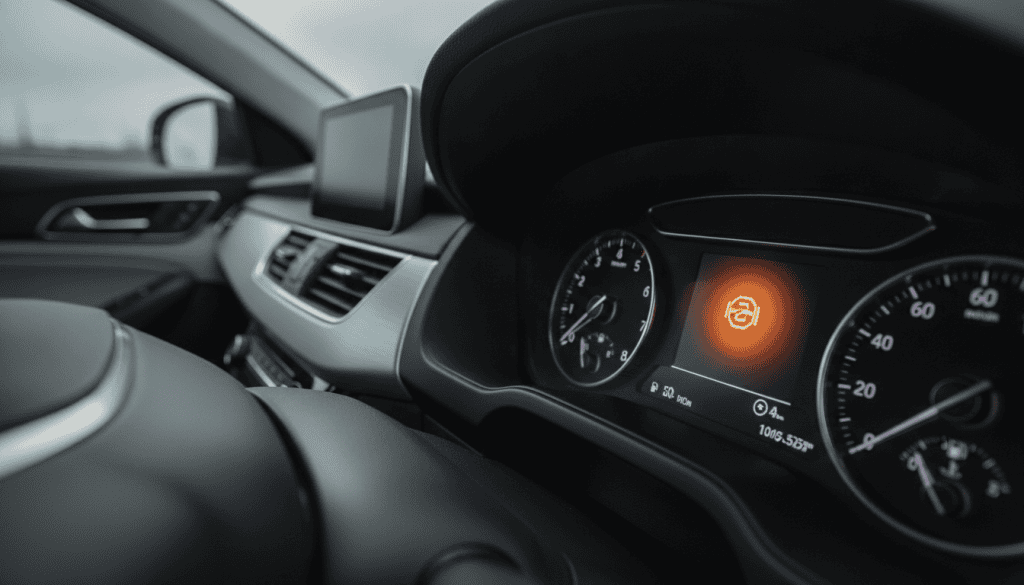
A warning light can raise quick questions about your vehicle’s reliability. Knowing how your car’s diagnostic system works helps you make safer choices on the road.
How Long Can You Drive with the Light On?
There is no universal mileage limit for driving with a solid check engine light. A loose gas cap or failing sensor can cause it, but danger levels differ. Long trips may cause progressive damage, turning a small repair into a costly engine overhaul.
Knowing the difference between a solid vs flashing check engine light helps you choose your next step. A solid light means you should book a diagnostic visit soon. Do not ignore it; your car may fail emissions testing or use more fuel.
Is it Safe to Drive with the Light Activated?
You may ask, is it safe to drive when the light stays on? If it flashes, the answer is usually no. A flashing light signals an active engine misfire that may quickly cause catastrophic damage to your catalytic converter.
If the light flashes, pull over safely as soon as possible and stop the engine. Driving on can cause costly repairs and create safety hazards. If you are unsure, contact Heaven Automotive at (210) 682-3898 for expert guidance.
You can also visit our shop at 6645 Poss Rd. San Antonio, TX 78238 for a professional inspection by our technicians.
Contact Heaven Automotive Today!
Your vehicle shows its health through symptoms, patterns, and stored codes. Professional testing finds the cause of dashboard warnings. It can explain your engine diagnostic cost and help prevent registration or inspection problems.
Our team provides expert care to help your car run smoothly on the road. Contact us for professional help with your check engine light.
Our Location and Business Hours
Visit us at 6645 Poss Rd. San Antonio, TX 78238. We can help with check engine light san antonio concerns during standard business hours. Please call to confirm our current availability for your vehicle.
Phone Number and Appointment Scheduling
Call our service desk at (210) 682-3898 to book your visit. Choose Heaven Automotive to fix your vehicle today. Our technicians can provide an accurate engine diagnostic cost and high-quality repairs.