

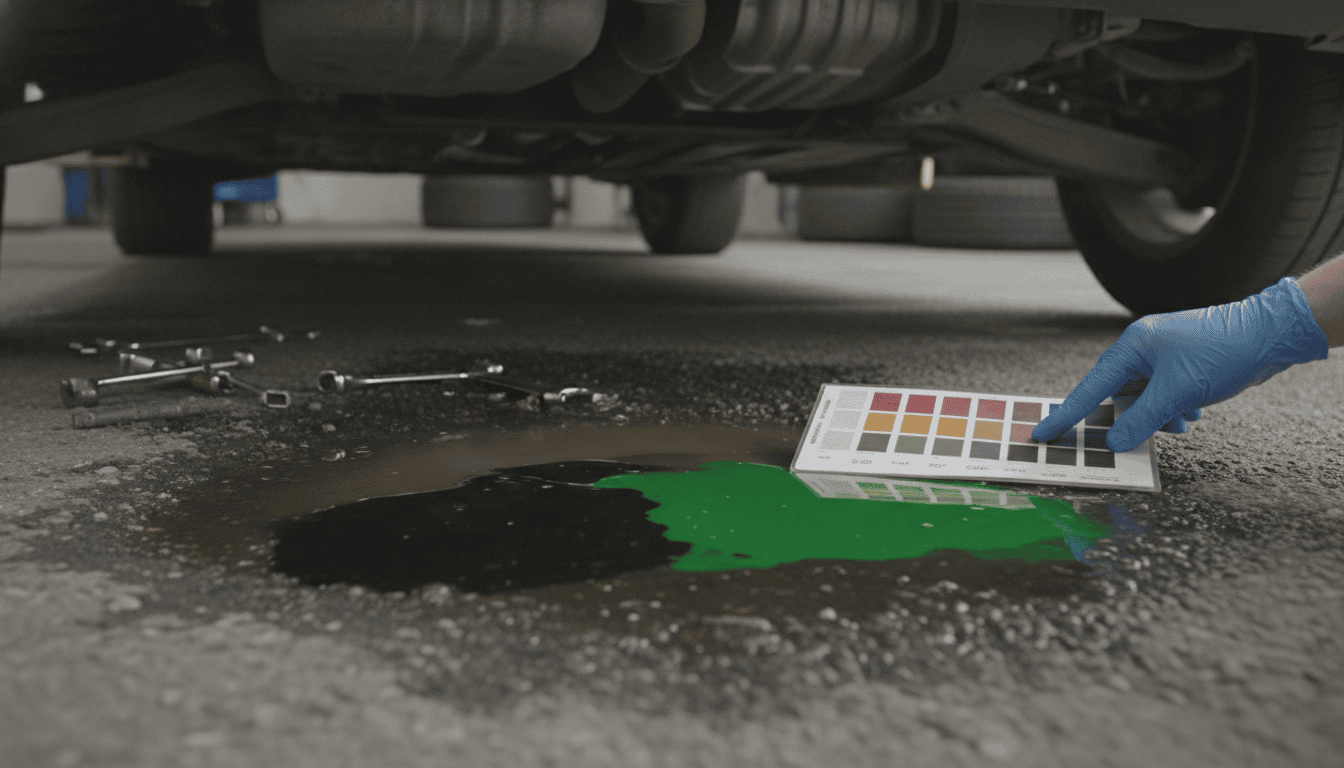
A puddle on your driveway can feel stressful. However, not every stain means major engine trouble. Staying calm helps you solve the problem.
You can begin a basic fluid leak diagnosis by checking the liquid’s color, smell, and texture. Knowing the difference between an oil leak vs coolant leak helps you decide when to seek professional help.
If you spot an oil leak under car components, do not panic. Contact the trusted experts at Heaven Automotive, located at 6645 Poss Rd. San Antonio, TX 78238. Call their team at (210) 682-3898 to schedule a thorough inspection today.
Key Takeaways
- Assess the color and texture of the puddle to identify the source.
- Distinguish between engine lubricants and cooling system fluids.
- Do not ignore persistent spots on your garage floor.
- Professional inspections prevent minor issues from becoming expensive repairs.
- Visit Heaven Automotive in San Antonio for expert vehicle maintenance.
Understanding Oil Leaks and Their Causes
Finding a puddle under your car can be stressful, but knowing the cause helps you find a solution. An oil leak starts when engine lubricant escapes its sealed system and reaches the ground. Proper containment of this fluid protects your engine’s health and long life.
What is an Oil Leak?
Your engine uses pressurized channels to keep moving parts lubricated. When a seal or gasket fails, oil escapes these channels. It then seeps out and leaves those unwanted spots on your garage floor or driveway.
Common Sources of Oil Leaks
Several parts wear over time, especially in high-mileage vehicles. The valve cover gasket often hardens and cracks after years of heat exposure. Likewise, the rear main seal can wear out and leak oil from the engine block’s back.
Other common failure points include the oil pan gasket, oil filter housing, and front crankshaft seal. For ongoing drips, have a professional inspect these areas. Visit Heaven Automotive at 6645 Poss Rd. San Antonio, TX 78238, or call (210) 682-3898 for a full diagnostic check.
| Component | Common Issue | Repair Urgency |
|---|---|---|
| Valve Cover Gasket | Hardening/Cracking | Moderate |
| Rear Main Seal | Wear/Degradation | High |
| Oil Pan Gasket | Seal Failure | Moderate |
| Oil Filter | Loose/Damaged | Immediate |
When to Be Concerned About an Oil Leak?
A small drop may not need emergency service, but never ignore a consistent leak. Small leaks can become major losses and leave your engine without needed lubrication. If a large puddle appears or oil levels fall quickly, seek professional help immediately to prevent catastrophic engine damage.
Recognizing the Symptoms of an Oil Leak
Your vehicle often shows its health through small changes you should not ignore. Watching closely helps you find problems before costly mechanical failures. If you notice anything unusual, contact Heaven Automotive at 6645 Poss Rd. San Antonio, TX 78238, or call (210) 682-3898.
Visual Signs of an Oil Leak
The most common sign is a fresh puddle on your garage floor or driveway. Inspect your engine bay for greasy, dark residue on its parts. A lasting burning smell while driving may mean oil drips onto hot exhaust parts.
Check your oil level often with the dipstick. If it keeps falling between changes, you likely have a leak needing expert care.
Unusual Engine Noises
Poor lubrication makes engine parts give audible warnings. You may hear tapping, ticking, or grinding noises as metal parts rub without oil’s protection. These sounds show that your engine struggles under stress.
Not every wet spot under your car is engine oil. A power steering fluid leak can also leave puddles near the front. Check the fluid’s location and texture before naming its source.
Changes in Oil Pressure
Your dashboard is a key tool for checking your vehicle’s health. If the oil pressure light appears, your engine lacks the lubrication needed to run safely. Ignoring this warning can cause severe internal damage quickly.
Even if the light flickers intermittently, treat it as serious. Check your vehicle promptly to prevent long-term wear and keep your car reliable for years.
Determining the Type of Fluid Leaking
When you spot a strange puddle, a quick visual check supports accurate fluid leak diagnosis. Color helps, but it rarely gives a sure answer alone. Also check the fluid’s texture, smell, and leak location.
Identifying Oil by Color
Engine oil starts golden or amber when fresh. It turns dark brown or black as it collects debris. A dark, slick puddle often means engine oil.
For instance, telling an oil leak vs coolant leak apart can be difficult. Coolant often looks bright green, orange, or pink, but old radiator sludge can darken it. Oil feels thick and slippery, while coolant is thinner and smells sweet and syrupy.
How Color Can Help You Diagnose the Issue
The transmission fluid color offers another key clue. Fresh transmission fluid is usually bright red, but age may turn it brown or make it smell burnt. A red puddle strongly suggests that the transmission needs attention.
Remember that color gives only one clue. If you remain unsure, the experts at Heaven Automotive can help. Visit 6645 Poss Rd. San Antonio, TX 78238, or call (210) 682-3898 for a professional inspection.
| Fluid Type | Typical Color | Common Texture |
|---|---|---|
| Engine Oil | Brown/Black | Slippery/Thick |
| Coolant | Green/Orange | Thin/Sweet |
| Transmission | Red | Oily/Smooth |
Brown or Black Fluid? What It Means
Dark stains on your garage floor may mean an oil leak under your car. Many vehicle fluids drip, but dark brown or black liquid is usually engine oil. Spotting this early can help prevent costly repairs later.
Characteristics of Engine Oil
Engine oil has a thick, slippery texture unlike watery fluids such as coolant. Rub a small amount between your fingers; it should feel oily and leave a lasting residue. It may also have a faint petroleum smell, unlike the sweet scent of antifreeze.
Fresh oil starts light amber but darkens as it moves through your engine. By the end of its service life, it often looks dark brown or black. This color change is normal, but it makes an oil leak under your car easier to spot.
Potential Problems Associated with Dark Fluid
Not every dark spot shows a major failure, but you should never ignore one. A minor gasket seep may leave drops, yet grow into a serious oil leak under your car if ignored. Low oil levels can cause friction, overheating, and severe internal engine damage.
If you are unsure about the leak’s severity, consult the experts. You can visit Heaven Automotive at 6645 Poss Rd. San Antonio, TX 78238, or call (210) 682-3898 for inspection. Their team can find a simple seal issue or a complex mechanical problem needing immediate attention.
Light Yellow or Amber Fluid? What to Watch For
Finding a light yellow or amber puddle under your vehicle can confuse any driver. Engine oil is often dark, but a lighter transmission fluid color may point to another system needing immediate attention.
Identifying Transmission Fluid
Check more than the fluid’s shade to identify it correctly. Fresh transmission fluid is usually bright red, but age can turn it light amber or reddish-brown. Pay close attention to the leak’s location; it often appears near the gearbox at the vehicle’s center or front.
You can use a simple smell test to confirm your findings. Engine oil may smell burnt or earthy, while transmission fluid often smells slightly sweet or like petroleum. If your car struggles to shift smoothly, your transmission fluid color may signal a leak.
Risks of Ignoring Transmission Fluid Leaks
Ignoring a transmission leak is a dangerous gamble that can cause catastrophic failure. Without enough fluid, the gearbox loses essential lubrication that prevents metal-on-metal friction. Without this protection, internal parts overheat and wear down quickly.
Over time, you may notice slipping gears or delayed engagement. The transmission may even fail completely. These repairs are often incredibly expensive compared with fixing a simple seal or gasket early.
If you suspect a leak, contact Heaven Automotive at 6645 Poss Rd. San Antonio, TX 78238, or call (210) 682-3898. Our experts can inspect your system before damage becomes permanent.
Red Fluid: Is It Transmission Fluid?
Seeing red fluid under your car can make you worry about your transmission. The transmission fluid color is usually bright, translucent red when fresh, but other systems can mimic it. Finding the source helps protect your vehicle’s longevity.
Understanding the Properties of Transmission Fluid
Transmission fluid lubricates, cools, and cleans your gearbox’s internal parts. It usually feels thin and oily, with a sweet or petroleum-like smell. Over time, it may turn brown, showing breakdown or collected debris.
A power steering fluid leak can also look red, clear, or brown because both systems use hydraulic pressure. Check the leak location. Transmission leaks often appear near the center or rear. Steering leaks usually appear near the front or sides.
Potential Damage from Leaks
Ignoring a leak can cause serious mechanical failure. Low fluid can make gears grind, overheat, or slip, and may cause total transmission failure. Lost steering fluid can make steering stiff or unresponsive, creating a significant safety hazard while driving.
If you are unsure about the leak source, do not wait for the problem to worsen. For diagnostics and repairs, visit Heaven Automotive at 6645 Poss Rd. San Antonio, TX 78238, or call (210) 682-3898. Their team can quickly tell whether you have a transmission issue or a power steering fluid leak.
| Feature | Transmission Fluid | Power Steering Fluid |
|---|---|---|
| Typical Color | Bright Red | Clear, Red, or Brown |
| Common Smell | Sweet/Burnt | Mild Oil/Chemical |
| Leak Location | Center/Rear Engine | Front/Side Engine |
| Primary Risk | Gearbox Failure | Loss of Steering Assist |
Green, Blue, or Orange Fluid: Coolant Issues
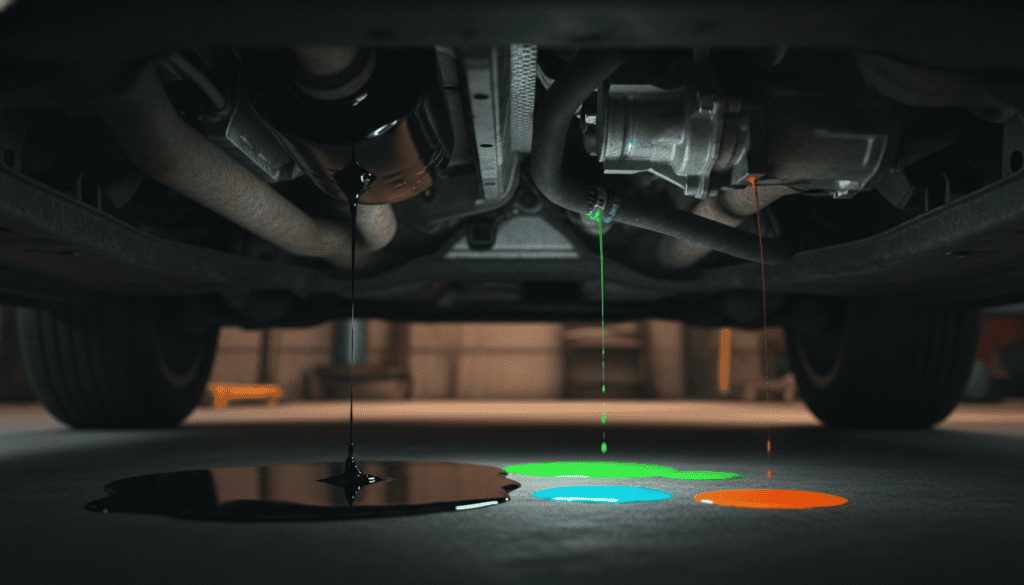
Your car’s health depends on identifying fluid leaks early, especially when comparing an oil leak vs coolant leak. Coolant is often bright and thin, unlike dark, thick engine oil.
Identifying Anti-Freeze or Coolant Leaks
Coolant, also known as antifreeze, comes in many colors, including bright green, orange, blue, pink, or yellow. Engine oil feels slick and heavy. Coolant is thinner and often smells sweet and syrupy.
If you find a puddle with these traits, you likely have a cooling system failure. Check your coolant reservoir levels or look for dampness near the radiator hoses.
Consequences of Ignoring Coolant Leaks
Driving long distances with a coolant leak is extremely risky for your vehicle. Without temperature control, the engine can quickly overheat, causing permanent damage to the cylinder head or head gasket.
Ignoring these signs can cause total engine failure, costing far more than a simple hose repair. If unsure about the leak source, contact the experts at Heaven Automotive. They are at 6645 Poss Rd. San Antonio, TX 78238. Call them at (210) 682-3898 for a professional inspection.
| Feature | Engine Oil | Coolant/Antifreeze |
|---|---|---|
| Typical Color | Brown or Black | Green, Orange, Blue, Pink |
| Consistency | Thick and Oily | Thin and Watery |
| Common Smell | Burnt or Musky | Sweet and Syrupy |
| Primary Risk | Engine Seizure | Overheating/Engine Damage |
Understanding the differences in an oil leak vs coolant leak helps you make informed vehicle maintenance choices. Prioritize safety and seek professional help when unusual fluids pool under your car.
Checking for an Oil Leak Under Your Car
You can often find a fluid leak by following simple steps at home. A fluid leak diagnosis needs patience and a keen eye, but not always advanced tools. Watching where drips begin can save time and prevent engine damage.
Steps to Locate the Leak
Park your vehicle on a flat, level surface, then place clean white cardboard under the engine. Leave the car there for several hours or overnight to catch fresh drips. This helps show the leak’s general area before you crawl underneath.
Use a bright flashlight to inspect the engine bay from above and below. Oil pooling near the top may point to a failing valve cover gasket. Fluid dripping from the bell housing, where the engine meets the transmission, may mean a worn rear main seal.
Using a Clean Rag to Check Fluid Types
After finding the area, use a clean white rag to wipe fluid from the ground or engine. Checking the fluid’s color and consistency helps your fluid leak diagnosis. Fresh engine oil is usually golden or brown, while transmission fluid often has a distinct red hue.
If the source or leak severity remains unclear, contact the experts. You can reach Heaven Automotive, at 6645 Poss Rd. San Antonio, TX 78238, or call (210) 682-3898. They can check whether your valve cover gasket or rear main seal needs immediate professional care for safe driving.
Assessing the Size of the Leak
Not every puddle under your car means you need an emergency trip to the shop. Still, proper fluid leak diagnosis keeps your vehicle safe and reliable on the road.
Small vs. Large Leaks: What’s the Difference?
A small seep or a few drops on your garage floor may seem harmless, but never ignore them. Even minor leaks may point to a failing seal or gasket that can worsen over time. Always monitor your fluid levels between regular maintenance checks to see whether the volume drops significantly.
Large leaks are more urgent and often leave clear puddles or trails behind your vehicle. Significant fluid under your car may signal a major component failure needing immediate attention. Treat these leaks as a priority to avoid costly engine or transmission damage.
When to Seek Professional Help
You must contact a professional for a fluid leak diagnosis if you notice warning signs. Seek help immediately if dashboard warning lights come on, the engine overheats, or steering becomes difficult. These signs show your vehicle is losing critical fluids needed for safe operation.
If you smell strong fuel, have gear shifting problems, or cannot identify the leaking fluid, do not drive. It is safer to have a professional inspect the car and prevent further complications. For expert help, contact Heaven Automotive at 6645 Poss Rd. San Antonio, TX 78238. Call (210) 682-3898 to schedule an inspection.
Frequently Asked Questions About Oil Leaks
A strange puddle under your vehicle can worry any driver. Many drivers wonder if a small garage spot needs quick action or shows normal operation. Knowing the difference between harmless condensation and a serious oil leak under car helps protect every vehicle.
How Often Should You Check for Leaks?
Check the ground after you move your vehicle from a parking spot. A quick look can show your car’s health. Clear, odorless water often comes from air-conditioning condensation, which is perfectly normal.
If you see colored or oily fluid, act right away. Use this routine to catch possible problems early:
- Check your driveway or garage floor weekly for any new spots.
- Monitor your dashboard warning lights for any changes in pressure.
- Perform a monthly visual inspection of the engine bay if you suspect a minor oil leak under car.
Are Oil Leaks Dangerous for My Vehicle?
Ignoring an oil leak under car is never wise, even when the leak looks small. A few drops can grow into a major mechanical failure. Low oil raises friction, causing the engine to overheat and suffer permanent internal damage.
Leaking fluids can also make slippery surfaces, creating safety risks for you and others. If you are unsure about a leak, ask the experts at Heaven Automotive. Visit us at 6645 Poss Rd. San Antonio, TX 78238, or call (210) 682-3898 for a professional inspection.
Preventive Measures for Oil Leaks
Simple maintenance routines can help your vehicle last longer. A proactive approach helps catch potential oil leak under car issues before they cause costly engine damage.
Regular Maintenance Tips
Consistency helps your vehicle last longer. Follow your manufacturer’s schedule for oil and filter changes. This keeps internal parts lubricated and cool.
Check your oil levels every few weeks. Documenting these levels in a notebook or phone app can reveal gradual oil loss. This may point to a slow, hidden leak.
Importance of Routine Inspections
Visual checks can reveal early warning signs. Whenever you park, look at the ground for any oil leak under car evidence on the pavement.
Routine inspections can reveal worn gaskets, brittle hoses, or loose connections. Fixing these minor problems at once can stop a small seep from becoming a major repair bill later.
If you notice new stains, do not wait for a dashboard warning light. For expert guidance or a professional inspection, visit Heaven Automotive at 6645 Poss Rd. San Antonio, TX 78238. Call them at (210) 682-3898.
| Maintenance Task | Frequency | Benefit |
|---|---|---|
| Oil & Filter Change | Every 5,000 Miles | Prevents Engine Wear |
| Visual Ground Check | Every Time You Park | Early Leak Detection |
| Fluid Level Check | Monthly | Monitors Consumption |
| Professional Inspection | Annually | Identifies Worn Seals |
DIY Fixes for Minor Oil Leaks
A small drip under your car may seem like an easy DIY repair involving a valve cover gasket. Some minor issues can be fixed at home, but others signal serious mechanical failure. Always prioritize safety before working under your vehicle.
Temporary Solutions You Can Try
If you find a minor leak, top off the oil to keep the engine running smoothly. This is only a temporary measure and does not fix the leak’s cause. Check accessible connections and oil filter housings for looseness; tightening one may stop a slow drip.
Avoid relying on chemical sealers or “stop-leak” additives. These products rarely provide a lasting fix and may clog internal passages.
If the leak persists, seek an expert assessment from Heaven Automotive at 6645 Poss Rd. It is in San Antonio, TX 78238; call (210) 682-3898.
When Is It Safe to DIY?
You can safely repair it with the right tools and a clear understanding of your engine’s layout. For example, many car owners can replace a valve cover gasket themselves. This part often wears out, and a new one can stop oil seeping onto the engine block.
Replace a valve cover gasket only if you trust your mechanical skills. Some modern vehicles have complex engines, making simple gaskets hard to reach without special equipment. If you feel unsure, let a professional do the job to prevent more vehicle damage.
When to Call for Professional Help
Knowing when to stop DIY work and call a mechanic helps protect you and your vehicle. Small drips may seem safe, but some signs require quick help from a trained technician. Ignoring them can cause engine failure or make driving dangerous.
Signs You Should Seek Expert Assistance
Large puddles can show major fluid loss; soft brake pedals or shifting problems also require a tow. Stop driving if you smell fuel, struggle to steer, or see the engine overheat.
Safety is your top priority when these problems occur. Never drive with a brake fluid leak or severe transmission distress; call a trusted professional instead.
Benefits of Having a Mechanic Inspect Your Vehicle
A professional fluid leak diagnosis can reveal the source of complex vehicle problems. Mechanics use special tools to pressure-test cooling and hydraulic systems. This can uncover a failing rear main seal or ongoing power steering fluid leak and repair it correctly.
Professionals thoroughly clean contaminated parts and make sure repairs meet safety standards. In San Antonio, Heaven Automotive offers expertise to keep your vehicle running smoothly. They are at 6645 Poss Rd. San Antonio, TX 78238, and you can call (210) 682-3898 to schedule an inspection.
| Issue Type | DIY Potential | Professional Required |
|---|---|---|
| Minor Gasket Seep | High | Low |
| Power Steering Fluid Leak | Low | High |
| Rear Main Seal Failure | None | High |
| Brake Fluid Loss | None | Critical |
Conclusion: Hire Heaven Automotive to Fix Your Vehicle
Finding a puddle under your car means checking its color, smell, and texture. Clear water from your air conditioner is usually harmless, but dark or colored fluids need professional attention. Acting quickly keeps small drips from causing major mechanical failures.
You deserve peace of mind each time you drive. A professional oil leak inspection can find the fluid’s exact source. This early step can save money on costly engine repairs later.
Heaven Automotive auto repair has the skills to keep your vehicle running smoothly. Our team understands modern engines and provides reliable car fluid leak repair services. We help keep your car safe and ready for the road.
Visit Heaven Automotive at 6645 Poss Rd. San Antonio, TX 78238 for a vehicle check. You can call us at (210) 682-3898 to schedule your appointment today. Let our skilled technicians handle your vehicle maintenance needs with precision and care.