

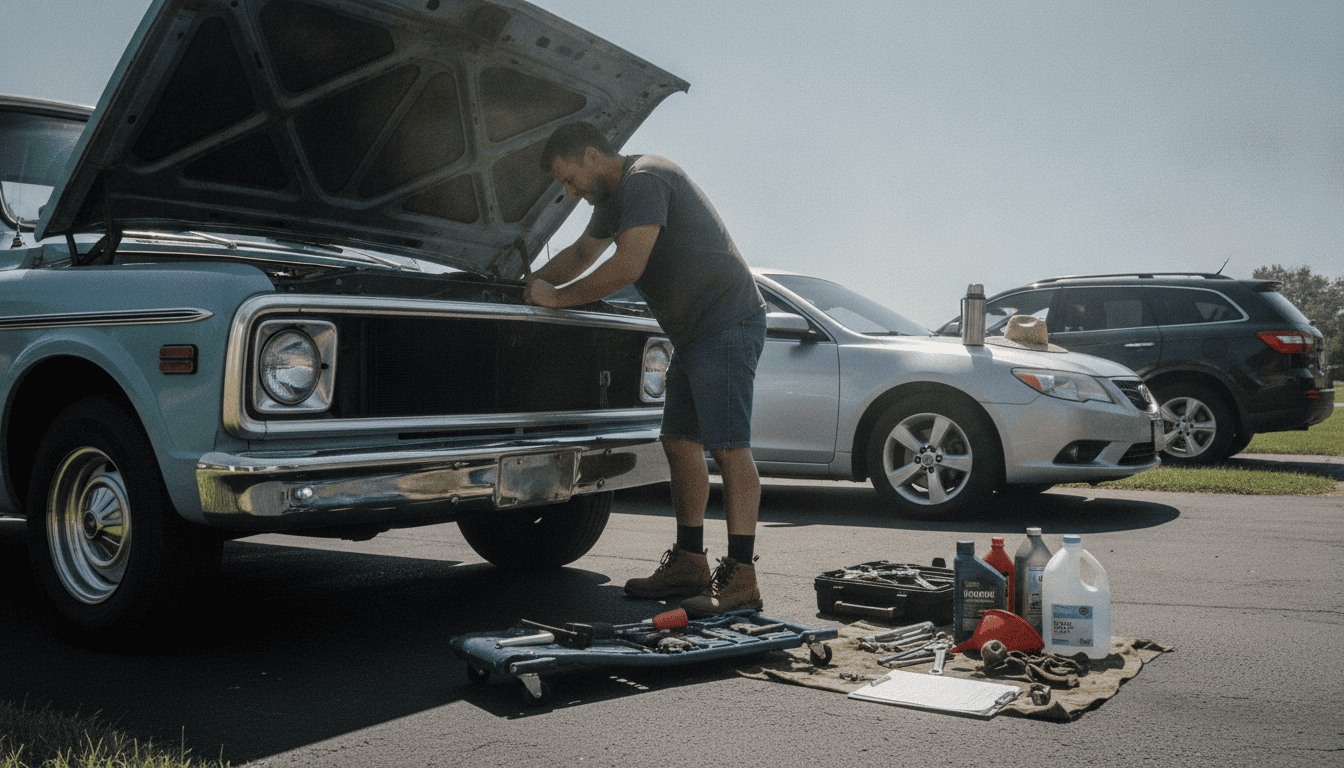
Extreme South Texas temperatures push your vehicle to its limit. Parked interiors can rise past 130 degrees, endangering passengers and straining vital mechanical systems.
Good summer car maintenance can help prevent a breakdown on a sweltering highway. Check your cooling, electrical, and tire systems before the intense months arrive. Proper preparation can mean a smooth drive instead of a costly roadside emergency.
If you want your vehicle to survive the heat, Heaven Automotive is your trusted partner for expert inspections. We offer complete summer car maintenance to help keep you safe. Hire Heaven Automotive today to fix your vehicle before peak heat arrives.
Key Takeaways
- South Texas temperatures can cause interior heat to exceed 130 degrees.
- Extreme heat creates significant stress on your vehicle’s cooling and electrical systems.
- Proactive inspections help prevent dangerous roadside breakdowns during the hottest months.
- Focusing on seven key areas ensures your vehicle remains reliable under pressure.
- Heaven Automotive provides expert professional service to prepare your vehicle for the season.
What South Texas Drivers Are Facing as June Approaches
June in South Texas brings the year’s toughest test for your car. As temperatures climb, demand for summer car maintenance rises across the region. Local shops get busier as drivers prepare for the season’s peak heat.
Why San Antonio’s heat creates a seasonal vehicle maintenance rush
San Antonio sees a steady rise in service requests as June gets closer. Many drivers wait too long, causing a bottleneck at repair shops. Proactive planning helps keep your vehicle reliable when temperatures reach triple digits.
If problems appear, Heaven Automotive offers a trusted San Antonio repair resource. The team finds heat damage before it causes a total breakdown. Book early to avoid long waits during the first major heat wave.
How extreme temperatures affect parked and frequently driven cars
Extreme heat speeds mechanical wear, whether your car sits in a parking lot or cruises on highways. When parked, interior temperatures can exceed 130 degrees, damaging dashboard materials and electronics. Driving in mid-90s heat puts heavy pressure on engine and cooling systems.
Constant heat stress speeds the aging of rubber hoses and plastic parts. High pavement temperatures also raise tire risks and cause pressure changes. Regular summer car care helps reduce these environmental hazards.
What drivers, repair shops, and vehicle owners should watch before summer
Watch several warning signs as the season changes. Check your engine temperature gauge because overheating is common during summer. Also watch for fluid leaks, which may show that heat damaged seals or hoses.
Hot weather can sharply reduce battery performance and cause starting failures. Inspect the air conditioning system so it can handle San Antonio’s intense sun. These checks help protect your safety and comfort through the hottest months.
Why Summer Car Maintenance Should Start Before the First Heat Wave
Waiting for the first heat wave can lead to costly roadside repairs. Start summer car maintenance now to prepare your vehicle for extreme heat. Early action fixes small problems before they become major failures.
How pre-June inspections can expose problems before a breakdown
A professional inspection helps diagnose problems in your car. Technicians can find worn parts that might fail under high heat. Catching these issues early prevents being stranded on a hot highway.
Why short trips and heavy traffic increase heat-related stress
Many drivers think short commutes are easier, but they often create more stress. Stop-and-go traffic limits radiator airflow and quickly raises engine temperatures. Repeated heating and cooling strains your battery and cooling system.
Regular summer car care matters for vehicles that idle in heavy traffic. Without highway speeds, a hot engine makes internal parts wear much faster. Watch these systems closely to prevent lasting damage.
How delayed repairs can affect safety, comfort, and repair costs
Ignoring small warning signs can cause several mechanical failures. A minor coolant leak can become a blown engine if you ignore it. A failing air conditioning system can make your daily commute unbearable during the season’s peak.
This table shows why planned service saves money and protects safety better than emergency repairs:
| Maintenance Aspect | Proactive Approach | Reactive Approach |
|---|---|---|
| Repair Costs | Low (Routine Service) | High (Emergency Parts) |
| Vehicle Safety | High (Reliable Performance) | Low (Breakdown Risk) |
| Cabin Comfort | Consistent Cooling | Unpredictable Failure |
| Time Investment | Scheduled Appointment | Unplanned Downtime |
Please schedule service at Heaven Automotive before the June rush begins. Our team can inspect your vehicle and provide necessary care to keep you moving safely all summer.
Check the Battery for Heat-Related Failure
Your car battery faces its hardest test when the South Texas summer sun heats the pavement. Many people link battery failure to freezing winters. Yet extreme heat often causes premature battery death.
How heat and car battery deterioration are connected
High temperatures speed chemical reactions inside your battery and cause faster internal damage. This heat makes electrolyte fluid evaporate, which can harm the internal lead plates. The heat and car battery link shows how triple-digit temperatures shorten battery life.
Signs of corrosion, swelling, weak starts, and low battery performance
Watch your vehicle for warning signs that show your battery may be struggling. Common signs include:
- Visible corrosion or white, powdery buildup around the battery terminals.
- A bloated or swollen battery case caused by internal gas expansion.
- A sluggish engine crank when you turn the ignition key.
- Dimming headlights or inconsistent electrical performance while idling.
Why battery testing and terminal cleaning matter before summer
Proactive care helps prevent a roadside breakdown. Regular terminal cleaning removes buildup that weakens the connection, while testing shows your battery’s remaining capacity. Heaven Automotive offers comprehensive diagnostic services to check your charging system before summer peaks.
When a battery should be replaced instead of recharged
Sometimes, recharging cannot restore reliable performance. Replace the battery if it fails a load test or shows physical damage. Repeated jump-starts are dangerous and may harm sensitive electronic control modules in your vehicle.
| Condition | Recommended Action | Urgency Level |
|---|---|---|
| Minor Terminal Corrosion | Professional Cleaning | Low |
| Weak Cranking Power | Load Test & Charge | Medium |
| Swollen Battery Case | Immediate Replacement | High |
| Age Over 3 Years | Preventative Testing | Medium |
If you are unsure about your battery’s condition, visit Heaven Automotive for an expert assessment. Their technicians can tell whether your system needs simple service or full replacement. This can help keep you moving safely through the summer heat.
Verify Tire Pressure and Tread for Hot Weather
Your tires are your vehicle’s only contact with scorching Texas pavement. In summer, heat changes tire pressure hot weather and makes tire checks vital. Skipping checks can cause poor handling, lower fuel efficiency, and dangerous highway blowouts.
Why tire pressure hot weather changes can affect handling
Heat expands air inside tires and can change how your car performs. Changes in tire pressure hot weather may make turns or braking feel less responsive. Correct pressure keeps a steady tire footprint during long summer commutes.
How to check pressure when tires are cold
Check tire pressure when tires are cold for an accurate reading. Measure it before driving more than a mile, or after the car sits for at least three hours. Use the sticker inside your driver’s side door jamb for the manufacturer’s recommended PSI, not the tire sidewall’s maximum.
How tread depth, cracks, bulges, and uneven wear signal danger
Tire condition also matters for summer safety. Inspect tires often for structural fatigue that may cause failure in high temperatures. Watch for these warning signs:
- Tread depth: Use a penny test to ensure you have enough grip for sudden summer rain.
- Cracks and dry rot: Small fissures in the sidewall indicate the rubber is breaking down from UV exposure.
- Bulges: Any visible bubble on the sidewall is a sign of internal damage and requires immediate replacement.
- Uneven wear: This often points to alignment issues that worsen in extreme heat.
Why overinflating tires to compensate for heat is unsafe
Some drivers add air to manage tire pressure hot weather changes, but this dangerous myth can cause harm. Overinflation shrinks the road contact patch and harms your braking distance and handling stability. It also leaves tires more open to damage from road debris and potholes.
If you are unsure about your tires, visit Heaven Automotive for a professional assessment. Our team offers expert tire inspections, precise pressure adjustments, and professional tread evaluations. We help ensure your vehicle is ready for the road ahead.
Schedule AC Service Before Summer Temperatures Peak
When summer heat rises in San Antonio, your car’s air conditioner becomes a key safety feature. Scheduling your AC service before summer keeps you comfortable and safe during the year’s hottest months. Do not wait until the cabin feels like an oven.
Warning signs that your air conditioner needs attention
Your vehicle may give small clues when its cooling system starts to struggle. If vent air is no longer ice-cold, schedule a professional inspection. Other warning signs include a musty odor, weak airflow, or clicking sounds when you switch it on.
What an AC service before summer should include
A complete AC service before summer checks more than refrigerant levels. At Heaven Automotive, technicians test system pressure and look for hidden leaks. They inspect blower motor operation, cabin air filtration, and cooling performance for the months ahead.
How refrigerant leaks, clogged filters, and weak airflow affect cooling
Refrigerant leaks can cause uneven cooling because they stop the system from removing heat well. A clogged cabin air filter can block airflow and make the AC work much harder. If ignored, these problems may cause parts to fail early.
Why you should not ignore warm air or unusual AC noises
Ignoring warm air or grinding noises can turn a small repair into a costly system replacement. Strange sounds may signal a failing compressor or loose belt that could snap. Professional AC service before summer helps protect your vehicle from the harsh South Texas heat and prevents a stressful mid-commute breakdown.
Inspect Coolant and the Cooling System for Summer Driving
As temperatures rise, your cooling system protects against engine failure. The right balance of coolant in summer moves heat away from the engine during long commutes or heavy traffic.
Why coolant in summer protects the engine from overheating
Your engine creates great heat while running, and the cooling system keeps it within a safe range. Properly maintained fluid draws heat from key metal parts. Without fresh, high-quality coolant in summer, your engine may suffer costly damage or break down.
How to check coolant level and visible leaks safely
You can inspect the translucent reservoir under the hood. Check that the fluid rests between the “min” and “max” lines when the engine is fully cool. Look for brightly colored puddles under your vehicle; they may show a leaking hose or radiator.
What radiator, thermostat, water pump, and cooling fan problems can cause
Even with proper fluid, mechanical failures can damage the cooling system. A stuck thermostat or failing water pump can stop fluid flow and cause rapid overheating. If the cooling fan fails, your car may overheat while idling in San Antonio traffic.
| Component | Function | Failure Symptom |
|---|---|---|
| Radiator | Dissipates heat | Visible leaks or corrosion |
| Thermostat | Regulates flow | Engine runs too hot |
| Water Pump | Circulates fluid | Whining noise or leaks |
| Cooling Fan | Airflow at idle | Overheating in traffic |
Why you should never remove a hot radiator cap
Safety is your top priority when you inspect the cooling system. Never remove the radiator cap while the engine is hot because pressure can build inside. It may spray scalding hot liquid and cause severe burns.
If you see trouble, contact Heaven Automotive for a professional inspection. Our team handles leak diagnosis, radiator repairs, and complete cooling system flushes to keep your vehicle cool all season.
Look for Heat Damage in Belts, Hoses, and Engine Components
Heat quietly harms rubber and plastic parts under your hood. As you plan for summer car care, know that long, high heat speeds their natural breakdown. South Texas sun and engine heat slowly reduce these parts’ flexibility and strength.
How high temperatures accelerate rubber and plastic deterioration
Engine parts face repeated changes between hot and cool conditions. This stress can make rubber hoses and plastic fittings brittle, causing catastrophic failure. Good summer car care finds these weak spots before a roadside breakdown.
Cracks, glazing, soft spots, bulges, and leaks that require attention
Inspect your engine bay for visible wear, but never touch hot or moving parts. Look for cracks, shiny or “glazed” belts, and soft, mushy spots on rubber. Also check hoses for bulges or fluid residue, which may point to a hidden leak.
Why a damaged serpentine belt can disable major vehicle systems
The serpentine belt powers your alternator, water pump, and air conditioning compressor. If heat stress snaps it, your vehicle may instantly lose power steering and cooling. Checking this belt is key to reliable summer car care.
When a professional inspection is safer than an at-home check
Visual checks are simple, but average drivers may struggle to find wear inside pulleys or tensioners. If you see fraying, hear unusual noises, or feel unsure, seek expert help. Heaven Automotive offers professional summer car care inspections to prepare belts, hoses, and pulleys for heat and help avoid unexpected repairs.
Reduce Sun Damage to the Exterior and Interior

The intense South Texas sun makes your cabin hot and damages vehicle materials over time. If you ignore sun damage car issues, costly cosmetic repairs may follow. Small steps now can protect your finish and keep the interior fresh all summer.
How ultraviolet exposure fades paint and weakens clear coat
Ultraviolet rays slowly break down the chemical bonds in vehicle paint. Over time, the clear coat may peel or turn cloudy, exposing paint to oxidation. Protecting your exterior is more than vanity; it helps maintain the finish’s structural integrity.
Protecting dashboards, seats, steering wheels, and door seals
Your car’s interior often suffers more than its exterior. Heat can make plastic dashboards brittle and cracked, while leather seats dry out and lose their soft texture. Watch door seals too; heat may warp them, causing air leaks and more cabin noise.
Why windshield chips and window seals deserve a pre-summer inspection
Small windshield chips can become serious during a South Texas summer. Extreme heat expands glass, turning a tiny nick into a large, costly crack across your view. Dried window seals may also let moisture and heat enter your vehicle.
Practical shade, washing, waxing, and parking strategies for South Texas
A few simple habits can greatly reduce sun damage car problems. Consistent care provides long-term protection.
- Park in the shade or use a high-quality reflective sunshade to keep the dashboard cool.
- Wash your vehicle regularly to remove dust and debris that can trap heat against the paint.
- Apply a high-quality wax or paint sealant to create a protective barrier against UV rays.
- Use interior conditioning products to keep leather and vinyl surfaces hydrated.
If you notice wear or want expert advice, contact Heaven Automotive. Their team can perform a thorough vehicle-condition evaluation and find heat-sensitive components needing attention before summer’s peak arrives.
Inspect Brakes, Wipers, and Visibility Before Hot-Weather Travel
Keeping your vehicle safe to stop and see is key to summer car care. Rising heat puts stress on parts that protect you on the road. Inspecting these systems now can help prevent danger later.
How heat and stop-and-go traffic affect brake performance
High heat and heavy traffic can strain your braking system. Stop-and-go driving creates strong friction and heat in your brakes. This stress may cause brake fade, which makes stopping harder.
Brake noise, vibration, pulling, and warning lights that need prompt service
Notice how your car feels when you press the brake pedal. Grinding noises, steering wheel vibrations, or pulling may mean thin pads or worn rotors. Never ignore warning lights, which may signal a hydraulic system problem.
Why worn wiper blades and low washer fluid reduce summer visibility
Clear vision matters as much as stopping power on busy roads. Strong sun can dry and crack rubber wiper blades, causing windshield streaks. Full washer fluid helps remove dust, pollen, and bug splatter during long drives.
Preparing for sudden storms after extreme heat
South Texas weather can change quickly, with heavy storms after extreme heat. Reliable wipers help you see clearly during these downpours. If blades fail or the washer pump is weak, visit Heaven Automotive for summer car care and weather preparation.
| Component | Check Frequency | Warning Sign | Action Required |
|---|---|---|---|
| Brake Pads | Every 5,000 miles | Squealing noise | Replace pads |
| Wiper Blades | Every 6 months | Streaking glass | Install new blades |
| Washer Fluid | Monthly | Empty reservoir | Refill fluid |
| Brake Fluid | Before summer | Low level | Flush system |
Proper summer car care helps keep you safe in changing road conditions. If you are unsure about your brakes or visibility equipment, Heaven Automotive can help. Schedule your inspection today for greater peace of mind.
Complete the Supporting Checks That Make Summer Driving Safer
Beyond major systems, smaller parts help prepare your vehicle for summer. Proper summer car care means checking details that keep you visible, comfortable, and ready for roadside problems.
Testing headlights, turn signals, and hazard lights
Visibility matters during summer storms and bright, glaring afternoons. Walk around your vehicle and make sure every light works. A burnt-out bulb can cause safety risks or unwanted traffic stops.
- Check high and low beam headlights.
- Verify that all turn signals blink at the correct speed.
- Test your hazard lights to ensure they are visible from a distance.
Checking engine oil, transmission fluid, and power steering fluid
Fluids keep your vehicle running, especially when extreme heat makes the engine work harder. Consistent summer car care requires checking these levels to prevent premature wear on internal components. If unsure, the experts at Heaven Automotive can inspect your fluids and ensure everything is topped off and clean.
Replacing a dirty cabin air filter and checking the engine air filter
South Texas heat often brings dust and debris that can clog your vehicle’s filters. A dirty cabin air filter reduces AC efficiency, while a clogged engine air filter can hurt fuel economy. Replacing these filters is simple and can improve driving comfort and engine performance.
Confirming that the spare tire, jack, and emergency tools are usable
You never want to sit stranded on a hot highway with a flat tire and no repair method. Check that your spare tire is properly inflated, and that your jack and lug wrench work well. If equipment is missing or damaged, Heaven Automotive can help you find the right tools for road safety.
Recognize the Warning Signs of a Heat-Stressed Vehicle
Your vehicle often warns you before a total breakdown. Watch changes in how your car performs, and fix small problems before costly repairs begin. Proactive observation helps protect your vehicle in the harsh South Texas climate.
Dashboard temperature, battery, oil, and check-engine warnings
Modern vehicles use sensors to warn you when problems start. If the temperature gauge reaches red, your engine is struggling with heat. Watch your heat and car battery indicators; extreme heat can speed battery failure.
Do not ignore the check-engine light or oil pressure warnings. These warnings may show low fluid or failing parts. If either light appears, contact Heaven Automotive immediately to prevent more damage.
Steam, burning smells, fluid spots, and unusual noises
Your senses can also help find vehicle problems. If steam rises from under the hood or you smell burning, pull over safely. These signs may mean your coolant in summer is not circulating, or heat is making a belt slip.
Watch for fluid spots on your driveway, which may show leaks in cooling or lubrication systems. Also listen for unusual grinding or squealing. These sounds may show worn parts failing under high ambient temperatures.
What to do if your vehicle overheats on a San Antonio road
If your car overheats while driving, stay calm and act quickly. Turn off the air conditioning to reduce engine strain. Pull over safely, shut off the ignition, and let the engine cool completely.
Never remove the radiator cap while the engine is hot. Pressurized steam can cause severe burns. Wait until the engine cools, then arrange professional help from Heaven Automotive for correct diagnostic care.
Why continuing to drive can turn a minor issue into major engine damage
A warning light may tempt you to keep driving, but that choice is dangerous. An overheating vehicle can suffer major engine damage, including a warped cylinder head or blown gasket. Maintain proper coolant in summer levels and fix warnings early to save time, money, and roadside stress.
Know Which Summer Car Care Tasks You Can Handle Yourself
South Texas heat makes this balance important. Effective summer car care starts with knowing which tasks you can do and when to call Heaven Automotive.
Safe owner checks for tire pressure, fluids, lights, and visible damage
You can handle routine checks, such as tire pressure, fluids, lights, and visible damage. Check tire pressure when tires are cold because heat expands air and may cause over-inflation. Always check your headlights, turn signals, and brake lights to stay visible.
Check your engine oil, transmission fluid, and power steering fluid levels often. Look for cracked belts or worn wiper blades; you can replace both yourself. These simple steps support reliable summer car care.
Repairs that require diagnostic equipment or specialized tools
Basic checks are manageable, but some systems need professional help to prevent safety risks. Air conditioning work, such as refrigerant recharging, needs special tools to prevent leaks and environmental damage. Complex engine diagnostics and suspension work often need professional-grade scan tools and hydraulic lifts.
Attempting these repairs without proper training can cause costly mistakes or personal injury. Trusting Heaven Automotive with these jobs gives your vehicle precise care for extreme temperatures. Professional summer car care keeps your vehicle safe and efficient.
How to prepare useful information before visiting an automotive shop
When you need professional help, clear information helps technicians diagnose your vehicle faster. Keep a written log of dashboard warning lights, including when they appear. Note unusual noises, strange odors, or fluid spots under the car.
Describe your usual driving conditions, such as long commutes or heavy traffic, because they affect wear. This history helps the team find problems faster. Good records make summer car care easier and can save time and money.
| Task Category | DIY Friendly | Professional Required |
|---|---|---|
| Tire Pressure | Yes | No |
| Fluid Levels | Yes | No |
| AC Refrigerant | No | Yes |
| Engine Diagnostics | No | Yes |
| Visual Inspections | Yes | No |
How South Texas Driving Conditions Increase Repair Risks
South Texas weather can turn a simple commute into a tough test for your car. Hot weather makes your vehicle work harder to run well. Knowing these local risks can help prevent sudden breakdowns.
Effects of pavement heat, traffic congestion, and long commutes
Our asphalt soaks up strong sunlight and grows much hotter than the air. That heat reaches your tires, so watch tire pressure hot weather changes to help prevent blowouts. Stop-and-go traffic cuts airflow through the radiator and strains the cooling system and transmission.
Long commutes keep engine parts under heat stress for a long time. If the engine temperature gauge rises during your daily drive, seek a professional inspection.
Why older vehicles and infrequently driven cars need special attention
Many drivers think a parked car avoids wear, but sitting still can cause damage too. Rubber seals and gaskets can dry and crack when a car sits for months. Fluids can weaken, and batteries can lose charge, leaving you stranded later.
- Battery health: Older batteries struggle to hold a charge in extreme heat.
- Fluid integrity: Aged oil and coolant lose their protective properties over time.
- Rubber components: Belts and hoses become brittle without regular movement.
How road trips, towing, and cargo loads add stress before June
A summer trip or heavy cargo makes your vehicle work at full capacity. A trailer or full trunk adds strain to brakes and suspension, already stressed by heat. Also, sun damage car interiors can reduce comfort and age dashboard materials on long trips.
Before major travel, we recommend Heaven Automotive for a full condition-based inspection. Their technicians can check your cooling system, brakes, and tires for extra weight and highway speeds. These steps help keep summer adventures safe and worry-free.
What Can Happen When Pre-Summer Repairs Are Delayed
San Antonio’s sweltering summer sun punishes drivers who delay needed car repairs. Ignoring early wear signs can cause mechanical failure at the worst possible time. Prioritizing summer car maintenance helps keep your vehicle reliable as temperatures reach triple digits.
From weak cooling to roadside breakdowns
Small problems, such as a slow-leaking radiator or worn serpentine belt, may seem manageable during mild spring months. Yet South Texas summer heat puts great stress on these parts. A minor coolant leak can cause catastrophic engine overheating and leave you stranded beside a busy highway.
Waiting for a breakdown is never wise for any driver. When your car stops, damage may be worse and repairs more costly than routine inspection repairs.
How neglected maintenance can compromise passenger safety
Your safety depends on each vehicle system working correctly under stress. Worn tires can blow out on scorching pavement, while failing brakes may struggle in heavy, stop-and-go traffic. When you neglect summer car maintenance, you risk repair costs and your passengers’ well-being.
Neglected maintenance can also harm visibility. Old wiper blades and dirty filters can make driving through a sudden summer storm dangerous. Keeping your vehicle in top shape gives peace of mind and helps protect you and your family during every trip.
Why addressing small symptoms early can control service costs
Many people think skipping service visits saves money. Actually, early action is the best way to control your long-term service costs. Replacing a cheap belt or low-cost filter today costs less than replacing an engine or transmission later.
We encourage you to schedule repairs with Heaven Automotive before the summer rush begins. Acting now helps you avoid an emergency breakdown and prepares your vehicle for the heat. These summer car maintenance steps keep your car running smoothly and your wallet happier throughout the season.
Get Your Vehicle Ready With Heaven Automotive
San Antonio heat can strain your car, so choose a trusted partner for summer car maintenance. The harsh climate needs more than basic care to protect your vehicle and investment. Heaven Automotive offers expert help against the sun’s damaging heat.
How Heaven Automotive can inspect and repair heat-sensitive vehicle systems
Our technicians know how local heat affects engine and interior parts. We find problems early, before they leave you stranded. Our summer car maintenance inspection prepares each key system for the road.
Services to ask about for batteries, tires, cooling systems, AC, and brakes
Ask for a professional check of your heat and car battery connections to prevent starting problems. A thorough AC service before summer keeps your cabin cool during long commutes. Checking your coolant in summer helps prevent engine overheating in heavy traffic.
Our team handles many important tasks to keep your vehicle safe. We inspect tire pressure, brake pad thickness, and fluid levels for strong performance. Our diagnostic tools find small problems before they become costly repairs.
| Service Category | Primary Benefit | Recommended Action |
|---|---|---|
| Cooling System | Prevents Overheating | Flush and Inspect |
| Battery Health | Reliable Starting | Load Test & Clean |
| Air Conditioning | Cabin Comfort | Refrigerant Check |
| Tire Safety | Better Handling | Pressure Adjustment |
Why San Antonio drivers should schedule service before the June rush
Waiting for the first heat wave can mean long repair shop wait times. Schedule early so your vehicle gets needed care without seasonal stress. Hire Heaven Automotive today to prepare your car for the coming months.
Heaven Automotive location and contact information
We serve the San Antonio community with high-quality automotive care. Visit us at 6645 Poss Rd. San Antonio, TX 78238 to speak with our friendly staff. Reach us by phone at (210) 682-3898 to book your appointment today.
Conclusion
Preparing your car for rising heat is vital for road safety. Proactive summer car maintenance helps prevent breakdowns from the intense San Antonio sun. Check your battery, tires, cooling system, and fluids now to avoid roadside stress when temperatures rise.
Neglecting these checks can cause costly repairs and dangerous situations. Your vehicle interior can exceed 130 degrees, adding strain to every component. Consistent summer car care keeps your engine cool and cabin comfortable during the hottest months.
Take control by visiting experts who know local driving conditions. Rely on the professional team at Heaven Automotive to inspect and repair your car for the coming season. Visit us at 6645 Poss Rd. San Antonio, TX 78238, or call (210) 682-3898 to schedule your service appointment.