

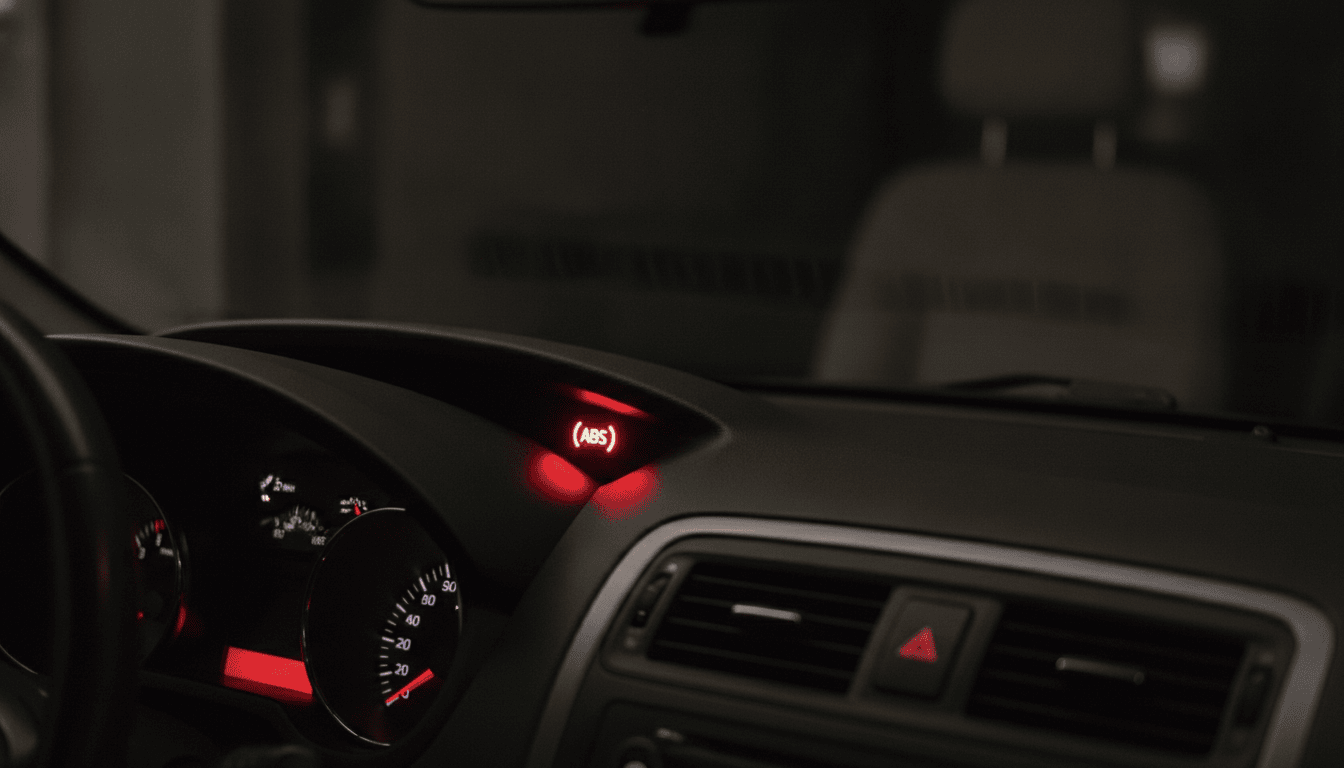
While driving, you may see the ABS light on your dashboard. Seeing an illuminated ABS warning light can stress any driver. You may wonder if your vehicle remains safe or if you should pull over at once.
Your standard stopping power often remains, but the anti-lock braking system may not work during emergency maneuvers. It helps you keep steering control on slick surfaces. Ignoring this alert could weaken your overall brake safety when you need it most.
This guide will help you read these dashboard signals and explain their common causes. It will also cover diagnostic steps, possible repair costs, and key maintenance tips.
If you need professional help, Heaven Automotive at 6645 Poss Rd. San Antonio, TX 78238 can help you. Call (210) 682-3898 to schedule your inspection today.
Key Takeaways
- An active warning indicator suggests a fault in your vehicle’s safety sensors.
- Standard braking usually works, but emergency anti-lock features may be disabled.
- Driving with this system error increases risks during wet or icy road conditions.
- Professional diagnostics are necessary to identify the specific faulty component.
- Regular maintenance helps prevent unexpected failures in your vehicle’s stopping systems.
- Contact Heaven Automotive in San Antonio for reliable repairs and expert advice.
Understanding the ABS Light Mechanism
Have you wondered why your dashboard lights up for a few seconds when you start your car? This brief light is a normal self-check by your vehicle’s computer. It confirms that the system is ready to protect you during your drive.
At Heaven Automotive, we believe knowing the ABS warning light meaning supports responsible vehicle ownership. After its internal check, the light should turn off if no faults appear.
What Does the ABS Light Indicate?
If the light stays on after the engine starts, the computer found a possible issue. Do not ignore it, because your anti-lock system may fail during an emergency stop.
- Brief flash at startup: This is a normal system check.
- Light stays on: This indicates a fault that requires professional inspection.
- Light flickers while driving: This often points to an intermittent electrical connection or sensor issue.
How ABS Works in Your Vehicle
The main goal of anti-lock brakes is to stop wheels from locking during hard braking. This helps you keep steering control during sudden stops on slippery surfaces.
Each wheel speed sensor tracks how fast your tires rotate. The ABS control unit receives this data and manages hydraulic pressure at each wheel. If a wheel may lock, the system quickly changes that pressure.
You may notice a brake pedal pulsation during this process. This steady vibration is normal and shows the system is helping keep your vehicle stable. If it happens without a clear reason, or the warning light stays on, have your brakes checked by a professional.
Common Reasons for the ABS Light to Illuminate
Several mechanical and electrical problems can turn on the ABS warning light on your dashboard. Although anxious feelings are common, knowing the cause helps you make informed vehicle health decisions. At Heaven Automotive, we often find simple wear or environmental exposure behind these issues.
Low Brake Fluid Levels
One common cause of a warning light is low brake fluid. If the reservoir drops below its minimum mark, the system may sense lost pressure. Adding fluid may clear the light briefly, but it can hide a leak in the brake lines.
Faulty Wheel Speed Sensors
Sensors at each wheel track wheel rotation speed. Road debris, moisture, or heavy corrosion near the wheel hub can cause an ABS sensor failure. A damaged tone ring can block accurate readings and make the system shut down for safety.
Electrical Issues in the ABS Module
Sometimes, the problem is electrical, not mechanical. A blown ABS fuse can cut system power and turn on the light at once. In harder cases, the ABS module may have internal faults requiring professional equipment for diagnosis and repair.
| Component | Common Symptom | Potential Cause |
|---|---|---|
| Brake Reservoir | Low fluid warning | System leak or worn pads |
| Wheel Sensor | Erratic ABS behavior | Corrosion or debris |
| ABS Module | System failure light | Electrical short or age |
| Tone Ring | Inconsistent readings | Physical impact or rust |
Implications of Driving with the ABS Light On
When the dashboard lights up, know the risks of driving with an ABS light on. Many drivers think a firm brake pedal means the vehicle is safe. Yet the Anti-lock Braking System helps stop wheels from locking during emergency stops.
Potential Brake Performance Risks
Without working ABS, your vehicle cannot adjust brake pressure on its own. This can cause a longer stopping distance, especially on wet or icy roads. Locked wheels can also cause a loss of steering control around obstacles.
The following risks are common when the system is compromised:
- Reduced traction on slippery surfaces.
- Inability to steer while applying heavy brake pressure.
- Increased risk of skidding during sudden stops.
Legal and Safety Considerations
Know the brake warning light difference. If the red brake warning light appears with the ABS light, pull over at once. This signals total failure of the primary braking system.
An ABS light alone shows a stability system fault and needs expert care from Heaven Automotive.
You may also see the traction control light. Modern vehicles share wheel-speed data among several stability modules. Ignoring these warnings may cause failed state inspections or liability issues after an accident with disabled safety systems.
Long-Term Vehicle Damage Risks
Driving with a warning light can damage other vehicle parts. When the ABS module cannot communicate, other sensors may work harder or use wrong settings. This strain can cause early wear on tires and suspension parts.
At Heaven Automotive, we stress that early action keeps small sensor faults from becoming costly hydraulic repairs. Fixing these issues quickly helps keep your vehicle reliable and safe on every trip.
How to Diagnose the Problem
Use a clear process to find brake system faults. A careful check shows whether you have a small sensor glitch or a serious mechanical failure. Your car’s behavior gives Heaven Automotive useful clues for a faster, more accurate repair.
Listening for Unusual Noises
Your ears can help you find trouble first. Listen for any brake noises while slowing down or stopping. Grinding, squealing, or clicking may mean worn brake pads or a loose part.
Rhythmic clicking at low speeds may point to a damaged wheel speed sensor or cracked tone ring. These sounds help narrow the fault’s location. Note when the noises occur, then share those details with your mechanic.
Checking for Other Warning Lights
Your instrument cluster shows your vehicle’s wider electrical health. When dashboard warning lights appear, check for traction or stability control lights too. These systems share data with the anti-lock braking module, so one fault can trigger several alerts.
Note whether the lights stay on or flicker. Flickering lights may signal loose wiring or a failing connection, not total system failure. Record these patterns before starting digital tests.
Using an OBD-II Scanner
To find the cause, use an OBD-II scanner that supports ABS communication. Many basic readers only check engine data and cannot find anti-lock faults. A professional-grade ABS diagnostic scan can pull exact trouble codes from the module.
Record freeze-frame data before clearing any codes. It shows the vehicle’s exact condition when the error occurred, helping ensure a proper diagnosis. If the scanner names a specific wheel speed sensor, you likely found the culprit.
| Diagnostic Step | What to Look For | Potential Meaning |
|---|---|---|
| Auditory Check | Grinding or clicking | Worn pads or sensor damage |
| Visual Inspection | Multiple warning lights | Shared module or electrical fault |
| Digital Scan | ABS-specific error codes | Component failure or wiring issue |
When to Seek Professional Help
Warning lights alert you before a small issue becomes a serious safety hazard. Some problems seem manageable, but a professional ABS inspection helps keep your vehicle safe and roadworthy. At Heaven Automotive, we believe proactive care supports reliable driving.
Signs You Shouldn’t Ignore
Certain symptoms show that your vehicle needs immediate help from a qualified technician. A soft or spongy brake pedal may signal air in the lines or a failing master cylinder. You should also act if you hear grinding noises, pull to one side, or see several dashboard warning lights.
These symptoms show that your brake system repair needs cannot wait. Ignoring them can cause a total loss of braking power when you need it most. Have a professional check these problems before they become dangerous.
Importance of Timely Repairs
Early ABS warning diagnosis can save you time and money. A small sensor glitch or frayed wire may seem minor, but it can damage costly parts. Quick action can stop a simple electrical fault from becoming a complex mechanical failure.
Timely maintenance helps your anti-lock braking system work as intended during an emergency stop. Our team at Heaven Automotive finds the light’s root cause and provides a lasting solution. We prioritize safety-critical repairs to protect you and your passengers on the road.
Understanding Your Vehicle’s Warranty
Before scheduling service, review your vehicle’s warranty documents. Some brake issues may have manufacturer coverage, or an active recall may address the fault. Knowing your coverage helps you choose the right repair options.
If you are unsure about your warranty, the experts at Heaven Automotive can assess your vehicle’s actual condition. We give clear assessments, so you know what your car needs for peak performance. Your peace of mind is our top priority when it comes to your vehicle’s safety.
Everyday Maintenance Tips for Brake Safety
You can prevent costly repairs with simple, routine checks on your car’s brakes. Consistent brake maintenance helps keep your vehicle safe and reliable during daily commutes.
Regular Brake Inspections
A thorough brake component inspection can find small issues before they become major safety hazards. Check your brake pads for uneven wear or thinning material.
Look for damage to brake lines or frayed wiring near the wheels. Finding these problems early can help prevent a sudden warning light while driving.
Importance of Fluid Changes
A regular brake fluid inspection helps maintain hydraulic pressure in your system. Check the reservoir under the hood. Keep the fluid level between the minimum and maximum marks.
If the fluid level keeps dropping, a leak may need immediate attention. Always look for damp spots or puddles near your wheels. These signs mean your brakes need professional service from Heaven Automotive.
Keeping Brake Components Clean
Road debris, salt, and grime can collect around your brake hardware. Proper ABS sensor cleaning means gently wiping dirt from sensor heads and electrical connectors for accurate data transmission.
Avoid harsh chemicals or high-pressure water on these sensitive parts. They can cause damage. Clean areas help your system work as the manufacturer intended.
| Maintenance Task | Frequency | Key Benefit |
|---|---|---|
| Pad Inspection | Every 5,000 miles | Prevents rotor damage |
| Fluid Check | Every 6 months | Ensures stopping power |
| Sensor Cleaning | During tire rotation | Avoids false warnings |
| Line Inspection | Annually | Detects hidden leaks |
DIY Troubleshooting for the ABS Light
Before using your toolbox, learn which jobs are safe for a home mechanic. DIY ABS troubleshooting can reveal minor issues, but know your limits to protect vehicle safety.
Safety First: Preparing for Checks
Park your vehicle on a flat, stable surface before any inspection. Let the engine and brake parts cool fully to prevent burns. Always wear protective gloves and safety glasses to protect against debris or harsh chemicals.
Use your owner’s manual to find components named in your diagnostic process. It lists exact fluid specifications and fuse locations for your car model. Follow these directions to maintain your braking system’s integrity.
Basic Tools You’ll Need
Gather a few basic items for a careful inspection. A high-quality flashlight helps with a clear sensor wiring inspection in dark wheel wells. You also need hand tools and an ABS-capable OBD-II scanner to read specific error codes.
Keep a clean rag nearby to remove dirt from the brake fluid reservoir. Use the right tools to avoid damaging sensitive parts during your checks. Never force a part that does not move easily.
When to Attempt Repairs Yourself
You can safely perform an ABS fuse check for a simple electrical failure. If the fuse is blown, replace it with one of the exact same amperage. If it blows again at once, stop and seek help from Heaven Automotive.
Limit DIY work to visual inspections and basic fluid maintenance. Opening hydraulic lines or taking apart wheel hubs requires special training and equipment. Experts should handle these repairs to keep your vehicle safe on the road.
| Task Type | DIY Feasibility | Professional Required |
|---|---|---|
| Fuse Inspection | High | No |
| Fluid Level Check | High | No |
| Wiring Inspection | Moderate | If damaged |
| Hydraulic Repair | None | Yes |
Understanding Diagnostic Codes
Dashboard warnings can feel overwhelming, but diagnostic data gives repairs a clear path. When your vehicle triggers ABS fault codes, these signals offer clues, not final answers. Relying only on codes may cause extra costs when technicians miss the real problem.
Common ABS Error Codes
Most systems create codes that point to a general area of concern. For example, a code may suggest one wheel, but it cannot confirm total component failure. These codes help technicians check one circuit or mechanical assembly at a time.
Common codes often show signal problems or communication errors between the computer and brakes. These patterns help our team at Heaven Automotive find likely causes during the first inspection.
How to Interpret Diagnostic Data
Interpreting data means reviewing the vehicle’s electronic history. Technicians study freeze-frame data to see what the car did when the error appeared. This snapshot shows whether the problem happens sometimes or all the time.
A full wheel speed sensor diagnosis requires more than reading a code. We review live data to compare wheel speeds while the vehicle moves. We also test wiring and voltage to ensure the signal reaches the computer clearly.
Importance of Accurate Diagnosis
Accurate diagnosis supports a reliable repair at Heaven Automotive. We do not replace an ABS module or sensor because of one code. By checking mechanical and electrical health, we provide the correct fix the first time.
This careful method prevents unnecessary parts replacement and saves money over time. Our precise work helps you drive confidently, knowing your braking system is restored to factory standards.
| Diagnostic Step | Purpose | Outcome |
|---|---|---|
| Code Retrieval | Identify the fault area | Narrow the search |
| Live Data Review | Monitor sensor output | Detect signal drops |
| Wiring Inspection | Check for corrosion | Ensure connectivity |
| Voltage Testing | Verify power supply | Confirm module health |
The Role of Heaven Automotive
When your dashboard shows an ABS warning, finding a reliable local expert becomes your top priority. At Heaven Automotive, we know your vehicle’s brakes are its most important daily safety feature. We provide complete Heaven Automotive ABS repair services to keep your car safe and responsive.
Expertise in ABS Repair
Modern braking systems are complex and often use many sensors and electronic modules. Our technicians have the training needed to handle these systems with care. Whether a faulty wheel speed sensor or deeper electrical fault causes the issue, our tools find the root cause quickly.
We provide trusted San Antonio brake service beyond simple part replacement. Accurate ABS diagnostics save time and money by helping us avoid unnecessary repairs. Our goal is to restore factory safety standards through careful work.
Our Commitment to Safety
Your safety guides our work, so we never rely on dashboard symptoms alone. We pair advanced scan data with a careful physical inspection of your brake components. This comprehensive approach shows whether the issue involves fluid levels, wiring, or the ABS module itself.
We believe informed drivers are safer drivers. Our team explains what we find during the inspection process. You will know your vehicle’s status before we begin any repair work.
Why Choose Heaven Automotive?
Choosing a local brake repair shop means choosing a partner who cares about San Antonio. We are at 6645 Poss Rd. San Antonio, TX 78238, so dropping off your vehicle is easy. For questions or technician help, call us at (210) 682-3898.
We provide honest, clear service that builds long-term trust. We value your peace of mind and help you return to the road safely.
Cost Factors of ABS Repair
Vehicle upkeep costs matter when a dashboard light appears. Your total abs repair cost depends on your vehicle’s make, the diagnostic work, and the failed part.
At Heaven Automotive, we explain these expenses clearly. Labor access, special programming, and your choice of OEM or aftermarket parts affect the final bill.
Common Expenses You Might Encounter
Technicians first find the root cause. The ABS diagnostic cost usually covers scanning your vehicle’s computer for error codes.
After diagnosis, the hardware involved sets the price. The wheel speed sensor replacement cost is usually lower than a major system failure. The ABS module replacement cost is often higher because the electronic control unit, installation, and system calibration cost more.
Comparing DIY vs Professional Repairs
You may want to do these repairs yourself to save money. Checking wiring or connectors is simple, but professional testing gives accurate results.
DIY mistakes can waste money on parts that do not fix the real problem. Professional technicians replace the right part the first time. This avoids extra costs and helps keep you safe on the road.
Insurance Coverage Implications
Many drivers ask whether insurance covers these repairs. Coverage usually depends on whether a covered event, such as a collision, caused the failure.
Most mechanical failures from normal wear, corrosion, or poor maintenance are the owner’s responsibility. Review your policy or ask your provider if an outside event caused the damage.
| Service Type | Estimated Complexity | Typical Cost Range |
|---|---|---|
| Diagnostic Scan | Low | $80 – $150 |
| Wheel Speed Sensor | Moderate | $200 – $450 |
| ABS Module | High | $600 – $1,500+ |
Benefits of Addressing ABS Issues Promptly
Acting when your ABS light turns on is a smart choice for any car owner. Choosing prompt ABS repair keeps your vehicle ready for changing road conditions. Quick action helps protect you and your passengers from needless risks.
Enhancing Vehicle Safety
Your anti-lock braking system helps prevent wheel lock-up during emergencies. When it works well, it provides safer braking, especially during panic stops on wet or snowy roads. Ignoring the warning light removes this key advantage when you need it most.
Improving Vehicle Performance
Modern vehicles use linked systems that depend on accurate data from wheel speed sensors. When sensors fail, they can hurt your overall vehicle performance, stability control, and transmission shifting logic. Fixing these issues at Heaven Automotive restores communication between your car’s computer and mechanical parts.
Potential Cost Savings
Many drivers worry about the abs repair cost, but waiting can cause more expensive problems. Preventive brake repair helps our technicians fix small sensor issues before they damage the hydraulic pump or control module. Early maintenance can help you avoid repeat diagnostic visits and costly major overhauls.
| Repair Strategy | Safety Impact | Long-term Cost |
|---|---|---|
| Prompt Inspection | High (Full System Integrity) | Low (Preventive) |
| Delayed Action | Low (Increased Risk) | High (Secondary Damage) |
| Ignoring Warning | Critical (System Failure) | Very High (Major Repairs) |
Frequently Asked Questions About ABS Lights
When dashboard lights appear, you may question your next drive’s safety. Many drivers confuse the brake warning light difference and think every icon means failure. Some warnings are minor, but others need quick action to keep you safe.
How serious is an ABS light warning?
You may ask, how serious is ABS light activation? Usually, this warning means your Anti-lock Braking System no longer works as designed. Your regular brakes may still work, but you lose anti-skid protection during emergency stops.
Treat this warning as a priority. Ignoring it can increase stopping distances on slippery surfaces. If the traction control light also glows, both systems may have trouble reading wheel-speed data.
Can I drive safely with the ABS light on?
Many drivers ask, can you drive with ABS light on? The answer depends on your vehicle’s condition. You can technically operate the car, but drive with extreme caution.
Your vehicle will act like an older model without anti-lock features. If you skid, you must manually pump the brakes.
Avoid high speeds and sudden moves until a professional checks the system. If the red brake warning light appears with the ABS light, pull over at once. This combination may signal total hydraulic pressure loss, creating a serious safety hazard.
What are the next steps after the light turns on?
Taking the right ABS next steps protects your peace of mind and your vehicle’s life. First, check your brake fluid level if you feel comfortable. If it is fine, avoid DIY guesses; seek a professional scan to find the failed sensor or module.
For reliable service, contact Heaven Automotive at (210) 682-3898. Our team finds complex electrical faults that trigger these warnings. We work to restore your vehicle’s safety features quickly and efficiently.
| Warning Light | Meaning | Urgency Level |
|---|---|---|
| ABS Light | Anti-lock system fault | Moderate – Schedule soon |
| Traction Control | Wheel-speed sensor issue | Moderate – Check system |
| Brake Warning | Hydraulic/Fluid failure | High – Stop immediately |
Customer Testimonials on Heaven Automotive
When you need reliable San Antonio automotive service, learn what other drivers experienced. We believe transparency builds a strong relationship between mechanics and vehicle owners. Heaven Automotive reviews show how we handle complex problems with care and precision.
Success Stories from Local Drivers
Many clients arrive frustrated by warning lights on their dashboards. One local driver had a faulty wheel speed sensor that caused braking problems at times. We scanned the vehicle, found the wiring fault, and restored factory safety standards.
Another client shared their customer ABS experiences after a complex module failure. We explained the technical data and why the repair was needed for safety. This clear communication helps make us a top choice for trusted brake repair.
Why Our Customers Trust Us
Trust grows through steady work and honest advice. Our team seeks accurate diagnoses instead of quick fixes that miss the root cause. We protect your safety with quality parts and manufacturer-recommended procedures for every brake system.
Commitment to Quality Service
We take pride in our work and the peace of mind we give our neighbors. Whether you need a fluid flush or complex electrical repair, our technicians treat your car like their own. Visit us at 6645 Poss Rd. San Antonio, TX 78238 or call us at (210) 682-3898 to discuss your vehicle needs.
| Service Aspect | Standard Approach | Heaven Automotive Way |
|---|---|---|
| Diagnostic Accuracy | Guesswork | Precision Scanning |
| Communication | Technical Jargon | Clear Explanations |
| Repair Quality | Temporary Fixes | Long-term Solutions |
| Safety Focus | Minimal Effort | Comprehensive Checks |
Keeping Your Brake System in Top Shape
Keeping your car’s stopping power strong takes regular care and checks. Prioritizing brake system maintenance helps your vehicle stop safely and respond well on every drive. At Heaven Automotive, we believe small, steady checks can prevent major mechanical failures later.
Signs Your Brake Pads Need Replacement
Knowing common brake wear symptoms early can help you avoid costly repairs. High-pitched squeals or grinding when you press the pedal may mean your pads are near their limit. These sounds show worn friction material has exposed the metal backing plate to the rotor.
You may feel steering wheel vibrations or a “spongy” brake pedal. Poor stopping performance means you need professional brake pad replacement. Ignoring these signs may damage rotors and greatly raise repair costs.
Importance of Regular Brake Fluid Checks
Your hydraulic system needs clean, full fluid to work correctly. Routine brake fluid checks can reveal leaks before they threaten your safety. If the reservoir level drops, you may have a leak or badly worn pads needing quick attention.
We recommend pairing your brake fluid checks with comprehensive brake pad replacement schedules. This plan helps both conventional brakes and anti-lock functions stay dependable. Regular brake system maintenance keeps your vehicle working at its best.
| Maintenance Task | Frequency | Key Indicator |
|---|---|---|
| Pad Inspection | Every 5,000 miles | Audible squealing |
| Fluid Level Check | Every oil change | Low reservoir level |
| Rotor Assessment | Annual check | Steering vibration |
| System Flush | Every 2 years | Darkened fluid color |
Technology and the Future of ABS Systems
As automotive engineering improves, vehicle safety systems grow smarter. Anti-lock braking began in specialized aircraft to prevent skids during landings. Today, this advanced ABS technology forms a key part of passenger vehicle safety.
Advances in Brake Technology
Modern vehicles connect braking functions with wider safety networks. The biggest advance is electronic stability control, which works with brakes to keep vehicles on course during emergencies. These systems constantly monitor driving inputs to ensure maximum traction on various road surfaces.
These connected features make your car a rolling computer. Technicians must understand several complex parts of vehicle operation to maintain them:
- High-speed software communication between modules.
- Precise hydraulic pressure regulation.
- Real-time data from multiple wheel speed sensors.
- Vehicle-network behavior and diagnostic protocols.
The Importance of Staying Updated
Because modern braking systems are so connected, mechanical repairs alone no longer suffice. A simple brake pad change may require resetting electronic sensors or updating software modules. Without current training, a technician may leave safety features working incorrectly.
Staying current requires more than the right tools. Technicians must understand how different systems communicate. A warning light may show failed communication between sensors and the main control unit. Accurate diagnosis requires knowing how digital signals affect physical braking performance.
Heaven Automotive’s Adaptation to Innovations
At Heaven Automotive, we know that continuous learning supports reliable service. We invest heavily in training our team for the latest ABS innovation and safety protocols. Our goal is to care for your vehicle as a high-end dealership would.
We stay ahead of industry trends, keeping inspections useful for newer models. Our technical expertise and safety focus help keep your vehicle roadworthy during rapid technological change. You can trust us to keep advanced safety systems working at their best.
Schedule Your Appointment with Heaven Automotive
When dashboard lights signal trouble, contact our experts. Ignoring a warning light can cause bigger mechanical problems later. Taking proactive steps helps keep your vehicle safe and reliable.
Simple Steps to Book a Service
First, note the exact pattern of your warning light. Gather your vehicle’s make, model, and year before contacting us. When you call to schedule ABS inspection, these details help our team prepare.
Securing your Heaven Automotive appointment helps us provide an accurate assessment. Mention any unusual noises or symptoms noticed while driving. This helps our technicians complete the diagnostic process faster.
Our Location and Contact Information
We provide high-quality San Antonio ABS repair services for our local community. Our team explains the expected abs repair cost and steps needed to restore your braking performance.
You can find our shop at the following location:
- Address: 6645 Poss Rd. San Antonio, TX 78238
- Phone: (210) 682-3898
Do not wait until a minor issue becomes a major safety concern. Contact us today to book your service and regain peace of mind on the road.
Final Thoughts
Your vehicle uses complex systems to protect you on every trip. An abs light on your dashboard warns that your anti-lock braking system may fail during a sudden stop. Prioritizing ABS safety helps your car respond when you need it most.
Maintaining Reliable Performance
Never ignore a warning light, especially when it appears with a red brake indicator. If both lights glow, pull over safely and seek professional help at once. A careful brake inspection can find hidden faults before they cause danger on the road.
Safe driving requires proactive care for your braking components. You deserve peace of mind each time you turn the ignition key. Trust the experts at Heaven Automotive to restore your vehicle to peak condition.
Visit our shop at 6645 Poss Rd. San Antonio, TX 78238 for an evaluation by our skilled technicians. Call our team at (210) 682-3898 to book your appointment today. Let Heaven Automotive handle your repairs, so you can return to the road with confidence.