


Stepping into your car on a hot Texas afternoon can be really frustrating. When your A/C stops working, your drive becomes unbearable. Understanding why this happens is the first step to feeling comfortable again.
Cooling problems usually come from mechanical or electrical failures. Issues like refrigerant leaks or a broken compressor need a pro to fix. You don’t have to face the heat alone.
For top-notch AC repair San Antonio drivers rely on, check out Heaven Automotive. Our team is at 6645 Poss Rd. San Antonio, TX 78238, ready to help. Call our friendly staff at (210) 682-3898 to book your appointment. Let us make your drives cool and comfortable again.
Key Takeaways
- Hot air from your vents often indicates a mechanical or electrical system failure.
- Early diagnosis prevents more expensive damage to your vehicle’s cooling components.
- Professional inspection is necessary to identify hidden refrigerant leaks.
- Heaven Automotive provides expert diagnostic services at 6645 Poss Rd.
- Call (210) 682-3898 to restore your vehicle’s cooling performance quickly.
Understanding the Mechanics of Your Car A/C System
Your car’s cooling system works by moving heat from inside to outside. It’s a closed-loop system that lowers cabin temperatures. Knowing how it works helps you see why small problems can cause big issues.
The Role of Refrigerant in Cooling
Refrigerant is key to your car’s cooling. It absorbs heat from the air to become an icy gas. This process happens over and over to keep the air cool.
In its liquid form, the refrigerant soaks up heat. As it moves, it turns into a gas, carrying heat away. This essential transformation makes your vents blow cold air.
How the Compressor Functions
The compressor is the heart of your A/C system. It pressurizes the refrigerant and pushes it through the system. Without it, cooling stops.
When you turn on the A/C, the compressor starts. It moves the refrigerant to the condenser. This keeps the cooling flow going. If the compressor fails, cooling stops.
The Importance of the Condenser and Evaporator
The condenser and evaporator manage heat exchange. The condenser is at the front, releasing heat to the outside air. It turns the hot gas back into a liquid.
Then, the liquid refrigerant goes to the evaporator inside your dashboard. It cools the air blowing through it. This continuous cycle keeps your car cool.
Common Signs Your Vehicle A/C Is Failing
Spotting early signs can stop car AC not cold problems from getting costly. Your car often shows signs of trouble before it breaks down completely. Paying attention to these signs can help fix small issues before they become big problems.
Weak Airflow from Vents
When the air from your dashboard feels weak, it might mean a restricted ventilation path. This could be due to a clogged cabin air filter or a failing blower motor. If the fan is loud but the air is weak, there’s likely a blockage.
Strange Odors During Operation
Bad smells, like a musty or damp scent, suggest mold or mildew on the evaporator core. This happens when moisture doesn’t drain right. A burning or chemical smell means there’s an electrical short or refrigerant leak, needing quick help.
Unusual Noises When Engaging the A/C
Grinding, squealing, or rattling sounds when you turn on the A/C are serious signs. These sounds usually come from the compressor, the cooling system’s core. A seized compressor or loose debris in the system can cause these sounds, indicating damage.
| Symptom | Potential Cause | Urgency Level |
|---|---|---|
| Weak Airflow | Clogged Filter/Blower Motor | Moderate |
| Musty Odors | Mold on Evaporator | Low to Moderate |
| Grinding Noises | Compressor Failure | High |
| Burning Smell | Electrical/Wiring Fault | Critical |
The Impact of San Antonio Heat on Automotive Cooling
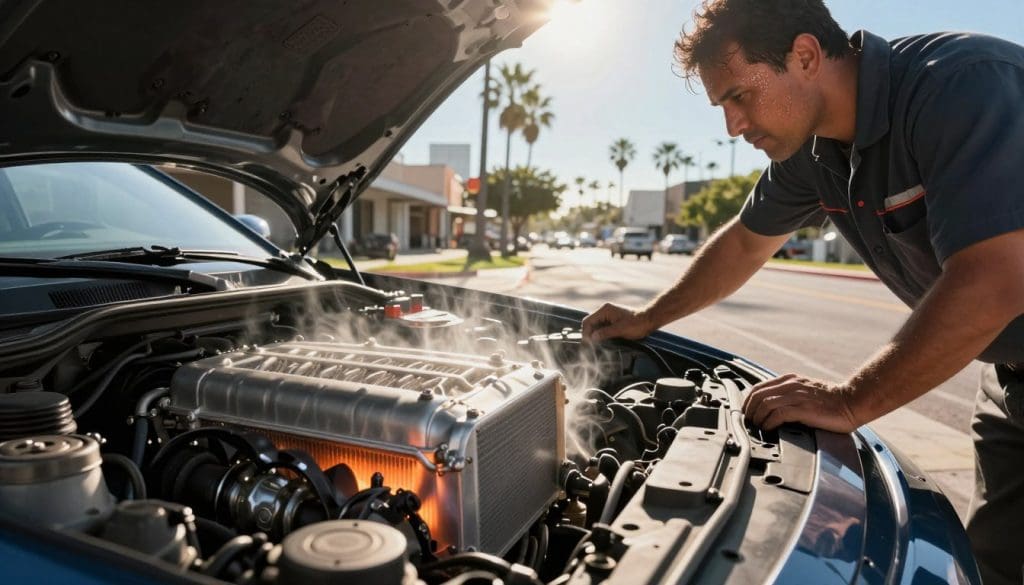
Summer in San Antonio is tough on your car’s air conditioning. The heat makes every part work harder to keep you cool. Understanding these environmental pressures helps keep your vehicle reliable in the heat.
Why High Temperatures Strain Your System
Your car’s cooling system needs a perfect balance to work right. When it’s very hot outside, the condenser has a hard time cooling down. This puts a heavy load on the compressor, making it work longer and harder.
This constant effort wears out seals and hoses faster. If your system is low on refrigerant, the Texas sun can cause it to fail. Heat-related fatigue often leads to sudden A/C failures here.
Preventative Measures for Texas Summers
Protect your car by taking steps before summer hits. Regular checks can catch small problems before they get big. Scheduling a professional check-up in spring ensures your system is ready for the heat.
Here are some easy ways to ease the load on your cooling system:
- Park in shaded spots or use a sunshade to keep the car cooler.
- Open your windows for a minute before turning on the A/C to let hot air out.
- Keep the radiator and condenser fins clean for maximum airflow.
Refrigerant Leaks and Their Consequences
When your car stops cooling, a refrigerant leak is usually the cause. This fluid keeps your car cool by absorbing heat. If it leaks, you’ll need a AC recharge to fix it.
Identifying Signs of a Leak
Look for oily spots around the A/C hoses or connections. This oil leaves a greasy film that attracts dirt. You might also hear a faint hissing sound from the engine bay when it’s running.
Why You Should Never Ignore Low Refrigerant
Ignoring a leak makes your compressor work too hard. This can cause it to fail early. Fixing it quickly keeps your car cool and prevents damage.
Environmental and Safety Risks
Refrigerants can harm the environment if they leak. Modern ones are safer but can damage the ozone layer and air quality. Leaks can also harm other parts under the hood, leading to more problems.
| Symptom | Potential Cause | Risk Level |
|---|---|---|
| Warm air from vents | Low system pressure | Moderate |
| Oily residue on hoses | Seal or O-ring failure | High |
| Hissing noise | Active gas escape | Critical |
| Compressor clicking | Low refrigerant cycling | High |
Expert AC Repair San Antonio Services
When your car’s AC stops working, finding the right AC repair San Antonio service is key. A broken cooling system often hides deeper mechanical problems. These need special tools and training to fix right.
Why Professional Diagnosis Matters
Getting a professional diagnosis is vital. It finds the real problem, not just the symptoms. Many people think a lack of cold air means they need more refrigerant. But, it’s usually not that simple.
Technicians search for hidden leaks, failing compressors, or electrical issues. A simple recharge won’t fix these. Fixing the root cause prevents damage to expensive car parts.
The Risks of DIY Recharge Kits
DIY recharge kits might seem like a money-saver. But, they’re risky. Adding too much refrigerant can damage the compressor early.
These kits can’t accurately measure pressure for different cars. Without the right training, they can be dangerous or damage your AC.
What to Expect During a Professional Inspection
For reliable AC repair San Antonio, trust Heaven Automotive. Our shop at 6645 Poss Rd. San Antonio, TX 78238 has the latest tech.
Our techs do a full check of your cooling system. They look for leaks, test pressure, and check the compressor and fans. Call (210) 682-3898 to book your appointment and get back to comfortable driving.
Compressor Failure and System Blockages
Ignoring your A/C system can lead to a costly repair: a seized compressor. This part is key to keeping your car cool. Without the right pressure, it can’t work right.
If you ignore a refrigerant leak, the compressor’s parts will lose their lubrication. This makes it hard for the compressor to move smoothly.
Symptoms of a Seized Compressor
A seized compressor stops the cooling fluid from moving. You’ll notice a sudden loss of cold air from your vents. This happens even if the fan is working hard.
A refrigerant leak lets moisture and dirt into the system. This can cause the compressor to seize.
Listen for grinding or squealing noises when you turn on the A/C. These sounds mean the compressor’s bearings have failed or the clutch is struggling. If you hear these, stop using the A/C to avoid more damage.
How Debris Affects System Performance
A clean A/C system is essential for its health. Debris in the lines blocks fluid flow. Even a small refrigerant leak can bring in air and dirt, damaging the compressor.
Keeping the system clean helps maintain stable pressure. Blockages make the compressor work too hard, leading to burnout. A clean system protects your investment.
| Condition | Primary Symptom | System Impact |
|---|---|---|
| Healthy System | Consistent cold air | Optimal pressure |
| Minor Leak | Weak cooling | Increased strain |
| Seized Compressor | No cold air | Total system failure |
| Internal Blockage | Erratic airflow | High pressure spikes |
Electrical Issues Affecting A/C Performance
Did you know a small electrical problem can shut down your A/C? Today’s cars use complex electrical circuits for cooling. Even a tiny issue can stop the cold air from flowing. The problem often hides in the electrical paths, not the mechanical parts.
Blown Fuses and Relay Problems
Blown fuses are common but often ignored. They protect the system but can cut power to the A/C compressor and fans. Without power, the cooling cycle can’t start, leaving you hot.
Relays are like switches for the system. If they fail, the compressor won’t turn on. Regular checks of your fuse box can catch these problems early.
Wiring Faults and Sensor Malfunctions
Wiring in your car can wear out over time. Heat, vibrations, and moisture can damage wires. This can cause intermittent performance or total failure. If the signal is broken, the A/C won’t start.
Sensors check the system’s pressure and temperature. Faulty data can shut down the A/C to prevent damage. Our team at Heaven Automotive is highly trained to find and fix these issues, getting your system working again.
The Role of the Cabin Air Filter
A clean cabin air filter is often overlooked in your car’s ventilation system. While many drivers check refrigerant levels, this small filter is critical for air quality and cooling system efficiency.
How Clogged Filters Restrict Airflow
When your cabin air filter gets clogged with dust, pollen, and debris, it blocks air. This blockage reduces air flow through the evaporator, making your dashboard vents noticeably weaker.
A dirty filter also makes your blower motor work too hard. This can cause it to fail early, leading to expensive repairs. A simple filter check can prevent this.
Recommended Maintenance Intervals
Check your cabin air filter every 12,000 to 15,000 miles to keep your A/C system running well. If you drive on dusty roads or live in areas with lots of pollen, change it more often.
Changing this part is easiest and most affordable to keep your A/C blowing strong, cold air. Regular maintenance protects your blower motor and keeps the air in your car fresh and clean all year.
Condenser and Cooling Fan Malfunctions
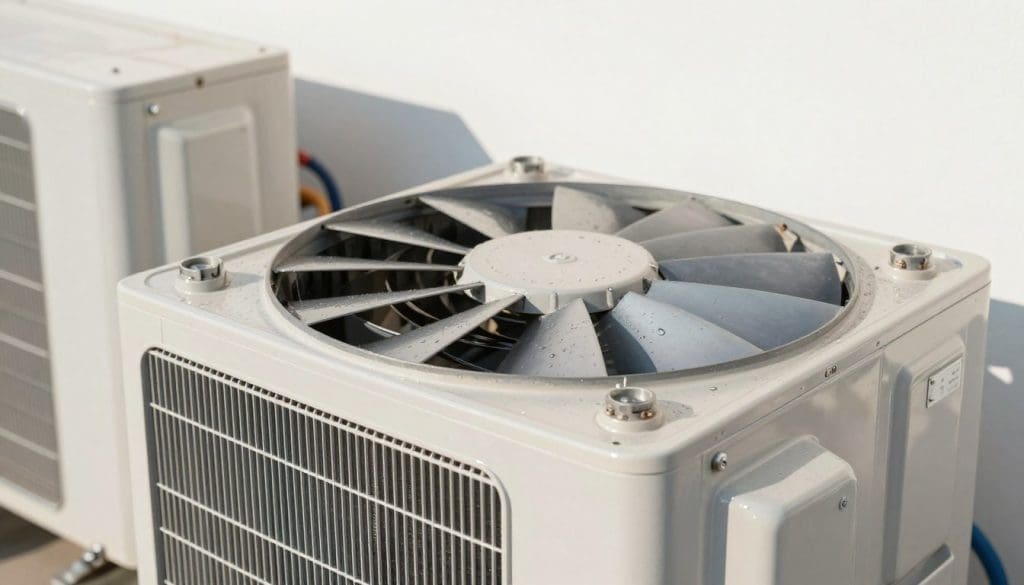
Ever noticed your AC works great on the highway but not at red lights? This is often due to cooling fan or condenser issues. These parts keep your car cool, no matter your speed.
The condenser is at the car’s front. It needs airflow to cool down. At high speeds, wind helps. But in traffic, a fan is needed to keep air flowing.
The Relationship Between Fans and Heat Exchange
The cooling fan is essential for cooling your car. It pulls air through the condenser. This cools the refrigerant, making your car cool.
If the fan doesn’t work, cooling stops. You might feel cool while moving. But, it quickly gets hot again when stopped. This is why your A/C feels off during your drive.
Diagnosing Fan Motor Failures
Spotting a bad fan motor is easy. Check the hood when the engine is on and AC is on. If the fan doesn’t move, it’s likely broken.
Many things can cause a motor to fail. These include blown fuses, damaged wires, or just wear and tear. Professional diagnosis is key to find out what’s wrong. Fixing it early stops overheating and protects other parts.
The Importance of Regular AC Service
Keeping your cool on the road starts with proactive attention to your A/C unit. Scheduling a professional AC service ensures your vehicle stays comfortable, no matter the temperature outside. This way, you avoid the hassle of a sudden system failure.
Extending the Lifespan of Your Components
Routine inspections help technicians spot small issues before they become big problems. Regular AC service keeps critical parts like the compressor and condenser working well. This preventative approach helps your system last longer.
Ignoring small performance issues can lead to a complete breakdown. A well-maintained unit runs smoothly, which is easier on your engine and electrical parts. This ensures your cooling system stays in top shape for years.
Saving Money Through Preventative Care
Many drivers see maintenance as an extra cost, but it’s actually a smart way to save. Fixing a small refrigerant leak during a routine AC service is much cheaper than replacing a compressor later. This way, you avoid expensive emergency repairs and the hassle of being without a car during hot weather.
The following table shows how maintenance can save you money:
| Service Type | Cost Impact | System Reliability |
|---|---|---|
| Routine AC Service | Low (Predictable) | High (Consistent) |
| Emergency Repair | High (Unpredictable) | Low (Risk of Failure) |
| Component Replacement | Very High | Restored |
Putting your vehicle’s health first is a wise financial move. By sticking to regular AC service, you keep yourself comfortable and save money from unexpected car costs.
Common Myths About Car Air Conditioning
Knowing how car cooling systems work can save you from expensive fixes. Many think a simple AC recharge fixes all cooling problems. But, this often hides deeper issues that need a pro’s touch.
Debunking Frequent Recharge Misconceptions
Some believe a car loses refrigerant like fuel. But, a car’s air conditioning is a closed loop. If refrigerant is low, it means there’s a leak in hoses, seals, or the condenser.
Just doing an AC recharge without fixing the leak is just a quick fix. You might get cold air for a bit, but it will leak out again. Ignoring the leak can damage your compressor more.
Why More Refrigerant Is Not Always Better
Some think adding more refrigerant makes air colder. But, this is risky and can harm your car. Too much refrigerant puts too much pressure on the compressor.
Adding too much refrigerant actually decreases cooling efficiency. It stops the system from working right, leading to poor cooling and possible breakdowns. Always follow your car’s manual for the right amount of refrigerant.
| Common Myth | The Reality | Impact |
|---|---|---|
| AC needs regular top-offs | It is a sealed system | Leaks require repair |
| More gas equals colder air | Overcharging hurts performance | System damage |
| DIY kits fix everything | Diagnosis is essential | Safety risks |
What to Do When Your A/C Stops Working Suddenly

When your car AC not cold suddenly, you need a clear plan to address the issue quickly. It is incredibly stressful to lose your cooling system while driving through the intense Texas heat. Staying calm allows you to troubleshoot effectively before the cabin temperature becomes unbearable.
Immediate Steps to Take
First, verify that your climate control settings are adjusted correctly. Sometimes, a simple bump of the dial or a change in the mode selection can disrupt the airflow. Ensure that your vents are fully open and free from any obstructions like loose papers or dashboard items.
Check your vehicle’s fuse box to see if a fuse related to the cooling system has blown. If you notice a burnt fuse, replacing it might provide a temporary fix. But, if the problem persists, you likely have a deeper mechanical issue that requires professional AC service.
When to Seek Professional Assistance
If basic troubleshooting fails to restore cold air, do not attempt to force the system to work. Continuing to run a malfunctioning compressor can lead to expensive, long-term damage. Your comfort and safety are our top priorities when the summer heat peaks.
For reliable AC service, visit the experts at Heaven Automotive. You can find us at 6645 Poss Rd. San Antonio, TX 78238, where our technicians are ready to diagnose why your car AC not cold. Give us a call at (210) 682-3898 to schedule your inspection today.
Conclusion
Driving in San Antonio’s summer heat needs a good cooling system. You want your cabin to stay cool and fresh, no matter the outside temperature.
Looking after your car can save you from big repair costs. Regular checks keep your car running smoothly.
Heaven Automotive is here to help with your cooling needs. Visit us at 6645 Poss Rd. San Antonio, TX 78238. Our skilled team will check your vehicle.
Call us at (210) 682-3898 to schedule your visit. We aim to get you back on the road quickly and comfortably.