

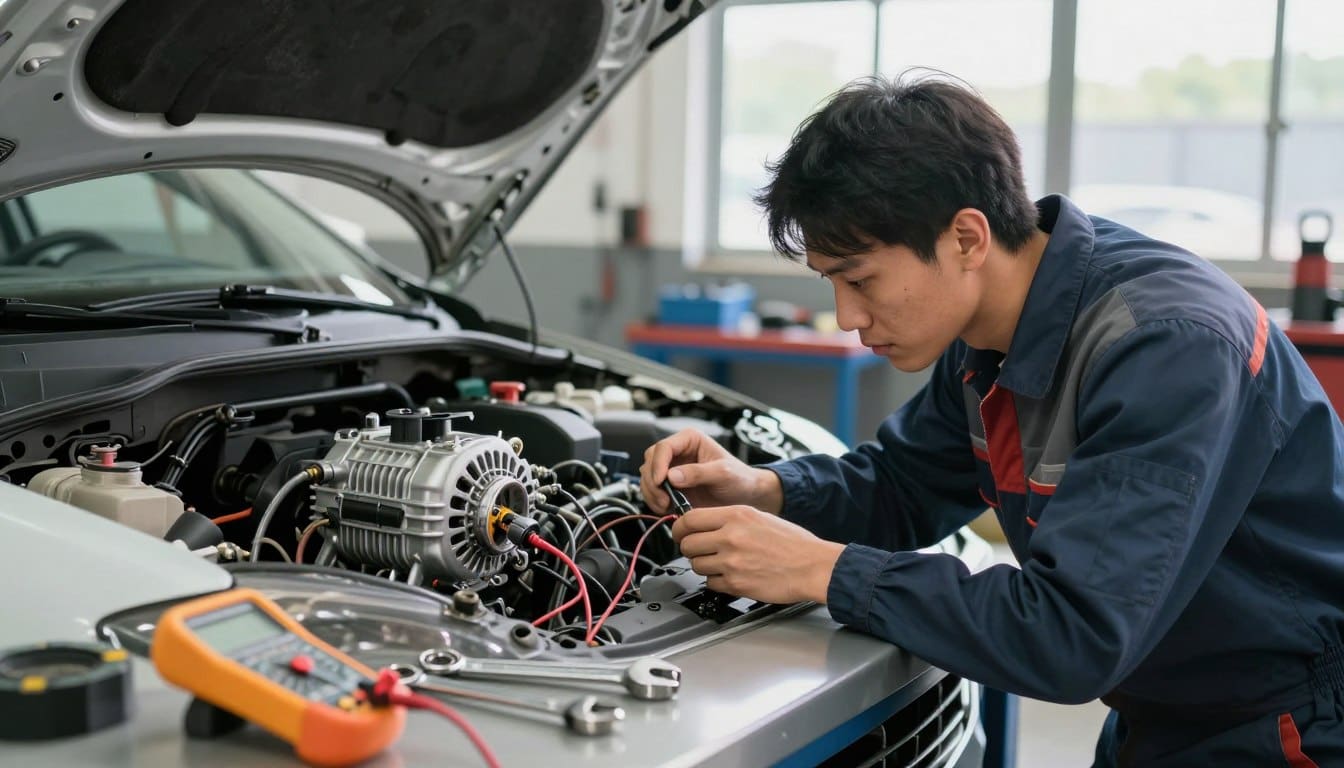
Most drivers know a good battery is key for their car. But, not many realize the charging unit keeps the battery going while driving.
This important part lets you use your radio, lights, and more. Without it, your car would lose power fast and stop in traffic.
If you see flickering lights or hear odd noises, you might need a car charging system repair. Prompt action is key to avoid costly damage to other car parts.
For a top-notch alternator replacement San Antonio folks can trust, contact our experts. Reach out to Heaven Automotive at 6645 Poss Rd. San Antonio, TX 78238 or call (210) 682-3898.
Key Takeaways
- The charging system keeps your car battery fully powered while you are driving.
- It supplies electricity to essential components like headlights and dashboard displays.
- Flickering lights often signal that your internal electrical parts are failing.
- Ignoring early warning signs can leave you stranded with a dead engine.
- Professional inspections help maintain your vehicle’s long-term reliability.
- Modern cars depend heavily on a stable voltage to run complex computer systems.
Understanding the Role of an Alternator
Knowing how an alternator works is key to fixing electrical problems in your car. It keeps your battery charged and powers your car’s electrical systems when the engine is on.
What is an Alternator?
An alternator is like a generator. It turns the engine’s mechanical energy into electrical energy. It supplies power to your car’s electrical systems and recharges the battery.
How Does an Alternator Work?
The alternator uses the engine’s energy to make electrical energy. This happens through electromagnetic induction. The alternator’s rotor and stator work together to create an electrical current.
Importance of a Functional Alternator
A working alternator is vital to stop battery draining issues. It makes sure your car’s electrical parts work well. Without a good alternator, you might see dim lights and other electrical problems.
Here are some reasons why a good alternator is important:
- Prevents battery drain
- Ensures smooth operation of electrical systems
- Reduces the risk of being stranded due to electrical failure
Understanding the alternator’s role helps you spot and fix problems early. This way, you avoid bigger issues later on.
Common Symptoms of Alternator Failure
Knowing the signs of alternator failure is important to avoid damage to your car. A failing alternator can cause many problems. These issues affect not just the electrical system but also your car’s overall performance.
Dimming or Flickering Lights
Dimming or flickering headlights are clear signs of a failing alternator. This happens when the alternator can’t produce enough power. It struggles to support your vehicle’s electrical systems.
Strange Noises from the Engine
A failing alternator can also make strange noises from the engine. These sounds can be grinding or whining. They are caused by worn-out bearings or other mechanical failures inside the alternator.
Electrical Issues and Malfunctions
Alternator failure can cause many electrical problems. These include issues with the car’s charging system. You might see dead batteries or malfunctioning accessories like the radio or wipers.
| Symptom | Description | Possible Cause |
|---|---|---|
| Dimming or Flickering Lights | Headlights dim or flicker, specially when idling or using accessories. | Insufficient power from the alternator. |
| Strange Noises | Grinding or whining noises from the engine area. | Worn-out bearings or internal alternator failure. |
| Electrical Issues | Malfunctions in electrical accessories or dead battery. | Alternator not charging the battery properly. |
If you notice any of these symptoms, it’s time to check your alternator. Ignoring these signs can lead to bigger problems. This could mean a complete breakdown of your vehicle’s electrical system, needing expensive car charging system repair.
Warning Lights on Your Dashboard
Dashboard warning lights tell you if your car has alternator problems. These lights are key signs that your car’s charging system might be off.
Battery Warning Light
The battery warning light is a common sign of alternator trouble. It looks like a red battery on your dashboard. Even if it seems like a simple battery problem, it often points to a bigger issue with the charging system.
If this light turns on, it might mean your alternator isn’t charging your battery right.
Check Engine Light
The check engine light can also hint at alternator problems. Modern cars have complex computer systems that watch over engine performance. If the alternator isn’t working right, it can cause voltage problems that light up the check engine light.
This light can mean many things, but alternator failure is a big possibility that shouldn’t be ignored.
Other Indicators of Alternator Issues
Other dashboard lights might also point to alternator problems. Some cars have special lights for charging system or electrical system issues. It’s important to check your car’s manual to know what each light means.
Here’s a quick guide to common dashboard warning lights related to alternator issues:
| Warning Light | Possible Meaning |
|---|---|
| Battery Warning Light | Alternator not charging the battery properly |
| Check Engine Light | Voltage fluctuations or alternator malfunction |
| Charging System Light | Issue with the charging system, potentially the alternator |
Testing Your Alternator
Testing your alternator is easy and can spot problems early. If you’re not sure if it’s the alternator or battery, a few tests can help.
Voltage Testing with a Multimeter
Using a multimeter to check voltage is a great way to test your alternator. First, set your multimeter to DC voltage. Then, connect it to your battery terminals. A good battery should show about 12.6 volts.
When the engine is on, the voltage should go up to 13.5 to 14.5 volts. This means your alternator is working right.
Steps for Voltage Testing:
- Make sure your multimeter is set to DC voltage.
- Connect the leads to your battery terminals.
- Read the voltage with the engine off.
- Read it again with the engine running.
| Engine Status | Expected Voltage Reading |
|---|---|
| Engine Off | Around 12.6 volts |
| Engine Running | Between 13.5 and 14.5 volts |
Professional Diagnostic Services
If you’re not sure about testing your alternator or if the results are unclear, get professional help. Experts have the tools and knowledge to find and fix alternator problems.
Professional diagnostic services can check your car’s electrical system. They can find any issues that might be affecting your alternator.
When to Seek Expert Help
If you see odd symptoms or your tests show a problem, get expert advice. Ignoring alternator issues can cause bigger problems, like a dead battery or engine failure.
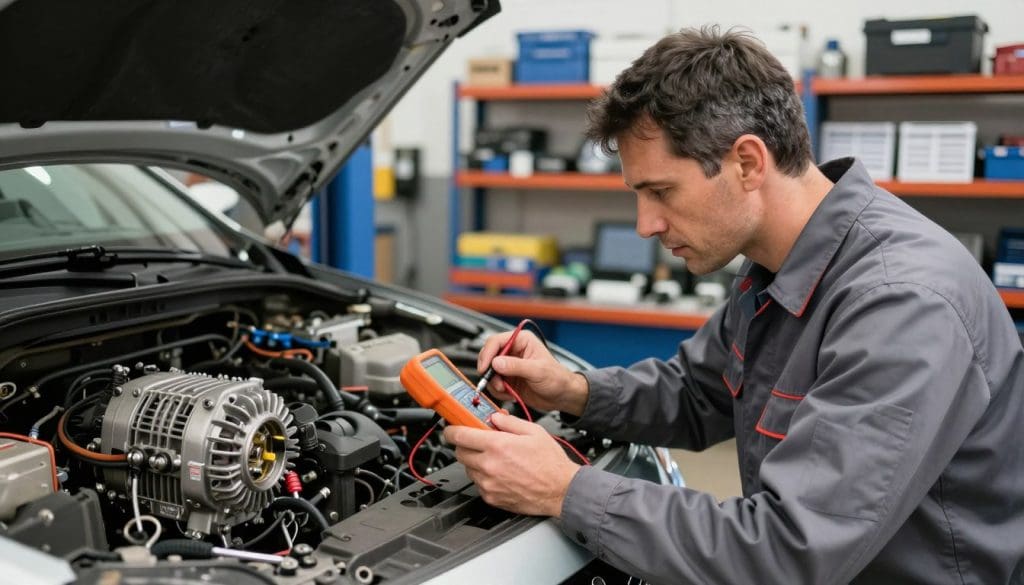
For a car charging system repair, fixing alternator problems quickly is key. You can try a simple voltage test or get a pro’s help. Either way, making sure your alternator works right is important for your car’s health.
Possible Causes of Alternator Failure
Many things can cause an alternator to fail. It’s important to know these causes to prevent problems. This knowledge helps keep your car’s electrical system working well and avoids sudden breakdowns.
Wear and Tear Over Time
Alternators, like all parts, wear out with time. The constant use of their parts can wear them down. Regular checks can spot worn parts early, preventing big problems.
Common signs of wear and tear include:
- Unusual noises from the alternator
- Dim or flickering lights
- Intermittent electrical issues
Damage from External Factors
Things outside your car can also harm your alternator. Extreme temperatures, moisture, and physical damage can all cause problems.
| External Factor | Potential Impact |
|---|---|
| Extreme Temperatures | Overheating or freezing can damage internal components |
| Moisture Exposure | Corrosion can occur on electrical components |
| Physical Damage | Crushing or piercing can cause mechanical failure |
Faulty Wiring or Connections
Bad wiring or connections can make your alternator work poorly or overheat. Keeping electrical connections clean and tight is key for your alternator’s health.
To prevent issues related to wiring or connections, you should:
- Regularly inspect wiring and connections for signs of wear or damage
- Clean any corroded connections
- Tighten any loose connections
Knowing why alternators fail helps you keep your car’s electrical system in good shape. Regular maintenance can make your alternator last longer and keep your car running well.
Risks of Ignoring Alternator Problems
Ignoring alternator problems can lead to serious issues. If your alternator fails, fixing it quickly is key to avoid bigger problems.
A failing alternator can harm your car’s electrical system. This often results in a battery draining issue. If the battery runs out, you might find yourself stuck.
Potential Stranding Situations
A bad alternator can make your car stall or not start. This is a big problem, mainly if it happens in busy traffic or far from help.
Increased Repair Costs
Not fixing your alternator can damage your car’s electrical system more. The longer you wait, the more expensive repairs will be. You might need to replace other parts too.
Impacts on Other Vehicle Components
A failing alternator can affect other car parts. It can cause voltage problems. This might damage things like the engine control unit, radio, or other important systems.
Knowing these risks shows why fixing alternator problems fast is so important. Regular checks and quick fixes can stop these issues. This keeps your car running well.
The Importance of Timely Alternator Replacement
Replacing your alternator on time is key to avoid big problems. It keeps your car’s electrical system running smoothly. If it fails, you could face serious issues.
How Early Replacement Saves Money
Getting a new alternator early can save you money. A bad alternator can mess up other parts, costing more to fix. It can also damage your battery, shortening its life.
Key cost-saving benefits include:
- Avoiding costly repairs to other vehicle components
- Reducing the likelihood of being stranded due to a dead battery or other alternator-related issues
- Preventing damage to the electrical system
Enhancing Vehicle Performance
A new alternator makes your car run better. It’s vital for modern cars that use a lot of electricity. This includes engine control and entertainment systems.
Benefits of a new alternator include:
- Improved engine performance due to a stable electrical supply
- Better fuel efficiency as the engine management system operates correctly
- Reliable operation of accessories like headlights and the radio
Prevention of Further Issues
Replacing your alternator early stops other problems from happening. A failing alternator can cause battery drain and engine stalls. Fixing it early keeps your car running well.
Alternators usually last about 150,000 miles. But, it depends on how you drive and maintain your car. Regular checks can spot issues before they get worse.
Choosing the Right Alternator
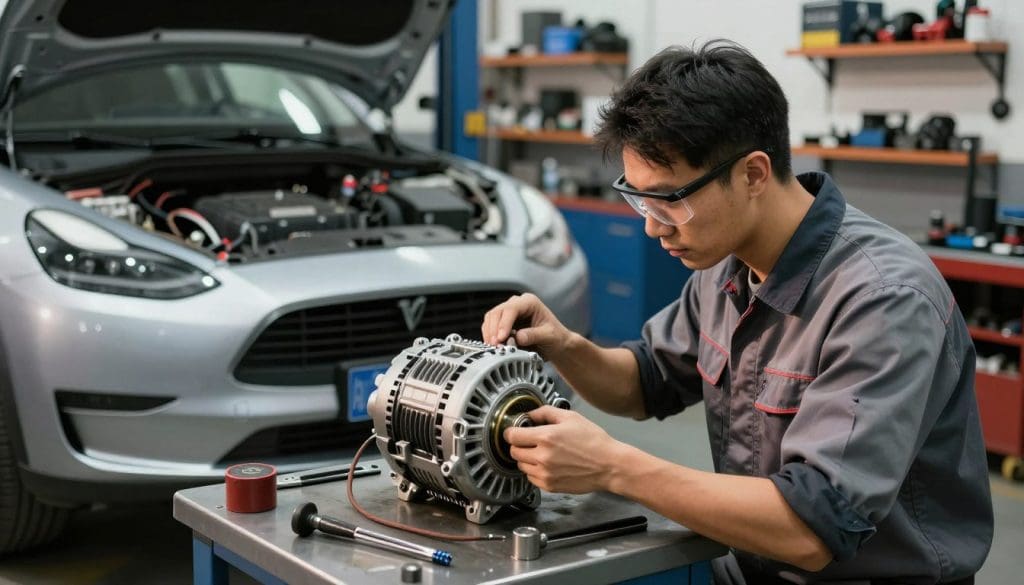
The alternator is a key part of your car’s electrical system. It’s important to pick the right one to avoid problems later. If your alternator fails, get a high-quality replacement that fits your car.
OEM vs. Aftermarket Options
When replacing your alternator, you’ll decide between OEM and aftermarket parts. OEM alternators are made by the car’s original manufacturer. They fit perfectly and work well. Aftermarket alternators are cheaper but may not be as reliable.
But not all aftermarket alternators are the same. Some are as good as OEM parts but cost less. Others might not be as reliable. Always choose a well-known aftermarket brand for quality.
Factors to Consider for Quality
Quality alternators have high-quality internal components and meet your car’s needs. Look for strong bearings and durable electrical parts. The alternator’s output capacity should match your car’s electrical demands.
Reliable brands offer better performance and last longer. Reading reviews can help you understand an alternator’s reliability and performance.
Warranty and Reliability
A good warranty shows an alternator’s reliability. Look for manufacturers with long warranties. This shows they trust their product.
Also, consider the reliability and reputation of the manufacturer. A company known for reliable alternators will offer strong warranties.
If you’re not sure about choosing and installing an alternator, take your car to a mechanic. They can help pick the right one and install it correctly.
DIY Alternator Troubleshooting
Dealing with alternator problems can be done on your own. This approach saves money and helps you understand the issue. It lets you figure out if you need to replace the alternator or get professional help.
Basic Checks You Can Perform
To troubleshoot your alternator, start with some simple steps. First, check your battery. A dead or weak battery can seem like an alternator problem. Make sure the battery terminals are clean and free of corrosion.
Then, look at the serpentine belt that powers your alternator. A worn or broken belt can stop the alternator from working. To get to the alternator, disconnect the battery and take off the serpentine belt.
Tools Needed for Simple Tests
You’ll need a few tools for basic tests. A multimeter is key for checking voltage and the alternator’s output. You’ll also need hand tools like wrenches and pliers to remove the belt and reach the alternator.
Here’s a list of tools you might need:
- Multimeter
- Wrenches
- Pliers
- Socket set
When Not to DIY
DIY troubleshooting is great, but there are times to call a pro. If you’re not sure about car repairs or if you find a complex problem, get a mechanic’s help.
Also, if you see signs like unusual noises or burning smells, don’t hesitate to get expert advice. These signs often mean a bigger issue.
| Signs | Description | Recommended Action |
|---|---|---|
| Unusual Noises | Grinding or whining sounds from the alternator area | Seek professional help |
| Burning Smells | Noticing a burning smell from the engine area | Consult a mechanic immediately |
| Complex Electrical Issues | Multiple electrical components malfunctioning | Professional diagnosis required |
Professional Alternator Replacement Services
Getting your alternator replaced is key to keeping your car running well. A bad alternator can cause many issues, like dim lights or even engine failure. So, it’s important to have a pro do the job.
Why Trust Heaven Automotive?
Heaven Automotive in San Antonio is your go-to for alternator fixes. They have skilled techs and the latest tools. Call them at (210) 682-3898 to book a time.
They know how to work on all kinds of cars. Choosing Heaven Automotive means your car will last longer.
What to Expect During the Replacement Process
At Heaven Automotive, they’ll check your car’s electrical system first. Then, they’ll replace the alternator with quality parts.
The steps are:
- They’ll check your electrical system
- Take out the old alternator
- Put in a new one
- Test it to make sure it works
Benefits of Professional Service
Choosing Heaven Automotive for your alternator fix has many perks. It means the job is done right the first time, saving you money and hassle.
Key benefits include:
- Reliability: You get a reliable fix
- Warranty: They often offer a warranty on parts and labor
- Expertise: Their techs know how to handle tough jobs
If you need an alternator replaced in San Antonio, call Heaven Automotive. They’re ready to help get your car running smoothly again.
Post-Replacement Care Tips
Keeping your alternator in top shape after replacement is vital. It helps avoid battery draining issues and other electrical problems. This ensures your vehicle’s electrical system works well.
Routine Maintenance Recommendations
Regular checks are key to maintaining your alternator. First, inspect the alternator belt. It’s important for transferring power from the engine to the alternator. A worn-out or damaged belt can cause alternator failure.
- Check the belt for signs of wear, such as cracks or frays.
- Ensure the belt is properly tensioned to avoid slippage.
- Replace the belt if necessary, following the manufacturer’s recommendations.
Signs That Indicate Future Issues
Knowing the signs of alternator problems can help you fix them early. Look out for:
- Dimming or flickering lights.
- Strange noises from the engine area.
- Electrical malfunctions, such as issues with the radio or other accessories.
If you see these signs, get your alternator and electrical system checked by a pro.
Keeping Your Alternator in Good Shape
There are ways to keep your alternator running smoothly:
| Practice | Benefit |
|---|---|
| Avoid overloading your electrical system | Reduces strain on the alternator |
| Monitor your battery’s health | Prevents unnecessary strain on the alternator |
| Keep your alternator and surrounding area clean | Prevents overheating and damage |
By following these tips and keeping an eye on your alternator, you’ll have a reliable electrical system in your vehicle.
Frequently Asked Questions About Alternator Replacement
You’ve learned about the importance of a working alternator and its failure signs. Now, let’s tackle some common questions about replacing it. This will help you make smart choices for your car’s charging system repair.
Cost of Alternator Replacement
The cost to replace an alternator varies. It depends on your car’s make and model, plus labor costs. Generally, you’ll spend between $300 to $600 for the job. If you’re in San Antonio, think about getting help from a professional for alternator replacement.
Lifespan of an Alternator
An alternator usually lasts 80,000 to 150,000 miles. This depends on the part’s quality and how you drive. Keeping it well-maintained can extend its life.
Signs a New Alternator Might Be Failing
If your new alternator is failing, you might see dimming lights or electrical problems. These signs are similar to those of a failing old alternator. If you notice these issues, it’s wise to have a pro check your car’s charging system.
If it’s time for an alternator replacement or you suspect issues with your car’s charging system, don’t wait. Contact Heaven Automotive at 6645 Poss Rd. San Antonio, TX 78238 or call (210) 682-3898 for top-notch service.
FAQ
How much does a typical alternator replacement cost?
FAQ
How much does a typical alternator replacement cost?
The cost to replace an alternator varies by car model. For example, a Ford F-150 might cost differently than a BMW 5 Series. Expect to pay between 0 and
FAQ
How much does a typical alternator replacement cost?
The cost to replace an alternator varies by car model. For example, a Ford F-150 might cost differently than a BMW 5 Series. Expect to pay between $400 and $1,000 for parts and labor. At Heaven Automotive, we offer clear pricing for top-notch service without hidden fees.
How long can I expect my alternator to last?
Most alternators last between 80,000 and 150,000 miles. But, your driving habits and weather can affect its lifespan. Regular checks are key to catching problems early.
What are the signs that my new alternator might be failing?
Look out for a battery that drains too fast, dimming dashboard lights, or a battery warning light. If you see these signs, it might be a bad alternator or a loose connection. Bring your car to Heaven Automotive at 1010 Parkway Blvd, or call (555) 123-4567 for a detailed check.
Can I continue to drive if I suspect I have alternator problems?
No, it’s not safe. A failed alternator means your car depends on the battery alone. This will eventually cause your engine to stall. Fixing it quickly prevents damage to your battery and electronics.
How do I know if the trouble is my battery or my alternator?
Watch how your car acts. If it won’t start but runs after a jump, it’s likely a battery issue. But, if it starts then stalls or lights flicker, it’s the alternator. Our team at Heaven Automotive uses special tools to find the problem.
Why should I choose Heaven Automotive for my alternator replacement?
Choosing Heaven Automotive means getting help from experts in electrical systems. We use high-quality parts for reliable repairs. Visit us at 1010 Parkway Blvd or call (555) 123-4567 to book your service today.
,000 for parts and labor. At Heaven Automotive, we offer clear pricing for top-notch service without hidden fees.
How long can I expect my alternator to last?
Most alternators last between 80,000 and 150,000 miles. But, your driving habits and weather can affect its lifespan. Regular checks are key to catching problems early.
What are the signs that my new alternator might be failing?
Look out for a battery that drains too fast, dimming dashboard lights, or a battery warning light. If you see these signs, it might be a bad alternator or a loose connection. Bring your car to Heaven Automotive at 1010 Parkway Blvd, or call (555) 123-4567 for a detailed check.
Can I continue to drive if I suspect I have alternator problems?
No, it’s not safe. A failed alternator means your car depends on the battery alone. This will eventually cause your engine to stall. Fixing it quickly prevents damage to your battery and electronics.
How do I know if the trouble is my battery or my alternator?
Watch how your car acts. If it won’t start but runs after a jump, it’s likely a battery issue. But, if it starts then stalls or lights flicker, it’s the alternator. Our team at Heaven Automotive uses special tools to find the problem.
Why should I choose Heaven Automotive for my alternator replacement?
Choosing Heaven Automotive means getting help from experts in electrical systems. We use high-quality parts for reliable repairs. Visit us at 1010 Parkway Blvd or call (555) 123-4567 to book your service today.