

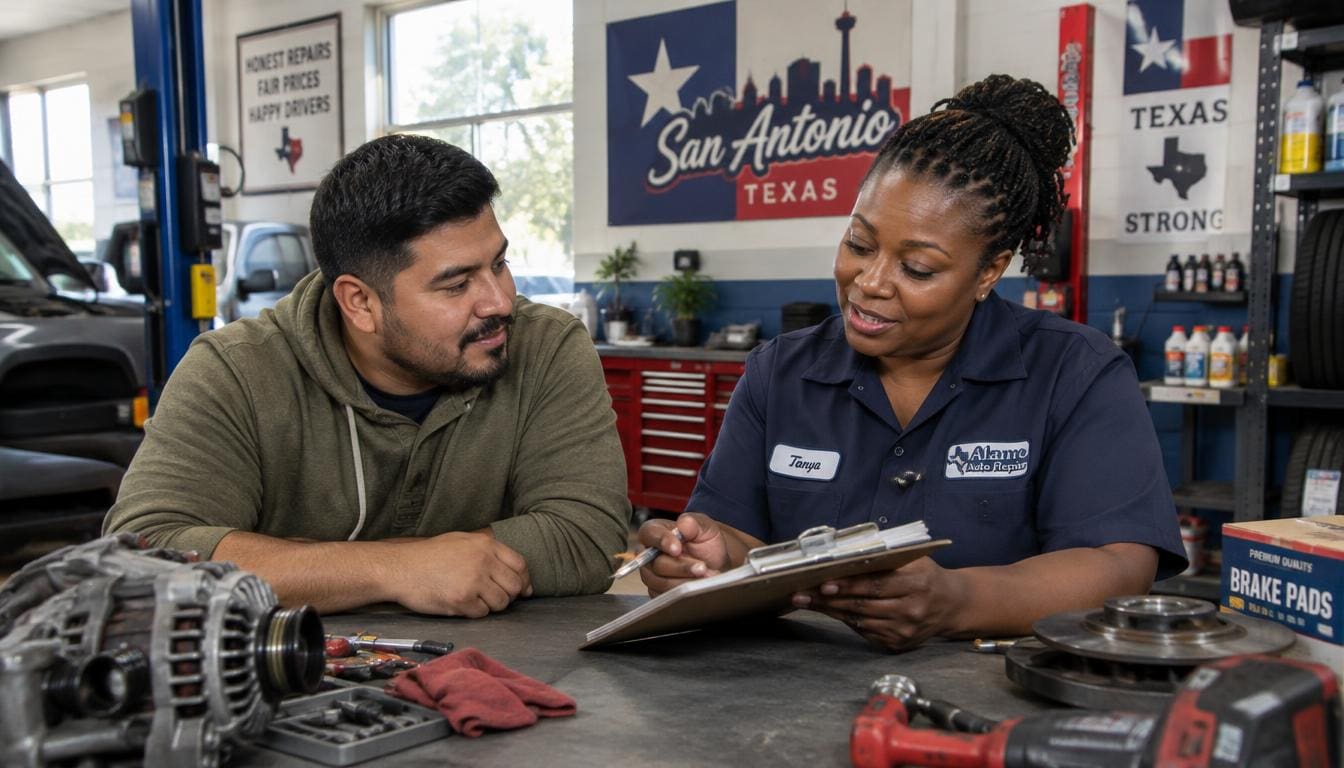
A trustworthy choice is a shop that explains its diagnosis, gets your approval, and documents the agreed work before repairs begin. When you search for auto repair near me in San Antonio, compare how a shop handles your vehicle’s needs, not just its location. A diagnostic trouble code (DTC) is a code stored by a vehicle’s computer that points to a system or condition needing diagnosis.
A code can point to a system, but it does not always identify the exact failed part. You need a mechanic who can explain what testing found and what the proposed work should address. Heaven Automotive is a repair shop in San Antonio that you can contact about your vehicle.
Clear diagnostics, your approval before work, and written repair details are the foundation of a trustworthy choice. Ask questions until you understand the proposed work and what you are agreeing to pay. Keep your vehicle’s maintenance records together so a mechanic can see its repair history.
Key Takeaways
- Choose a shop that explains its diagnostic findings in plain language.
- Keep inspection permission separate from approval for repairs.
- Read the written estimate before you agree to repair work.
- Match the shop’s experience to your vehicle and its repair needs.
- Save estimates, approvals, and final repair records together.
What Makes Auto Repair Near Me a Trustworthy Choice in San Antonio?
A reliable local choice is the shop that can explain how its skills and process fit your specific vehicle and repair. Judge auto repair near San Antonio, TX by fit and clear answers, not a “best” label alone.
The same checks can help you compare auto shops near you, whether you need a routine service or help with a hard-to-find problem. Ask how the shop handles your type of vehicle and repair.
Match the shop to your vehicle and repair
A routine service is usually a good fit for a shop equipped to do that specific work. A complex or specialized concern calls for relevant experience and diagnostic capability.
Dealership service departments, independent shops, and mobile mechanics may suit different jobs. The right fit depends on the vehicle, the repair, and where the work can be done.
| Provider type | Potential fit | What to confirm |
|---|---|---|
| Dealership service department | Make-specific systems or warranty concerns | Experience with your model and repair |
| Independent repair shop | Routine service or common repairs | Equipment and experience for your vehicle |
| Mobile mechanic | Work suited to an on-site visit | Ability to complete the needed job at your location |
Check credentials and communication
Texas does not require a state-issued license for general motor vehicle repair shops. ASE certification is a credential you can ask about when checking a technician’s training.
Ask who will diagnose the vehicle, how the mechanic will explain findings, and whether estimates and approvals will be documented. A clear answer helps you know who is responsible for each part of the repair.
- Relevant experience with your vehicle
- A clear diagnostic approach
- An itemized estimate
- A defined approval process
- A communication plan for updates
Before leaving your vehicle, make sure you know who will contact you with diagnostic findings.
What Can You Authorize Before Diagnosis Begins?
In Texas, a shop can begin repairs after oral authorization, but a written record makes the agreed scope easier to confirm. Permission to inspect or diagnose does not automatically approve repair work.
Your first approval can allow the mechanic to investigate a problem and prepare an estimate. The shop should make clear what activities that inspection permission covers.
Permission to inspect and diagnose
A written inspection authorization should define what the mechanic may do to find the problem and prepare an estimate. It should say whether the mechanic may inspect, test, drive, diagnose, or disassemble the vehicle.
That permission sets the limits of the diagnostic work. It is different from your later approval to carry out repairs.
Oral approval and a written record
Texas law does not require you to sign a document before repairs begin, and you may give authorization orally. A written record helps you and the shop remember what you agreed to.
Keep the types of authorization distinct. Each one gives the shop a different level of permission.
| Authorization type | What it permits | Useful record |
|---|---|---|
| Oral authorization | Agreed inspection or repair work | Date, time, and conversation notes |
| Written inspection authorization | Listed diagnostic steps to prepare an estimate | Signed scope of inspection |
| Written repair authorization | Agreed repair work | Copy of the approved repair terms |
Ask the shop to record any change in scope before the mechanic does more work. Do not treat permission to inspect as permission to perform every recommended repair.
How to Review an Estimate Before Approving Repairs
Before approving a repair, check that the written scope and the costs you are accepting are clear. The estimate and repair authorization should show both the planned work and your payment commitment.
A written repair authorization gives you a chance to confirm the job before the mechanic starts. Read each line and ask how it relates to the diagnosis.
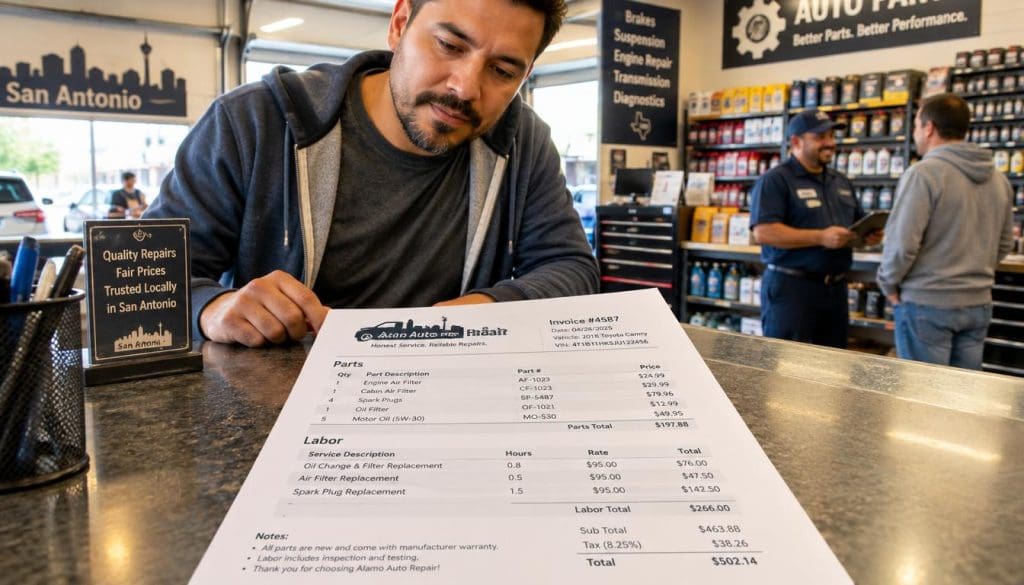
The authorization should identify the work and its expected completion date. It should also state the payment method the shop expects you to use.
Check that parts and labor costs appear as separate, itemized amounts. The document should list storage or other charges and say whether replacement parts are new or rebuilt.
Do not approve wording that leaves the job unclear. A phrase such as “repair as needed” does not tell you which work the shop plans to do.
Ask for clarification if a line is vague, a charge is unfamiliar, or a recommended job is not clearly tied to the diagnosis. You can ask the mechanic to explain each item in everyday terms.
The final amount for your repair depends on the diagnosis, parts selected, labor involved, and any disclosed additional charges. Request the shop’s current, written estimate for your vehicle before you agree to work.
Check that the expected completion date is a target, not a promise of a specific pickup time. If the repair scope changes, ask the shop to explain the change before you approve it.
Keep a copy of the estimate and the authorization that records your approval.
What Texas Consumer Protections Apply to Repair Work?
Texas repair customers have legal protection against specified deceptive practices and work that is not performed in a good and workmanlike manner. The Texas Deceptive Trade Practices–Consumer Protection Act bars several kinds of knowing misrepresentation.
Texas has no laws specifically for auto repair shops, but this consumer protection law applies to deceptive conduct. A shop cannot knowingly misstate which repairs or parts your vehicle needs, claim it supplied work or parts when it did not, or call used or rebuilt goods new.
The Act also bars advertising services without intent to provide them as advertised. Repair work must meet a good and workmanlike standard, which means the mechanic must perform it with reasonable care and skill.
That standard creates an implied warranty, a promise that applies even when it is not written into a separate warranty document. Failing to meet it breaches that implied warranty.
You may sue under the Act in small claims court for up to $10,000. A claim may include repair costs and other damages, such as towing, storage, and rental-car costs.
Before filing suit, you must send the shop a written demand for money damages by certified mail at least 60 days in advance. You must file the lawsuit within two years of the violation.
If you believe a bill is unfair, take practical steps to preserve your position and records:
- Pay while clearly stating that you dispute the cost.
- Keep the estimate, receipts, and repair paperwork.
- Request the old parts, if possible.
- Get a second mechanic’s written inspection report.
A customer considering legal action should follow the required demand and filing deadlines. Save the written demand and proof of certified-mail delivery with the rest of your repair records.
Which Services and Vehicle Expertise Should You Confirm?
A shop’s service list and experience with your vehicle’s technology should match the work you need done. Confirm experience with your specific make, model, and powertrain before booking.
That match matters for routine repairs and for newer vehicle systems. A service name alone does not show whether a shop can handle your particular concern.
Routine maintenance and common repair systems
Ask whether the shop handles the service you need, such as brakes, air conditioning, or transmissions. You can also ask about electrical systems, tires, wheel alignment, oil changes, and check-engine diagnostics.
These service categories involve different tools and skills. Tell the shop what you noticed, such as a warning light, a change in braking, or an unusual sound.
Diagnostics for hybrids and electric vehicles
Hybrid, electric, and plug-in hybrid vehicles use different powertrains and systems. Ask whether the mechanic has experience with your vehicle’s specific make, model, and powertrain.
Consumer Reports’ 2026 reliability survey covered about 380,000 vehicles. Hybrids generally had average or better reliability, while all-electric and plug-in hybrid vehicles had more reliability problems.
Of the 26 ranked brands, 13 of the least reliable models were electric vehicles or plug-in hybrid electric vehicles. None of the listed models was a conventional hybrid.
Those results describe survey findings, not the fate of every vehicle type. Reliability results do not mean every vehicle in a group will have the same problems.
Certified mechanics near you should be judged by relevant training and experience, not by the word “certified” alone. For mobile auto repair near you, confirm that the provider can do the requested work at your location and handle that vehicle system.
Tell the shop the year, make, model, and powertrain when you describe the problem.
Confirm Access and Contact Details Before You Book
A quick call before you set out can confirm whether the location and appointment process suit your plans. An “open now” listing does not confirm that a shop can take your vehicle or do the work you need.
An auto repair shop open now near you may not have room for your car or the right setup for its issue. Call before traveling to ask about an appointment and the work your vehicle needs.
An auto repair shop near you within 5 miles may still be a poor fit for your trip. Check the route and location that work for your plans instead of assuming distance means availability.
Heaven Automotive is at 6645 Poss Rd., San Antonio, TX 78238. You can call (210) 682-3898 to ask about an appointment and explain the work your vehicle needs.
Have your vehicle’s year, make, model, and a short description of the issue ready when you call.
Conclusion
Choose the shop that explains the work and records what you approve. Clear diagnostics and written repair terms help you understand what the mechanic plans to do.
Your approval should match the work listed in the repair documents. Keep those records so you can refer to the agreed scope and payment terms later.
When a shop’s process fits your needs, contact it to discuss your vehicle and arrange an appointment. Hire Heaven Automotive to fix your vehicle.