

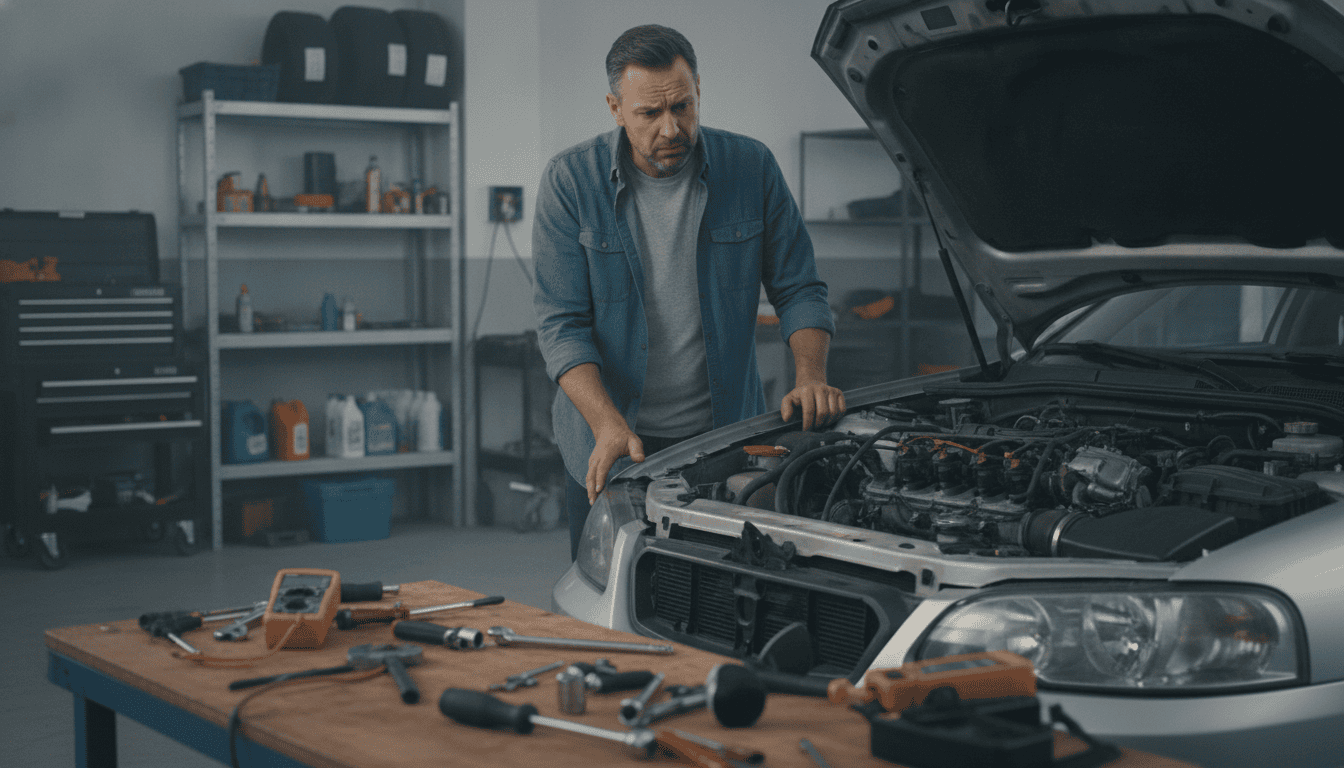
Does your vehicle visit the pump more often than usual? A sudden fuel efficiency drop often signals that your car needs professional attention. Driving habits matter, but mechanical issues often cause unexpected performance changes.
Knowing poor fuel economy causes helps protect your vehicle’s health. Worn tires and faulty sensors can create small problems that lead to costly repairs. Finding the cause of bad gas mileage early saves time and money.
If you live in San Antonio, Heaven Automotive can help. Visit us at 6645 Poss Rd, San Antonio, TX 78238, or call (210) 682-3898 for a professional diagnosis. We help keep your car running smoothly and efficiently.
Key Takeaways
- Sudden changes in consumption often indicate underlying mechanical problems.
- Ignoring minor efficiency issues can lead to costly future repairs.
- Common culprits include tire pressure, ignition components, and sensor failures.
- Regular maintenance is the best way to prevent performance degradation.
- Heaven Automotive provides expert diagnostic services for San Antonio drivers.
Understanding Bad Gas Mileage
If your fuel gauge drops faster than usual, compare its performance with your vehicle’s history. Bad gas mileage has no universal number because each car model has different engine requirements and weight specifications.
Set a personal baseline using your usual driving routes, rather than comparing your car with others. If you suspect a fuel efficiency drop, track fuel use over several fill-ups. This confirms a lasting change, not traffic or weather effects.
What Is Considered Bad Gas Mileage?
A sudden performance decline often signals an underlying mechanical issue needing professional attention. Consult the experts at Heaven Automotive. The shop is at 6645 Poss Rd., San Antonio, TX 78238.
You can reach their team at (210) 682-3898 to discuss your concerns. They can determine whether your fuel efficiency drop comes from a simple maintenance oversight or a complex engine problem.
How Your Driving Habits Affect Fuel Efficiency
Your daily driving style strongly affects how much fuel your engine consumes. Practicing gradual acceleration and steady speeds can significantly improve your overall economy. Anticipatory braking, which means slowing early instead of slamming brakes, preserves momentum and saves fuel.
Wheel condition also matters. Many drivers overlook how underinflated tires add rolling resistance and make the engine work harder. Even if your dashboard warning light has not triggered, underinflated tires can quietly drain fuel reserves over time.
Common Signs of Decreased Mileage
Your vehicle can show health changes through performance shifts and dashboard alerts. If you visit the gas station more often, watch how your car behaves on the road. Ignoring these warnings can cause costly mechanical failures, not just poor fuel efficiency.
Warning Lights on Your Dashboard
A glowing check engine light means your vehicle’s computer found a problem. A faulty oxygen sensor may cause it by mismanaging the fuel-to-air ratio. A sluggish response or dirty air filter may mean your engine struggles to breathe and burn fuel efficiently.
Do not guess when a warning light appears. Bring your vehicle to Heaven Automotive, at 6645 Poss Rd. San Antonio, TX 78238, for a professional diagnostic scan. Call (210) 682-3898 to schedule an inspection before the issue worsens.
Unusual Engine Noises
Your ears can also help you find trouble beyond dashboard lights. Rough idling, stalling, or sudden power loss show that your engine is not running well. These symptoms often point to internal combustion issues that waste fuel and reduce your overall driving range.
Sometimes, the trouble comes from the wheels, not the engine. A dragging brake caliper creates resistance, so your engine works harder to keep speed. Check for one unusually hot wheel, strange smells, or grinding sounds after a drive. Contact the experts at Heaven Automotive immediately to stay safe on the road.
Causes of Bad Gas Mileage: Fuel System Issues
Your vehicle needs a steady fuel flow for strong performance and good efficiency. When your car uses more gas than usual, the fuel system may be the main cause. Finding these poor fuel economy causes early can help you avoid costly repairs later.
If you live near San Antonio, contact the experts at Heaven Automotive at 6645 Poss Rd. The shop is located in San Antonio, TX 78238 and can diagnose these complex issues. Call their team at (210) 682-3898 to schedule a professional inspection of your fuel delivery components.
Clogged Fuel Filter: Symptoms and Solutions
A clogged fuel filter blocks fuel from reaching your engine. As it traps debris, it restricts flow and makes the engine work harder. This added strain can quickly lower your miles per gallon.
Common symptoms include hard starting, hesitation when you press the gas pedal, and occasional stalling. If your vehicle feels sluggish during acceleration, the filter may not provide steady pressure for efficient combustion. Replacing a restricted filter is simple and often restores your vehicle’s original performance.
Failing Fuel Pump: How It Affects Performance
A failing fuel pump can hurt fuel efficiency as much as a dirty filter. When the pump cannot hold the right pressure, the engine may get fuel unevenly. This causes poor combustion and lowers overall fuel economy.
Along with pump issues, dirty or leaking fuel injectors can disrupt the spray pattern needed for a clean burn. If injectors clog, they cannot atomize fuel correctly, wasting energy. A professional fuel-pressure and flow test can show whether the pump or injectors cause the problem.
| Component | Primary Symptom | Impact on Mileage |
|---|---|---|
| Fuel Filter | Hesitation | High |
| Fuel Pump | Hard Starting | Moderate |
| Fuel Injectors | Rough Idle | High |
Always get a diagnostic test before replacing expensive parts. Isolating the failure helps ensure you pay for the correct repair. A professional shop can help your vehicle return to peak efficiency quickly.
Engine Performance Problems
When your vehicle uses more fuel than usual, the cause often lies in the combustion process. Your engine needs a precise mix of air, fuel, and spark to make power efficiently. If these parts fall out of sync, fuel economy suffers as the system works harder.
Ignition System: Spark Plugs and Coils
The ignition system lights the fuel mixture inside your cylinders. Worn spark plugs can cause incomplete combustion, making the engine burn more fuel to maintain speed. Failing ignition coils may also stop the spark from arriving at the right time.
This timing problem often causes an engine misfire, sending unused fuel through the exhaust. If acceleration feels rough or the check engine light flashes, seek professional help at once. Visit Heaven Automotive at 6645 Poss Rd. San Antonio, TX 78238, or call (210) 682-3898 for a diagnostic check.
Air Filters: When to Replace
Your engine needs a steady supply of clean air to mix with fuel and work well. A dirty air filter can block airflow, making the engine run “rich” and use too much fuel. Modern vehicle computers may adjust for this, but a clogged filter still strains your engine.
Follow your manufacturer’s recommended replacement interval to keep your vehicle running smoothly. If you often drive in dusty or harsh conditions, inspect the filter more often. Regular maintenance helps your engine breathe easily and preserve fuel efficiency over the long term.
Transmission Issues Impacting Mileage
When your car feels sluggish or uses more fuel than usual, the transmission may be the hidden culprit. This system transfers power from the engine to the wheels. Any inefficiency forces the engine to work harder than necessary.
Slipping Transmission: Signs You Should Know
A transmission slipping problem occurs when gears fail to engage, making the engine rev high without raising vehicle speed. This often points to a failing torque converter, which struggles to transfer power, wasting fuel and raising RPMs.
You might notice the car shuddering during acceleration or a clear delay when shifting into gear. If the engine races while speed stays constant, the transmission may lose power through internal slippage.
Fluid Leaks and Their Effects
A transmission fluid leak is serious and can quickly cause major mechanical failure. When fluid levels drop, internal parts lose needed lubrication and cooling. This causes excess friction and heat.
You may smell a sweet, burning odor or see red spots on your driveway. Distinguish this from a dragging brake caliper, which also makes the vehicle feel heavy and lowers mileage. A brake issue usually creates heat at the wheel hub, not the transmission housing.
If you suspect these issues, do not wait for them to worsen. Driving with low fluid can turn a simple repair into a complete transmission rebuild. For expert diagnostics and repairs, visit Heaven Automotive at 6645 Poss Rd. San Antonio, TX 78238, or call (210) 682-3898 to schedule an inspection today.
Tire Problems and Fuel Efficiency
A sudden drop in gas mileage may point to a hidden tire problem. Many drivers do not know that tire condition affects how much fuel the engine burns. Proper maintenance protects your safety and your wallet.
Underinflated Tires: The Hidden Costs
When tires have low air, they flex more against the road. This flexing creates strong rolling resistance and makes the engine work harder. As a result, your tire pressure and MPG suffer, and the vehicle burns more fuel to overcome this drag.
Check cold tires for an accurate reading, then use the manufacturer-recommended PSI on the driver-side door jamb sticker. Do not use the tire sidewall’s maximum; it is not for everyday driving. Filling underinflated tires properly is a simple way to boost efficiency.
Misalignment: Causes and Consequences
Beyond air pressure, your wheel alignment affects how your car handles the road. When wheels point the wrong way, they create friction that acts like a brake. This causes uneven tire wear and makes the engine fight extra resistance.
Watch for a crooked wheel, pulling to one side, or drifting straight; have a professional inspect it. For expert help, visit Heaven Automotive at 6645 Poss Rd. San Antonio, TX 78238, or call them at (210) 682-3898. Proper wheel alignment helps your car roll smoothly and saves money at the pump.
Exhaust System Blockages
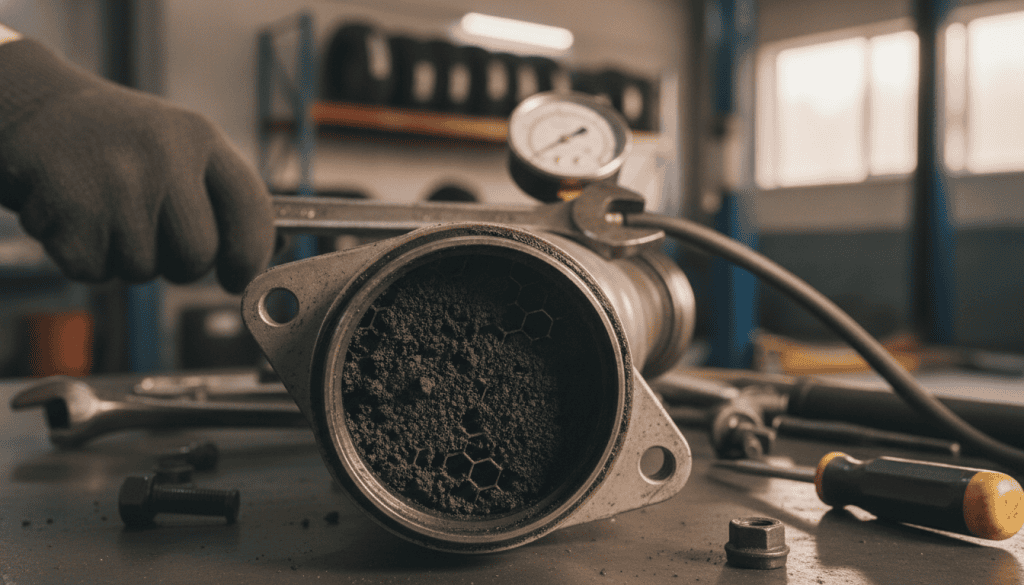
When your car feels sluggish, the problem may hide inside the exhaust system. An exhaust blockage limits gas flow and makes the engine work much harder. This added engine backpressure keeps the motor from breathing well and lowers fuel efficiency.
Catalytic Converter Issues That Lower Mileage
A clogged catalytic converter often causes power loss. When it fails, trapped exhaust gases can reduce power during acceleration. You may smell a sulfur-like odor or find dangerously hot exhaust pipes.
Unresolved ignition misfires often cause these failures. Unburned fuel can enter the exhaust and melt the converter’s inner structure. Before replacing it, ask a professional to test for a faulty sensor or ignition issue.
Muffler Problems: Symptoms to Recognize
Internal muffler problems can add strong resistance to the exhaust path. Over time, baffles may collapse or rust, causing a sudden rise in engine backpressure. Rattling sounds or less top-end power may point to the muffler.
If you notice these issues, contact the experts at Heaven Automotive. Visit 6645 Poss Rd. San Antonio, TX 78238 or call (210) 682-3898 for a professional inspection. They can help determine whether the exhaust system causes your poor gas mileage.
| Symptom | Potential Cause | Impact on Vehicle |
|---|---|---|
| Sluggish Acceleration | Exhaust Restriction | Reduced Fuel Economy |
| Sulfur Odor | Catalytic Converter Failure | Emissions System Damage |
| Rattling Noise | Damaged Muffler Baffles | Increased Backpressure |
| High Exhaust Heat | Clogged Converter | Engine Performance Loss |
The Role of Engine Oil in Gas Mileage
If gas mileage drops, the cause may be in your engine’s oil pan. High-quality engine oil does more than lubricate moving parts; it reduces friction and controls heat.
The right lubricant seals piston rings against cylinder walls and helps the engine run efficiently. Without it, the engine works harder and uses more fuel.
Importance of Regular Oil Changes
Following a steady oil change interval helps protect your vehicle’s performance. Over time, oil breaks down and gathers contaminants. This sludge makes the engine overcome more resistance and burn more fuel.
Neglected oil services can cause major efficiency loss and long-term mechanical wear. Visit the experts at Heaven Automotive, located at 6645 Poss Rd. San Antonio, TX 78238. Call their team at (210) 682-3898 to schedule your next service.
Types of Oil That Improve Efficiency
Choosing the correct manufacturer-recommended oil helps maintain your car’s fuel economy. Many drivers think thicker oil protects older vehicles better. However, it can create drag and lower miles per gallon.
Instead, use a high-quality fuel-saving oil that meets your engine’s needs. Consider these factors when choosing your next supply:
- Viscosity: Always follow the weight specified in your owner’s manual to ensure smooth operation.
- Formulation: Synthetic blends often provide better thermal stability than conventional options.
- Certification: Look for the API “Starburst” symbol, which indicates the oil meets current energy-conserving standards.
Choose the right engine oil and follow your oil change interval to keep your vehicle efficient. Always follow your manufacturer-recommended oil guidelines for the best results from your fuel-saving oil choices.
Effects of Weight on Fuel Consumption
Carrying excess vehicle weight is a silent killer of fuel efficiency. Every extra pound makes your engine work harder, especially while accelerating or climbing steep hills.
A weighed-down car needs more energy to keep its speed. This higher demand raises your fuel consumption, so you visit gas stations more often.
Carrying Excess Weight: How It Impacts Mileage
Many drivers treat their trunks like mobile storage units. Heavy tools, sports equipment, and unnecessary emergency supplies add significant cargo weight over time.
Weight-related losses often build slowly, but stop-and-go city driving makes them clear. If you worry about your vehicle’s performance, contact the experts at Heaven Automotive. They are located at 6645 Poss Rd. San Antonio, TX 78238, and can assess your car’s health. Call them at (210) 682-3898 for professional advice.
Roof Racks and Other Accessories to Avoid
External accessories like roof racks and cargo boxes are useful, but they create major air resistance. Even empty, these carriers disturb airflow and make your engine overcome extra drag.
For best efficiency, remove these accessories when a trip does not need them. Stay within your vehicle’s recommended payload and towing limits to avoid extra drivetrain strain.
Keeping your vehicle light and removing unused roof racks can improve overall fuel consumption. Managing your cargo weight is a simple way to help your car run efficiently.
Aerodynamics and Fuel Efficiency
Your vehicle’s shape greatly affects how much fuel you use on open roads. As speed rises, air resistance against your car grows. This force, called aerodynamic drag, makes the engine work harder and lowers overall fuel efficiency.
Spoilers and Modifications: Are They Worth It?
Many drivers consider adding aftermarket parts to improve their cars’ looks or performance. However, most vehicle modifications like large spoilers, roof racks, or cargo boxes disrupt the smooth flow of air. These additions often increase drag, which can cancel any expected performance gains.
For a long highway trip, remove unnecessary exterior equipment. Smooth acceleration and moderate speeds usually save more fuel than cosmetic upgrades.
If your car struggles, visit the experts at Heaven Automotive at 6645 Poss Rd. San Antonio, TX 78238. Or call (210) 682-3898 for a professional inspection.
Open Windows vs. Air Conditioning: Fuel Impacts
A common debate among drivers is how to stay cool without wasting gas. At lower speeds, open windows have little effect on your fuel efficiency. At highway speeds, however, open windows create turbulence and increase drag.
At high speeds, using your air conditioning MPG is more efficient, depending on your vehicle’s design and outside temperature. Keep your car running well by having the team at Heaven Automotive service the cooling system regularly. Small, informed driving changes can improve daily fuel use.
Electrical System and Its Role in Performance
Slipping gas mileage may point to a problem in your car’s electrical system. Your vehicle works like a computer, and this system guides engine performance. When parts stop communicating, the engine struggles to stay efficient.
Battery Health: Importance for Fuel Efficiency
Many drivers overlook battery health when they investigate poor fuel economy. A weak battery makes the alternator work harder to charge the system, adding engine load. This extra strain cuts driving power and increases fuel use.
If your car starts poorly or its lights dim, have the charging system inspected. At Heaven Automotive, located at 6645 Poss Rd. San Antonio, TX 78238, technicians can test your system. They can check whether it drains fuel efficiency. Call (210) 682-3898 to schedule a professional diagnostic check.
Faulty Sensors and Their Impact on Mileage
Modern engines need a precise air-fuel balance, managed by a network of faulty sensors. The oxygen sensor checks exhaust gases, helping the computer adjust the fuel mix in real time. Wrong data can make the engine run too rich, wasting fuel on every mile.
Likewise, the mass airflow sensor measures incoming air and sets the correct fuel injection amount. If dirty, this part needs a specialized spray and careful handling to prevent damage. Don’t replace parts after a warning light; scan stored trouble codes and use live data to find the cause.
Cold Weather and Its Effects on Gas Mileage
Winter brings challenges that can lower gas mileage. Many drivers notice lower winter fuel efficiency as temperatures fall and wonder why cars use more fuel.
These changes have clear causes, and understanding them can help you care for your vehicle. If your car never reaches normal operating temperature, visit Heaven Automotive at 6645 Poss Rd. San Antonio, TX 78238. Or call us at (210) 682-3898 for a professional inspection.
How Temperature Affects Engine Performance
Cold starts need significantly more fuel because engine oil is thicker and internal friction is higher. Your vehicle’s computer compensates by running a richer fuel mixture until the engine reaches ideal temperature.
Short trips hurt your cold weather MPG because the engine rarely has time to warm fully. This causes a greater mileage loss than longer highway drives, where the engine stays at a steady, efficient temperature.
Winter fuel blends often contain different additives that slightly lower energy density. If your engine stays below normal operating temperatures, it might have a faulty thermostat or bad coolant-temperature sensor. These faults disrupt your seasonal fuel consumption.
Driving Tips for Cold Weather Conditions
To improve your winter fuel efficiency, avoid letting your car idle for long periods. Modern engines warm up faster when you drive gently than when they sit in the driveway.
Combine errands into one longer trip to keep the engine warm. This helps stabilize your seasonal fuel consumption and reduces time in the inefficient cold-start phase.
Finally, watch your tire pressure because cold air lowers it naturally. Properly inflated tires reduce rolling resistance and help maintain better cold weather MPG. Always prioritize a smooth engine warm-up by driving slowly for the first few miles.
Seasonal Changes and Maintenance Needs
Adapting your vehicle to each season helps maintain optimal fuel efficiency. Consistent seasonal maintenance keeps your engine from working harder against weather-related stress. Staying ahead of weather protects your wallet from hidden poor-performance costs.
Preparing Your Vehicle for Summer
Effective summer car care starts with a full inspection of your cooling system and air conditioning. High temperatures can strain your engine, so check belts and coolant levels to help prevent overheating. Also inspect your dirty air filter; summer dust can clog it, restrict airflow, and waste fuel.
If your vehicle struggles in the heat, visit the experts. You can schedule a full checkup at Heaven Automotive, located at 6645 Poss Rd. San Antonio, TX 78238. Call (210) 682-3898 to ensure your car is ready for the road ahead.
Winterizing Your Car: Fuel Efficiency Considerations
When temperatures drop, the process of winterizing a car becomes essential for protecting gas mileage. Cold air lowers tire pressure, often causing underinflated tires that increase rolling resistance. Check tire pressure often to prevent extra fuel use during colder months.
Your battery health and engine oil viscosity affect how your car handles winter work. A dirty air filter can also hurt performance during cold starts. Prioritize seasonal maintenance, and watch dashboard alerts for underinflated tires, a common cause of sudden efficiency drops.
When to Seek Professional Help
Seek expert help when simple maintenance does not fix a lasting fuel efficiency drop. Ignoring warning lights, fuel odors, or engine misfires can cause costly damage over time.
Recognizing the Need for Expert Diagnosis
A professional auto repair shop can find complex problems that are hard to spot at home. A faulty oxygen sensor or dragging brake caliper may be among poor fuel economy causes requiring special tools. Record your fuel use over several fill-ups and note recent changes in your car’s performance.
The Value of Consistent Vehicle Care
Sharing these details helps a technician find the source of your bad gas mileage quickly. Regular inspections stop minor wear from causing major mechanical failures. Hire Heaven Automotive to fix your vehicle at 6645 Poss Rd. San Antonio, TX 78238. You can reach their team for an appointment by calling (210) 682-3898 to keep your car running at peak performance.