

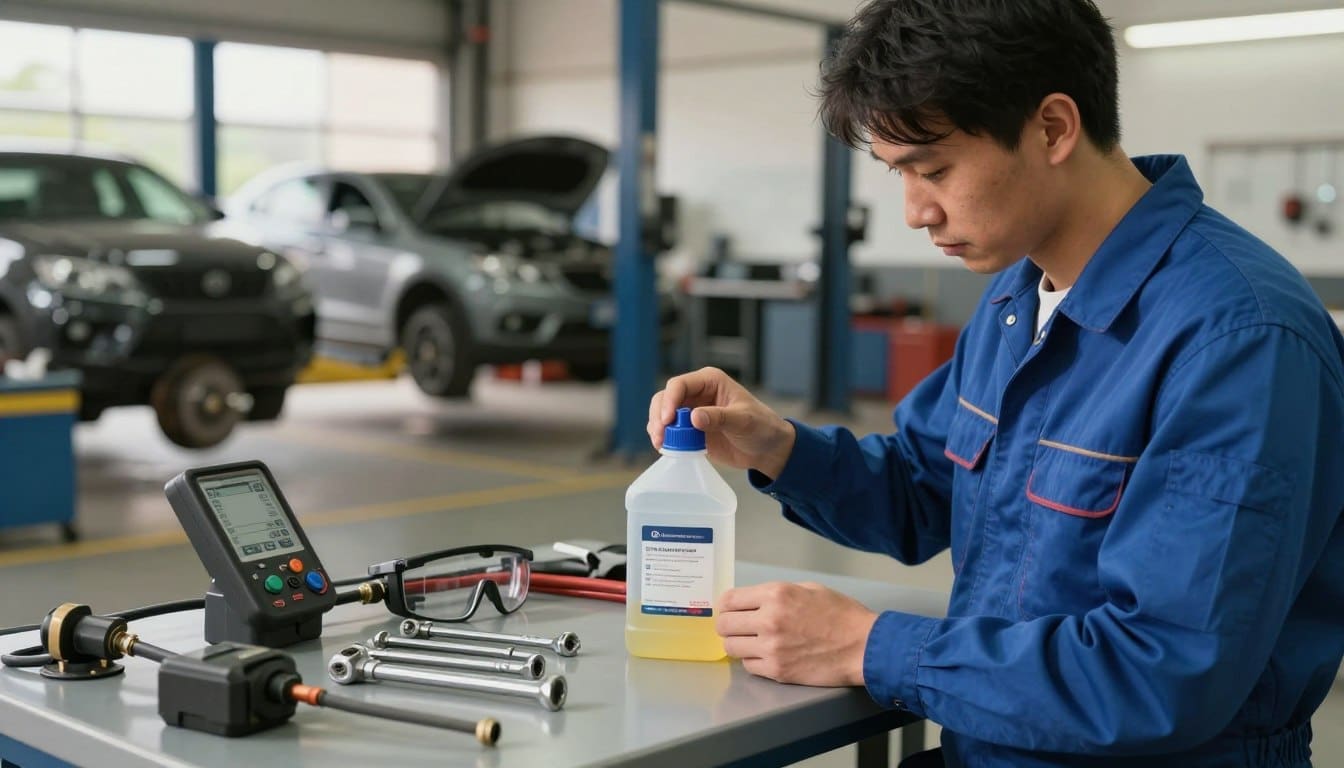
Most drivers focus on regular oil changes to keep their engines in top shape. But, they often forget about a key part of stopping power. Your car uses a special hydraulic system to stop when you press the brake pedal.
Ignoring this system can lead to dangerous consequences on the road. Moisture in the lines can make stopping unreliable. Getting a professional Brake Fluid Service keeps your car ready for emergencies.
Your safety depends on the health of your hydraulic components. Being proactive keeps you and your passengers safe. Regular maintenance ensures your car works when you need it most.
Key Takeaways
- Hydraulic systems are essential for reliable stopping power.
- Moisture contamination can degrade your vehicle’s performance over time.
- Regular maintenance prevents dangerous brake failure on the road.
- Prioritizing this task is just as important as changing your oil.
- Professional inspections ensure your safety system functions correctly.
Understanding Brake Fluid and Its Importance
Your vehicle needs a network of parts to stop safely, and brake fluid is key. This special liquid connects your foot to the wheels. Without it, stopping would be impossible.
What Is Brake Fluid?
Brake fluid is a special liquid made to handle high pressure and heat. It’s hygroscopic, meaning it pulls moisture from the air. This keeps water out of your lines, stopping rust and corrosion.
This fluid keeps your brakes working well by controlling moisture. It stays the same consistency in all temperatures. This is key for your hydraulic brakes to last long.
How Brake Fluid Works in Your Vehicle
Pressing the brake pedal compresses a liquid. This liquid travels to the calipers or wheel cylinders. There, it presses the brake pads against the rotors.
This quick energy transfer is what hydraulic brakes are all about. If the fluid is dirty or low, stopping becomes slow or uneven. Keeping the fluid right is essential for safe stopping.
Common Types of Brake Fluid
Not all brake fluids are the same. Your car needs a specific type to work right. Manufacturers use DOT ratings to show what each fluid can handle.
- DOT 3: Common in older or standard cars.
- DOT 4: Better for modern cars with advanced safety features.
- DOT 5.1: For heavy-duty use and extreme driving.
Check your owner’s manual to see what your car needs. Using the right fluid keeps your hydraulic brakes working best. This keeps everyone safe on the road.
Signs of Low or Contaminated Brake Fluid
When your hydraulic brakes start to lose power, your car will give you signs before it’s too late. Catching these early signs can prevent expensive fixes and keep you safe on the road. Always take any brake issues seriously.
Warning Lights on the Dashboard
Today’s cars have smart sensors to check your brakes. If a brake light comes on, it means your fluid might be low or there’s a pressure problem. This light is a critical signal that your brakes aren’t working right.
Unusual Noises During Braking
Strange sounds when you brake are a sign of neglect. Squealing might mean worn-out pads, but grinding or scraping sounds suggest contaminated fluid. These noises mean your brakes are under too much stress.
Soft or Spongy Brake Pedal
A soft brake pedal means there’s air or moisture in your system. It should feel firm when you press it. If it feels soft, your brakes aren’t working well. This usually happens when the fluid gets too wet, making it dangerous.
| Symptom | Potential Cause | Urgency Level |
|---|---|---|
| Dashboard Light | Low Fluid/Sensor Error | High |
| Grinding Noise | Corrosion/Worn Parts | Critical |
| Spongy Pedal | Air or Moisture | Immediate |
| Fluid Leak | Damaged Lines | Emergency |
The Role of Brake Fluid in Vehicle Safety
Your brake fluid is like a silent messenger that makes your car stop when you need it to. It’s a special hydraulic fluid that keeps your brakes working well. When you press the brake pedal, it helps your car stop smoothly.
How Brake Fluid Supports Effective Stopping
Brake fluid’s main job is to send force from the master cylinder to the brake calipers. Because it’s a liquid, it can’t be compressed. So, the pressure you apply to the pedal goes straight to the brake pads.
This immediate response is what lets your vehicle stop safely and in control.
Here are some key things brake fluid does:
- Force distribution: It makes sure all four wheels get the same pressure.
- Heat resistance: It can handle the high temperatures that come up when you brake hard.
- System lubrication: It keeps the inside of the system from getting rusty or worn out.
The Impact of Brake Fluid on Overall Vehicle Performance
Using high-quality brake fluid is key for your car’s performance. When the fluid is clean and at the right level, your car responds well. But if the fluid gets dirty or old, your brake performance will drop. You might feel a soft or slow pedal.
| Factor | Optimal State | Risk of Neglect |
|---|---|---|
| Fluid Pressure | Consistent | Spongy Pedal |
| Boiling Point | High | Brake Fade |
| System Health | Clean | Corrosion |
Your safety depends on the brake fluid’s condition. Keeping it clean and at the right level means your brake performance stays sharp. This gives you the confidence to handle any road.
When to Schedule Brake Fluid Service
It’s important to set a regular schedule for brake fluid service. Brake fluid is hygroscopic, meaning it pulls moisture from the air. If not changed, this can harm your brakes.
Recommended Maintenance Intervals
Change your brake fluid every two years or 30,000 miles, whichever comes first. This keeps the fluid clean and your brakes working well. It’s a key part of keeping your car in top shape.
Even if you don’t drive much, change the fluid every two years. Moisture can damage your brake lines and master cylinder. Fixing problems early saves money and hassle.
Seasonal Considerations for Brake Fluid
Your location affects how fast brake fluid breaks down. Places with high humidity can cause faster moisture absorption. If you live in a damp area, check your fluid more often.
Driving in heavy traffic or mountains also wears out your brakes faster. The heat from these conditions can break down the fluid. Always consult with a professional if you notice changes in your brake pedal.
How to Check Your Brake Fluid Level
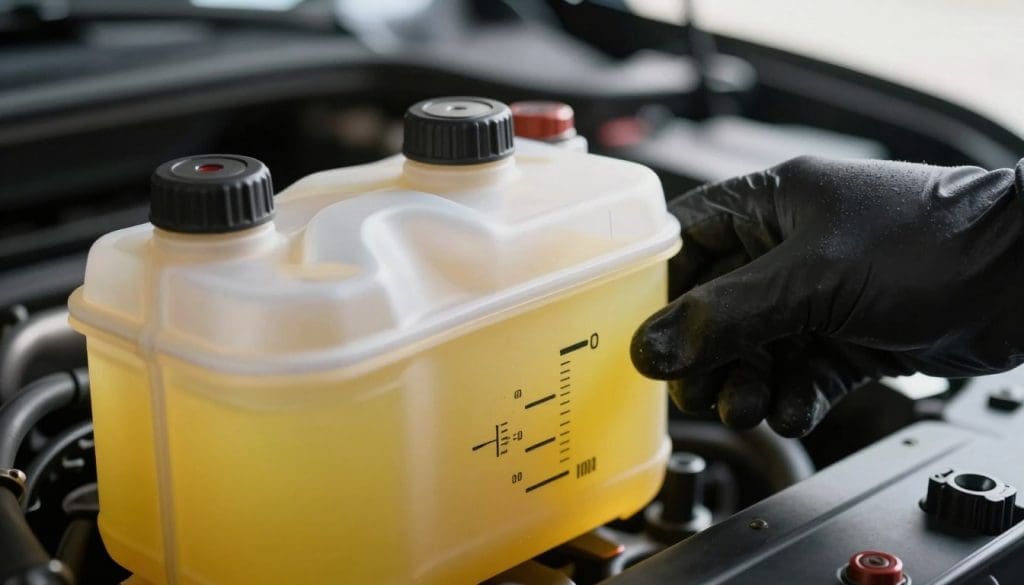
Knowing how to check your brake fluid level at home is key to good brake performance. A quick look can help spot problems early. This keeps you safe on the road.
Steps to Inspect Brake Fluid
First, find the brake fluid reservoir. It’s a semi-transparent plastic container in your engine bay. Look for “MIN” and “MAX” lines to see the right level.
- Park on a level surface and let the engine cool.
- Clean the reservoir cap before opening to avoid dirt.
- Look through the plastic to see if the fluid is between the lines.
- The fluid should be clear, honey, or golden in color.
If the fluid looks dark, murky, or has debris, it’s dirty. You should get a professional fluid flush to fix it.
Tools Needed for Inspection
You don’t need special tools for this simple task. Having the right things makes it easier and safer for your car.
- A flashlight to see the fluid level well.
- A clean, lint-free rag for the cap and area.
- Your owner’s manual to know the right fluid type.
Regular checks help you know when a fluid flush is needed. Being proactive keeps your brakes working well for every trip.
The Brake Fluid Replacement Process
Knowing how experts take care of your car’s brakes can give you peace of mind when you visit. A top-notch Brake Fluid Service is key to keeping your car’s brakes working right. It ensures your car stops safely in all driving conditions.
Steps Involved in the Replacement
The process of replacing brake fluid is more than just adding new fluid. Technicians do a full system flush to get rid of old, dirty fluid. This is important because brake fluid absorbs moisture, which can harm your car.
After removing the old fluid, the system goes through a bleeding procedure. This step is essential to get rid of air bubbles that can make the brake pedal feel soft. With fresh, clean fluid, your brakes work like new again.
What to Expect During Service at Heaven Automotive
At Heaven Automotive, located at 6645 Poss Rd. San Antonio, TX 78238, you get a thorough check-up. Our team looks over the whole hydraulic system for leaks or wear before starting the Brake Fluid Service. We use only the right fluids for your car’s needs.
You’ll get a clear explanation of your system’s condition. We make sure everything is sealed and tested before you leave. Here’s why getting professional help is better for your car’s long-term health.
| Feature | DIY Approach | Professional Service |
|---|---|---|
| System Flush | Often incomplete | Complete removal |
| Air Removal | Difficult to verify | Precision bleeding |
| Fluid Quality | Variable | Certified standards |
| Safety Check | Limited | Full inspection |
The Risks of Neglecting Brake Fluid Maintenance
Your vehicle needs top-notch fluid for your hydraulic brakes to work right every time you press the pedal. Skipping routine maintenance lets moisture build up in the system. This can cause severe mechanical issues that cost a lot to fix.
Potential Vehicle Damage
Brake fluid pulls in moisture from the air over time. When water gets in, it starts to corrode important parts like brake lines, calipers, and the master cylinder. This damage weakens your hydraulic brakes and can lead to leaks.
If you don’t fix it, the whole braking system might seize or fail early. Fixing these parts is much pricier than just flushing the fluid. Keeping your vehicle’s parts safe means paying attention to the fluid’s quality.
Risks to Driver and Passenger Safety
Contaminated fluid can make your brakes less effective. As moisture builds up, the fluid’s boiling point goes down. This can make your brake pedal feel soft or spongy during hard braking. In bad cases, it can cause your brakes to fail when you need them most.
Your safety and that of your passengers depend on your hydraulic brakes working right. Ignoring maintenance can make stopping harder and risk losing control in emergencies. Regular service is a must for anyone who cares about road safety.
Choosing the Right Brake Fluid
The fluid in your brakes is like the lifeblood of your safety. The wrong fluid can make stopping hard, leading to system failure. Always follow the manufacturer’s advice to keep your car safe.
Factors to Consider
The DOT rating is key when picking brake fluid. It shows the fluid’s boiling point and what it’s made of. Higher boiling points are good for heavy use, but your car maker’s choice is what matters most.
Think about where you drive too. Some brake fluids handle moisture better, keeping your brake lines from corroding. Make sure the fluid you buy meets your car’s standards for the best performance.
Compatibility with Your Vehicle
Knowing what your brake fluid is made of is absolutely essential. Most cars use glycol-based fluids, like DOT 3 and DOT 4. These fluids soak up moisture to protect your brakes.
DOT 5 is different, made from silicone and doesn’t absorb water. Never mix these different types because it can cause problems. Always check your car’s manual before adding fluid to make sure you’re using the right one.
The Importance of Professional Brake Fluid Service
Your car’s stopping power is critical, and professional care is essential. Some maintenance tasks seem simple, but your hydraulic system needs precision and the right tools. A top-notch Brake Fluid Service keeps your vehicle safe and responsive.
Benefits of Hiring a Professional
Hiring a pro ensures a detailed job. Technicians use special tools to remove all air from the lines. This step is key to avoiding a spongy pedal and quick stops in emergencies.
Experts can spot issues that regular checks miss. They check for moisture and ensure the fluid meets your car’s needs. Choosing a Brake Fluid Service from experts protects your brakes from wear and corrosion.
Why Choose Heaven Automotive for Your Brake Needs
At Heaven Automotive, your safety is our top priority. Our team uses advanced tools for every Brake Fluid Service. We treat your vehicle with the care it needs, knowing it’s a big part of your life.
Ready to keep your car in top shape? Call Heaven Automotive at (210) 682-3898 to book a service. Our skilled team is ready to ensure your car is safe and reliable. We combine technical skill with a focus on customer satisfaction for the best results.
| Feature | DIY Maintenance | Heaven Automotive Service |
|---|---|---|
| Equipment Used | Basic Hand Tools | Professional Bleeding Systems |
| Air Removal | Often Incomplete | Guaranteed Air-Free Lines |
| Safety Check | Limited | Comprehensive System Inspection |
| Expertise | General Knowledge | Certified Brake Specialists |
How Brake Fluid Affects Brake System Components
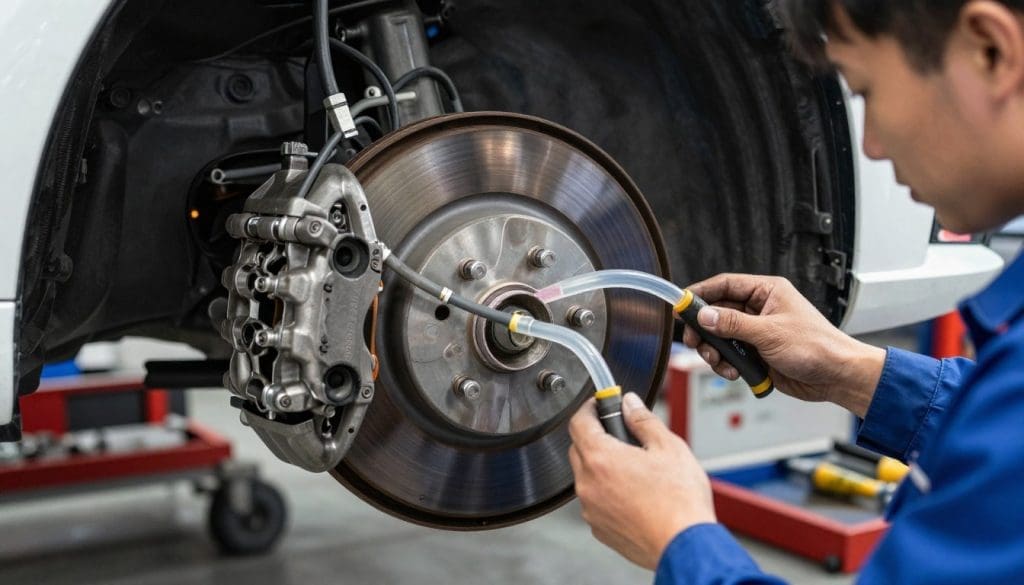
Keeping your brakes in top shape starts with knowing how fluid quality affects your car’s braking system. Your vehicle has many parts working together to stop safely. If the fluid gets dirty, this balance can be broken, leading to possible mechanical failure.
Clean fluid helps everything move smoothly and precisely. But, over time, it can get contaminated with moisture and debris. This makes it corrosive, affecting your car’s critical stopping parts.
Impact on Brake Pads and Rotors
Old or dirty brake fluid can’t release pressure well after you release the pedal. This causes the brake pads to rub against the rotors too much. This creates excessive heat and friction, wearing out these parts quickly.
Also, dirty fluid can make the pads not make even contact with the rotors. This uneven pressure can warp the rotors and make your car vibrate when you brake. Keeping the fluid clean is key to your brake performance.
Effects on ABS and Other Systems
Modern cars have advanced Anti-lock Braking Systems (ABS) that are very sensitive to fluid quality. Dirty fluid can damage the ABS modulator, which is expensive to fix or replace. Debris in these narrow channels can block them, putting your safety at risk.
Ignoring fluid maintenance can cause many problems for your car’s parts:
- Internal corrosion of metal lines and master cylinder seals.
- Increased risk of ABS modulator failure due to sediment buildup.
- Reduced responsiveness in electronic stability control systems.
- Higher likelihood of seal degradation throughout the hydraulic circuit.
Regular fluid changes are key to keeping your brake performance reliable. This proactive approach helps avoid the high costs of fixing damaged brake parts.
Understanding the Cost of Brake Fluid Service
Ever wonder how much to budget for your next Brake Fluid Service? Keeping your car’s hydraulic system in check is key to being a responsible car owner. Planning for these costs keeps you safe and avoids surprise repair bills.
Factors Influencing Service Costs
The cost for a Brake Fluid Service usually falls between $80 and $200. Several things affect this price, like your car’s make and model. Luxury or high-performance cars need special fluids and more work.
The repair shop’s location and labor rates also matter. Some cars have advanced brakes that need more time for service. Quality service keeps your brakes free from moisture and dirt.
Comparing DIY vs. Professional Service Cost
Some people try to do this job themselves to save money. But, the risks are often too high. A pro has the right tools to avoid air bubbles, which is critical for your safety. DIY mistakes can lead to costly repairs.
Professional service gives you peace of mind. Your car will stop safely in any situation. Here’s a table showing the main differences between DIY and professional service.
| Feature | DIY Service | Professional Service |
|---|---|---|
| Initial Cost | Low (Materials only) | Moderate ($80 – $200) |
| Safety Risk | High (Improper bleeding) | Low (Certified expertise) |
| Time Required | High (Learning curve) | Low (Efficient process) |
| Warranty | None | Included |
Going for a professional Brake Fluid Service is a smart move. It’s affordable and keeps your car running well. Regular checks prevent costly repairs and keep you safe on the road.
Myths and Misconceptions About Brake Fluid
Many drivers think brake fluid is permanent, but this is risky. Believing your car’s systems will last forever can be dangerous. Knowing your car’s needs is key for safe brake performance.
Debunking Common Misunderstandings
The biggest myth is that brake fluid lasts forever. This comes from not understanding how car systems work. Not changing the fluid can make stopping in emergencies hard.
Here are some myths that lead to missed maintenance:
- Myth: If the brakes feel fine, the fluid must be clean. Fact: You can’t see contamination with your eyes.
- Myth: Brake fluid doesn’t expire. Fact: It absorbs moisture from the air, which can harm it.
- Myth: Only high-performance cars need fluid flushes. Fact: All cars need clean fluid for good brake performance.
The Truth About Brake Fluid Lifespan
The “if it isn’t broken, don’t fix it” idea is risky for your car’s system. Brake fluid works under high heat and pressure but gets worse as it takes in water. This water makes the fluid boil sooner, leading to a soft pedal and less stopping power.
Changing the fluid regularly is the best way to keep your car safe. A regular maintenance schedule helps prevent damage and keeps your brake performance top-notch. Don’t wait for a warning light to act on your safety.
Customer Experiences with Heaven Automotive’s Services
See how a simple service visit can change your driving experience. At Heaven Automotive, we value your feedback. Many drivers say a fluid flush boosted their confidence on the road.
Testimonials on Brake Fluid Service
Our clients often notice a big difference after visiting us. Sarah M. said her car’s pedal feel became firm and responsive after her visit. She was shocked by how much old, dirty fluid was affecting her drive.
David R. felt safer in heavy traffic after his fluid flush. He said the peace of mind from professional care is worth it. These stories show our commitment to keeping your vehicle in great shape.
Case Studies of Successful Repairs
Many vehicles suffer from neglected maintenance, leading to soft pedals and slow stops. A customer brought in a sedan that hadn’t been serviced in over five years. Our technicians fixed the braking system with a thorough fluid flush.
Another truck had ABS warning lights due to moisture in the lines. We replaced the old fluid with new, high-quality options. This fixed the error codes and improved safety. These stories show why regular maintenance is key for all vehicle owners.
| Performance Metric | Before Service | After Fluid Flush |
|---|---|---|
| Pedal Responsiveness | Soft and Spongy | Firm and Precise |
| Stopping Distance | Increased | Optimized |
| System Reliability | Warning Lights Active | Fully Operational |
Preparing for Your Brake Fluid Service Appointment
Organizing your documents and questions before your Brake Fluid Service visit is smart. It helps you talk clearly with your technician. This ensures your car gets the right care.
Questions to Ask Your Mechanic
When you get to your appointment, ask specific questions. Find out about your brake lines and if there’s moisture. These questions help you understand your brakes better than just the fluid.
Also, ask how long the new fluid will last for your driving. Knowing the recommended maintenance intervals for your car helps plan for the future. Talking clearly with your mechanic avoids surprises later.
Documentation to Bring
Right paperwork is key for a good Brake Fluid Service. Always bring your car’s owner’s manual. It tells you the right fluid type for your ABS and other parts.
Also, keep a record of your car’s past maintenance. If you have receipts, bring them. This shows the technician what’s already been done.
| Preparation Item | Purpose | Benefit |
|---|---|---|
| Owner’s Manual | Verify fluid specs | Prevents system damage |
| Service History | Track past repairs | Avoids redundant work |
| List of Concerns | Note odd noises | Ensures thorough inspection |
| Budget Estimate | Plan for costs | Provides financial clarity |
Conclusion: Ensuring Your Safety on the Road
Your car’s brakes depend on a complex hydraulic system to stop safely. Ignoring this system can be dangerous. Regular maintenance keeps your brakes working well.
Getting a professional fluid flush is key to protecting your car. It removes harmful moisture and debris. This ensures your car stops when you need it to.
Commitment to Reliable Braking
Expert maintenance extends the life of your car’s parts. The team at Heaven Automotive knows how to take care of your car. They ensure your drives are smooth and safe.
Contact Heaven Automotive to schedule your next service. Let our experts do a thorough fluid flush. Your safety depends on it.