

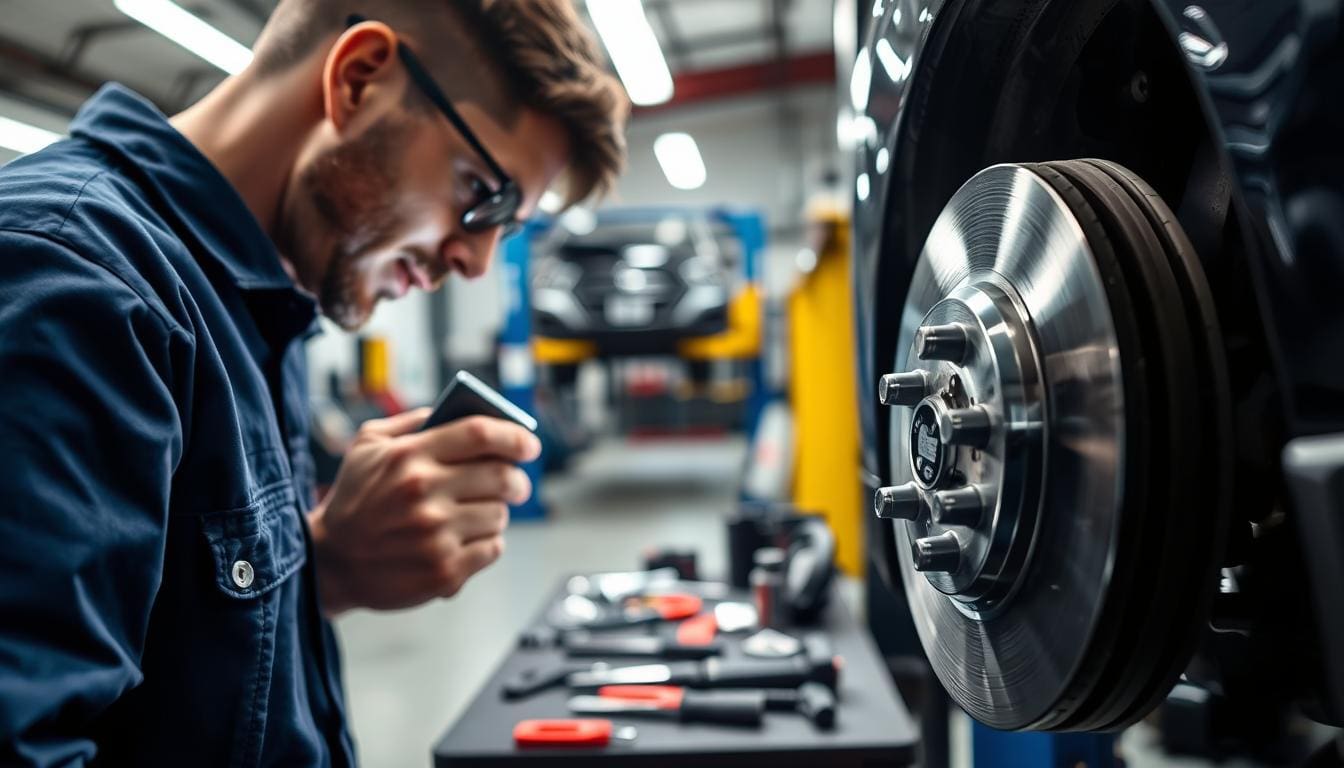
We wrote this page as a practical guide and a local service overview for brake inspection San Antonio needs. Our goal is simple: help drivers protect safety and avoid costly repairs by catching wear early.
At Heaven Automotive we run a comprehensive check that covers pads, rotors, fluid, and hydraulic parts. We also do a road-feel test when needed so you get clear, documented findings and honest next-step options.
Common reasons customers book service include noise, vibration, long pedal travel, or warning lights. Each symptom ties to likely causes we verify during a measured inspection. Daily driving and heavy local traffic speed wear here, so timing matters.
We are a local shop at 534 Fair Ave., 37 South @ Fair Ave., San Antonio, TX 78223. Call us at 210-532-5496 and we will diagnose and repair your vehicle with clear communication and no pressure.
What you’ll learn: warning signs, a practical checklist, when pads need replacing, and the repairs we perform if needed.
Key Takeaways
- Early checks protect safety and cut overall repair costs.
- We assess pads, rotors, fluid, hydraulics, and road feel.
- Noise, vibration, pedal travel, and lights point to specific faults.
- Heaven Automotive documents findings and offers clear options.
- Local traffic patterns increase wear; timely service matters.
Brake safety starts with early detection
Catching wear early prevents simple issues from becoming major repairs. We focus on finding small problems before they grow. Early attention keeps repair bills down and improves vehicle safety.
Why pads, rotors, and fluid wear faster in stop-and-go driving
City driving forces repeated stops that create heat and friction. This wears pads faster and stresses rotors through repeated heat cycles.
High temperatures also age fluid as it absorbs moisture. Over time that reduces consistent braking performance and raises the risk of fade.
How a small issue becomes an expensive repair
A little pad wear can lead to rotor scoring, seized calipers, and longer downtime. We explain the “cost curve”: the more you wait, the more parts need replacing.
Real-world safety improves when stopping distance is predictable and pedal feel is stable. If you notice noise, vibration, or longer pedal travel, book service right away. Early checks save money and protect lives.
- Heat and friction accelerate wear on pads and rotors.
- Fluid breakdown harms consistent braking.
- Minor issues can escalate into larger repair jobs.
What we check during a comprehensive brake inspection
Our process breaks the system down into measurable checks that avoid guesswork. We walk through each component and record measurements so any recommendation is supported by data.
Brake pads and shoes thickness and wear patterns
We measure pad and shoe thickness and note uneven wear. That tells us if a caliper is sticking or if hardware needs replacement. Small differences matter, and we document them with photos and notes.
Rotor condition, runout, and heat spotting
We look for scoring, heat spots, and thickness variation. Runout checks detect warping that causes vibration. If rotors show damage, we explain repair options clearly.
Brake pedal feel, travel, and braking performance
We test pedal travel and how the pedal feels under braking. A soft or long-travel pedal can mean fluid issues or worn parts. We combine road feel with measured data for a full picture.
Brake fluid level, condition, and leak inspection
Fluid level and color reveal contamination or age. We inspect common leak points and hoses to rule out system loss. If fluid fails our checks, we recommend a flush or targeted repair.
Calipers, hoses, and hardware condition
Calipers, slides, and hoses often cause uneven pads or pulling. We check all hardware and only list repairs that measurements justify.
“We document what we find and explain why it matters before discussing repair options.”
- Step-by-step measurements and visual checks
- Clear documentation and technician notes
- Repairs recommended only when data supports them
brake inspection San Antonio: what to expect at Heaven Automotive
We keep the process fast, transparent, and focused on facts. When you arrive, our front team completes a quick check-in and notes your concerns. We confirm symptoms like noise, vibration, or pedal feel and log them for the technician.
Fast, straightforward check-in and clear next steps
We run targeted measurements and a road feel test. Many checks and decisions happen in minutes so your appointment stays on schedule.
Transparent recommendations based on what we measure
We explain what measurements showed, what is within spec, and what needs attention. Our team offers options: monitor, schedule repair, or do same-visit work when feasible.
- Quick check-in and symptom confirmation at arrival
- Recommendations based on thickness, condition, and leak evidence
- Clear time estimates and honest costs before any repair services
- Experienced technicians who communicate before work begins
“We document what we find and explain next steps so you choose with confidence.”
Call us to book an appointment: 210-532-5496. Visit us at 534 Fair Ave., near 37 South @ Fair Ave.
Warning signs you should not ignore
Warning signs often start as small sounds or subtle changes in pedal feel that drivers dismiss. Pay attention to early cues so we can protect safety and avoid larger repair bills.
Grinding, screeching, squealing, rubbing, and other high-pitched noises
High-pitched noises often point to wear indicators or metal-on-metal contact from worn brake pads or brake pads shoes.
Ignoring these noises can turn a simple pads replacement into rotor replacement due to scoring and heat damage.
Vibration or pulsing in the brake pedal or steering wheel
Vibration or pulsing during braking usually signals rotor runout or thickness variation.
We recommend prompt evaluation to prevent further rotor damage and uneven pad wear.
Excessive brake pedal travel
Too much pedal travel can indicate worn pads, air in the lines, low fluid, or a developing hydraulic leak.
This symptom reduces braking consistency and requires fast attention.
Brake warning light and other dashboard alerts
Treat the brake warning light seriously. It can mean low fluid or a system fault, not just a sensor fault. Call us to schedule an inspection at the first sign.
| Symptom | Common Cause | Recommended Action |
|---|---|---|
| Grinding / squealing | Worn pads, wear indicators, metal contact | Measure pad thickness; replace pads or pads & rotors |
| Vibration / pulsing | Rotor runout or heat spots | Check rotor runout; resurface or replace as needed |
| Long pedal travel | Worn pads, air in system, low fluid | Bleed system, top fluid, or repair leak |
| Warning light | Low fluid or system fault | Diagnose sensor and fluid levels immediately |
“At the first sign of unusual noises or vibration, bring your car to us so we can show you exactly what we find.”
If you notice any of these signs, call Heaven Automotive. We will inspect your brakes and advise on safe, cost-effective replacement or repair.
When to replace brake pads before rotors get damaged
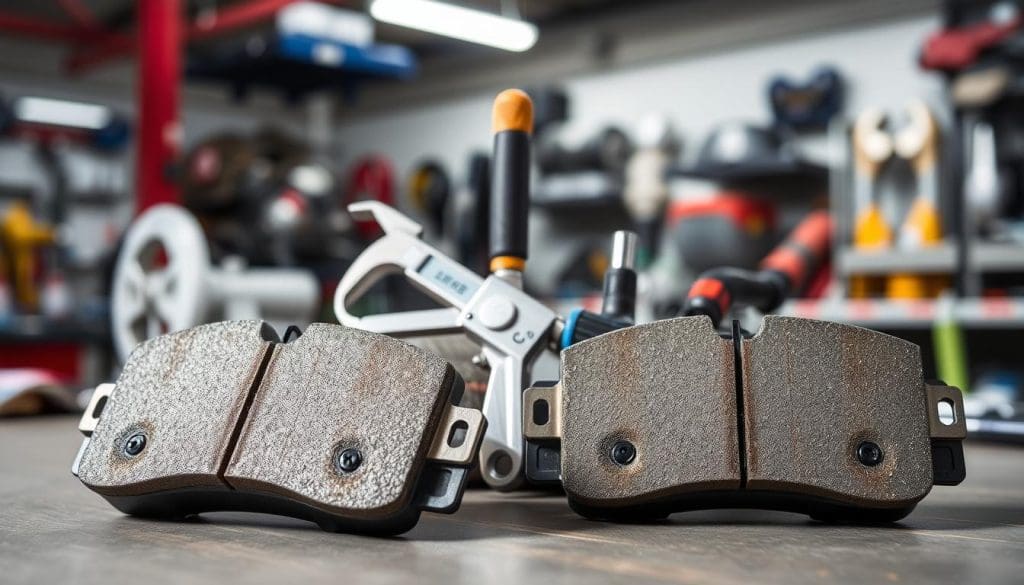
When pads reach a critical thinness, rotor scoring can begin within a short drive. We encourage proactive pad replacement to avoid costly rotor work and extended repairs.
Wear indicators and what they mean
Wear indicators are simple cues designed to prompt service. Many vehicles use audible squealers or electronic sensors to warn you.
A squeal or a sensor alert should trigger action, not delay. Visual checks can miss uneven wear, so measurement matters.
How long worn pads can last before causing rotor damage
Longevity depends on driving style, load, and commute patterns. Once pads are thin enough to overheat or expose backing, rotors can score quickly.
Replacing pads before that tipping point saves time and lowers total repair costs for your vehicle. We set a tailored replacement plan based on measured remaining life.
- Audible squealers and sensors prompt immediate service.
- Pad material may look ok but still wear unevenly.
- Risk rises fast after wear indicators activate.
| Indicator | What it means | Recommended action |
|---|---|---|
| Squeal or screech | Pad wear near minimum | Measure pad thickness; schedule replacement |
| Sensor warning | Electronic alert of low lining | Confirm remaining life; replace pads |
| Thin lining or backing exposed | High risk of rotor scoring | Immediate pad replacement and rotor check |
“Proactive pad replacement reduces the chance of rotors, calipers, and extra repairs.”
Rotor damage: how it happens and how we prevent it
Rotors wear in predictable ways, and understanding that pattern helps us prevent costly damage. We describe common faults, explain causes, and show how our shop acts early to preserve safe stopping performance.
Warping, scoring, and thickness variation
Warping comes from repeated heat cycles that change rotor shape and cause vibration.
Scoring is deep groove damage often caused by metal-to-metal contact when pads wear too far.
Thickness variation means one area of the rotor is thinner and it creates pulsing at the pedal.
Why vibration usually points to rotor issues
Vibration or pulsing during braking most often traces to rotor runout or uneven thickness. We measure runout and thickness variation to confirm the cause.
When rotors fall out of spec, we recommend repair or replacement based on measured limits and what keeps braking stable.
- Heat, hard stops, and worn pads accelerate surface damage.
- Scoring follows delayed pad replacement and can force rotor repair.
- Our prevention includes early checks, correct-fit parts, and fixing root causes like stuck calipers.
“We base every repair decision on measured data so you get consistent performance and a clear path forward.”
Brake fluid and hydraulic issues that affect stopping power
Clean, healthy hydraulic fluid keeps pedal response crisp and stopping predictable under load. We check fluid condition as part of our hydraulic review because degraded liquid changes pressure delivery and affects braking consistency, especially when things heat up.
Why fluid condition matters for consistent braking
Fluid transmits force from the pedal to the calipers. When contamination, moisture, or breakdown occurs, the system can feel soft, inconsistent, or slow to respond.
Signs of a hydraulic issue include a soft pedal, gradual sinking at stops, or uneven response when you apply pressure. These symptoms point to fluid or an internal leak rather than worn pads alone.
Common leak points we inspect
We inspect calipers, flexible hoses, the master cylinder area, wheel cylinders on drum systems, and line connections. Small leaks are easy to miss, but they worsen and raise the risk to vehicle safety.
We only recommend hydraulic repair when measurements, visible leaks, or degraded fluid confirm a problem. Regular fluid service improves long-term reliability and helps prevent corrosion of internal parts.
“Our hydraulic checks find hidden leaks and restore predictable pedal feel so you can drive with confidence.”
Brake repair services we can perform after the inspection
After a careful check, we move from diagnosis to the specific repairs your vehicle needs. We explain options, provide an estimate, and begin work only with your approval.
Pad replacement and premium options:
Brake pad replacement and premium brake pad options
We replace worn brake pads using correct-fit parts. Choose economy or premium brake pads for quieter stops, less dust, or improved feel based on your driving needs.
Brake rotor replacement
When rotors are out of spec, scored, or heat-spotted, we recommend rotor replacement. That fixes vibration and restores smooth braking.
Brake fluid flush
A fluid flush restores consistent pedal response and protects internal parts from corrosion.
Brake shoe and drum replacement
For drum systems we service shoes and drums, adjusting and replacing parts as needed for safe rear braking.
Brake hose, caliper, and wheel cylinder replacement
We replace hoses, calipers, and wheel cylinders when leaks, seizing, or uneven wear require hydraulic repairs.
“We inspect, explain, estimate, and complete repairs so you leave confident and safe.”
| Service | When we recommend it | Benefit |
|---|---|---|
| Pad replacement | Thin lining or sensor alert | Prevents rotor damage; restores stopping power |
| Rotor replacement | Runout, scoring, heat spots | Eliminates vibration; ensures even wear |
| Fluid flush | Contaminated or aged fluid | Consistent pedal feel; protects parts |
| Hydraulic parts | Leaks or seized caliper | Restores safe pressure and balance |
We act as a one-stop provider: inspect, explain options, and complete repairs. Call us for prompt repair services and clear next steps for repair san antonio needs.
Quality parts, workmanship, and warranty-backed repairs
Quality parts and meticulous work keep stopping performance consistent and predictable over time. We pair correct-fit components with proven processes so results last.
We offer premium brake options and exact replacements chosen for each vehicle. That match reduces noise, improves pedal feel, and lengthens life.
Premium parts and correct-fit replacements
We install parts that fit factory specs. Using the right parts avoids improper wear and repeat service.
Brake pads and hardware are selected by vehicle application and driving needs. That choice matters more than brand alone.
Warranty and guarantee-style peace of mind
Our warranty covers parts and labor for the terms we outline before work starts. We explain each warranty detail so there are no surprises.
We document workmanship steps: clean mounting surfaces, correct torque, fresh hardware, and bedding guidance when needed. Our technicians follow consistent procedures to keep repairs reliable.
| Item | Benefit | Warranty |
|---|---|---|
| Premium parts | Better noise control, longevity, and feel | Manufacturer or shop-backed options |
| Correct-fit replacements | Reduced uneven wear and fewer callbacks | Parts and labor terms explained up front |
| Workmanship | Consistent, safe installation and bedding | Covered when performed per our standards |
“We explain warranty terms for parts and labor before you approve work so you choose with confidence.”
Call us if you want clear answers about quality, replacement options, and warranty terms for your repair or brake service.
How long a brake inspection and typical repairs take
We plan each appointment so you know roughly how long your visit will take. Our goal is to set realistic expectations so you can manage your schedule with confidence.
Typical appointment windows are measured in minutes, not half-days. Many common repairs finish in about 45–90 minutes once the exact scope and parts are confirmed.
What can add extra time? Multiple axles, severe rotor damage, seized hardware, or hydraulic work found during diagnosis. Issues with pedal feel or a questionable brake pedal often prompt additional checks and may extend the hour estimate.
We work efficiently without rushing: safety and correct procedures come first. We update you on expected time and let you know if a repair will take longer than planned.
“We reduce friction by setting realistic timing and encouraging customers to book an appointment with Heaven Automotive.”
- We set clear windows so you can plan errands or work.
- Most jobs are completed within an hour or so when parts are available.
- We communicate progress and revised timing during service.
Why drivers choose our technicians for brake service
Drivers pick us because our team pairs deep hands-on experience with steady, repeatable processes. We focus on clear findings and practical options so customers feel confident about the next steps.
Experienced, brake-focused technicians and consistent processes
Our technicians specialize in brakes and follow consistent checks for thickness, runout, and fluid condition. That experience helps us find the true cause of vibration, noise, or uneven pad wear.
Clear communication before we perform repairs
We explain what we found, why it matters, and your options. We never start a repair without your approval. That consent-first approach reduces surprises and repeat visits.
| What we do | Benefit | How we act |
|---|---|---|
| Specialized technicians | Accurate diagnosis | Measured checks and photos |
| Clear estimates | Transparent cost and time | Consent before work |
| Consistent processes | Predictable performance | Correct parts and steps |
Our goal is safe, reliable stopping performance. As a local provider of auto repair services, we build trust with honest answers and quality service so your vehicle’s brakes perform when it matters most.
Brake inspection and repair for most makes and models
From older models to current-year cars, we tailor service to each vehicle’s design and needs. We work across domestic, European, and Asian lines so customers find the right parts and procedures in one local shop.
We handle common models for family sedans, compact cars, trucks, and premium vehicles. That means we account for different pad compounds, rotor designs, sensors, and hydraulic layouts when we plan a repair.
Domestic, European, and Asian vehicles we commonly service
Domestic cars and trucks often use different mounting hardware and pad options than imports. European models can require specific parts or bedding procedures, and Asian makes sometimes use alternate pad compounds or sensor types.
Helping you maintain performance across different model years
We pick correct-fit parts and follow vehicle-specific installation steps so your brakes perform as designed. Bring your car’s year, make, model, and trim to speed up estimates and parts verification.
- We cover most models so you don’t hunt for a specialty shop first.
- We match parts and procedures by vehicle application.
- Provide year/make/model details to get faster, accurate quotes.
We service and repair a wide range of vehicles so your stops stay predictable and reliable.
Convenience for San Antonio drivers who value their time
You shouldn’t have to rearrange your day to get safe, timely car care. We build appointments to fit work and family routines so service completes with minimal disruption.
Plan ahead when you notice early warning signs and avoid emergency repair san antonio visits. Booking an appointment helps us line up parts, assign the right technician, and shorten your wait.
Planning your visit around work and family schedules
We offer clear start windows and efficient workflows so you lose less time at the shop. Weekend hours are available to fit errands and family plans without missing work.
Why scheduling helps: quick inspections and timely repairs protect rotors and prevent larger jobs. When a car is still drivable, planning ahead lets us preserve parts and reduce total cost.
- We structure service to minimize time away from work and school.
- Scheduling reduces the chance of emergency repair and longer downtime.
- Clear communication and efficient steps keep quality high while saving you time.
“Prompt, planned service protects components and restores confident stopping without costing a full day.”
Call us to set an appointment and choose repair san antonio services that respect your schedule and keep your brakes performing reliably.
Our San Antonio location and service hours
Our shop sits just off 37 South at Fair Ave, so drop-offs and pick-ups are quick from most parts of the city. Visit Heaven Automotive at 534 Fair Ave., near the 37 South @ Fair Ave intersection.
Convenient access near 37 South at Fair Ave
We are a local brake repair shop with easy landmark directions for drivers. The location makes it simple to reach us from nearby neighborhoods and main routes.
We welcome walk-ins for quick checks when time allows and hold scheduled slots for more detailed service.
Hours that include weekends for easier scheduling
- Mon–Fri: 7:30am–6:00pm
- Saturday: 7:30am–6:00pm
- Sunday: 9:00am–5:00pm
Call us at 210-532-5496 to confirm availability or to book a visit. Choose a time that fits your day and bring any notes about noises, vibration, or pedal feel so we can diagnose and repair efficiently and transparently.
We are a neighborhood brake repair shop that aims to make service simple, clear, and reliable.
How to book your brake inspection appointment
A quick phone call gets you on the calendar and helps us prepare the right checks. Call Heaven Automotive at 210-532-5496 to schedule an appointment for prompt service.
What to bring and tell us:
What information to bring about noises, vibration, and pedal feel
Note when the noise happens and whether vibration occurs in the steering wheel or the brake pedal. Record if pedal travel feels longer or softer, and how long the symptom has been present.
Helpful context: recent service history, any work on pads, and whether the issue is getting worse. This speeds diagnosis and helps us order parts before your visit.
How we provide repair estimates after we inspect
We inspect first, document measured conditions, and then give clear repair recommendations and pricing.
- We check pad thickness, rotor condition, and fluid or leaks.
- We explain priority items versus those that can wait.
- We only start repair work after you approve the estimate.
“We inspect, document, and outline options so you choose with confidence.”
Conclusion
A prompt visit prevents minor wear from damaging larger components and reduces downtime.
Key takeaway: timely checks help replace pads before rotors suffer, preserving stopping safety and lowering total repair cost.
Watch for noise, vibration, warning lights, or changes in pedal travel. These signals mean act now—waiting often escalates repairs and cost.
Our review covers pads, rotors, fluid, hydraulics, and performance checks with clear explanations and measured results. Quality service is about correct diagnosis and correct parts, not guesswork.
Visit Heaven Automotive at 534 Fair Ave., near 37 South @ Fair Ave, or call 210-532-5496 to ask about a free brake inspection and schedule service. Hire us to fix your vehicle and restore safe, confident braking.