

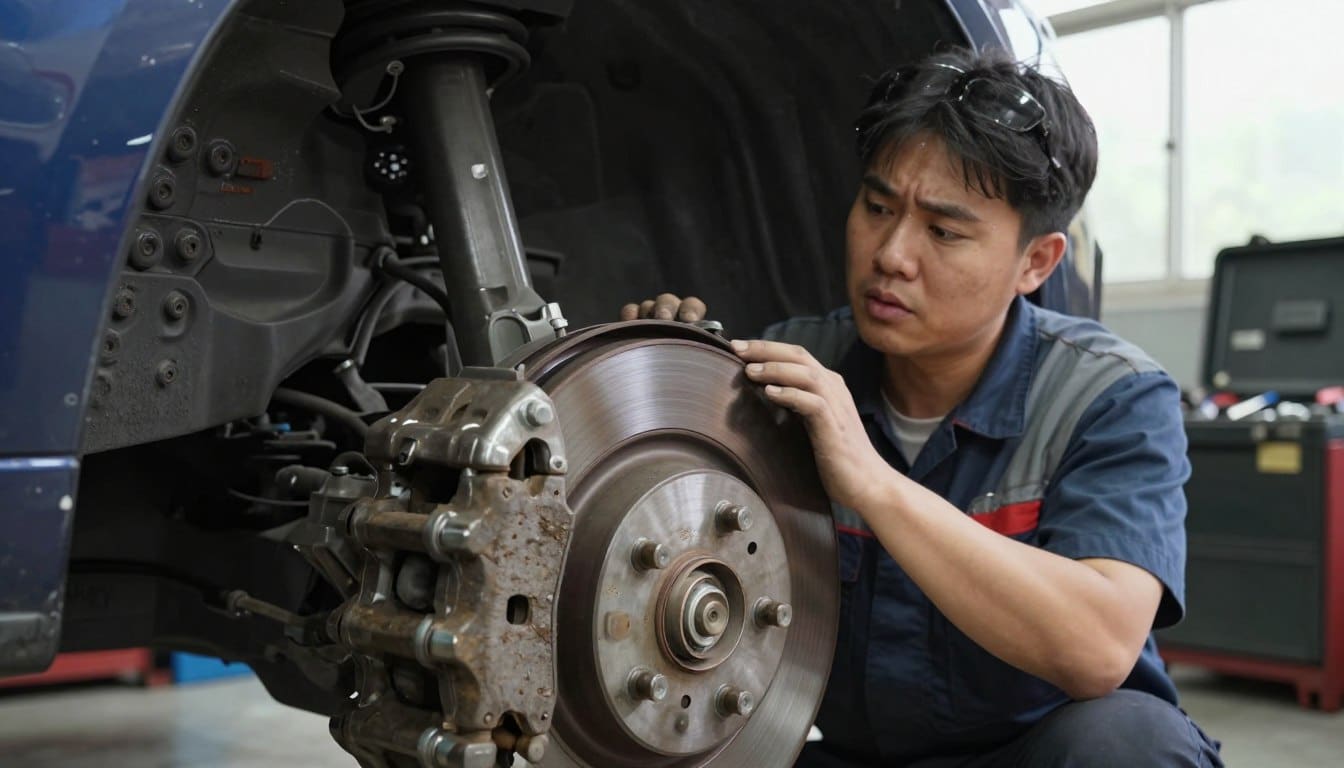
Your vehicle talks to you through sounds every time you drive. A high-pitched squeal or grinding sound means it’s trying to tell you something important.
Knowing what brake noise meaning is is key to staying safe on the road. If you ignore these sounds, you might face expensive fixes or even danger.
These noises usually mean your pads are too thin or parts need fixing right away. Your safety is our top priority. Fixing these problems early stops more damage to your car.
If you hear strange sounds, call Heaven Automotive at 6645 Poss Rd. San Antonio, TX 78238. Or, ring us at (210) 682-3898 to book a check-up today.
Key Takeaways
- Auditory alerts are often the first sign of mechanical wear.
- Ignoring these sounds can compromise your vehicle’s stopping power.
- Early detection saves you money on costly future repairs.
- Professional inspections ensure your car remains safe for daily travel.
- Contact Heaven Automotive in San Antonio for expert diagnostic services.
The Current State of Vehicle Safety and Brake Maintenance
Modern vehicle safety relies on your brakes. When you press the pedal, many parts work together to stop your car. Neglecting these parts can be very dangerous.
Rising Trends in Automotive Maintenance Neglect
Many drivers delay brake maintenance because they’re busy or unaware. This can turn small squeaks into big problems. Regular checks are key to keeping your car safe.
Ignoring early signs can harm your vehicle safety. Waiting too long can damage rotors and calipers. It’s cheaper to fix problems early than to replace everything later.
Why Local Road Conditions Impact Brake Longevity
Your environment affects your brake longevity. City driving makes your brakes work harder. This heat wears out your pads and rotors faster.
Dust, debris, and humidity also shorten brake life. If your brakes feel off, get help. Call Heaven Automotive at 6645 Poss Rd. San Antonio, TX 78238 or (210) 682-3898 for safety.
| Maintenance Level | Safety Impact | Cost Expectation |
|---|---|---|
| Proactive | High Reliability | Low (Routine) |
| Delayed | Moderate Risk | Medium (Repair) |
| Neglected | Critical Danger | High (Replacement) |
Decoding the Brake Noise Meaning for Every Driver
Knowing the brake noise meaning can prevent expensive repairs and unexpected breakdowns. Your car often talks to you through sounds. Ignoring these signs can be dangerous for you and your passengers.
Categorizing Different Types of Auditory Warnings
Not all sounds mean the same thing. Squealing sounds warn you that your brake pads are thinning. Harsh grinding noises mean your brakes are in bad shape.
Knowing these differences helps you know when to act fast. Below is a table that shows common sounds and what they mean for your car’s health.
| Sound Type | Potential Cause | Urgency Level |
|---|---|---|
| High-pitched Squeal | Wear Indicator Contact | Moderate |
| Deep Grinding | Metal-on-Metal Contact | Critical |
| Clicking or Rattling | Loose Hardware | Low to Moderate |
When to Seek Professional Help Immediately
If you hear grinding or feel a change in your pedal, don’t wait. These signs mean your safety is at risk. You need an expert to check your brakes.
If you’re not sure about the brake noise meaning or feel unsafe, call Heaven Automotive. We’re at 6645 Poss Rd. San Antonio, TX 78238. Or call us at (210) 682-3898 to get a professional check-up. Acting quickly keeps your car safe and reliable for every drive.
The Mechanics Behind Squeaking Brakes
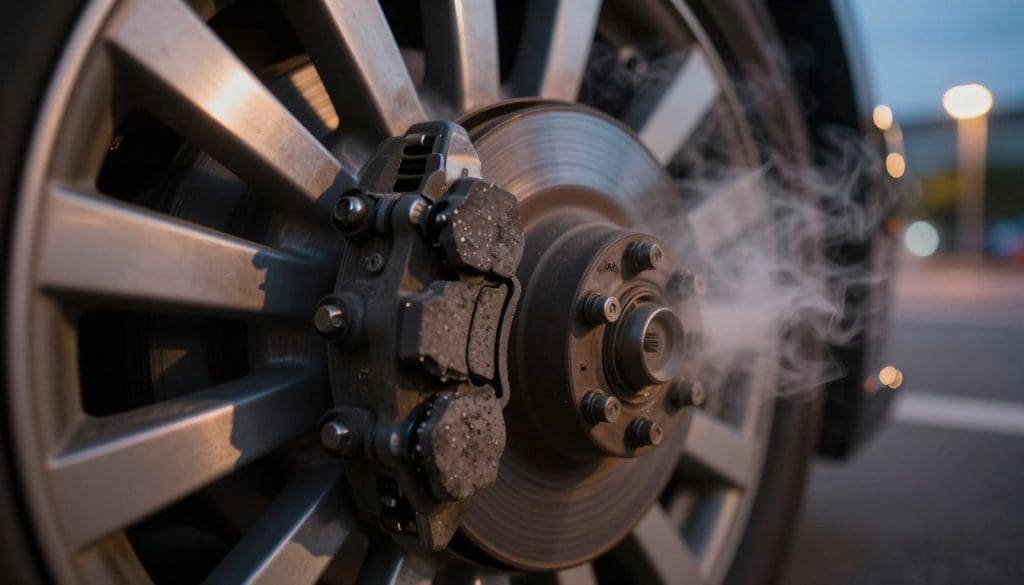
When you press the brake pedal, a complex series of mechanical interactions occurs. This process converts kinetic energy into thermal energy through friction. If you notice squeaking brakes, it often means this balance has been disrupted.
The Role of Friction Materials in Modern Vehicles
Your vehicle uses brake pads made of specialized friction materials. These materials grip the spinning rotor and must withstand extreme temperatures. Quality components are key to smooth stops without vibration or noise.
When these materials wear down, the pad-rotor interaction changes. Persistent sounds mean it’s time for a professional check. Call Heaven Automotive at 6645 Poss Rd. San Antonio, TX 78238 or (210) 682-3898 to fix your vehicle and regain peace of mind.
Why High-Pitched Sounds Often Indicate Glazing
Braking generates intense heat, which can cause surface glazing if temperatures are too high. Glazing makes the pad surface hard and smooth, like glass. This happens due to aggressive driving or heavy loads, leading to high-pitched squeaking brakes.
Once glazing occurs, brake pads can’t stop the vehicle properly. A professional must assess if the pads can be resurfaced or need replacement. Early action prevents further damage to your braking system.
| Noise Type | Primary Cause | Recommended Action |
|---|---|---|
| High-Pitched Squeal | Thermal Glazing | Professional Inspection |
| Deep Grinding | Metal-on-Metal | Immediate Repair |
| Light Chirping | Wear Indicator | Schedule Maintenance |
Why Grinding Brakes Signal an Immediate Emergency
When your car makes a loud noise when you slow down, it’s a big problem. Grinding brakes mean the brake pads are worn out. This makes your car unsafe and puts you at risk.
Metal-on-Metal Contact and Rotor Damage
Without brake pads, the metal backing of the pads rubs against the rotor. This metal-on-metal contact damages the rotor. You’ll need to replace both pads and rotors, which is expensive.
The heat from this contact can warp your rotors. A warped rotor makes your steering wheel vibrate and your car hard to control. Fixing grinding brakes quickly prevents this damage.
The Risks of Total Brake System Failure
Ignoring these signs makes your car harder to stop. Without pads, the brakes don’t work right. This is dangerous for you and your passengers:
- Increased stopping distances that make accidents likely.
- Brake fluid can boil, making the pedal soft and unresponsive.
- Brakes may fail during fast driving or emergencies.
Don’t wait to fix this. If you hear grinding, call Heaven Automotive at 6645 Poss Rd. San Antonio, TX 78238 or (210) 682-3898. They can make your car safe again.
Understanding the Role of the Brake Wear Indicator
The brake wear indicator is a key early warning for all modern cars. It’s a small part that alerts you with a sound before your brakes fail. This helps you avoid big problems and saves money.
How the Mechanical Tab System Works
The system is based on a simple design. A metal tab is on the brake pad. As the pad wears, it gets thinner.
When the pad is too thin, the tab touches the rotor. This makes a high-pitched squeal when you brake. It’s your car’s way of saying it needs a check-up.
Why You Should Never Disable Safety Indicators
Some drivers might ignore these warnings. But that’s risky. These indicators keep you safe and save you money. Disabling them can damage your rotors and calipers.
Here’s why you should keep them on:
- Early detection of thinning pads prevents expensive rotor damage.
- Increased safety by ensuring you always have sufficient stopping power.
- Predictable maintenance schedules that help you avoid emergency repairs.
If you hear that squeal, act fast. Prompt action keeps your car in good shape. Call Heaven Automotive at 6645 Poss Rd. San Antonio, TX 78238 or (210) 682-3898 to fix your brake wear indicator.
Common Causes of Brake Noise in San Antonio Driving Conditions
Driving in San Antonio can be tough on your brakes. The local environment speeds up wear on key parts, causing brake noise San Antonio drivers often hear. Knowing these factors helps keep your vehicle safe and running well.
The Impact of Urban Stop-and-Go Traffic
City traffic puts a lot of heat on your brakes. Every stop in crowded lanes makes them hot. This heat and cool-down cycle can make your brakes squeak as they wear out too fast.
Stops in traffic wear down your brake pads unevenly. This can lead to squeaking brakes. If you hear squeaks, it’s time for a brake check to avoid more damage.
Dust and Debris Accumulation in Texas Climates
The dry, dusty Texas weather adds to brake troubles. Dust and debris can get stuck in your brakes, causing squeaking brakes without warning.
Regular cleaning helps prevent damage from these particles. Keeping your brakes clean means they work better and last longer. Fixing brake noise San Antonio drivers face early can save you money later.
| Environmental Factor | Primary Effect | Resulting Symptom |
|---|---|---|
| Stop-and-Go Traffic | Thermal Stress | Glazing and Squealing |
| Road Dust/Debris | Surface Abrasion | Grinding or Clicking |
| High Humidity | Surface Corrosion | Initial Morning Noise |
If you’re worried about your vehicle, don’t wait. Contact Heaven Automotive at 6645 Poss Rd. San Antonio, TX 78238 or call (210) 682-3898. We’ll fix your vehicle and make driving safer for you.
The Dangers of Ignoring Early Warning Signs
When you hear grinding brakes, your car is sending a desperate plea for immediate attention. Many drivers assume they can wait a few more weeks before visiting a mechanic. But this delay often leads to dangerous outcomes. Addressing these sounds early is the best way to protect your passengers and your wallet.
Compromised Stopping Distances
Your ability to stop safely depends on your brake pads and rotors. Ignoring the initial signs of wear makes stopping harder. This reduced performance can mean the difference between a safe stop and a serious collision.
As the friction material wears away, your brakes lose efficiency. You might notice your pedal feels soft or takes more pressure. Never gamble with your safety when your vehicle is struggling to stop.
The Domino Effect on Other Suspension Components
A neglected braking system affects more than just stopping. It creates a damaging ripple effect throughout your vehicle. Driving with grinding brakes can warp your rotors and damage your calipers. This extra stress often spreads to your wheel bearings and suspension parts, leading to costly repairs.
Do not let a minor issue escalate into a major mechanical failure. If you notice any unusual noises or performance changes, contact Heaven Automotive at 6645 Poss Rd. San Antonio, TX 78238. You can also call us at (210) 682-3898 to schedule your inspection and keep your vehicle running safely on the road.
How Temperature and Humidity Affect Brake Performance
Ever noticed your brake noise San Antonio drivers talk about after a humid night? Weather greatly affects how your car stops and sounds. Your brakes are not sealed, so they react to the air.
Thermal Expansion and Brake Fade
High temperatures cause brake fade. When rotors and pads get too hot, they lose grip. This is because metal expands, changing the contact area.
Feeling your pedal go soft in heavy traffic? It means your brakes are struggling to cool down. Ignoring this can damage your brakes permanently.
Managing Moisture-Related Corrosion on Rotors
High humidity leads to rust on rotors overnight. This rust causes grinding or squeaking sounds at first. Usually, this noise goes away after a few stops.
But if the noise lasts, it might be a bigger problem. Watch your car closely to avoid serious damage. Parking in a garage helps fight moisture issues.
| Environmental Factor | Primary Effect | Common Symptom |
|---|---|---|
| High Humidity | Surface Oxidation | Temporary Morning Squeal |
| Extreme Heat | Thermal Expansion | Reduced Stopping Power |
| Rapid Cooling | Material Stress | Potential Rotor Warping |
Concerned about brake noise San Antonio folks should call Heaven Automotive at 6645 Poss Rd. San Antonio, TX 78238. Or dial (210) 682-3898 for a check-up. Our team keeps your car safe, no matter the weather.
Professional Diagnostic Procedures for Brake Systems
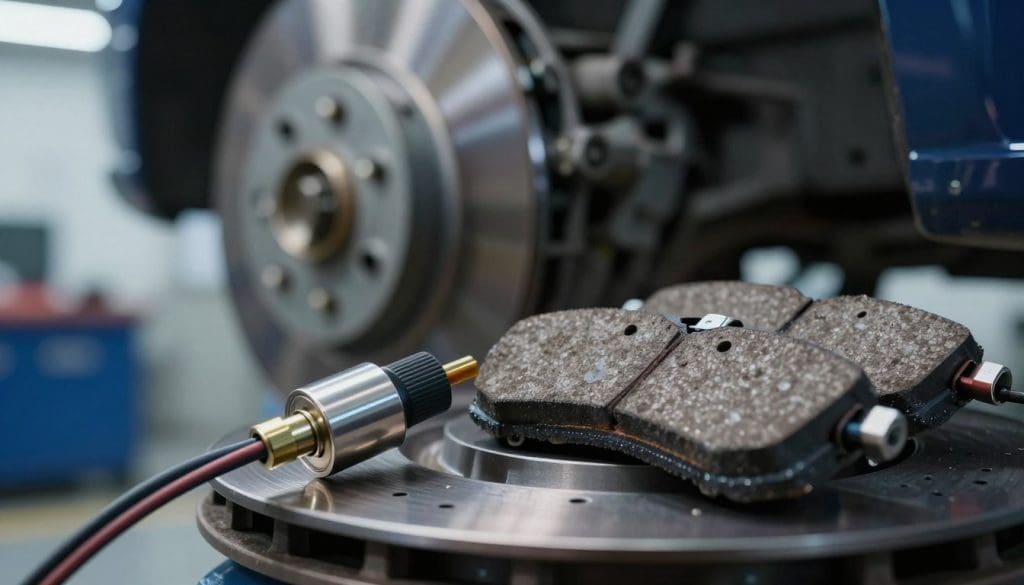
Getting your brakes checked needs a careful method by skilled technicians. At a shop, experts do thorough tests to make sure everything works right. This way, your car stays in top shape.
Visual Inspections and Thickness Measurements
First, a detailed visual check of the brake assembly is done. Technicians use special tools to measure the brake pads and rotors. They look for the brake wear indicator to see if your pads need to be replaced.
If the pads are too thin, the mechanical tab touches the rotor. This makes a noise while driving. Catching this early can save you from bigger brake problems.
Road Testing and Hydraulic Pressure Checks
Next, the car is tested on the road to see how it handles. Technicians watch for any unusual signs like vibrations or slow braking. They also check the brake fluid’s pressure to make sure it’s flowing right.
If you think your car needs a check-up, call Heaven Automotive at 6645 Poss Rd. San Antonio, TX 78238 or (210) 682-3898. They use the latest tools to check your brake wear indicator and brake fluid. Keeping your brakes in good shape is key to your safety.
| Diagnostic Method | Primary Goal | Key Benefit |
|---|---|---|
| Thickness Measurement | Assess pad life | Prevents rotor damage |
| Hydraulic Test | Check fluid pressure | Ensures pedal responsiveness |
| Road Evaluation | Identify performance gaps | Detects hidden mechanical issues |
Comparing OEM Parts Versus Aftermarket Brake Components
When your brakes wear down, you must choose between OEM parts and aftermarket ones. This choice affects your vehicle safety and braking system’s life. Knowing the differences helps you pick the best for your daily drive.
Quality Standards and Material Composition
OEM parts meet your vehicle’s quality and material needs. They are tested to work well in different driving situations. Consistency is key, as you know what you’re getting.
Aftermarket parts vary in quality and performance. Some are good, but others might use cheaper materials. This can cause noise or wear faster. Picking the right material is key to avoid problems.
Choosing the Right Parts for Your Specific Vehicle
Choosing the right parts means knowing your vehicle’s braking needs. Using the wrong parts can hurt your stopping power and cost you money. Professional guidance helps pick parts that keep your car safe.
If you’re not sure what parts are best, call Heaven Automotive at 6645 Poss Rd. San Antonio, TX 78238 or (210) 682-3898. Our experts can guide you to the right parts for your car. The right brake maintenance starts with the right parts.
Long-Term Financial Consequences of Neglected Brake Repairs
Delaying a brake pad change might seem like saving money, but it’s often not true. Ignoring wear signs means trouble for your future. Small costs can quickly grow, affecting your financial stability.
The Cost of Replacing Damaged Rotors and Calipers
Ignoring brake pads turns a simple task into a costly emergency. Without pads, metal-on-metal contact damages rotors and can seize calipers.
Pad replacement is cheap, but rotors and calipers are expensive. Here’s how costs rise when ignoring signs:
- Early Stage: Simple pad replacement restores full stopping power.
- Intermediate Stage: Damaged rotors need resurfacing or replacement.
- Advanced Stage: Seized calipers and ruined hardware require a full overhaul.
| Service Type | Estimated Frequency | Financial Impact |
|---|---|---|
| Routine Pad Change | Every 30k-50k miles | Low |
| Rotor Replacement | Only if neglected | High |
| Caliper Repair | Rare with maintenance | Very High |
How Regular Maintenance Saves Money Over Time
Regular brake maintenance saves money and keeps your car reliable. Early detection prevents damage to expensive parts. Regular care keeps your car running smoothly.
To keep your car in good shape and avoid financial stress, contact the experts. Reach out to Heaven Automotive at 6645 Poss Rd. San Antonio, TX 78238 or call (210) 682-3898. Investing in your car now saves money in the long run.
Expert Recommendations for Maintaining Your Stopping Power
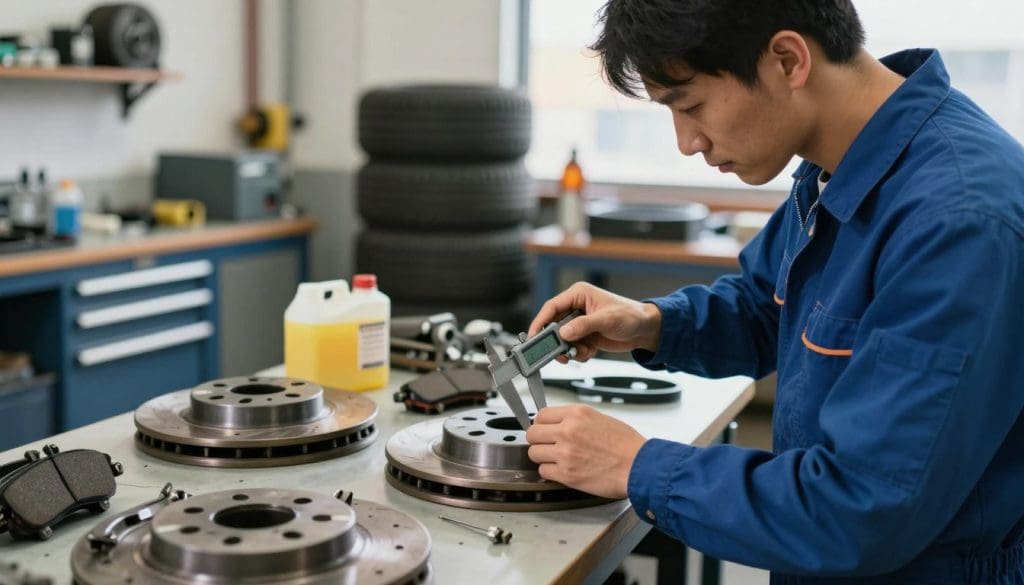
Keeping your car’s stopping power up is key. Regular care ensures your vehicle stays safe and ready for any road. It’s not just about avoiding repairs; it’s about keeping your car and passengers safe.
Establishing a Routine Inspection Schedule
Experts say check your car every 6 months or 6,000 miles. This helps catch small problems before they get big. Technicians check the pads, rotors, and system health during these visits.
Sticking to this schedule avoids sudden brake failures. It also gives you peace of mind, knowing your car is in good hands. If you notice anything off, like a different pedal feel or sounds, get it checked right away.
Recognizing When It Is Time for a Full System Flush
Brake fluid is vital, but often ignored. Over time, it can absorb moisture, causing corrosion and reducing boiling points. A full system flush every two years removes dirt and keeps the fluid effective.
If your brake pedal feels soft, it’s a sign the fluid might be bad. Regular brake fluid replacement protects expensive parts like the master cylinder. Keeping your system clean ensures it works well for years.
| Service Task | Recommended Frequency | Primary Benefit |
|---|---|---|
| Visual Inspection | Every 6,000 Miles | Early Wear Detection |
| Brake Fluid Flush | Every 24 Months | Prevents Corrosion |
| Rotor Resurfacing | As Needed | Restores Smoothness |
| Pad Replacement | Based on Wear | Ensures Stopping Power |
To keep your car in top shape, contact Heaven Automotive at 6645 Poss Rd. San Antonio, TX 78238. Call them at (210) 682-3898 to fix your vehicle and schedule your next service. Their team is ready to help you keep your braking system safe and reliable.
Conclusion
Your car is a key part of your daily life. Keeping the brakes in good shape is important for safety and your car’s value. Small noises can warn of bigger problems that cost more later.
Looking after your car keeps it running well on Texas roads. You feel more confident driving when you know your brakes work right. Regular checks stop small issues from becoming big problems.
Experts are needed to keep your car in top shape. You get peace of mind with professional care and quality parts. Relying on specialists means your safety is always first.
Call Heaven Automotive at 6645 Poss Rd. San Antonio, TX 78238 for your next service. You can reach them at (210) 682-3898 to get your car fixed today. Take charge of your car’s health and drive with confidence.