

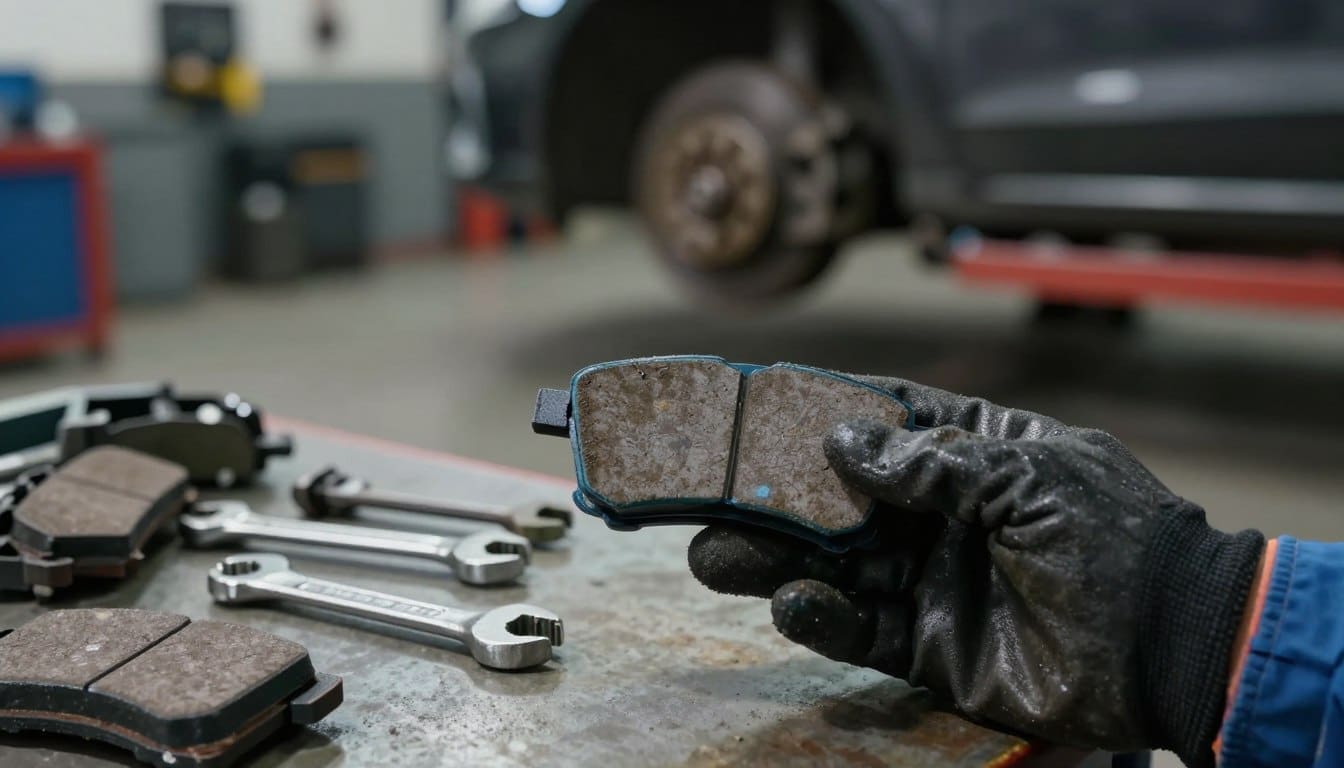
Your car has a complex system to keep you safe. When you press the pedal, you expect a quick response. But, ignoring routine maintenance can lead to dangerous consequences for your vehicle and your safety.
Driving with thin friction components makes stopping much harder. This delay can make it tough to avoid accidents during sudden stops. If you ignore these signs, you risk damaging your rotors and calipers, which can be very expensive.
Getting your Brake Pads Replaced on time is the best way to protect your car. By being proactive, you keep your car running well and your passengers safe. Knowing these risks is the first step to being a more responsible driver.
Key Takeaways
- Worn components drastically increase the distance required to stop your vehicle safely.
- Ignoring maintenance leads to costly damage to other essential hardware like rotors.
- Regular inspections help you identify wear before it becomes a major safety hazard.
- Proactive care ensures your car maintains optimal performance in emergency situations.
- Prioritizing vehicle health is a fundamental responsibility for every informed car owner.
Understanding Brake Pads
Your car’s ability to stop safely depends on its brake pads. These small but mighty components are key to your daily commute. Without them, your car can’t control its speed.
Ignoring these parts can lead to costly repairs, like brake rotor repair. Knowing how they work helps protect your car and saves money.
What Are Brake Pads?
Brake pads are made of steel with friction material on the side facing the rotor. They fit inside the brake caliper, which clamps them. When you press the brake pedal, these pads press against the rotor to slow your car.
They wear down over time and are considered consumable parts. It’s important to check their thickness to ensure they work safely.
Functionality of Brake Pads
When you press the brake, the hydraulic system pushes the calipers. This creates heat and friction, slowing your car. This process stops your vehicle.
If you let your pads wear too thin, metal will scrape against the rotor. This causes damage and expensive brake rotor repair. Keeping your pads in good shape avoids this.
Different Types of Brake Pads
The right brake pad material depends on your driving and car type. Each material offers a mix of stopping power, noise, and lifespan.
| Material Type | Stopping Power | Noise Level | Lifespan |
|---|---|---|---|
| Organic | Moderate | Low | Short |
| Semi-Metallic | High | Moderate | Long |
| Ceramic | Excellent | Very Low | Very Long |
Signs You Need Brake Pad Replacement
Your car can tell you when it needs help. By noticing how it drives, you can spot problems early. Getting a brake service right away keeps you safe.
Squeaking or Grinding Noises
When you hear a high-pitched squeal, your brake pads are thinning. Many cars have a metal tab that scrapes against the rotor when the pads get too thin. Ignoring this sound can cause metal-on-metal contact, leading to a harsh grinding noise and damage to your brakes.
Vibration in the Steering Wheel
Feeling a pulsing or vibration in the steering wheel while slowing down? It might mean your rotors are warped. This happens when brake pads wear down, causing uneven heat on the rotor. A brake service can fix these vibrations before they make stopping hard.
Warning Lights on the Dashboard
Modern cars have sensors that check your brakes. When they see your pads are too worn, a light will turn on your dashboard. Don’t ignore these lights, as they’re your car’s way of saying it needs a brake service.
To keep your car running well, watch for these signs:
- High-pitched squealing when you brake lightly.
- Deep grinding sounds that mean metal is rubbing on metal.
- Steering wheel vibrations or pulsing in the pedal.
- Dashboard warning lights that say your pads are low.
Consequences of Ignoring Worn Brake Pads
Your car needs good brake pads to stop safely. But ignoring wear can lead to more damage. This can put everyone on the road at risk. Knowing these risks helps keep your car safe.
Increased Stopping Distance
Worn-out brake pads don’t grip the wheel well. This means your car takes much longer to stop. Just a few extra feet can make a big difference in safety.
Damage to Rotors and Other Components
When brake pads wear out, metal grinds against rotors. This metal-on-metal contact causes deep grooves and heat. Early action is key to avoid expensive brake rotor repair or system overhaul.
Risk of Brake Failure
Ignoring signs of wear can lead to brake failure. The heat from grinding metal can damage calipers and brake fluid. Always get help early to avoid costly brake rotor repair and keep safe.
Importance of Regular Brake Maintenance
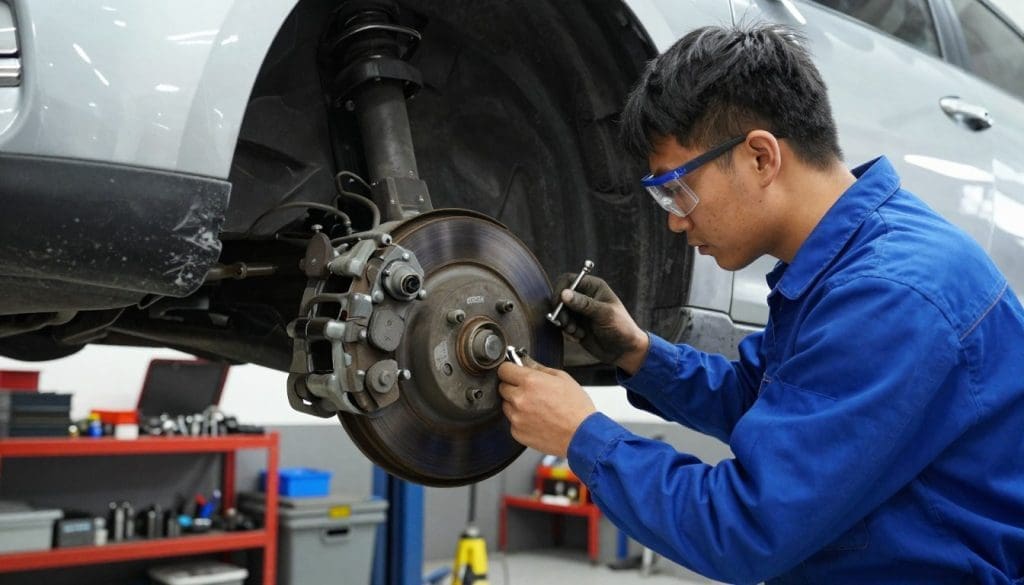
Looking after your brakes is a wise choice for car owners. Regular brake service keeps your vehicle safe on every journey. It also keeps you and your passengers safe from risks.
Prolonging Lifespan of Brake Pads
Get a professional check-up every 6 to 12 months. This keeps your brakes in top shape. Following your car’s maker’s advice helps spot small problems before they get big. This consistent care makes your brake pads last longer and keeps your car running well.
Enhancing Vehicle Safety
Your safety on the road depends on your car’s stopping power. Regular checks help find problems early, like thin pads or fluid issues. When you focus on brake service, your car stops when you need it to. This gives you peace of mind every day.
Cost-Effectiveness in the Long Run
Many see maintenance as a cost, but it’s actually a money-saver. Fixing small problems early saves you from big repairs later. Choosing regular brake service is a smart financial move that saves you money in the long run.
How to Inspect Your Brake Pads
Checking your brake pads regularly can save your vehicle from big damage. It keeps your car safe and reliable. Catching small problems early can prevent expensive repairs.
Visual Inspection Guidelines
Look through your wheel spokes to check your brakes. Your brake pads should be between 1/2 inch and 1/4 inch thick. If they’re thinner than 1/4 inch, it’s time to replace them.
Also, watch for uneven wear or deep grooves. If you see these, get a technician to check for brake rotor repair. Early detection keeps your brakes working well.
Professional Inspection Recommendations
Visual checks are good, but they miss some issues. A pro can spot problems like sticking calipers or uneven pressure. These can cause big performance drops.
Getting a yearly check from a mechanic is wise. They’ll do a detailed brake rotor repair check. This ensures your car stops safely.
| Observation | Status | Recommended Action |
|---|---|---|
| Pad thickness > 1/4 inch | Healthy | Continue routine monitoring |
| Pad thickness | Worn | Schedule replacement immediately |
| Deep grooves or uneven wear | Damaged | Consult for brake rotor repair |
| Sticking or seized calipers | Critical | Professional service required |
The Brake Pad Replacement Process
A successful Brake Pad Replacement needs the right tools and a plan. It’s not expensive if you do it on time. Being proactive keeps your car safe and stops well.
Tools and Equipment Needed
Before starting, collect all needed items for a smooth job. The right tools prevent frustration and ensure precision. You’ll need:
- A reliable car jack and jack stands for safety.
- A lug wrench to remove the wheels.
- A C-clamp or a specialized brake piston tool.
- A socket set and a torque wrench.
- Brake cleaner and high-temperature brake grease.
Step-by-Step Replacement Guide
The Brake Pad Replacement process has several steps that need your focus. First, loosen the lug nuts and lift the vehicle safely. Then, remove the wheel to access the brake assembly.
- Remove the caliper bolts and slide the caliper off the rotor.
- Compress the caliper piston back into its housing with a C-clamp or piston tool.
- Take out the old pads and clean the area with brake cleaner.
- Apply brake grease to the new pads’ contact points.
- Put in the new pads, reattach the caliper, and tighten the bolts as specified.
After installing, pump the brake pedal several times. This seats the pads against the rotor. Always check your work before driving. Proper Brake Pad Replacement ensures your safety and car’s health.
DIY vs. Professional Brake Pad Replacement
Many drivers think about saving money by fixing things themselves. When it comes to Brake Pad Replacement, it’s key to weigh the risks and benefits. Choosing wisely keeps your car safe on the road.
Pros and Cons of DIY
Doing it yourself can save on labor costs. You might enjoy fixing your car and learning about its systems. But, trying this without proper training can be dangerous.
Doing a Brake Pad Replacement wrong can lead to bad brakes or a broken system. Modern cars need special tools to reset brakes and sensors. Without these, you might damage other expensive parts.
Benefits of Hiring Professionals
Letting a trusted technician handle your Brake Pad Replacement is safer. They have the specialized equipment to do it right. They also know how to bleed brakes to ensure a firm pedal.
Hiring a pro gives you valuable peace of mind. It’s more expensive upfront, but it’s safer and more reliable in the long run. The expertise of a qualified shop is worth it, avoiding DIY risks.
Choosing the Right Brake Pads
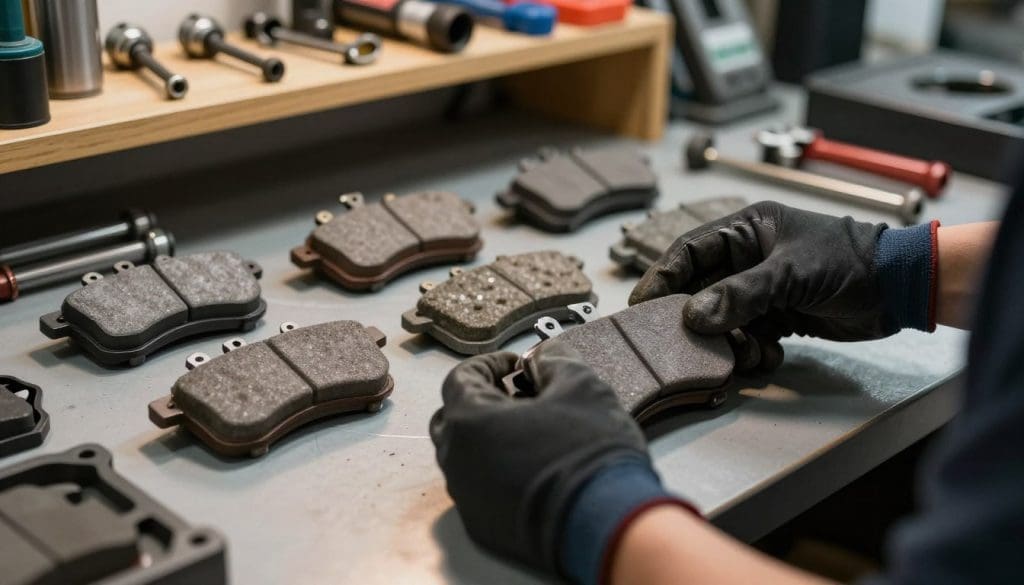
Choosing the right brake pads is key to safe stopping. The quality and type of pads affect your car’s performance and stopping distance. Making a smart choice keeps your brakes working well on different roads.
OE vs. Aftermarket Brake Pads
Original Equipment (OE) brake pads are made just for your car. They offer a consistent feel and performance. They are the safest choice for those who want a reliable driving experience.
Aftermarket brake pads come in many types, from affordable to high-performance. Some may improve your stopping distance, while others focus on reducing dust or noise. Always check the manufacturer’s reputation to ensure quality.
Considerations for Selection
Your driving habits affect which brake pads are best for you. If you often drive in heavy traffic or mountains, you need pads that handle high heat. For city driving, standard pads might be enough.
Vehicle weight and local weather also matter. Heavier cars need stronger pads. And if you live in extreme weather, choose pads that work well in both wet and dry conditions.
| Brake Pad Type | Best For | Stopping Power | Noise Level |
|---|---|---|---|
| Organic | Daily Commuting | Moderate | Low |
| Semi-Metallic | Heavy Loads | High | Moderate |
| Ceramic | Performance | Excellent | Very Low |
The Cost of Brake Pad Replacement
Keeping your car in good shape is key, and brakes are a must. Knowing the cost of Brake Pad Replacement helps you plan for repairs before they become a problem.
Factors Affecting Price
Many things can change the price of your service. The make and model of your car is a big factor. Luxury or high-performance cars need special parts.
The quality of parts you pick also matters. Choosing premium ceramic or metallic pads might cost more. But they last longer and stop better. Labor costs can also vary, depending on how hard it is to install the parts in your car.
Average Cost in San Antonio, TX
In San Antonio, TX, the price for Brake Pad Replacement can change. This is due to local labor costs and what your car needs. Always ask for a clear price to avoid surprises.
For a professional check, visit Heaven Automotive at 6645 Poss Rd. San Antonio, TX 78238. Choosing good parts and skilled labor keeps your car safe and running well for a long time.
| Brake Pad Type | Performance Level | Cost Category | Best Use Case |
|---|---|---|---|
| Organic | Standard | Budget-Friendly | Daily Commuting |
| Ceramic | High | Premium | Luxury Vehicles |
| Metallic | Very High | Performance | Heavy Towing |
Common Myths About Brake Pads
You might think your brakes will suddenly fail and warn you. But that’s a dangerous misconception. Many drivers believe their vehicle stopping is enough. This false belief often leads to delayed maintenance, making your stopping distance longer in emergencies.
Misconceptions Explained
Many believe brake pads wear out overnight. But, your vehicle gives early warning signs like high-pitched squeals or a spongy pedal. Ignoring these signs can lead to expensive repairs or total failure.
Another myth is that you only need to replace pads when you hear metal-on-metal grinding. By then, your rotors are likely damaged. Relying on these myths can make your stopping distance longer and risk your safety.
Facts vs. Fiction
It’s important to know the difference between myths and facts about your vehicle. The table below shows how myths compare to the real facts about your vehicle’s health.
| Common Myth | The Reality | Safety Impact |
|---|---|---|
| Brakes fail suddenly | Brakes show signs over time | High |
| If it stops, it is fine | Worn pads increase stopping distance | Critical |
| DIY is always cheaper | Improper installation costs more | Moderate |
Always choose professional guidance over casual advice. Your safety depends on accurate info and timely maintenance. If unsure, talk to a certified technician to keep your vehicle safe on every trip.
The Role of Heaven Automotive in Brake Care
Keeping your vehicle in top shape is a big deal. At Heaven Automotive, we take your safety seriously. We offer expert-level care for every car that comes to us. Your peace of mind is our top priority with our brake service.
Why Choose Heaven Automotive?
Finding the right team for your car’s maintenance is key. Our techs know a lot about modern brakes. They make sure every repair is done right.
We only use the highest quality parts. This means your car stops perfectly every time. When you choose us, you get a team that values honesty and quality. We treat your car like our own, focusing on safety.
Services Offered at Heaven Automotive
We offer a wide range of brake services. From simple checks to complex repairs, we’ve got you covered. Your rotors, pads, and calipers will work together for the best stopping power.
| Service Feature | Heaven Automotive | General Repair Shop |
|---|---|---|
| Technician Expertise | Certified Specialists | General Mechanics |
| Part Quality | Premium/OEM Parts | Standard Aftermarket |
| Safety Focus | High Priority | Variable |
| Brake Service | Comprehensive | Basic Only |
Need a simple pad change or a full brake check? Our team is here to help. Experience the difference of expert attention for your car’s future. Let us take care of your brake service so you can enjoy the drive.
Customer Testimonials
Real stories from our clients show the impact of professional brake care on your daily commute. Hearing about the genuine experiences of other drivers gives you confidence. It helps when choosing a service center for your vehicle.
We believe in transparency and honesty. These testimonials show our unwavering commitment to excellence. We focus on ensuring your complete satisfaction with every repair.
Real Experiences from Satisfied Clients
Many of our clients in San Antonio were worried about brake noises before visiting us. After a thorough inspection and professional repair, they saw a big improvement. Their vehicle’s performance and safety got much better.
One local driver said they felt peace of mind while driving their family after we replaced their worn pads. These stories show why choosing a reliable service center is key. It’s all about your safety.
How Heaven Automotive Made a Difference
Our team is proud to fix complex brake issues that others might miss. We use high-quality parts and precise techniques. This keeps your vehicle in peak condition for a long time.
We know your time is precious. That’s why we aim for efficient and honest service every visit. Our goal is to help you keep your vehicle in top shape. This way, you can drive with total confidence.
The feedback we get reminds us why we do what we do. We’re honored to serve our neighbors. We look forward to continuing our tradition of exceptional automotive care for years to come.
Contact Heaven Automotive for Brake Pad Replacement
Your vehicle needs healthy parts to keep you safe on busy streets. Regular maintenance stops expensive repairs and makes your drive smooth. If you see signs of wear, get expert help right away for your safety.
Heaven Automotive has the skills for a reliable Brake Pad Replacement. Our team knows your braking system well and aims to get it back to top shape. You should feel safe every time you press the brake.
Get in Touch Today
Don’t let small problems become big mechanical issues. Call our dedicated team at (210) 682-3898 to book your next visit. We’re ready to do a professional Brake Pad Replacement that fits your needs.
Choose Heaven Automotive to fix your car and enjoy top-notch service in San Antonio. Our experts are eager to help you keep your car safe and efficient for many years.