

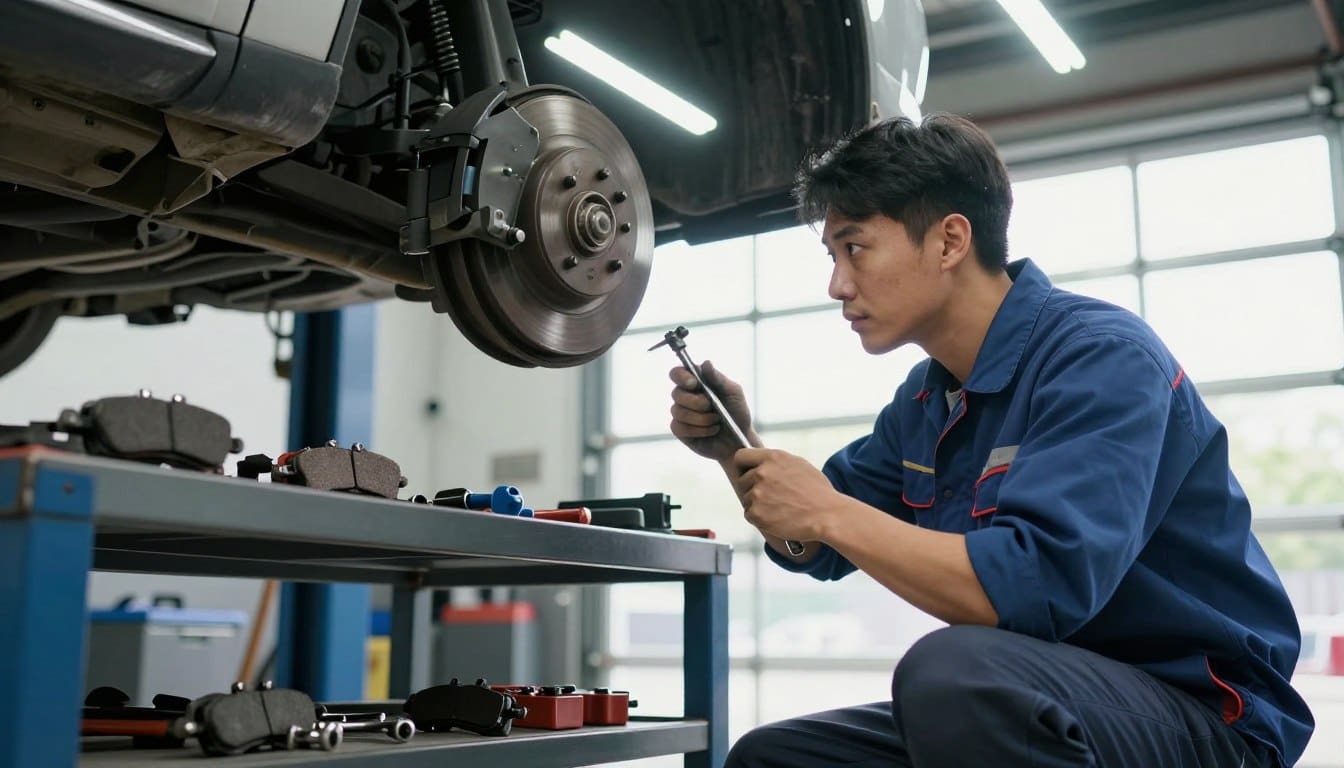
Your car’s brakes are your first line of defense against accidents. Every year, brake failures cause nearly 5% of all crashes in the U.S. These accidents can lead to serious injuries that could be easily avoided with timely maintenance.
By paying attention to warning signs, you can stay safe on the road. Acting quickly ensures your protection and keeps your passengers safe. Never overlook any unusual sounds or changes in how your car stops.
At Heaven Automotive, we prioritize your safety. Our team offers thorough inspections. For a top-notch brake repair San Antonio service, visit us at 6645 Poss Rd. San Antonio, TX 78238. Or call (210) 682-3898 to get your car fixed right away.
Key Takeaways
- Stopping systems are critical for avoiding catastrophic road accidents.
- Approximately 5% of yearly vehicle crashes stem from preventable failures.
- Recognizing early warning signs can save lives and reduce repair costs.
- Regular maintenance ensures your vehicle remains reliable under pressure.
- Professional inspections help identify hidden issues before they become dangerous.
- Local experts at Heaven Automotive provide essential safety services for drivers.
Understanding the Importance of Brake Health
Your vehicle’s brakes are a key safety feature that needs regular checks. At Heaven Automotive, we know how vital brake health is. We offer top-notch brake inspection San Antonio services to keep your vehicle safe.
Keeping your brakes in check is more than just maintenance. It’s about keeping you and others safe on the road. If you ignore brake problems, you could face serious accidents and expensive fixes.
Why Brake Maintenance Matters
Brake maintenance is key to avoiding accidents. Issues like worn-out brake pads and low brake fluid can harm your vehicle’s brakes. Fixing these problems early can save you from costly repairs later.
Regular brake care also boosts your vehicle’s performance. Well-maintained brakes help your car stop smoothly and efficiently. This makes driving safer and more enjoyable.
The Risks of Ignoring Brake Issues
Ignoring brake problems can be dangerous. It can lead to longer stopping times and even brake failure. This puts you and others at risk.
Ignoring brake issues can also cost a lot. Delayed repairs can cause more damage, leading to higher repair bills. In the worst cases, it can lead to accidents, which can be very expensive.
| Maintenance Task | Frequency | Benefits |
|---|---|---|
| Brake Pad Inspection | Every 10,000 miles | Prevents brake pad wear, reduces stopping distance |
| Brake Fluid Check | Every 5,000 miles | Ensures proper brake function, prevents corrosion |
| Rotor Resurfacing or Replacement | As needed | Improves braking performance, prevents vibration |
Common Symptoms Indicating Brake Problems
Brake issues can get worse fast if not fixed. It’s key to spot the warning signs early. Your car’s brakes have many parts that work together for safe stops. If any part fails, you’ll notice different symptoms.
Squeaking or Grinding Noises
Unusual sounds when braking are a big clue of brake problems. Squeaks or grinds mean your brake pads are worn or broken. Hearing these sounds? Get your brakes checked by a pro, like those at Heaven Automotive.
Warning Lights on Your Dashboard
Modern cars have brake systems that light up warning lights on your dashboard. If the brake light comes on, it could mean low brake fluid or serious brake issues.
Vibration When Applying Brakes
Vibrations or pulsations when braking might mean warped brake rotors. This can make braking less effective and wear out other parts if not fixed.
To grasp the common brake symptoms and what they mean, check the table below:
| Symptom | Possible Cause | Recommended Action |
|---|---|---|
| Squeaking or Grinding Noises | Worn or damaged brake pads | Inspect and replace brake pads if necessary |
| Warning Lights on Dashboard | Low brake fluid or brake system issues | Check brake fluid level and inspect brake system |
| Vibration When Braking | Warped or uneven brake rotors | Resurface or replace brake rotors as needed |
The Role of Brake Pads in Vehicle Safety
Brake pads are key to your vehicle’s braking system. They help you stop safely by creating friction with the brake rotors. The quality and condition of your brake pads are vital for good braking.
What Are Brake Pads?
Brake pads have friction material on a metal backing plate. This material touches the brake rotor when you brake, slowing you down. At Heaven Automotive, we stress the need for high-quality brake pads for safe stopping.
Signs of Worn or Damaged Brake Pads
Knowing when to replace brake pads is important. A squealing or grinding sound when braking is a common sign. This noise happens when the brake pad’s wear indicator tab touches the rotor, showing it’s too thin.
Other signs include:
- Reduced braking performance or a spongy brake pedal
- Vibration or pulsation when applying the brakes
- Visible wear on the brake pads upon inspection
Ignoring these signs can cause serious problems. It can damage the brake rotors and increase accident risk. Regular checks and timely brake pads replacement are key to keeping your vehicle safe and running well.
| Signs of Worn Brake Pads | Description | Action Required |
|---|---|---|
| Squealing or Grinding Noise | Noise occurs when brake pads are worn down to 2-3mm thickness. | Inspect brake pads and replace if necessary. |
| Reduced Braking Performance | Brake pedal feels spongy or less responsive. | Check brake fluid level and condition of brake pads. |
| Vibration or Pulsation | Vehicle vibrates when brakes are applied. | Inspect brake rotors and pads for wear or damage. |
Brake Fluid: The Lifeblood of Your Braking System
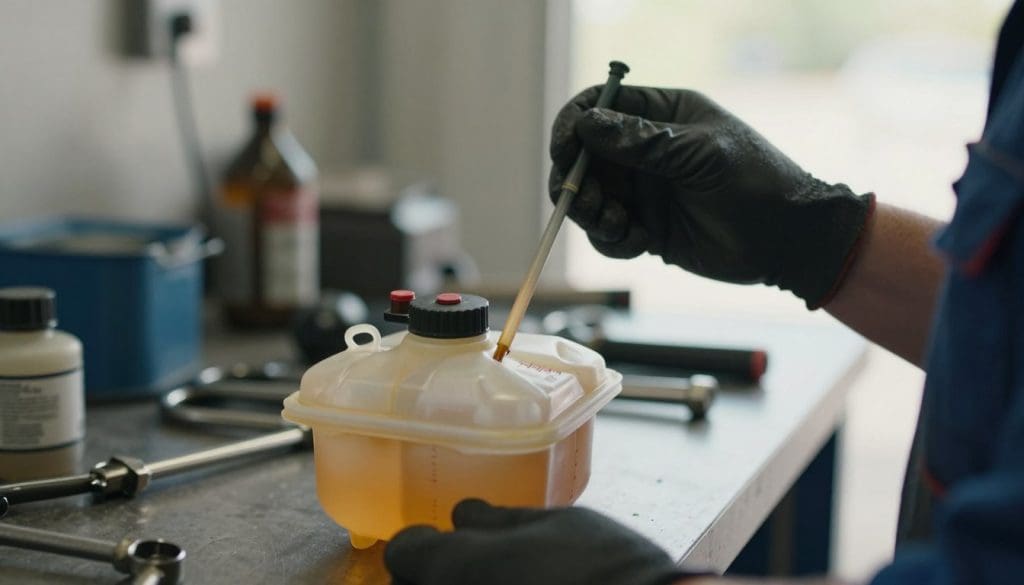
Brake fluid is key to your car stopping safely. It helps create pressure that pushes the brake pad against the rotor. This lets your car stop. Keeping brake fluid in good shape is essential for your brakes to work right.
At Heaven Automotive, we know how important brake fluid is. We check and maintain it regularly. This helps avoid brake failure and keeps you safe on the road.
How to Check Brake Fluid Levels
It’s easy to check your brake fluid at home. The reservoir is on the driver’s side near the master cylinder. Here’s how to do it:
- Find the brake fluid reservoir under the hood.
- Look at the minimum and maximum marks on the reservoir.
- If it’s below the minimum, you need to add brake fluid.
Signs of Contaminated Brake Fluid
Bad brake fluid can cause big problems. Here are signs it might be contaminated:
- Dark or dirty brake fluid: Clean fluid is light in color. Dark or dirty fluid means it’s contaminated.
- Low brake fluid level: A low level could mean a leak.
- Spongy brake pedal: A soft pedal might mean air or moisture in the fluid.
If you see these signs, get your brake fluid checked. Heaven Automotive can help with checks and replacements. We make sure your brakes work well and safely.
Understanding Brake Rotors and Their Importance
Knowing how brake rotors work is key to keeping you safe on the road. Brake rotors are big metal discs attached to your vehicle’s axle. When you press the brakes, the pads squeeze the rotors, stopping your wheels.
What Are Brake Rotors?
Brake rotors, or brake discs, are vital for stopping your car. They work with the brake pads to slow down or stop your vehicle. Made of cast iron or steel, they handle the heat from friction well.
Symptoms of Worn Brake Rotors
As rotors wear out, they can become uneven, causing vibrations when you brake. Signs of worn brake rotors include:
- Pulsating or vibrating brake pedal
- Squealing or grinding noises when applying the brakes
- Visible scoring or excessive wear on the rotor surface
If you see these signs, get your brake rotors checked by a pro like Heaven Automotive. They’ll tell you what to do next.
The Impact of Weather on Brake Performance
Brake performance isn’t just about keeping them in good shape. It also depends on the weather. Knowing how weather affects your brakes is key to keeping your vehicle safe and running well.
At Heaven Automotive, we’ve noticed how different climates can harm brake health. For example, using your brakes too much on steep hills can overheat your rotors. It’s best to use lower gears on long descents and avoid braking too much to prevent this.
How Extreme Temperatures Affect Brakes
Extreme temperatures, whether it’s hot or cold, can really impact your brakes. High heat can make brake fluid break down faster, reducing how well your brakes work. On the flip side, very cold temperatures can make brake parts more likely to crack.
Heat can warp brake rotors, causing vibrations when you brake. And cold temperatures can make brake fluid thicker, making it harder for your brakes to stop your vehicle efficiently.
Tips for Brake Care in Different Climates
Looking after your brakes means adjusting to your local weather. Here are some helpful tips:
- Regularly check your brake fluid levels and condition, even more so in extreme temperatures.
- Avoid riding your brakes, which is important on long descents.
- Use the right gear when driving downhill to ease the brake load.
- Get your brakes checked more often if you live in a place with extreme weather.
By following these tips and understanding how weather impacts your brakes, you can keep your vehicle safe to drive, no matter the weather.
Signs of Brake Line Issues
It’s important to know the signs of brake line problems for your safety. Brake lines are key to your vehicle’s brakes. Any trouble with them can make braking less effective or even fail.
Recognizing Brake Fluid Leaks
A brake fluid leak is a big sign of brake line trouble. Look for clear or light brown fluid puddles under your car. Also, check your wheels for wet spots after driving. This could mean a leak.
Common signs of brake fluid leaks include:
- Puddles of fluid under your vehicle
- Wet spots on the inside of wheels
- A spongy brake pedal, which can indicate air in the brake lines or a leak
If you think you have a brake fluid leak, get it checked by a pro. Heaven Automotive can help avoid more damage to your brakes.
Indicators of Cracked or Damaged Brake Lines
Cracked or damaged brake lines can hurt your car’s braking. Check your brake lines often for wear or damage.
Look out for these indicators:
- Visible cracks or rust on the brake lines
- Corrosion or damage to the brake line fittings
- A decrease in braking performance or a soft brake pedal
Regular checks can spot these problems early. This lets you fix them before they cause trouble. Heaven Automotive can check and fix your brake lines for your safety.
When to Seek Professional Brake Repair
Brake problems can be hard to figure out. Knowing when to get a mechanic’s help is key. At Heaven Automotive, we know how important professional brake repair is for your car’s safety and performance.
DIY Inspection Tips
Before you call a mechanic, do some basic checks. Listen for odd noises when you press the brakes. Squealing or grinding sounds mean your brake pads or other parts need attention.
Also, check your dashboard for brake system warning lights. Look at your brake pads and rotors for wear. Thin brake pads or deep grooves on rotors are bad signs. Don’t forget to check your brake fluid level; low levels can mean a leak.
| Inspection Item | What to Look For | Action Required |
|---|---|---|
| Brake Pads | Wear beyond minimum thickness | Replace if worn out |
| Brake Rotors | Deep grooves or excessive wear | Resurface or replace |
| Brake Fluid Level | Level below minimum mark | Check for leaks, top up fluid |
Knowing When to Call a Mechanic
If you’re not sure about your brakes or notice odd symptoms, get a mechanic’s help. At Heaven Automotive, our skilled techs can quickly find and fix brake problems.
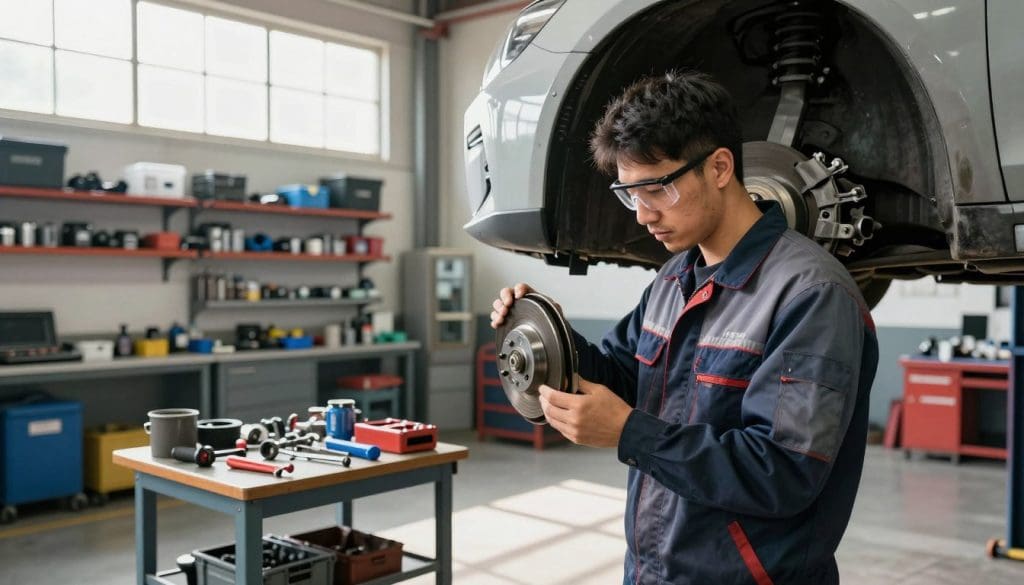
Call a mechanic if you hear constant brake noises, have a spongy brake pedal, or if your car pulls to one side when braking. These signs point to serious problems that need quick action.
By taking care of your brakes and knowing when to get professional brake repair, you keep yourself safe on the road. And you avoid expensive repairs later.
The Cost of Ignoring Brake Issues
Ignoring brake problems is a big mistake. It can risk your safety and the safety of others. Not fixing brakes can lead to bigger and more expensive issues later.
At Heaven Automotive, we know how important it is to fix brake problems fast. Waiting too long can damage more brake parts. This makes repairs even more expensive.
Short-Term vs Long-Term Expenses
Fixing brake parts might seem expensive at first. But, ignoring these problems can cost a lot more in the long run. Short-term savings can lead to long-term financial burdens. For example, not replacing brake pads can damage rotors, which is more expensive.
Driving with bad brakes can cause bigger problems. This includes brake fluid leaks or a total brake failure. These repairs can be very costly and risky for your safety.
Potential Dangers of Delayed Repairs
Ignoring brake problems can be very dangerous. Faulty brakes can make stopping harder, reduce control, and increase accident risk. In the worst cases, brake failure can cause serious crashes.
Driving with bad brakes can also lead to legal and financial trouble. If you’re in an accident because of bad brakes, you might have to pay for damages or injuries.
Fixing brake problems quickly can prevent these dangers. At Heaven Automotive, we help keep your brakes in good shape. This way, you can stay safe on the road and avoid expensive repairs.
Regular Maintenance Tips for Your Brakes
Keeping your brakes in good shape is key. Heaven Automotive wants you to know how important it is. It ensures your car runs well and safely.
Recommended Inspections and Servicing
Regular checks help spot problems early. Here’s what to look at during brake maintenance:
- Check brake fluid levels and condition.
- Inspect brake pads and rotors for wear.
- Look for signs of leaks in the brake system.
Regular inspections prevent brake failure. They keep your car safe to drive.
How Often to Replace Brake Components
When to replace brake parts depends on your driving and where you drive. For example:
- Driving Habits: City driving or hard braking wears out parts quicker.
- Environmental Conditions: Driving in humid, hot, or salty areas can damage brakes.
Brake pads usually last 30,000 to 50,000 miles. But, it can change based on your driving and environment. Always check your car’s manual and get brake checks from experts like Heaven Automotive.
Choosing the Right Brake Repair Service in San Antonio
Choosing the right brake repair service in San Antonio is key for your car’s safety and performance. With many options, picking the right one can be tough. At Heaven Automotive, we know how important reliable brake repair services are.
Reliable brake repair means more than just fixing the problem. It means your car stays safe to drive. A good mechanic will find the issue and tell you how to fix it.
What to Look for in a Mechanic
When looking for brake repair in San Antonio, consider a few things. First, find a mechanic with brake repair experience. Certifications and qualifications show they know what they’re doing. Also, check the shop’s reputation by reading reviews and asking friends or family.
A good workshop is also important. The mechanic should have the latest tools for accurate and quick repairs.
Questions to Ask Before Committing
Before choosing a brake repair service, ask the right questions. First, ask about the cost of repairs and what it includes. Also, find out about the warranty and what it covers.
- What is the diagnosis and recommended repair plan?
- What is the estimated cost and timeline for the repairs?
- What kind of warranty do you offer on your repairs?
- Can I see the parts that need to be replaced?
Asking these questions helps you make a smart choice. It ensures your car is in good hands with a service like Heaven Automotive.
Conclusion: Prioritize Your Brake Safety
Maintaining brake safety is key to avoiding accidents and ensuring a safe drive. Being aware of brake problems and acting fast can greatly lower the risk of brake failure.
Action for Brake Issues
If you notice any brake problems, act quickly. Regular checks and timely fixes can stop bigger issues from happening. Taking early action ensures your brakes work right.
Safe Driving with Heaven Automotive
For top brake repair, think of Heaven Automotive. Their skilled team keeps your brakes safe. Visit them at 6645 Poss Rd. San Antonio, TX 78238, or call (210) 682-3898 to book a time. With Heaven Automotive, you can drive safely, knowing your brakes are well cared for.