

Many drivers focus on oil changes or tire pressure but ignore the air quality inside their car. Did you know the air inside your car can be five times more polluted than outside? This hidden danger builds up over time, harming your health every time you drive.
Your car has a special part to catch dust, pollen, and exhaust fumes before they hit your lungs. When it gets clogged, it stops working right. Keeping your health in mind means keeping this system clean and working well.
If you smell musty odors or feel less air, it’s time for a check-up. Getting your Cabin Air Filter replaced can make driving much better. For top-notch service, call Heaven Automotive in San Antonio at (210) 682-3898 to get your car fixed today.
Key Takeaways
- Interior vehicle air is often significantly more polluted than outdoor air.
- Neglecting your filtration system can lead to respiratory irritation for passengers.
- Regular maintenance ensures that your ventilation system operates at peak efficiency.
- Musty smells are a clear warning sign that your system needs attention.
- Clean air is a necessity for your daily commute, not just a luxury.
What is a Cabin Air Filter?
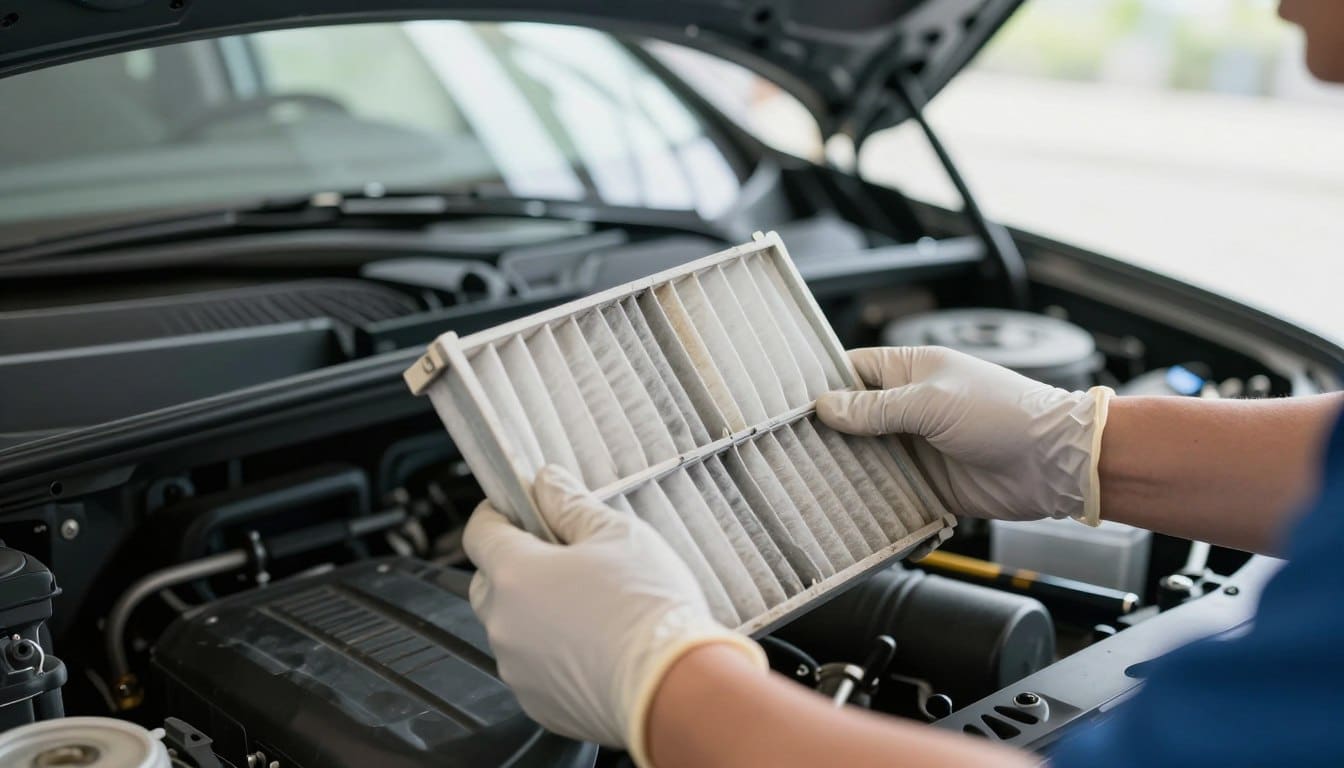
Your vehicle’s cabin air filter is a silent protector of your health. It’s usually found behind your glove box or under the dashboard. It cleans the air before it reaches you.
Definition and Function
The cabin air filter is made of paper or cotton. It traps tiny particles in the air. This keeps your air clean while driving.
Without it, your car would fill with harmful stuff. It stops road dust, pollen, soot, and ozone from getting in.
- Road dust and dirt
- Pollen and plant spores
- Soot and exhaust emissions
- Harmful ozone gases
Importance in Your Vehicle
Did you know car air is five times more polluted than outside air? Your car’s air gets dirty fast because it’s a closed space. Your HVAC system moves a lot of air, up to 540,000 liters an hour.
Keeping your filter clean is key. It stops you from breathing in bad stuff. Good air quality is not just about comfort; it’s essential for your health.
Signs You Need a Cabin Air Filter Replacement
Knowing when your filter needs a change can prevent breathing problems. Your pollen filter catches dirt, dust, and more. But, when it gets too full, it stops working well.
Decreased Airflow
A drop in air from your vents is a big sign you need a Cabin Air Filter Replacement. If you need to turn your fan up high to feel air, your filter is probably clogged.
- Weak airflow despite high fan settings.
- Whistling noises coming from the ventilation system.
- Inconsistent temperature regulation throughout the cabin.
Unpleasant Odors
A dirty filter can harbor mildew, mold, and bacteria. If your car smells musty or sour when you turn on the AC, it’s time to change the filter. These smells can make your drive uncomfortable.
Increased Allergies
Sneezing, itchy eyes, or headaches while driving might mean your car is spreading allergens. A dirty pollen filter lets spores and fungi into your air. Replacing it regularly keeps your air clean, no matter what’s outside.
How Often Should You Replace Your Cabin Air Filter?
Keeping your car’s air quality high is key. Replacing your cabin air filter regularly is essential. It acts as the main pollen filter for your car’s interior. This keeps you and your passengers breathing clean air on every drive.
Manufacturer Recommendations
Most car makers say to replace the filter every 15,000 to 30,000 miles. Always check your owner’s manual for the exact advice for your car. Following these guidelines keeps your heating and cooling system working well.
Driving Conditions Impact
Your environment affects how fast your pollen filter gets dirty. If you drive in tough conditions, you might need to change it sooner. Regular checks help you know if it’s getting full too fast.
Replace your filter more often if you face these situations:
- Driving on unpaved or dusty roads often.
- Commuting through areas with lots of traffic and pollution.
- Living in places with lots of pollen or pollution.
- Driving in very dry or arid areas.
Watching these factors helps keep your pollen filter working well. This simple action protects your HVAC system and keeps your car comfortable all year.
The Benefits of a Fresh Cabin Air Filter
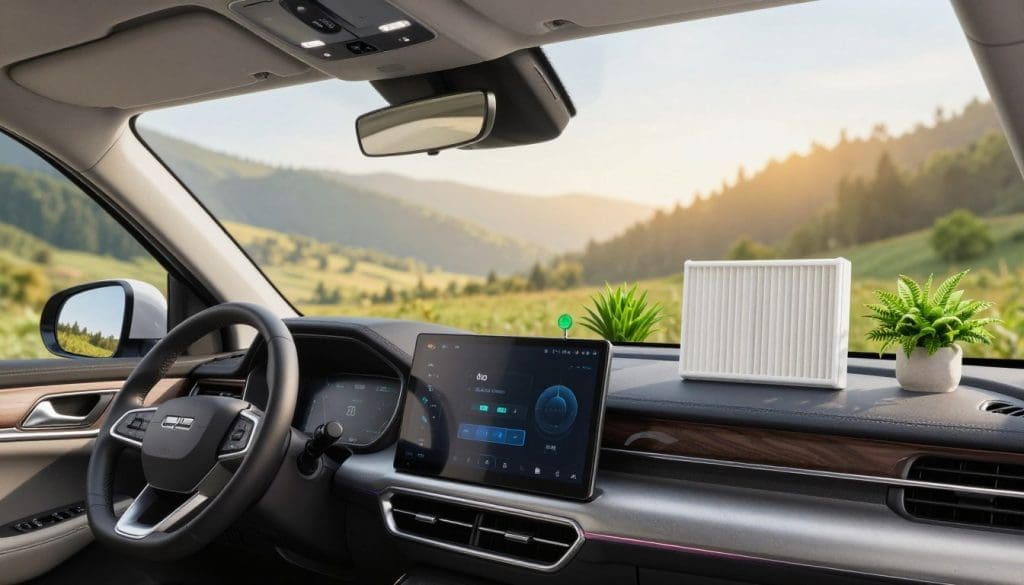
Changing your cabin air filter can make a big difference in your daily drive. This small part is key to keeping the air in your car clean.
Improved Air Quality
A new filter catches dust, pollen, and other particles before they get inside. This keeps the air in your car clean and healthy. It’s great for people with allergies or breathing problems.
With clean air, your car rides feel fresh and comfortable. It’s a big plus for everyone inside.
Enhanced Comfort
A clean filter also makes your car a nicer place to be. It keeps the air smelling good and flowing well.
Here’s why keeping your filter clean is important:
- Reduced odors from outside traffic and exhaust.
- Consistent airflow throughout the entire cabin.
- A quieter ventilation system operation.
Protection for HVAC System
Your car’s climate control needs clean air to work right. A dirty filter makes the fan work harder, which can wear it out faster.
Changing the filter often keeps your HVAC performance at its best. It also saves your blower motor from too much work. This simple step helps your car’s climate control last longer.
Looking after your HVAC performance can save you money on repairs later. Taking care of your filter is a smart move for your car’s health.
How to Check Your Cabin Air Filter
First, find out where your cabin air filter is. It’s not hard to do this simple maintenance task. Just a few minutes of your time can keep your car’s air fresh all year.
Locations in Common Vehicles
Most cars have their cabin air filter in three main places. The most common spot is behind the glove box. You’ll need to empty the glove box and open a latch or damper.
Another spot is near the windshield base, often hidden by a plastic cover. Some cars have it under the dashboard on the passenger side. You might need to remove a cover or screws to get to it. Always check your owner’s manual for exact locations.
Visual Inspection Tips
When you find the filter, pull it out gently. A clean filter should be mostly dust-free. But, if it’s full of dirt, leaves, or twigs, it’s time for a new one.
Look at the filter’s color. If it’s dark, gray, or black, it’s full of pollutants. Also, check for moisture or mold, which can make your car smell bad.
| Location Type | Difficulty Level | Tools Required |
|---|---|---|
| Behind Glove Box | Easy | None or Screwdriver |
| Under Dashboard | Moderate | Screwdriver or Pliers |
| Engine Bay/Cowl | Easy | None |
DIY vs. Professional Replacement
Replacing a cabin air filter is a common task. You can do it yourself or have a professional do it. The choice depends on your car’s design and your comfort with DIY tasks.
Knowing the pros and cons of each option helps you decide. Both ways ensure your car’s air stays clean for you and your passengers.
Pros and Cons of DIY
Many drivers save money by doing it themselves. Replacing a cabin air filter usually takes less than 15 minutes. You don’t need special tools.
It’s often a simple matter of accessing a compartment behind the glove box or under the dashboard. But, some cars have complex trim panels that are hard to remove.
Trying to force these panels can damage your car. If you’re not comfortable with interior work, getting a professional might be safer.
Benefits of Professional Service
Going to a professional gives you peace of mind. They make sure the filter is installed right, so there are no air leaks.
Professionals also check your HVAC system. They look for problems like debris in the blower motor or moisture. You might miss these issues yourself.
This comprehensive approach keeps your car’s climate control system in top shape. An expert ensures your cabin stays comfortable all year round.
| Feature | DIY Replacement | Professional Service |
|---|---|---|
| Cost | Low (Parts only) | Moderate (Parts + Labor) |
| Time Required | 10–20 Minutes | 30–60 Minutes |
| Expertise | Basic mechanical skill | Certified technician |
| System Check | None | Full HVAC inspection |
The Cost of Cabin Air Filter Replacement
The cost of a cabin air filter replacement is usually low. Most people find it fits well within their yearly car budget. It’s a small price for cleaner air inside your car.
Average Prices in the U.S.
Expect to pay between $20 and $50 for a cabin air filter replacement. This includes the filter and the labor to install it. Doing it yourself can save you money, just for the part.
Factors Affecting the Cost
Several things can change the final cost. The type of filter you pick is a big factor. Filters like high-efficiency or charcoal-activated ones cost more than basic paper ones.
The design of your car also matters. Some cars are harder to work on, which can raise labor costs. Luxury cars need special parts, which are pricier. Service centers in different places might charge different labor rates. See the table below for how these choices affect your cost.
| Filter Type | Estimated Part Cost | Labor Complexity |
|---|---|---|
| Standard Paper | $15 – $25 | Low |
| Activated Carbon | $30 – $50 | Low |
| HEPA/Premium | $45 – $70 | Moderate |
| Luxury OEM | $60+ | High |
Common Misconceptions About Cabin Air Filters

Many people think cabin air filters are maintenance-free or last forever. Unfortunately, this can lead to bad air quality and damage to your car’s heating and cooling system.
“I Don’t Need to Replace It”
Some think cabin air filters are “set it and forget it.” But, they block dust, pollen, and exhaust fumes. Over time, they get clogged, making your HVAC system work too hard.
Not replacing them can cause stale air and less airflow. Treat the filter like your engine oil or tires. Replacing it regularly means cleaner air for you and your passengers.
“Any Filter Works Just Fine”
Many believe all cabin air filters are the same. But, the wrong filter can harm your car’s performance and air quality.
Car-specific filters fit perfectly and prevent leaks. A high-quality filter filters better than generic ones. The right filter keeps you healthy and your car’s system working well.
| Filter Type | Filtration Level | Best For |
|---|---|---|
| Standard Paper | Basic Dust | Budget Maintenance |
| Activated Carbon | Odors & Gases | Urban Driving |
| HEPA Grade | Fine Particles | Allergy Sufferers |
The Impact of Cabin Air Filters on Overall Vehicle Health
Did you know a small filter can greatly affect your car’s health? Many drivers focus on engine oil, but the cabin air filter is key for interior air quality. It also protects important parts. Ignoring this filter can cause many problems.
Preventing HVAC Issues
A clogged cabin air filter makes your blower motor work too hard. Dust, leaves, and debris block airflow. This harms your HVAC performance over time.
When the blower motor can’t pull air, it may overheat or break down early. Regular maintenance keeps air flowing well. This keeps your climate control system working without stress.
Extending Vehicle Lifespan
Your cabin air filter acts as a shield for your car’s climate systems. It catches contaminants before they reach the ducts. This keeps the evaporator and heater cores clean.
Keeping these parts clean saves you money on repairs. It also makes your car reliable for longer. A well-kept system works better, protecting your dashboard and vents. Taking care of this filter is a smart way to keep your car’s climate system in top shape.
| System Component | Clean Filter Impact | Clogged Filter Impact |
|---|---|---|
| Blower Motor | Optimal load and longevity | High strain and overheating |
| HVAC Performance | Strong, consistent airflow | Weak, restricted output |
| Internal Ducts | Free of debris buildup | Accumulation of dust and mold |
| Repair Costs | Lower long-term expenses | Higher risk of system failure |
Choosing the Right Cabin Air Filter
Not all cabin air filters are the same. Your choice affects your driving experience. Picking the right one keeps your HVAC performance top-notch and protects your passengers.
OEM vs. Aftermarket
When it’s time to replace, you face OEM or aftermarket options. OEM filters meet your car’s exact standards for fit and airflow.
Aftermarket filters offer more choices. They might have materials that go beyond what the factory uses. While OEM parts fit perfectly, top-notch aftermarket filters can improve your overall air quality with advanced filtration.
What to Look For
Look for the technology in the filter media. HEPA filters are top-notch, capturing 99.97% of particles as small as 0.3 microns. They’re great for those with severe allergies or driving in dusty areas.
Activated carbon filters are also excellent. They remove up to 90% of bad smells and harmful gases. Choosing the right technology keeps your HVAC performance optimal and your air fresh.
| Filter Type | Primary Benefit | Efficiency Level |
|---|---|---|
| Standard Paper | Basic Dust Removal | Low |
| Activated Carbon | Odor & Gas Neutralization | Medium-High |
| HEPA Grade | Fine Particle Capture | Very High (99.97%) |
Environmental Impact of Cabin Air Filters
Your choice of cabin air filter is more than just about comfort. It also helps protect the environment. These filters keep harmful pollutants out of your car. By picking high-quality filters, you help keep the air around you cleaner.
Pollution Reduction
Today’s cabin air filters catch dust, pollen, and exhaust soot. They work best when they’re in top shape. This means they keep bad particles from getting back into the air through your car’s vents. High-efficiency filters help keep the air you breathe clean, even in busy cities.
By stopping these pollutants, you also prevent them from settling on your car’s interior. This is key for keeping your car from adding to air pollution. Regular filter changes help your car be part of the solution, not the problem.
Recycling Options
It’s important to dispose of old filters the right way. Many filters are made of materials that can’t be recycled easily. But, you can find places that specialize in responsible waste management for car parts.
Some companies are now making filters from biodegradable materials. Before throwing away your old filter, check the packaging or the company’s website for recycling tips. These small steps help you support a greener future.
How to Maintain Your Cabin Air Filter
Keeping your cabin air filter in good shape is easy. Just a few simple steps can make a big difference. By taking care of your car, you keep your air clean and your car running well.
Regular Inspection Tips
Checking your pollen filter regularly is a must. Look for dust, leaves, or dirt that might block air. If it looks gray or dark, it’s time for a new one.
Also, check for moisture or dark spots on the filter. These can mean mold or bacteria. Spotting these early helps avoid bad smells in your car.
Best Practices for Longevity
To make your filter last longer, don’t drive with your windows down in dusty areas. This helps your pollen filter work less hard. It also keeps your car’s air cleaner.
When you do clean your filter, make sure it fits right. A loose filter lets unclean air through. Regular maintenance keeps your filter working well for a long time.
When to Seek Professional Help
Knowing when to ask a mechanic for help is smart. Some tasks are easy, but others need a pro’s tools and skills. A Cabin Air Filter Replacement by a certified tech keeps your car’s air fresh and comfy.
Signs of Serious Issues
Even with a new filter, bad smells can persist. This might mean mold or dirt has spread. Strange noises, like clicks or whistles, when the fan runs, could mean the blower motor is failing.
These signs mean a simple filter change won’t fix it. Ignoring them can damage your HVAC system and cost a lot. It’s wise to get a pro’s help to avoid bigger problems.
Choosing the Right Automotive Service
Finding a trustworthy shop is key. Look for places with ASE-certified techs who know modern car systems. A good shop will check everything during your Cabin Air Filter Replacement to catch any other issues.
When picking a service, check their honesty about costs and how they explain repairs. Experts will tell you exactly what your car needs. This ensures your car stays in great shape for every trip.
| Service Aspect | DIY Approach | Professional Service |
|---|---|---|
| Diagnostic Depth | Surface level | Comprehensive system check |
| Tool Availability | Basic hand tools | Advanced diagnostic equipment |
| Issue Resolution | Filter swap only | Root cause identification |
| Warranty Coverage | None | Guaranteed labor and parts |
Hire Heaven Automotive for Your Vehicle Needs
Keeping your vehicle in top shape is key. You want a smooth ride and clean air inside. Our skilled technicians make sure your car is safe and runs well.
Need reliable service for your vehicle? Heaven Automotive is here for you. Our team offers the best maintenance and repair for your car. We use top-quality parts and the latest tools to keep you safe and comfortable.
Contact Information
Our shop is at 6645 Poss Rd. San Antonio, TX 78238. Our staff is ready to help with any questions or service needs. Call us at (210) 682-3898 to book your next appointment.
Choose Heaven Automotive to fix your vehicle and keep it running great. Let our experts handle your maintenance. Drive with confidence knowing your car is in good hands.