

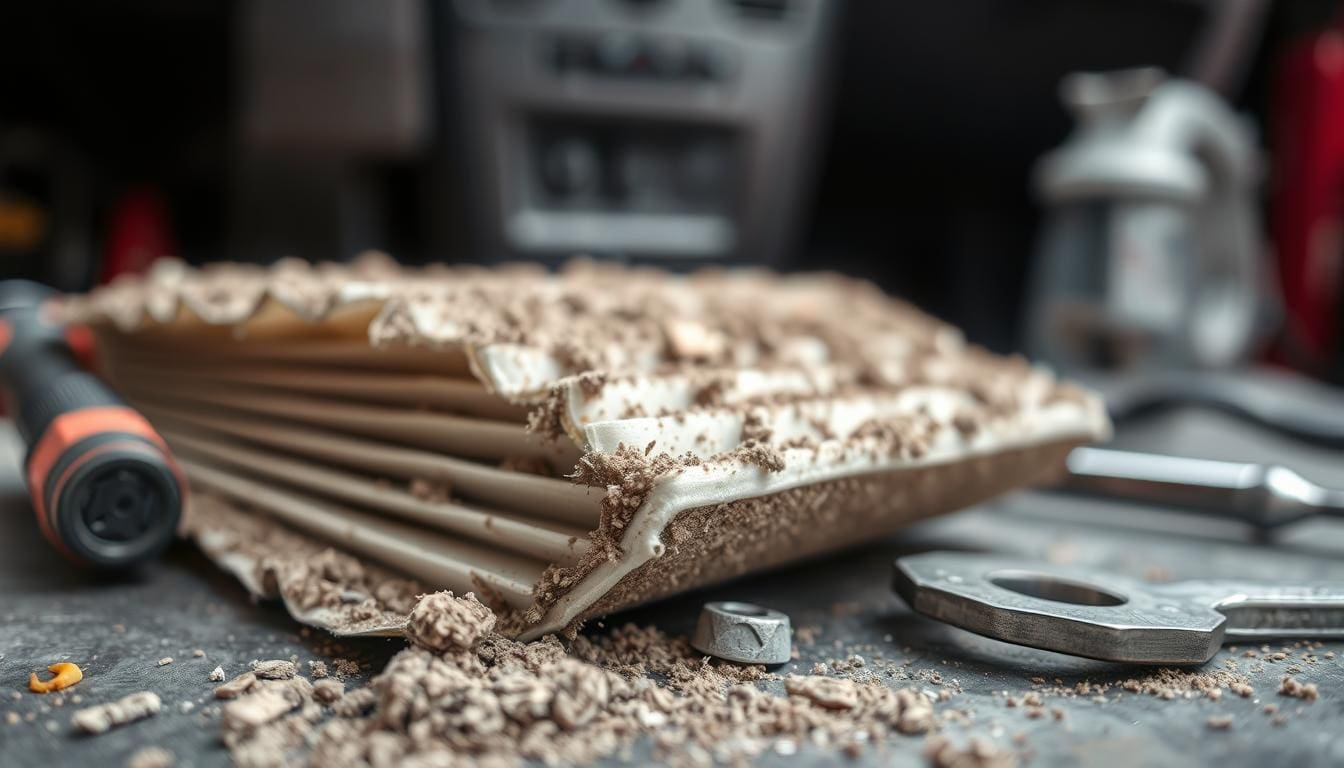
You rely on clean ventilation while you drive. Neglecting the cabin air filter can let dust, pollen, and road grime build up and lower the quality of the air inside your vehicle.
When the protective screen becomes clogged, airflow drops and ventilation systems must work harder. That can cause odors, reduced comfort, and extra strain on HVAC components.
Failing to act may also let contaminants linger in the passenger area and aggravate allergies or breathing issues. Regular checks and timely cabin air filter replacement help keep the in-cabin environment fresh and safe for everyone on board.
Key Takeaways
- Dirty filters reduce airflow and comfort during trips.
- Clogs let dust and pollutants enter the vehicle interior.
- Timely service protects your HVAC system from extra wear.
- Clean ventilation supports passenger health and comfort.
- Check the element regularly and replace per the manufacturer.
Understanding Your Vehicle Ventilation System
A vehicle’s ventilation network directs airflow, heats or cools it, and keeps the passenger area refreshed. The system pulls outside air into the cabin air pathway and conditions it before it reaches you.
Modern vehicles rely on a complex HVAC setup that depends on a clean element to preserve steady airflow and temperature control. When all parts work together, you get consistent comfort and better interior air quality.
Maintaining the integrity of this system matters for longevity and passenger comfort. Debris buildup can block ducts and make components work harder, which raises wear and operational cost.
- What it does: pulls outside air, conditions it, and circulates it through your cabin.
- Why it matters: a well-functioning hvac system keeps temperature stable and reduces pollutants indoors.
- What you can do: inspect and care for the ventilation path to prevent obstructions and odors.
What is a Cabin Air Filter
That fine mesh works quietly, trapping particles to protect your vehicle’s interior and HVAC.
A cabin air filter is a specialized component that cleans air before it enters your car. It traps dust, pollen, and road debris so your ventilation system delivers clearer, fresher air.
Early adopters like the 1979 Saab 900 showed how useful this element could be. By the 2000s, many models such as the 2002 Toyota Camry included this part as a standard feature.
The Role of Filtration
The primary purpose is simple: proper filtration keeps the interior free from outside contaminants. That helps your hvac unit work with less strain and improves heating and cooling performance.
- It cleans air by trapping particles before they reach the interior.
- Good-quality units enhance comfort and support cabin air quality in every model.
- Filters protect system components from debris that can cause buildup or reduced performance.
The Risks of Neglecting Cabin Air Filter Replacement
Skipping routine upkeep lets trapped particles build up and lowers cabin comfort fast. Over time, dust and pollen collect on the mesh and increase your exposure while you drive.
Failing to replace cabin air screening regularly can cause headaches, sneezing, or throat irritation for sensitive passengers. Poor ventilation quality makes allergy symptoms worse and reduces comfort on long trips.
HVAC System Strain
A clogged component forces the blower to work harder to move air through the ducts. That extra strain can shorten the lifespan of motors and vents and lead to costly repairs for your vehicle.
- More debris: trapped dust and pollen raise exposure inside the passenger area.
- Reduced flow: restricted movement makes heating and cooling less effective.
- Higher wear: continued strain can cause premature component failure over time.
Protect your health and your vehicle by following the manufacturer’s service intervals and replacing parts on schedule. Regular care keeps the cabin environment fresh and systems running efficiently.
How to Identify a Clogged Filter
A steady drop in vent flow is one of the clearest signs that your cabin element needs attention. When this happens, the vents push less air than you expect. You may feel weaker airflow at every fan setting.
Watch for odd odors inside your car. A musty or stale scent signals trapped contaminants. That smell often means dirt and dust have built up over time.
Other signs include trouble keeping the cabin at the right temperature and louder fan noise as the blower strains. A quick visual check can show darkened pleats or visible debris on the mesh.
- Reduced vent flow and louder fan noise
- Stale or musty odors and visible dirt
- Longer time to reach set temperatures

Catch these signs early and you keep the interior fresh and avoid extra wear on your vehicle’s ventilation system. Check the element regularly to stay ahead of problems.
Choosing the Right Replacement Parts
Picking the correct part for your model prevents fitment issues and helps the system last longer. You want components that match your vehicle’s make and year so installation is simple and seals align properly.
Quality matters. High-grade options trap more dust and debris and protect sensitive HVAC components. That lowers the chance of motor strain and costly repairs later.
Look for verified fitment notes on the packaging and check certifications. Local parts stores carry many brands, but confirm the exact model number before you buy.
- Fit first: confirm compatibility with your vehicle.
- Choose quality: premium units offer enhanced trapping ability and longer life.
- Verify packaging: check standards and model fitment before purchase.
Investing in the right parts now saves you service costs later and keeps in-cabin breathing easier for everyone on board.
Tools Needed for the Job
Before you begin, confirm which basic tools your vehicle requires. Check the owner’s manual for model-specific notes so you avoid surprises.
Most jobs need only simple hand tools. A screwdriver set or a socket wrench covers the majority of tasks for a quick filter change.
Many homeowners find the tools in a standard toolkit are enough for their car. Some designs let you access the element with no tools at all.
- Keep the correct replacement parts on hand before you start.
- Using the right tools prevents damage to the glove box and interior trim.
- If you are unsure, consult your vehicle service guide for detailed instructions and tool lists.
Having tools and the right parts ready makes the job faster and cleaner. That simple step saves time and protects your vehicle components during service.
Step by Step Installation Process
Replacing the component behind your glove box is a straightforward task when you follow clear steps. Read the owner’s manual for model-specific notes so you avoid surprises.
Accessing the Glove Box
Open the glove box and empty its contents. Many designs use simple stops or tabs; gently press or unclip them to lower the box fully.
Removing the Old Filter
Locate the housing cover behind the glove box. Unhook the cover, slide out the used cabin air filter, and inspect the slot for debris.
Installing the New Component
Slide the new cabin air filter into place, matching the airflow arrow to the direction shown in the housing.
- Confirm the seal sits flush and no packing material is left inside.
- Reattach the housing cover and restore the glove box stops or clips.
- Test the vents to ensure proper flow and no rattles after reassembly.
Tip: Following the owner manual prevents damage and saves time. A correct install improves air quality and keeps your ventilation system running smoothly.
Benefits of Maintaining Clean Air Quality
Clean ventilation components deliver clearer air and a more comfortable ride. When you keep the element maintained, you reduce allergens and odors that bother passengers.

- Traps dust and pollen, so the cabin feels fresher and healthier.
- Improves overall air quality, lowering allergy triggers on long trips.
- Boosts HVAC performance, helping heating and cooling work efficiently.
- Makes driving more pleasant by removing stale smells and particulates.
Regular care of your cabin air system protects respiratory health and keeps the interior inviting.
Strong maintenance habits also extend component life and help you avoid costly repairs later.
Differences Between Engine and Cabin Filters
Though both parts are called filters, they are designed for very different environments and risks.
The engine air system protects combustion components from dirt and debris. That protection helps maintain performance and fuel economy.
The cabin air filter cleans air for the interior and traps dust, pollen, and bacteria before they reach vents and passengers.
HEPA-rated options remove up to 99.97% of particles as small as 0.3 microns. That level of filtration reduces odors and bacterial exposure through heating and cooling vents.
- Engine protection vs. passenger comfort: two separate systems with different goals.
- Replace the cabin element about every 15,000 miles, or follow the owner manual schedule.
- Correct terms matter: engine parts and cabin parts are not interchangeable.
Maintaining both filters supports system longevity and keeps your car’s interior quality high. Check parts and service time to avoid reduced performance and unwanted odors.
When to Seek Professional Assistance
If you notice persistent odors or poor vent performance after a service, contact a repair shop. These signs can mean issues beyond simple parts wear. A technician can diagnose problems in the ventilation path and the broader filtration system.
If you are uncomfortable doing the work yourself, a qualified shop will use the correct parts and follow the owner manual guidance for your vehicle. That reduces the chance of damage and ensures proper sealing and fit.
- Complex access: some models require panel removal that a pro handles safely.
- Persistent odors: technicians can trace sources beyond routine service.
- System diagnosis: shops spot blower or duct problems, not just dirty filters.
When in doubt, choose professional repair. Regular maintenance at a certified center keeps your car in top condition. For trusted service options, see cabin air filter replacement and schedule work with confidence.
Expert Collision and Maintenance Services
Trustworthy collision centers pair paint and body work with routine servicing to keep your vehicle safe and reliable. Miracle Body and Paint Collision Center offers professional maintenance and repair so you can get back on the road with confidence.
We serve San Antonio drivers at two convenient locations, and our technicians handle everything from cabin air filters to complex structural work on your car.
- Comprehensive service: expert maintenance and repair at both sites.
- Quality parts: we use high-grade parts to restore function and finish.
- Skilled techs: trained staff manage routine upkeep and collision damage.
Visit our North West San Antonio – Leon Valley location at 6217 Grissom Rd., San Antonio, TX 78238 or call (210) 680-1987. For North East San Antonio service, go to 4650 Walzem Rd, San Antonio, TX 78218 or call (210) 858-3630.
Trust Miracle Body and Paint Collision Center to provide the professional care your car deserves for all maintenance and repair needs. You’ll get clear communication, reliable timelines, and service that protects your vehicle’s systems and comfort.
Conclusion
Taking a few minutes each season to inspect your ventilation component makes a big difference. Regular service is a simple step that protects your health and keeps your HVAC working efficiently.
A clean cabin element reduces allergens and odors, making every drive more comfortable for you and your passengers. Follow the steps in this guide to extend system life and avoid costly repairs.
If you feel unsure about the process, professional help is available. Learn how regular checks can improve air quality and when to seek service.
Hire Miracle Body and Paint Collision Center to handle collision repair damage and routine maintenance. Our team serves San Antonio at two locations and delivers top-tier care to keep your vehicle running perfectly.