


Preparing your vehicle is the clearest way to protect your plans and your passengers. You should inspect fluids, tires, and lights so your journey starts with confidence. A quick check reduces delays and keeps everyone safe on long drives across Texas.
If you find collision damage or anything that feels unsafe, hire Miracle Body and Paint Collision Center. They serve San Antonio at two locations: Leon Valley, 6217 Grissom Rd., (210) 680-1987, and North East, 4650 Walzem Rd, (210) 858-3630. Their team can restore your vehicle to reliable condition.
Whether this is a short trip or a multi-day journey, make safety your priority. Check key systems and get expert help if you spot issues. That way, when you hit the road, you do so with peace of mind.
Key Takeaways
- Inspect fluids, tires, and lights to ensure safety on long drives.
- Address collision damage with Miracle Body and Paint Collision Center in San Antonio.
- Leon Valley: 6217 Grissom Rd., (210) 680-1987; North East: 4650 Walzem Rd, (210) 858-3630.
- Proper checks help avoid unexpected breakdowns during your journey.
- Prioritize safety so you can enjoy a smooth and reliable road trip.
Why You Need Car Maintenance Before a Road Trip
Simple inspections can stop minor faults from becoming major problems while you travel. Regular checks prevent unexpected roadside delays during your summer trips and keep passengers safe.
A well-kept vehicle improves comfort and lowers the chance of breakdowns on long road stretches. That reliability matters when schedules are tight or weather changes.
Hire Miracle Body and Paint Collision Center to fix collision damage and get a full inspection. Their Leon Valley location at 6217 Grissom Rd., San Antonio, TX 78238, can examine parts and systems that often fail on long haul drives.
- Consistent care ensures systems perform under distance and heat.
- Miracle Body and Paint recommends regular checkups to avoid costly repairs during summer trips.
- North East shop: 4650 Walzem Rd, San Antonio, TX 78218 — call (210) 858-3630 to schedule service.
Proper maintenance keeps your car safe and lets you enjoy the trip without worrying about mechanical problems on the open road.
Scheduling a Professional Vehicle Inspection
A professional inspection is the best step to make sure your vehicle performs reliably on long runs. Having a trained team check critical systems reduces surprises and helps you travel with confidence.
Professional Technician Benefits
Expert technicians at Miracle Body and Paint Collision Center inspect suspension and steering parts to ensure your vehicle handles properly. They also review the brake system and other safety systems that matter on any road trip.
A pre-trip inspection is one of the smartest moves for summer car maintenance. Technicians can spot wear, recommend service, and fix collision damage so you leave with peace of mind.
- Scheduling an inspection at Miracle Body and Paint Collision Center gives you peace of mind before your next trip.
- Leon Valley: 6217 Grissom Rd., call (210) 680-1987 for a full brake and steering check by trusted technicians.
- North East: 4650 Walzem Rd., call (210) 858-3630 for a comprehensive service that covers all essential car maintenance.
- Hire Miracle Body and Paint to repair damage and make sure your vehicle is safe for long trips across the country.
Evaluating Tire Condition and Pressure
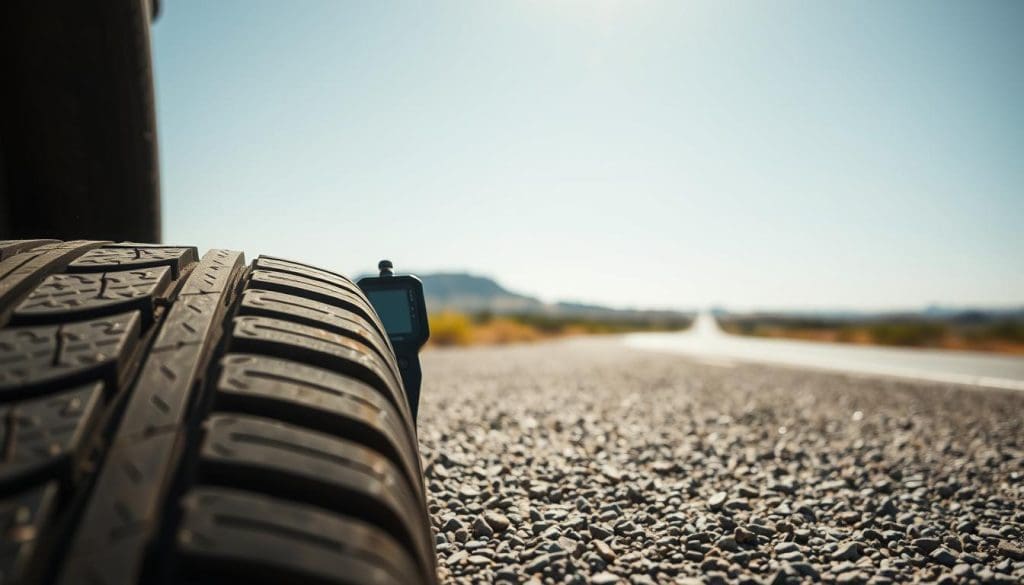
Checking tire tread and inflation is a quick step that prevents big problems later. You should inspect each tire for uneven wear and visible damage to confirm safe condition.
Tread Depth Assessment
Use a penny with Lincoln’s head upside down to test tread. If the head is visible, the tread is too shallow and needs attention.
Miracle Body and Paint Collision Center at 6217 Grissom Rd. recommends this simple check and can assess wear that stems from alignment issues.
Proper Inflation Guidelines
Check tire pressure after tires have sat for at least three hours for accurate readings. You should make sure PSI matches the manufacturer’s recommendation in your vehicle manual.
- Proper inflation improves fuel efficiency and helps prevent blowouts.
- Always check your spare tire condition so you are ready for any emergency on the road.
- Visit Miracle Body and Paint at 4650 Walzem Rd., or call (210) 858-3630, for help evaluating tires and pressure.
- For questions, call the Leon Valley shop at (210) 680-1987 to hire experts to fix collision damage that may affect tire wear.
Checking Essential Engine Fluids
Healthy fluid levels keep your engine cool and your steering responsive over long distances.
Start by checking engine oil and coolant. Low engine oil or dirty oil can harm the engine. Coolant keeps temperatures steady and prevents overheating.
Next, verify transmission and brake fluid levels. Proper brake fluid is essential for safe stopping, and correct transmission fluid prevents shifting problems.
Also inspect power steering and windshield washer fluids so systems work when you need them most.
- Check engine oil and brake fluid levels as part of routine car maintenance for any road trip.
- Miracle Body and Paint Collision Center at 6217 Grissom Rd. can assist with an oil change and inspections. Call (210) 680-1987.
- Top off steering fluid and transmission fluid at the North East location, 4650 Walzem Rd. Call (210) 858-3630 for service and collision repairs.
Regular fluid checks are a simple step that keeps your vehicle performing under pressure and reduces the chance of costly repairs on a long trip.
Testing Battery Health and Connections
Ensuring steady electrical power is one of the simplest ways to avoid being stranded. A quick visual and a professional test reveal issues that can leave you sidelined.
Signs of Battery Failure
Look for slow engine starts, dim lights, or a trailing electronic warning. Corrosion at terminals or loose clamps can interrupt power when you need it most.
What you should do:
- Have a technician test the battery’s charge and health to avoid mid-trip failures.
- If the battery is over three years old, consider a change to keep your engine starting reliably.
- Ensure connections are tight and free of corrosion for consistent power delivery to all systems.
- Hire Miracle Body and Paint Collision Center to inspect and repair collision damage and to perform a full battery check at either location: Leon Valley, 6217 Grissom Rd., (210) 680-1987, or North East, 4650 Walzem Rd, (210) 858-3630.
Pro tip: Let a San Antonio technician evaluate battery health so you can travel with confidence.
Ensuring Cooling and Air Conditioning Performance
Keep cabin comfort and engine health by confirming your cooling and air systems are ready. Hot Texas days put extra strain on both the radiator and the AC, so a quick check pays off.
Key actions:
- Make sure you schedule a coolant flush every two years to protect the cooling system and avoid overheating.
- Have the team at 6217 Grissom Rd. provide expert AC service so the cabin stays cold on long drives.
- Hire Miracle Body and Paint Collision Center to fix collision damage and inspect the air conditioning system for leaks.
- Proper upkeep prevents engine failure and reduces the chance of breakdowns on hot days.
- Visit the North East shop at 4650 Walzem Rd., San Antonio, TX 78218, or call (210) 858-3630 for cooling system care.
Tip: Technicians at both San Antonio locations are trained to handle complex repairs and routine checks so your vehicle stays comfortable and reliable.
Inspecting Brakes for Reliable Stopping Power
A sure-footed braking system keeps you confident when traffic or weather changes suddenly. Your brake pads, rotors, and fluid all affect how quickly you can stop.
Identifying Grinding Noises
Listen for squeaks, grinding, or a metallic scrape when you apply the brakes. Those sounds usually mean pads are worn or rotors need service.
If you feel vibration while braking, that can signal warped rotors or uneven wear. Have a trained technician inspect the system promptly to avoid further damage.
Brake Fluid Levels
Brake fluid must sit at the correct level and remain clean to deliver consistent stopping power. Low or contaminated fluid reduces hydraulic performance.
Have our technicians check fluid levels and steering fluid as part of a full inspection. Routine checks improve engine and braking reliability and give you peace of mind on the road.
- Inspecting your brakes provides peace of mind; hire Miracle Body and Paint Collision Center to fix collision repair damage and verify brake fluid levels.
- Our technicians at 6217 Grissom Rd., Leon Valley, will listen for grinding noises and check the brake system for wear. Call (210) 680-1987.
- Visit the North East shop at 4650 Walzem Rd., San Antonio, TX 78218, to have steering and brake components inspected. Call (210) 858-3630.
- If you notice vibration when braking, contact our experts to evaluate your vehicle’s safety and restore reliable stopping power.
For guidance on compatible fluids and topping schedules, see this essential fluids guide.
Examining Belts and Hoses for Wear
Dent, crack, or softness in a hose is a clear sign you should act. Small defects often grow into major failures if left unchecked.
As a general rule, replace drive belts every 60,000 miles to prevent unexpected failure. Inspect radiator hoses for leaks, bulges, or stiffness so the engine stays cool and reliable.
Miracle Body and Paint Collision Center recommends checking belts and hoses as part of your routine service. Their technicians can spot hidden wear and handle replacements quickly.
- Miracle Body and Paint advises inspecting belts and hoses for signs of wear prior to any long drive.
- Technicians at 6217 Grissom Rd. can replace drive belts that have reached the 60,000-mile mark.
- Hire Miracle Body and Paint Collision Center to fix collision damage and inspect hoses for leaks or cracks.
- Visit the North East shop at 4650 Walzem Rd., San Antonio, TX 78218 for a thorough engine component check.
Call (210) 680-1987 to schedule an appointment and ensure your car is ready. Proper care of belts and hoses is a vital part of keeping your vehicle running reliably during your travels.
Preparing Your Emergency Roadside Kit
C when you travel, having the right tools at hand can change a stressful stop into a quick fix.
Pack essentials: include a flashlight, a first-aid kit, jumper cables, and a spare tire. Keep these items in an easy-to-reach place so you can act fast.
Always check your tire pressure and fuel level before a long trip. Low fuel or underinflated tires can turn a small issue into a long delay.
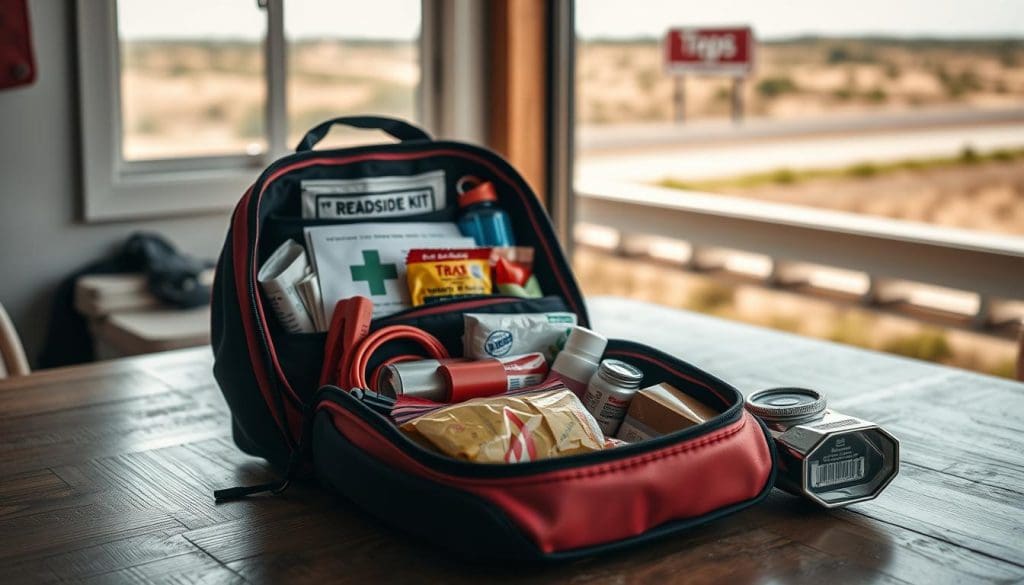
Preparing an emergency kit is a key part of proper maintenance. If you find damage or need repairs, hire Miracle Body and Paint Collision Center to fix collision repair damage on your vehicle.
- Visit Leon Valley at 6217 Grissom Rd. or call (210) 680-1987 to ensure your spare tire is ready.
- Stop by 4650 Walzem Rd. or call (210) 858-3630 so our team can prepare your vehicle for long trips.
- Keep the tank at least half full and make the kit accessible before you set out.
For extra guidance on how to get ready, see this helpful guide to get your car ready for summer road.
Final Safety Checks Before Hitting the Road
Spend a few focused minutes checking key systems to ensure a smooth journey.
First, make sure your tire pressure, tread, and the spare tire are ready. Low pressure reduces fuel efficiency and raises the chance of blowouts.
Check fluid levels: engine oil, brake fluid, coolant, and other essential fluids. An oil change and clean fluids help your engine and brake systems perform well.
Verify battery connections, lights, and the air system. Dim headlights or a weak battery cut your power and visibility at night.
- Confirm registration, insurance, and roadside assistance info are accessible.
- Have technicians perform a final inspection at Miracle Body and Paint Collision Center, Leon Valley: 6217 Grissom Rd., (210) 680-1987.
- Or visit North East: 4650 Walzem Rd., (210) 858-3630 for lighting, brake, and fluid checks.
If you find collision damage, hire Miracle Body and Paint to repair your vehicle so you can hit road with confidence.
Conclusion
Wrap up your preparation with a quick, focused checklist to travel with confidence.
Verify oil levels and top off essential fluid reservoirs so the engine runs cool. Test the battery and confirm lights, brakes, and the air system work properly.
Schedule a professional inspection if you find wear or collision damage. Hire Miracle Body and Paint Collision Center to repair issues and perform a full service.
Miracle Body and Paint Collision Center serves San Antonio at Leon Valley, 6217 Grissom Rd. — (210) 680-1987, and North East, 4650 Walzem Rd. — (210) 858-3630.
Proper car maintenance and timely service protect your safety and help you enjoy every road trip with peace of mind.