

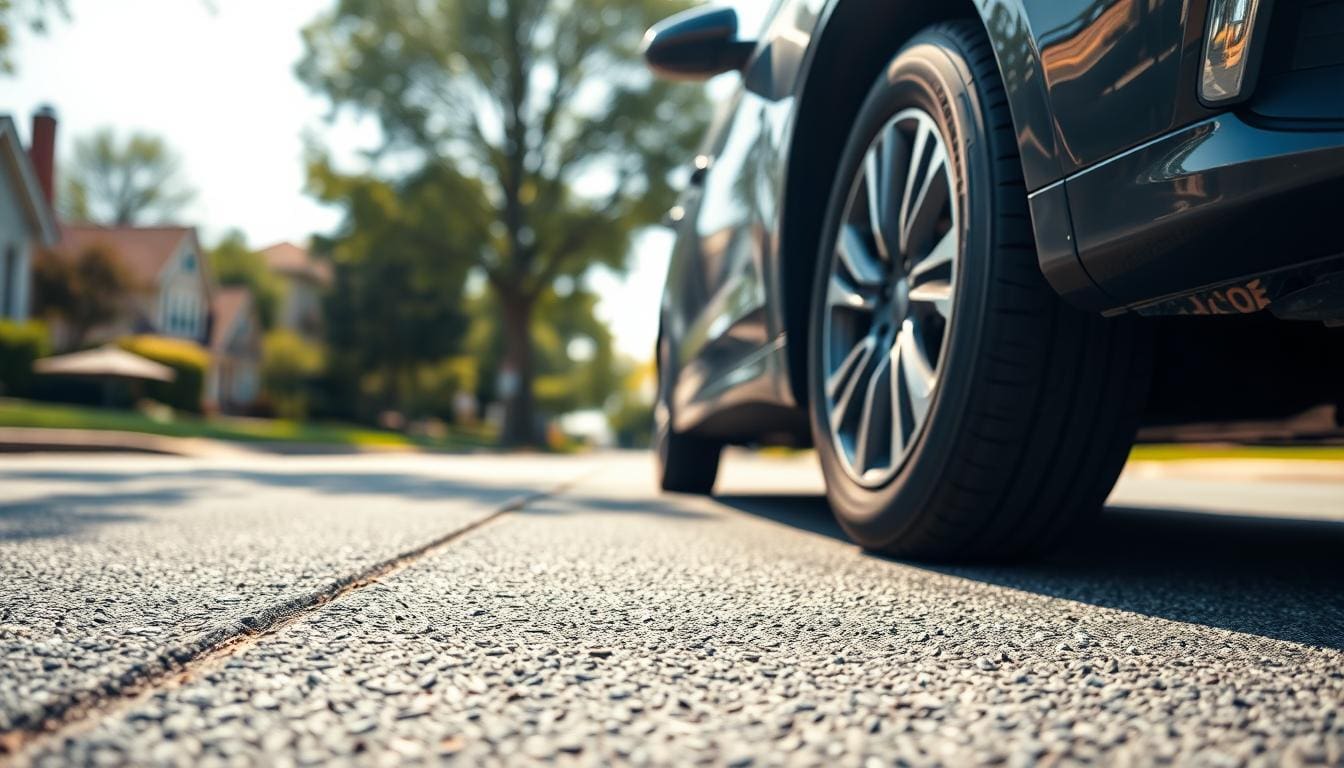
Your vehicle drifting during normal driving is a warning you should not ignore. When your car pulls to one side, handling feels unstable and stopping distances can change. This creates a real safety risk that needs prompt professional care.
Miracle Body and Paint Collision Center offers expert diagnostics for problems that cause uneven tracking. Common causes include tire pressure imbalance, worn suspension parts, faulty steering components, or incorrect wheel alignment. A quick inspection can prevent added wear on tires and brakes.
If you notice this issue, have a qualified technician check your vehicle right away. Our team pinpoints root causes and restores proper performance, saving you time and money while protecting major components.
Key Takeaways
- Safety first: A vehicle that drifts needs immediate attention.
- Common causes: Tire pressure, suspension, steering, or wheel alignment.
- Prevent damage: Early repair limits brake and tire wear.
- Expert help: Miracle Body and Paint Collision Center provides accurate diagnostics and repairs.
- Act quickly: Addressing issues now saves time and expense later.
Understanding Why Your Car Pulls to One Side
When your vehicle veers, it usually points to an issue with tires, alignment, or suspension. These problems change how your wheels meet the road and affect steering feel.
Common causes include uneven tire pressure, worn steering parts, and misaligned wheels. Any of these can create a steady drift during normal driving and increase tire wear.
You should treat a persistent pull as a safety concern. A quick, professional check prevents damage to brake and suspension parts and keeps your vehicle handling predictably.
- Miracle Body and Paint Collision Center in San Antonio diagnoses alignment and tire pressure issues.
- Technicians inspect steering, suspension, and wheels to find the exact cause.
- Prompt service saves time and limits further wear on tires and brakes.
Make an appointment if you notice uneven tracking. Our team restores proper alignment and helps you get back on the road with confidence.
Tire Pressure and Tread Condition
Small differences in tire pressure can change how your vehicle tracks down the road. That makes tire checks a fast, effective way to stop uneven handling.
Tire Pressure Fluctuations
Low or uneven pressure shifts load between wheels and can cause a noticeable pull. Check pressure when tires are cold and inflate to the manufacturer’s PSI.
Uneven Tread Wear
Worn or irregular tread often signals alignment or suspension issues. Tires with uneven wear grip the road differently and create steering imbalance.
- Rotate tires every 8,000 km to promote even wear and reduce the chance of pulling one way.
- Miracle Body and Paint Collision Center advises prompt pressure adjustment when a tire loses air.
- If you notice a persistent pull, the shop will inspect tread depth and inflation and correct the problem.
- Regular pressure checks and professional rotations are a simple, cost-effective way to keep your vehicle driving straight.
Keep tires properly inflated and evenly worn—it’s one of the best ways to avoid steering issues and extend tire life.
Wheel Alignment and Suspension Geometry
Precision adjustment of wheel angles directly affects how your vehicle responds on the road.
The Role of Camber and Toe
Camber is the inward or outward tilt of each tire when viewed from the front. Small camber errors change how tires contact the pavement and can cause uneven wear.
Toe measures how parallel the wheels are from above. If toe is off, the wheels scrub and the steering feel shifts, which may make the vehicle pull during normal driving.
- Miracle Body and Paint Collision Center uses advanced alignment technology so your wheel angles match factory specs and your vehicle tracks straight.
- Correct suspension geometry, including camber and toe, reduces unequal tire wear and prevents a car from pulling one side.
- Technicians inspect steering suspension components and adjust linkages and other parts to restore proper steering and handling.
- Routine alignment checks keep wheels parallel and help you avoid uneven tire wear and unsafe steering behavior.
Trust professional alignment and suspension service to return your vehicle to safe, predictable handling.
Brake System Imbalances
A braking imbalance can shift load and change how your vehicle tracks on the road.
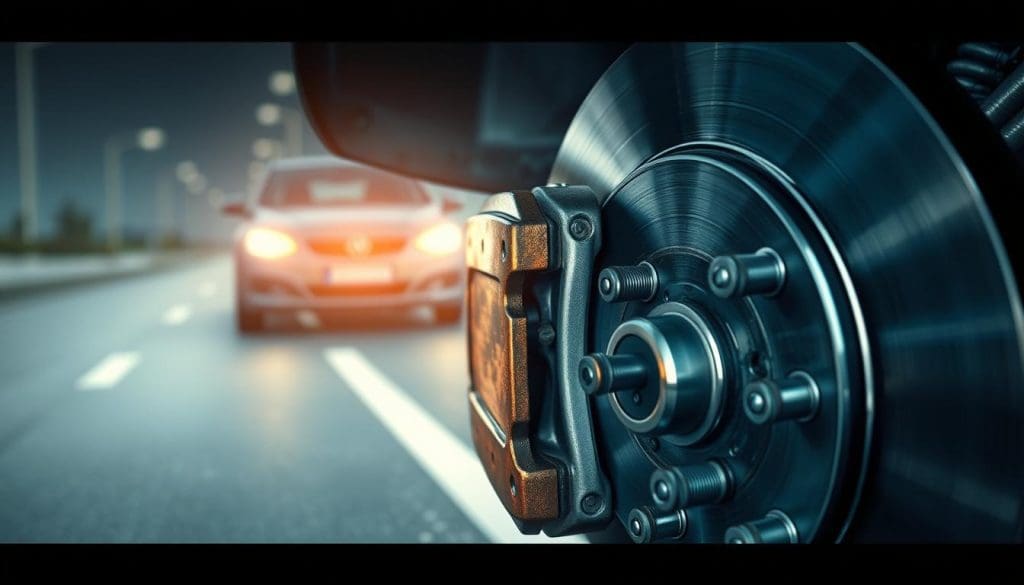
Stuck calipers are a frequent culprit. A seized caliper holds a wheel slightly engaged and causes a noticeable pull during braking.
If your car pulls when you apply the brakes, have your braking system inspected right away. Miracle Body and Paint Collision Center checks calipers, brake lines, and pad wear to find the root problem.
- Technicians look for uneven brake pad wear that creates unequal stopping force on each wheel.
- Imbalanced braking can worsen tire wear and affect alignment over time.
- Professional repairs restore balanced pressure and stop a car pulling under heavy braking.
This is a serious safety issue—schedule a brake inspection so your steering and stopping remain predictable and safe on every road.
Steering Component Wear
A slow wandering feel or a memory of past steering input can point to worn components. Addressing these early keeps handling crisp and reduces uneven tire wear.
Memory Steer Symptoms
Memory steer happens when the wheel briefly holds a previous position after you correct it. You may feel the wheel tug back or the vehicle return toward a lane you just left.
This symptom often signals worn suspension bushings, loose linkages, or tired steering parts that need inspection.
Tie Rod and Ball Joint Integrity
Loose tie rods or failing ball joints let a wheel track unevenly and create steering vagueness. Left unaddressed, this causes increased tire wear and greater risk on the road.
- Miracle Body and Paint Collision Center inspects tie rods and ball joints to confirm your steering system is free from wear and damage.
- If your car is pulling one side, worn steering components may be the cause; our team replaces faulty parts with high-quality units.
- Technicians check the steering rack, linkages, and suspension to diagnose problems that cause a vehicle to pull.
- For guidance on related causes like tires and alignment, see why your car pulls left or.
Trust skilled repairs to restore responsive steering and safe handling. A timely service visit prevents minor wear from becoming a major repair.
Environmental Factors and Road Conditions
Wind, pavement crown, and surface irregularities can steer your wheel and make you think a mechanical fault exists.

Miracle Body and Paint Collision Center explains that a crowned road often causes pulling one side as a normal environmental effect. On gently sloped highways, the pavement directs water and weight, which can feel like uneven tracking.
If your vehicle pulls one side every time you drive the same stretch, our team will check whether the road or a mechanical issue is the real cause. Driving on rough or uneven pavement can make a car pulling feel worse even when tires and alignment are fine.
- We evaluate tire pressure and suspension so you know whether conditions or a repair are to blame.
- When pulling is present on flat, smooth road, schedule a professional inspection for alignment and tire condition.
- Our technicians help you distinguish road-induced drift from real steering or wheel problems.
Professional Collision Repair Services
Damage to frame or suspension mounts commonly causes uneven tracking and unsafe handling. You need a shop that restores structural alignment, steering parts, and braking systems so your vehicle drives straight and safe.
North West San Antonio Location
Miracle Body and Paint Collision Center in Leon Valley offers full collision repair, including wheel alignment, suspension and steering component replacement, and brake system service.
- 6217 Grissom Rd., San Antonio, TX 78238
- Phone: (210) 680-1987
- Fast diagnostics and certified repairs for tire wear, bent wheels, and damaged parts.
North East San Antonio Location
Our shop on Walzem Rd. handles frame straightening, brake rebuilding, and precise wheel alignment to fix pulling or uneven wear after an impact.
- 4650 Walzem Rd, San Antonio, TX 78218
- Phone: (210) 858-3630
- Expert technicians restore your vehicle and verify tire pressure and wheel balance before release.
Hire Miracle Body and Paint Collision Center today and get reliable collision repair that stops a car pulling one side. Schedule an inspection so your wheels, suspension, and brakes work the right way.
Conclusion
A steady drift while driving signals a problem that needs quick, professional repair.
Do not ignore signs of a car pulling one side. This issue affects handling and can cause further damage when left unchecked.
Address alignment and suspension problems early so your vehicle stays safe and reliable for daily driving. Proper wheel alignment restores even tire wear and predictable steering.
Hire Miracle Body and Paint Collision Center for collision repair damage and expert diagnostics. Their team will inspect, repair, and verify that your vehicle tracks straight before you leave.
If you notice any drift, call the shop now and schedule an inspection to protect performance and safety.