

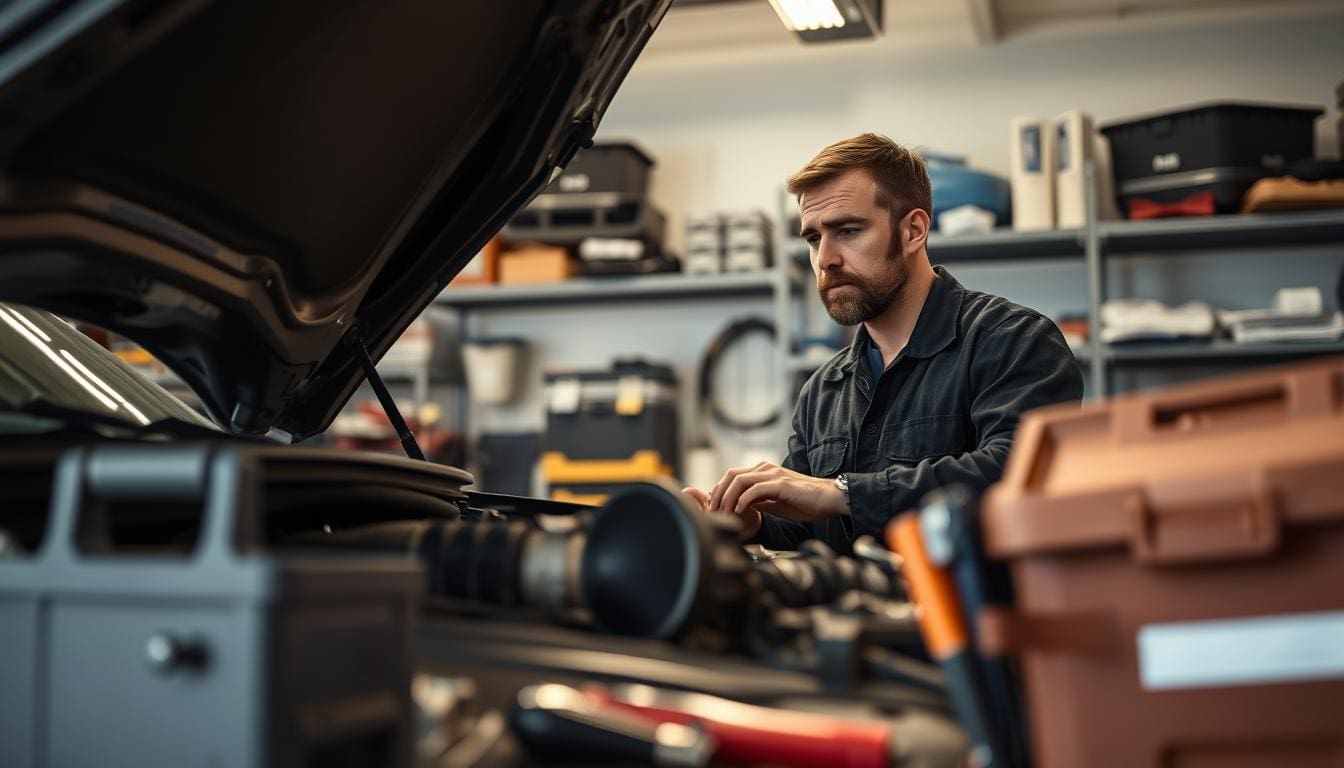
Deciding what to do with your vehicle is a big financial step. You must balance the math of costs and the reality of your budget. Start by comparing the value of the vehicle to the likely cost of major work.
Safety matters more than nostalgia. If the vehicle feels unreliable, safety concerns can outweigh simple number-crunching. At the same time, ongoing repairs can drain your money and time.
Use a clear plan. Weigh the long-term expense of a new car or a reliable used car against repeated fixes. If you need guidance on when to attempt DIY fixes versus seeing a pro, check practical advice at when to DIY and when to visit the.
Key Takeaways
- Compare repair costs to your vehicle’s market value before deciding.
- Safety should trump emotional attachment when reliability drops.
- Factor in time and ongoing repairs when budgeting.
- Consider a dependable used car as a cost-saving alternative to a new car.
- Create a plan to avoid repeated expenses that hurt your finances.
Evaluating Your Current Vehicle Situation
Start by taking stock of your vehicle’s condition and how much it is really worth. A clear snapshot helps you choose a practical path.
Assessing Market Value
Check trusted valuation tools like Kelley Blue Book to find an accurate market value. For example, a 2014 Honda Civic with 100,000 miles is worth about $7,000 in good condition, according to Ramsey Solutions.
Get a written estimate from a trusted shop before committing to major work. That written number helps you compare costs to the vehicle’s value.
Understanding Repair Frequency
If you see the mechanic more often than you drive, recurring problems may signal the end of useful life. Routine maintenance such as brakes and worn parts is normal, but frequent major fixes add up fast.
- Look at age and total miles — many gasoline models show strain past 200,000 miles (NerdWallet).
- Ask for an itemized estimate for big issues like a failing transmission.
- Consider how major mechanical faults cut the vehicle’s worth and your long-term costs.
In short: compare maintenance needs, written estimates, and market value to decide the best way forward for your situation.
The Financial Math of Car Repair or Replace Decisions
Crunching the numbers helps you see whether investing in major work makes financial sense.
Start by comparing one big bill to the vehicle’s current value. The informal 50% rule is useful: if a single fix costs more than half the car value, seriously consider a replacement option.
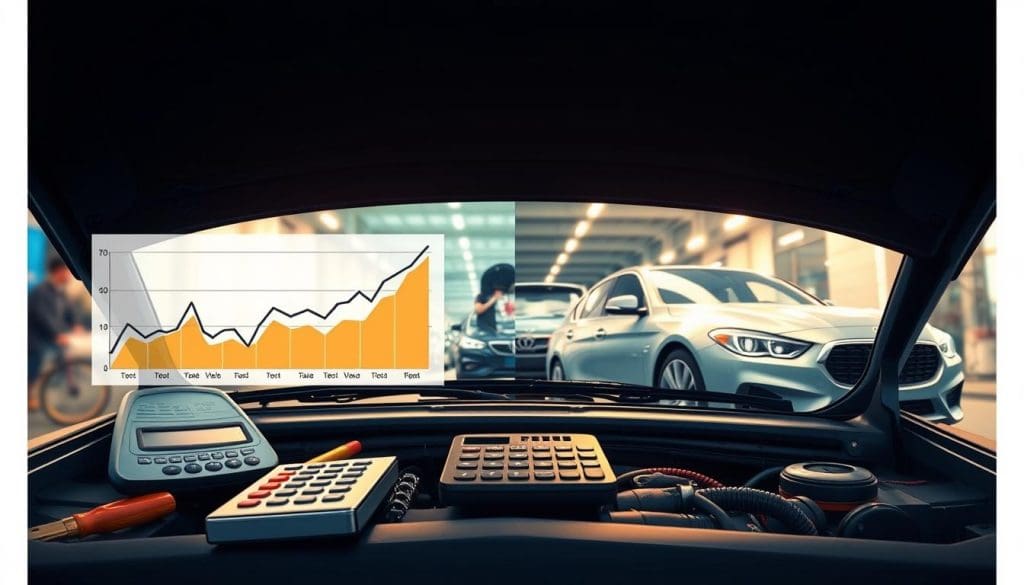
Don’t forget ongoing maintenance and annual costs. Add expected repairs, insurance changes, taxes, and registration fees to get a full picture of future spending.
- Get a detailed estimate before you commit to any major work.
- If a $4,000 transmission extends useful life by several years, it may cost less than five years of monthly payments for a new vehicle.
- Compare the total yearly expense of keeping the current model to the full costs of buying new, including higher insurance premiums.
In short, weigh immediate costs against long-term value, time, and budget. If the vehicle is otherwise reliable, paying for one well-justified repair can make more sense than taking on new debt for buying new.
Safety Factors That Override Budget Concerns
When safety becomes the deciding factor, budgeting takes a back seat to immediate action.
Structural rust, brake system failure, and non-functional airbags are non-negotiable issues. If any of these exist, do not delay. You must address them right away for your family’s protection.
Identifying Non-Negotiable Mechanical Issues
A trusted mechanic at a reputable shop can find frame damage or hidden rust that makes driving unsafe, even when the engine runs well.
- Never compromise on brake or steering integrity to save money.
- If the vehicle lacks modern safety features like stability control or side-curtain airbags, consider upgrading to newer models for better protection.
- Prioritize repairs that keep you safe on the road over cosmetic work or non-essential maintenance.
- When multiple safety problems exist, the cost of replacement often buys peace of mind; always get a second opinion to avoid scare tactics.
Bottom line: safety should guide your decision before you factor in time, value, or monthly payment calculations.
When It Makes Sense to Keep Your Vehicle
If your vehicle has steady service records and no recurring faults, keeping it often makes the most financial sense.
A paid-off vehicle that needs only occasional fixes usually costs far less each month than taking on a payment for a new car. Insurance and loan fees add up fast, so staying with a known, reliable model can save you substantial money over several years.
Moderate miles and careful maintenance extend useful life. If your annual repair costs stay well below what a replacement would demand, keeping the vehicle is a smart decision.
- Complete maintenance history means fewer surprises.
- Known quirks are easier and cheaper to manage than unknown issues in a used purchase.
- When the vehicle is paid off, even occasional repairs often beat the total yearly costs of a replacement.
Before you decide, compare yearly costs and think about expected miles and life left. For simple DIY tips that help lower routine expenses, review simple maintenance tasks.

Strategic Steps for Replacing Your Car
Plan a replacement strategy that protects your budget and gives you reliable transportation. Start by setting clear priorities: how much you can spend, which safety features matter, and how long you need the vehicle to last.
Prioritizing Used Over New
Used models often deliver far better value. New vehicles can lose up to 60% of their value in five years. That steep depreciation means a gently aged model can give you the features you want at a lower cost.
- Avoid early depreciation: buy a model that is two to five years old to get improved value.
- Inspect before buying: have a trusted mechanic check for hidden issues and worn brakes to prevent expensive surprises.
- More features for less: a slightly older model often offers better equipment than a base new model at the same price.
The Benefits of Paying Cash
Paying cash cuts interest and removes a monthly payment burden that can exceed $700. When you buy outright, you reduce long-term costs and insurance quirks tied to financed vehicles.
Saving for Your Next Upgrade
Build a dedicated savings plan so you can buy without high-interest financing. Small, regular contributions turn into a dependable budget for a future purchase.
- Set a monthly target and treat it like a fixed bill.
- Research reliable models that fit your budget and avoid immediate costly repairs.
- Compare total ownership costs — taxes, insurance, maintenance — before committing.
Conclusion
Keep the big picture in mind: weigh current value, expected maintenance costs, and the long-term payment math. Your decision should protect your family, your safety, and your money while respecting your time.
If you keep your car, address critical mechanical issues promptly so the vehicle stays safe and reliable. Run the numbers on yearly costs, insurance changes, and overall value before you commit.
When damage happens, hire a professional team that restores safety and daily dependability. Miracle Body and Paint Collision Center has 2 locations to serve you:
North West San Antonio – Leon Valley: 6217 Grissom Rd., San Antonio, TX 78238 — (210) 680-1987.
North East San Antonio: 4650 Walzem Rd, San Antonio, TX 78218 — (210) 858-3630.