

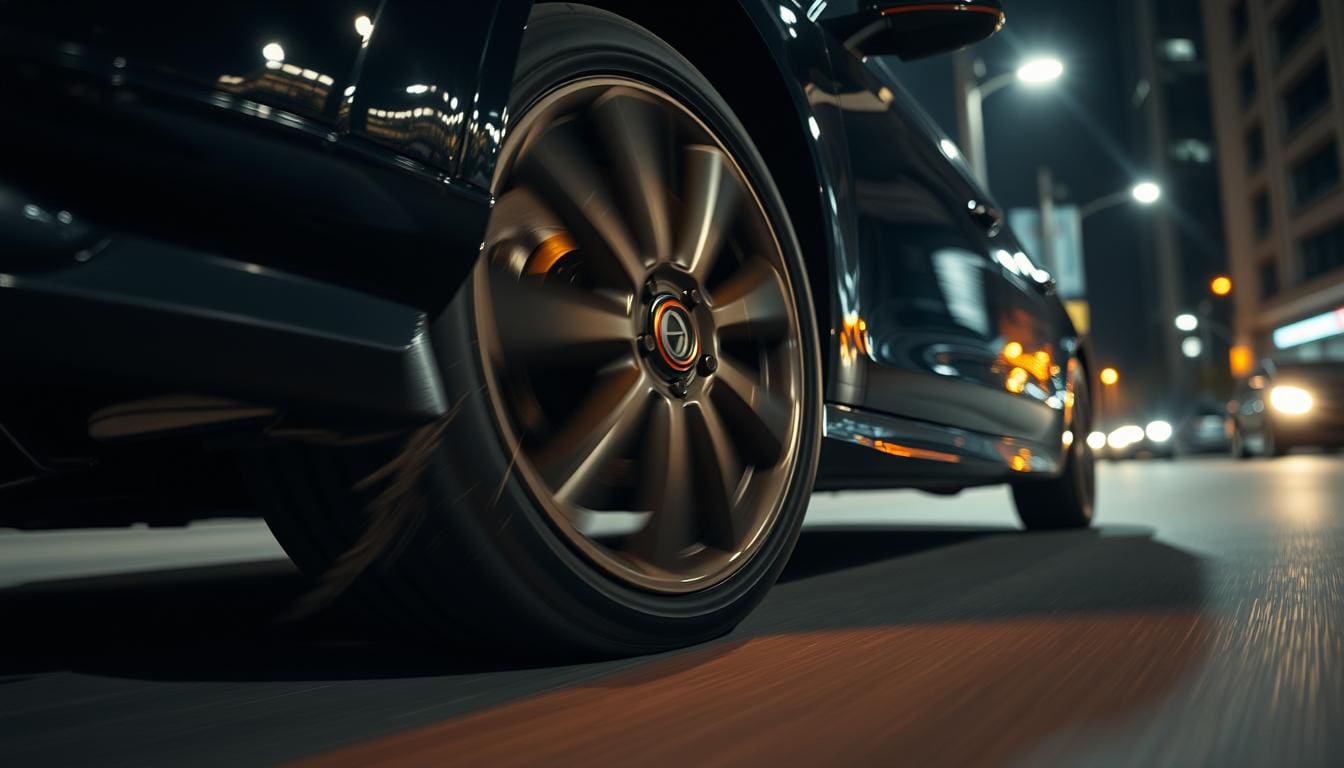
If you feel a sudden vibration as you press the brake pedal, it can be alarming. This pulsing or car shake often signals worn brake parts, warped rotors, wheel issues, or suspension problems that need prompt attention.
Wisco Automotive notes that a vibration under braking is an important warning. At Miracle Body and Paint Collision Center, we operate two San Antonio locations ready to inspect your vehicle. Visit North West San Antonio – Leon Valley at 6217 Grissom Rd. (210) 680-1987, or North East San Antonio at 4650 Walzem Rd. (210) 858-3630.
Don’t ignore a pulsing brake pedal or a persistent car shake braking sensation. These signs often mean parts need professional repair or replacement to keep you safe on the road.
Key Takeaways
- Vibration while braking usually points to brake, wheel, or suspension faults.
- A pulsing brake pedal is a clear cue to seek an inspection.
- Miracle Body and Paint has two San Antonio service sites for fast checks.
- Wisco Automotive highlights pedal vibration as an urgent warning sign.
- Early service can prevent bigger repair costs and keep you safe.
Understanding Why Your Car Shaking When Braking Occurs
A vibrating steering wheel or pedal often signals a problem in the brake hydraulic system. A trembling steering or wheel feedback is not just annoying — it points to specific mechanical causes that need attention.
The master cylinder builds hydraulic pressure that moves brake fluid through the lines and into the calipers. If that pressure is uneven, you may feel vibrations in the steering wheel and pedal.
Another common cause is the power brake booster pulling too much vacuum from the engine. That fault can change pedal feel and let the vehicle pulse under stress.
Miracle Body and Paint Collision Center technicians check the full braking system under hydraulic pressure at our San Antonio shops. Visit North West San Antonio – Leon Valley at 6217 Grissom Rd. (210) 680-1987 or North East San Antonio at 4650 Walzem Rd. (210) 858-3630 for a skilled inspection.
- Quick checks can reveal if wheels, rotors, or the booster cause vibrations.
- Addressing problems early saves time and protects safety.
Common Mechanical Culprits Behind Brake Vibrations
Uneven rotor surfaces, failing pads, and sticky calipers often explain pedal pulsing and steering feedback. Below are the typical faults that cause vibration and how they show up in your vehicle.
Warped Rotors
Heat and friction can warp brake rotors, creating an uneven surface. That prevents the pads from making steady contact and leads to vibration under load.
If your steering wheel vibrates, front rotors that lost flatness are a common cause and need machining or replacement.
Worn Brake Pads
Brake pads wear over time and thin edges can cause pulsing and loud squeals. A high-pitched sound often signals pads need service.
Replacing worn pads restores even contact and reduces pedal feedback and vibration.
Sticking Calipers
A seized caliper or frozen slide pins cause uneven clamping. Your vehicle may pull to one side and produce continuous friction on the rotor.
Technicians at the 6217 Grissom Rd. shop frequently address caliper slide-pin seizures to restore proper braking balance.
- Inspect rotors for scoring or warping.
- Check pad thickness and listen for squeal indicators.
- Test caliper movement and slide-pin condition.
For a professional diagnosis and fast repair, schedule service at Miracle Body and Paint Collision Center. Learn more about common vibration causes and repair options on our detailed guide: brake vibration causes and fixes.
The Role of Tires and Alignment in Stopping Smoothly
Tires and alignment play a major role in whether your vehicle stops smoothly and without vibration. Proper wheel alignment keeps contact patches true to the manufacturer’s specs. That prevents uneven tire wear and reduces steering wheel feedback.
Wheel balance and alignment issues can make a firm brake feel rough. If tires are out of balance, vibrations travel up through the steering wheel and into the brake pedal. Worn suspension parts also let alignment drift, which magnifies these problems.
Wheel Balance and Alignment Issues
At Miracle Body and Paint Collision Center, our technicians use precision equipment to correct alignment and balance. We offer this service at both San Antonio locations: North West San Antonio – Leon Valley at 6217 Grissom Rd. (210) 680-1987, and North East San Antonio at 4650 Walzem Rd. (210) 858-3630.
- Correct alignment prevents uneven tire wear and steering problems.
- Balanced wheels stop vibrations that you feel through the steering wheel.
- Suspension checks often reveal parts that cause alignment drift and other issues.
Schedule a service if your vehicle pulls, the steering feels loose, or you notice new vibrations. A quick alignment and suspension inspection often restores smooth stopping and extends tire life.
How Driving Habits Impact Your Braking System
How you drive each day has a big effect on how your brakes and suspension hold up over time. Frequent hard stops build excessive heat and can warp rotors. That heat is a common cause of a noticeable car shake during your commute.

Use gentle, gradual braking to reduce pad and rotor wear. This habit eases strain on the suspension and steering components. Over months, softer stops extend service life and cut repair costs.
Driving over rough roads also affects alignment and tires. Bring your vehicle to 6217 Grissom Rd. for regular checks to avoid uneven wear. Our technicians at 4650 Walzem Rd. recommend engine braking on long hills to keep rotors and pads cooler and prevent vibration.
Consistent maintenance of wheels, tires, and suspension prevents many issues. Simple changes in driving and timely shop visits protect your braking system and improve safety on San Antonio roads.
Miracle Body and Paint Collision Center has two San Antonio locations to serve you: North West San Antonio – Leon Valley at 6217 Grissom Rd. (210) 680-1987, and North East San Antonio at 4650 Walzem Rd. (210) 858-3630.
Simple Safety Checks You Can Perform at Home
A few routine checks at home help keep your braking system reliable and safe. Spend 10 minutes every few weeks and you can spot obvious problems before they worsen. These steps are quick and do not require special tools.
Visual Inspection of Rotors
Look through the wheel openings to inspect the rotor surface. Blue spots or deep grooves point to heat damage and worn brake rotors.
If the brake pedal pulses, peek at pad thickness through the wheels. Thin pads or uneven pad wear means service is needed.
Checking Tire Condition
Check tire pressure against the values on your vehicle door sticker. Proper inflation supports alignment and reduces vibration under braking.
Any visible tire bulge or uneven wear is a safety concern. Also quick-check the caliper slide pins for signs of seizure; stuck pins cause uneven pad wear and rotor damage.
- Look for rotor heat spots, scoring, or rotor damage.
- Verify tire pressure and inspect tires for bulges or uneven tread wear.
- Check caliper slide pins and pad thickness through the wheel openings.
- Schedule a professional inspection if you find wear, damage, or pedal pulsing.
Miracle Body and Paint Collision Center has two San Antonio locations to serve you: North West San Antonio – Leon Valley at 6217 Grissom Rd. (210) 680-1987, and North East San Antonio at 4650 Walzem Rd. (210) 858-3630.
When to Seek Professional Collision and Brake Repair
If you notice severe vibration or loud grinding, stop driving and call for help right away. These symptoms can point to immediate safety risks and rapid damage to rotors, calipers, or wheel bearings.
If your pedal sinks, a warning light appears, or the steering wheel pulls, schedule a full inspection without delay. Ignoring these signs can cause further damage to pads, the suspension, or brake rotors.
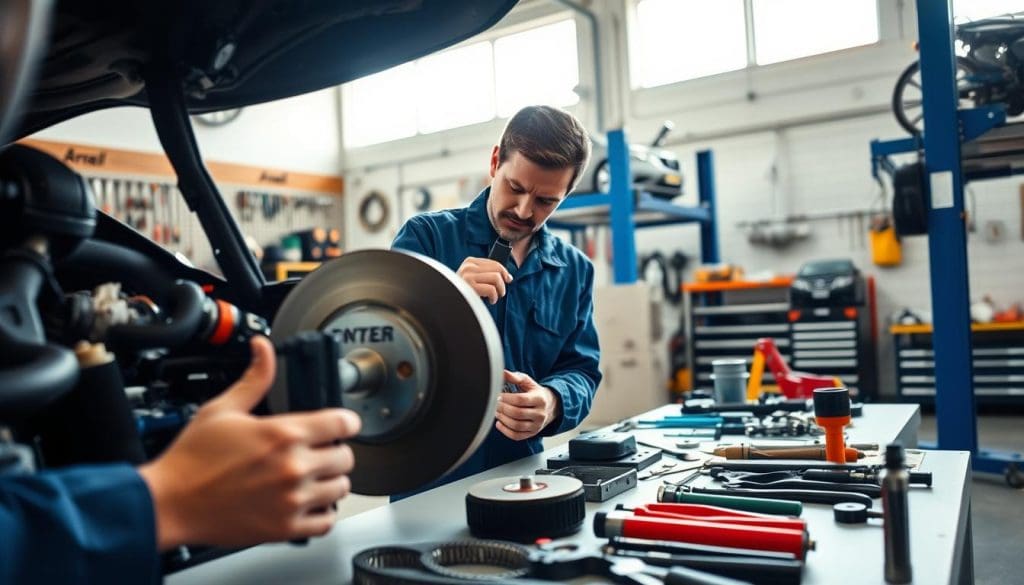
Miracle Body and Paint Collision Center offers expert collision and brake service at two San Antonio locations. Our technicians at 6217 Grissom Rd. and 4650 Walzem Rd. perform comprehensive inspections to find the root cause and recommend safe repairs.
- Do not drive if you hear grinding or feel strong vibration.
- Seek service for pedal sink, warning lights, or visible damage to rotors or tires.
- Let professionals check caliper function, alignment, and suspension components.
- Quick inspection prevents costly damage and protects safety on the road.
Call now: North West San Antonio – Leon Valley at 6217 Grissom Rd. (210) 680-1987, or North East San Antonio at 4650 Walzem Rd. (210) 858-3630 for prompt inspection and repair.
Conclusion
A persistent vibration under your feet or through the steering often signals a system that needs prompt attention. Addressing a car shake braking sensation early prevents further damage to vital safety systems.
Regular inspection of your brake pads, rotors, and alignment keeps your vehicle stable and responsive. Simple checks catch wear before it becomes a costly problem.
If you notice any ongoing vibration, contact the professionals at Miracle Body and Paint Collision Center for expert service and inspection. We repair collision damage and restore safe operation.
Visit us: North West San Antonio – Leon Valley, 6217 Grissom Rd. (210) 680-1987, or North East San Antonio, 4650 Walzem Rd. (210) 858-3630. Our team is ready to help you feel confident behind the wheel.