

Spotting early symptoms gives you the best chance to avoid costly damage. We want drivers in san antonio to act fast when a car feels off. Small issues often lead to big headaches if left alone.
At Heaven Automotive, we focus on clear communication and quality service. Our team uses quality parts and warranty-backed work so customers feel secure.
We’ll preview common signs you should not ignore: slipping gears, hard shifting, odd noises, a burning smell, fluid leaks, and warning lights. Recognizing these helps you avoid a breakdown.
Prompt repair is often faster and less costly than waiting until the vehicle won’t move. We make it easy to schedule an appointment and get expert guidance on next steps.
Choose a local shop that treats you with respect and gives transparent options. Contact Heaven Automotive today to have us inspect and fix your car.
Key Takeaways
- Early signs can prevent expensive damage.
- Heaven Automotive uses quality parts and warranty-backed work.
- Watch for slipping, hard shifts, noises, smells, leaks, and lights.
- Quick service is usually less disruptive and costly.
- We make it simple to schedule an appointment and know your options.
How Your Transmission Works and Why Early Action Matters
Understanding how the gear system works helps us spot small problems before they grow. The unit converts engine power into steady motion and is central to the drivetrain. Proper function keeps vehicle performance predictable and safe.
What the system does in today’s vehicles
Automatic units shift for you while manual setups use a clutch and driver input. Each type changes how symptoms present and how we approach diagnosis.
Why small symptoms can lead to major damage
A minor slip or an occasional harsh shift may seem trivial. Left unchecked, wear spreads to gears, clutches, and related drivetrain parts. Acting early saves time and often lowers repair costs.
What driveability changes tell us on a road test
On the road we check shift timing, engagement feel, noise under load, and overall driveability. Those cues guide our recommended service and the full diagnostic plan.
- Simple maintenance and timely care extend life.
- We diagnose the whole picture, not just one symptom.
- Early checks are vital for daily commuters around san antonio.
Warning Signs You Might Need Transmission Repair in San Antonio
When your car hesitates or revs oddly, it’s time to pay close attention. Noticing these signs early gives us the best chance to prevent major damage.
Delayed engagement and slipping
If the vehicle hesitates into Drive or Reverse, or the RPMs surge before movement, that’s delayed engagement. This feels like a pause or a sudden flare of engine speed and needs quick service to avoid internal wear.
Hard shifting or inconsistent points
Shifts that feel abrupt, or change from smooth to rough overnight, show developing faults. Inconsistent shift points may mean worn parts and often require diagnostic work or targeted repair.
Unusual noises
Chatter at takeoff, whining, or grinding under load often points to internal wear or related drivetrain issues. Sounds that change with speed or load should be checked by our experts.
Burning smell, overheating, and warning lights
“Heat is a major killer of moving parts — don’t ignore it.” A burning odor, high temp indications, or dash lights demand immediate attention.
Fluid leaks
Puddles or spots under the car signal fluid loss. Low fluid leads to rapid damage, so note when it happens and bring these details to our shop. Tell us whether it occurs hot or cold, which gears are affected, and any speeds involved.
Some cases need a simple repair; others may lead to replacement. We diagnose first, then recommend the best path forward.
Transmission Fluid and Filter Issues That Cause Problems
Clean fluid and a fresh filter are simple steps that protect gearbox life. The right oil lubricates parts, cools hot areas, and provides hydraulic force in automatic units.
Neglecting condition lets contaminants wear gears and clutches faster. Dark, burnt-smelling oil or metal particles mean it’s time for service.
Recommended fluid change intervals for automatic gearboxes
Most automatics benefit from a change every 60,000–100,000 miles. Heavy towing, stop-and-go driving, or high heat shortens that window. We check the type and condition before we act.
Recommended intervals for manual gearboxes
Manual gear oil is usually better changed at 30,000–60,000 miles. Even when shifting feels normal, old oil loses additives and can lead to worn syncros and gears.
How condition impacts performance, fuel efficiency, and longevity
Fresh oil reduces friction and supports smoother shifts. That lowers fuel use and improves overall vehicle performance. Left unaddressed, degraded oil leads to noise, slipping, and harsher shifts.
When a fluid service and filter replacement prevents bigger work
A timely drain, refill, and filter swap often stops minor wear from becoming a major repair. We verify the correct oil spec for each car to avoid mistakes that cause harm.
| Service | Typical Interval (miles) | Why it matters |
|---|---|---|
| Automatic fluid change | 60,000–100,000 | Preserves hydraulic function and cooling |
| Manual gear oil | 30,000–60,000 | Protects gears and syncros |
| Fluid & filter service | As needed per inspection | Removes contaminants and restores shift quality |
If you suspect degraded oil or odd shifting, schedule service with our shop in san antonio. We diagnose the issue and recommend the right maintenance or repair path.
Transmission Systems We Service at Heaven Automotive
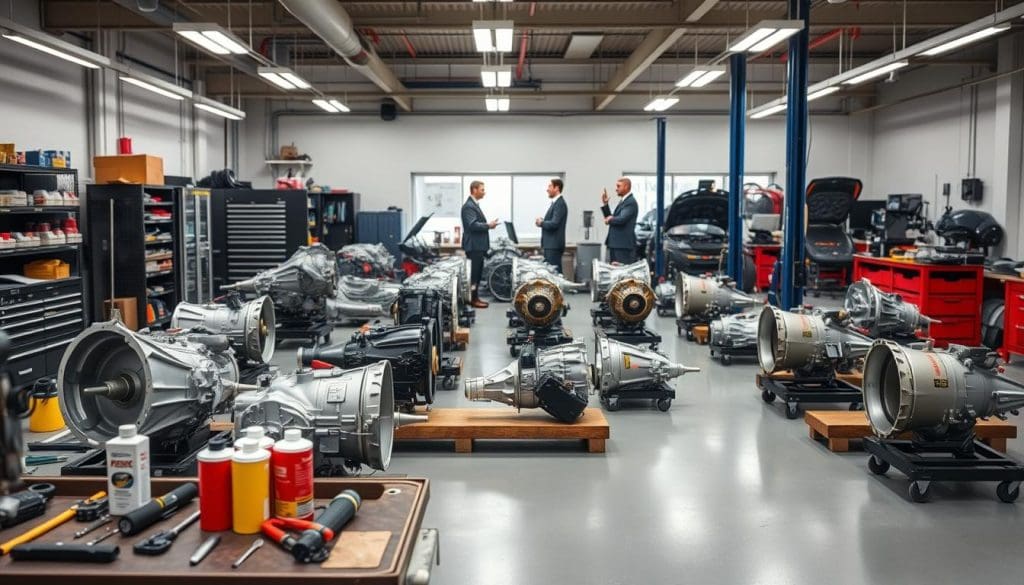
Here’s a clear list of the drivetrain systems we service and how we handle each one at Heaven Automotive. We want you to know exactly what we can do for your vehicle and when to bring it in for diagnostics.
Automatic transmission service and repair
We diagnose shift problems, fluid condition, and internal wear to avoid unnecessary parts swaps. Our approach begins with a fluid check and road test to confirm symptoms.
Manual transmissions and clutch-related concerns
Manual gearboxes rely on a clutch to engage and disengage the engine and gearbox. We trace grinding or engagement issues to either the clutch or internal gears before recommending work.
Front-wheel drive driveline components
Front-wheel drive layouts combine the engine and gearbox up front and route power through axles. CV joints, axles, and transaxles can mimic shift symptoms and need focused inspection.
Four-wheel drive systems and transfer cases
Four-wheel drive vehicles need transfer-case and differential fluid checks. Proper fluids and routine maintenance protect 4×4 function and avoid costly failure later.
“We back our work with warranty coverage and years of experience so you leave confident.”
- Comprehensive services for automatics and manuals
- Clutch diagnosis and targeted fixes
- Driveline and transfer-case fluid service
When you notice symptoms, book a diagnostic at our shop in san antonio. Early checks save time and money and let our expert team recommend the best repair services.
Our Diagnostic Process and What to Expect at Our Shop
Our first step is a careful inspection that pairs data with a short road test to confirm your car’s symptoms.
We’ll start with a visual check and a fluid scan to spot leaks or burnt oil. Then we perform a controlled road test to reproduce the issue and record shift feel and noise.
Next we drop the pan for a close look. We inspect for debris, clutch material, or metal particles and use those findings to choose targeted repair options.
Clear estimate and trusted parts
We give a written estimate before any work begins. That shows scope, timeline, and cost so the customer can approve or ask questions.
We use quality parts to protect long-term performance and avoid repeat work. Our team stands behind each job with a robust warranty for peace of mind.
Skilled technicians and warranty-backed work
Our experienced technicians follow proven steps to diagnose and fix problems. We make appointments simple and keep you updated at every stage.
“We confirm symptoms, explain options, and back our work with a clear warranty.”
Repair vs. Rebuild vs. Replacement: Choosing the Right Transmission Service
A clear diagnosis lets us match the right service — a simple part fix, a rebuild, or a full replacement — to your situation.
We start by defining the options so you can compare them with confidence. A targeted repair fixes specific faults when damage is limited and a cause is verified.
When targeted repairs make sense
Targeted repairs work when a single component fails and the rest of the system is healthy. This keeps costs low and gets your car back on the road faster.
We recommend this path when oil, filter, or one assembly shows clear failure and diagnostics confirm no wider wear.
When a rebuild is the most cost-effective option
A rebuild replaces worn internals while reusing the original case. It often wins when wear is widespread but the vehicle is worth keeping.
Rebuilds balance long-term reliability and cost, and they commonly include a dyno test and a parts warranty.
Replacement options
Replacement paths include new, rebuilt, remanufactured, repaired, or used units. Each choice has tradeoffs in cost, availability, and warranty coverage.
- New: highest cost, best longevity and warranty.
- Remanufactured or rebuilt: mid-cost, tested, with limited warranty.
- Repaired or used: lower upfront cost, variable lifespan and limited guarantees.
We guide san antonio drivers by matching goals — long-term reliability, short-term budget, or planned ownership time — to the best path. Our shop bases recommendations on diagnostics and documents the reasons so you can decide with confidence.
“We explain pros and cons, show cost outcomes, and back selected services with clear warranty options.”
Conclusion
A timely check at the first sign of trouble often saves you time and money. Early symptoms are actionable warnings. Addressing them quickly helps control cost and downtime for your car.
Regular fluid service and routine care extend gearbox life and improve vehicle performance. Proper intervals and consistent attention cut the risk of major work and keep your cars running smoother.
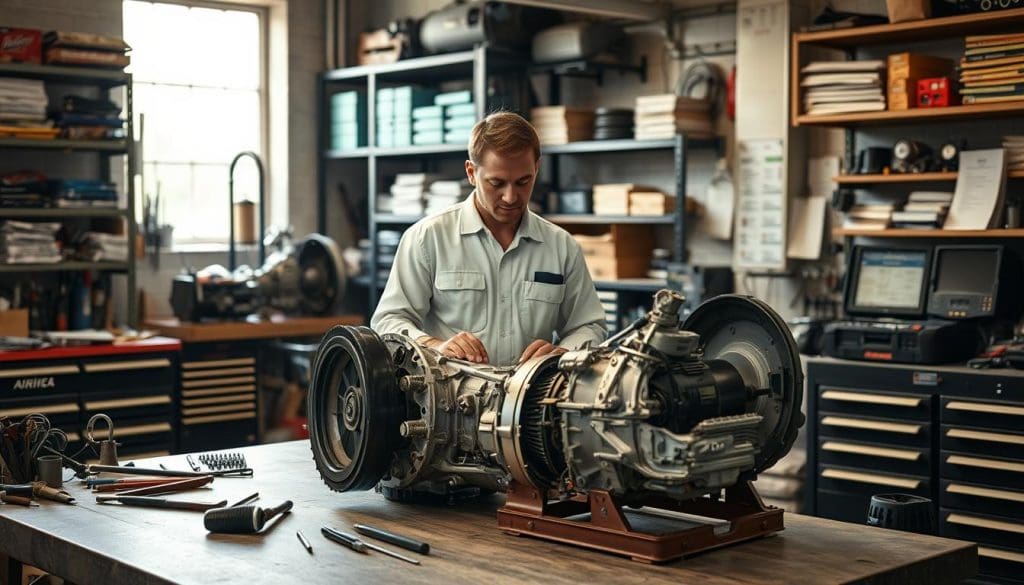
At our shop you can expect clear recommendations, quality workmanship, and warranty-backed work from technicians with years of experience. We explain the options and complete the right service the first time.
If you notice slipping, harsh shifts, warning lights, burning smells, or leaks, act today. Schedule appointment with Heaven Automotive in san antonio so our team can diagnose the issue and get your vehicle back on the road. We invite you to hire Heaven Automotive to fix your vehicle—contact our shop to book your appointment and drive away with confidence.