

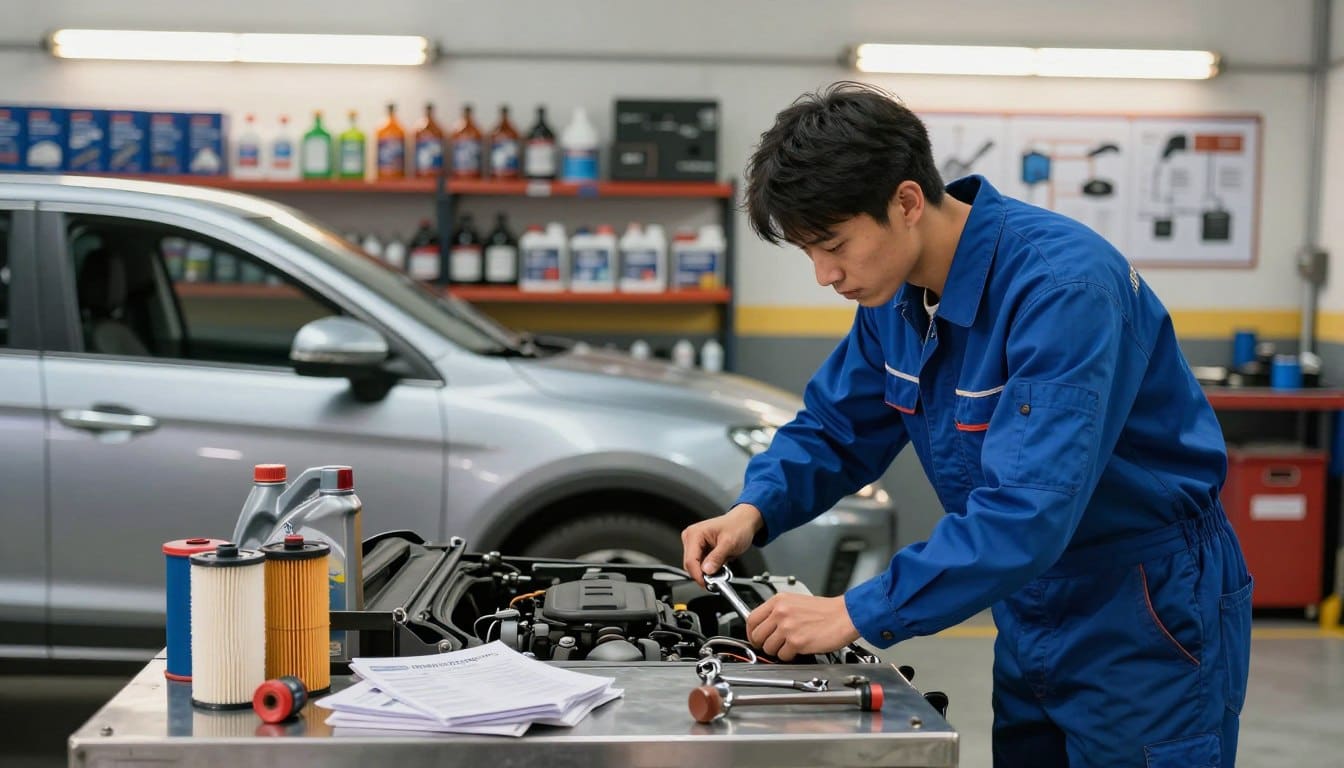
Do you dream of keeping your vehicle on the road for the long haul? Reaching 200k miles is a major milestone. It shows your dedication to quality ownership. With the right approach, you can keep your engine running smoothly for many years.
Achieving this goal requires more than just luck; it demands a proactive strategy. You must prioritize consistent extend car life maintenance to prevent costly breakdowns before they start. By staying ahead of small issues, you protect your investment and ensure reliable performance.
Partnering with the experts at Heaven Automotive is the best way to stay on track. Our team provides the professional care your vehicle needs to thrive. Call us today at (210) 682-3898 to schedule your next inspection and keep your ride in peak condition.
Key Takeaways
- Regular inspections are vital for reaching high-mileage goals.
- Proactive repairs prevent minor issues from becoming expensive failures.
- Professional expertise ensures your vehicle remains safe and reliable.
- Consistent fluid checks and part replacements are essential for longevity.
- Heaven Automotive offers the specialized support you need for your vehicle.
The Modern Reality of High Mileage Vehicles
Today’s cars are made to last longer than ever before. With the average age of vehicles on American roads over 11 years, it’s clear they’re built to endure. By treating your car as a long-term investment, you can make car last longer.
Shifting Perspectives on Vehicle Longevity
Many people think a car is done after 100,000 miles. But, with regular care, modern engines can go well past 200,000 miles. Changing your mindset is key to getting the most from your car.
Seeing your car as a machine that needs care helps you avoid costly repairs. This approach keeps your car safe and running well for years. Here are some ways to extend your car’s life:
- Advanced synthetic lubricants that reduce internal friction.
- Improved rust-proofing and high-quality exterior coatings.
- Computerized diagnostic systems that catch minor issues early.
The Economic Benefits of Keeping Your Car Longer
Keeping your car can save you a lot of money. It avoids the big drop in value that comes with buying new. By making car last longer, you save on loan payments and insurance.
| Expense Category | New Car Ownership | High Mileage Vehicle |
|---|---|---|
| Monthly Payment | High | Zero |
| Depreciation | Significant | Minimal |
| Maintenance | Low | Moderate |
Older cars might need more visits to the mechanic, but these costs are much lower. Spending on quality parts and labor is worth it to make car last longer. Keeping your car can help you financially for years.
Essential Strategies for Extend Car Life Maintenance
Creating a reliable maintenance schedule is key to protecting your car. A consistent routine keeps all parts working at their best. This is the heart of successful high mileage maintenance.
Adhering to Manufacturer Service Intervals
Your car’s owner’s manual is a guide to keeping it running long. It’s based on tests to find when parts need attention. Skipping these times can cause parts to fail early.
Following the recommended schedule helps avoid costly repairs. Regular oil changes, coolant flushes, and timing belt replacements are vital. Being consistent is your best tool in the garage.
The Importance of Using OEM Parts
Choosing the right parts is critical when replacing old ones. OEM parts are made for your car’s exact needs. They last longer and work better than generic parts.
Using OEM parts keeps your car running like new. While cheaper generic parts might seem appealing, they often don’t fit right or last as long. Genuine parts are a smart choice for high mileage maintenance. They ensure your car runs smoothly and reliably.
Mastering the Engine Oil and Lubrication Cycle
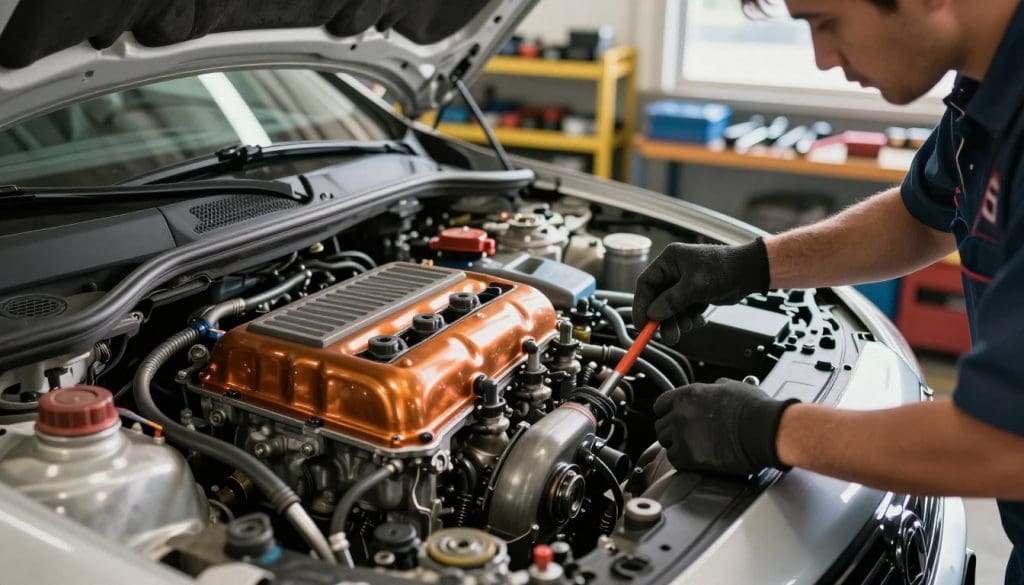
To make car last longer, focus on your engine’s lubrication system. Engine oil is like the car’s blood, reducing friction and heat. Without clean oil, parts wear out too soon.
Choosing the Right Synthetic Oil for Your Engine
Modern engines need top-notch lubricants. Synthetic oils stay stable in extreme temperatures. Always check your owner’s manual for the right oil type.
Using the right oil helps your engine run smoothly, even in cold weather. Premium synthetic blends protect your engine from wear. This keeps your car reliable for a long time.
Why Frequent Filter Changes Prevent Internal Wear
The oil filter keeps contaminants out. Over time, metal shavings and dirt build up in the oil. If not caught, they damage engine parts.
Changing the filter often stops harmful sludge buildup. This keeps the engine clean and efficient. Regular filter changes are key to a long-lasting car.
Cooling System Integrity and Overheating Prevention
To reach 200k miles, your car’s cooling system must be in top shape. This system, made of hoses, pumps, and fluids, keeps your engine cool. Without it, your car could overheat and fail early.
Monitoring Coolant Levels and Chemical Composition
Coolant does more than prevent freezing; it fights corrosion in your engine and radiator. Over time, its chemicals break down. This means your engine’s metal parts are no longer protected from rust and scale.
It’s key to use the right coolant for your car. The wrong mix can lead to sludge, clogging your radiator. Always flush your system as recommended to keep it clean and efficient.
Identifying Early Signs of Radiator and Hose Failure
Your cooling system often gives early warnings of trouble. Regular visual checks can spot small problems before they become big ones. Look out for these signs:
- Visible coolant leaks or puddles under your car.
- Hoses that feel brittle, cracked, or too soft.
- White or sweet-smelling exhaust smoke, a sign of an internal leak.
- Frequent drops in the coolant reservoir level.
- Temperature gauge swings during stop-and-go traffic.
If you see any of these signs, fix them fast. Replacing a hose or radiator is cheaper than fixing a blown head gasket. Being proactive helps your car last beyond 200k miles.
Transmission Health and Fluid Management
Many drivers ignore their transmission until it fails. But, taking care of it early can save a lot of money. The transmission is very expensive to fix, so keeping it in good shape is key for high-mileage cars. Regular maintenance helps avoid big problems.
Recognizing Symptoms of Transmission Stress
Your car may warn you before a big problem happens. Look out for shuddering when you accelerate or hesitation when shifting. Also, watch for grinding noises or a burning smell from under the car.
Delayed engagement is another warning sign. If your car takes time to move after shifting, it’s a problem. Don’t ignore these signs or you’ll face expensive repairs later.
The Role of Fluid Flushes in Long-Term Reliability
Transmission fluid keeps the gears cool and lubricated. But, it breaks down over time. Keeping the fluid fresh is crucial for your car’s life.
There’s a debate on whether to do a simple pan drop or a full flush. A pan drop only changes some of the fluid, while a flush changes all of it. Check your owner’s manual or talk to a mechanic to see what’s best for your car.
Whether you choose a pan drop or a full flush, regular maintenance is a must. This keeps your transmission running smoothly for years. Investing in this care is a smart move for your car’s future.
Suspension and Steering Component Preservation
Your vehicle’s suspension system works hard every day to handle the road. Over time, it faces a lot of stress. This can make your driving experience worse. By being proactive, you keep your car stable, safe, and predictable for years.
Managing Road Impact and Alignment Issues
Every pothole and uneven surface affects your vehicle’s frame. This can cause your wheel alignment to shift. Proper alignment is key to control and preventing steering rack strain.
If your car pulls to one side or shakes at high speeds, it’s time for a check. Fixing these problems early saves money on tires and protects your steering. Keeping your alignment right is a simple yet powerful way to keep your drivetrain going strong.
Inspecting Bushings and Ball Joints for Safety
Bushings and ball joints connect your wheels to the chassis. They dampen vibrations but can dry out or crack with age. Regular inspections are critical because worn parts can cause loose handling and unstable steering.
When these parts fail, you might hear clunking or feel turns are less precise. Replacing them before they break prevents damage to other expensive parts. Taking care of these small parts keeps your ride smooth and safe.
| Component | Common Symptom | Safety Impact |
|---|---|---|
| Control Arm Bushings | Clunking sounds | Reduced handling precision |
| Ball Joints | Excessive steering play | Risk of wheel detachment |
| Tie Rod Ends | Uneven tire wear | Loss of steering control |
| Struts/Shocks | Bouncy ride quality | Increased braking distance |
Electrical System Reliability in Aging Vehicles
Keeping your car’s electrical system in good shape is key to starting it every morning. As your car gets older, the wiring and parts face more stress from heat and vibration. Proactive care helps avoid the hassle of a car that won’t start when you need it.
Battery Maintenance and Terminal Corrosion Control
The battery is the heart of your car’s electrical system. Over time, you might see a white or blue powdery substance on the terminals. This corrosion stops electricity flow and makes starting hard.
Check your battery terminals twice a year to keep them clean and tight. If you see buildup, mix baking soda and water with a wire brush to clean them. Always wear protective gloves and eyewear to avoid battery acid.
Troubleshooting Alternator and Starter Motor Issues
The alternator keeps the system charged while driving. If your headlights are dim or dashboard lights flicker, the alternator might not be working right. A failing alternator can drain the battery, even if it’s new.
The starter motor also wears out over time. If you hear a clicking sound but the engine won’t start, the starter motor might need replacing. Professional diagnostic testing can find out if it’s the starter, solenoid, or wiring.
| Symptom | Potential Cause | Recommended Action |
|---|---|---|
| Dim interior lights | Weak Alternator | Test voltage output |
| Clicking during start | Faulty Starter | Inspect motor connections |
| Corroded terminals | Acid buildup | Clean with wire brush |
| Engine stalls while driving | Charging system failure | Check serpentine belt |
Braking System Safety and Performance
Your car’s ability to stop safely is key to your daily drive. Many focus on the engine, but the braking system is the main safety feature. Regular maintenance ensures your car stops quickly when needed.
Routine Inspection of Pads, Rotors, and Calipers
Check your brake parts every time you change your tires. Listen closely for squealing or grinding sounds. These mean your brake pads are too thin.
Look for uneven wear or fluid leaks in your calipers. A stuck caliper can make your car pull to one side. Keeping these parts clean and well-lubricated prevents failure and keeps your brakes working well.
The Critical Nature of Brake Fluid Exchanges
Many drivers forget about brake fluid, but it’s vital. Brake fluid is hygroscopic, meaning it absorbs moisture. This lowers its boiling point and causes corrosion in your calipers and ABS modules.
Flushing your brake fluid regularly removes dirt and sludge. Replacing it as recommended by your car’s maker keeps seals and valves in good shape. This simple step greatly helps your braking system last longer.
| Component | Inspection Frequency | Typical Service Life |
|---|---|---|
| Brake Pads | Every 5,000 Miles | 30,000 – 70,000 Miles |
| Brake Rotors | Every 10,000 Miles | 60,000 – 100,000 Miles |
| Brake Fluid | Every 20,000 Miles | 2 Years / 30,000 Miles |
| Calipers | Every 15,000 Miles | As Needed / 100,000+ Miles |
Tire Care and Drivetrain Alignment
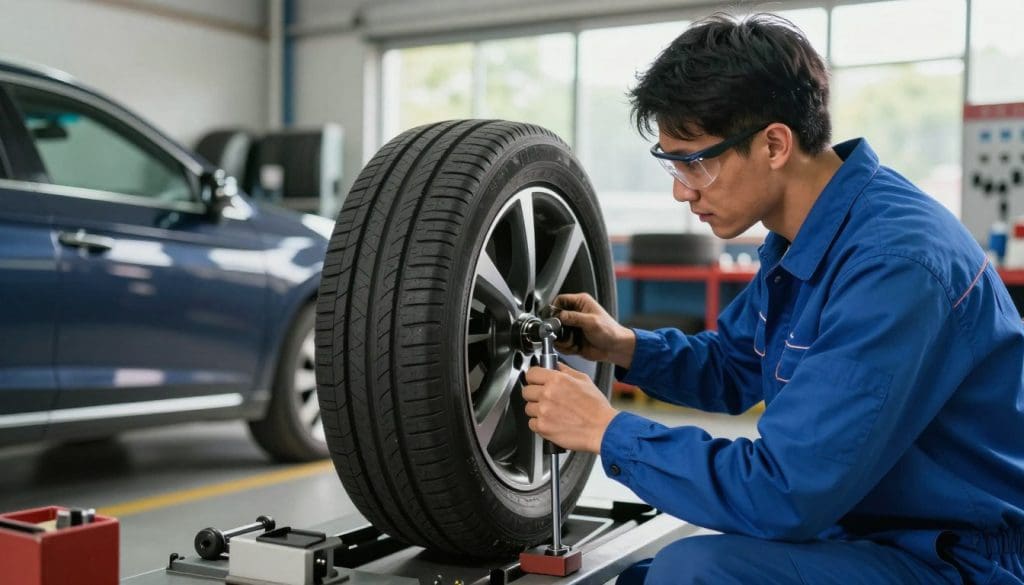
Your tires are the only part of your car that touches the road. Their condition affects your safety and how well your car drives. Neglecting these components can cause them to fail early and cost a lot to fix.
Optimizing Tire Pressure for Even Wear
Keeping your tires at the right pressure is key to making them last longer. If they’re too low, the sides flex too much, leading to dangerous heat buildup. This can cause uneven wear and a higher chance of a blowout.
On the other hand, if they’re too high, the center wears down fast. Check your tire pressure monthly with a good gauge. Use the number on the sticker inside your driver’s side door jamb, not the one on the tire.
The Impact of Wheel Alignment on Fuel Economy
When your wheels are aligned right, your tires meet the road perfectly. If they’re not, your tires have to work harder, which makes your engine work harder too. This means you use more fuel and stress your car’s parts.
If your car pulls to one side or your steering wheel shakes at high speeds, it’s time to get it checked. Fixing these problems early stops uneven wear and protects your suspension. Getting your alignment checked regularly is a smart financial move that saves you money on fuel and keeps your car running well.
| Maintenance Task | Primary Benefit | Recommended Frequency |
|---|---|---|
| Tire Pressure Check | Prevents uneven wear | Monthly |
| Wheel Alignment | Improves fuel economy | Every 6,000 miles |
| Tire Rotation | Extends tread life | Every 5,000-8,000 miles |
Environmental Factors Affecting San Antonio Drivers
Keeping your car in South Texas means fighting off local environmental challenges. Knowing how the climate affects your vehicle helps improve its car longevity San Antonio.
Combating Extreme Heat and Humidity
The Texas sun is tough on your car’s cooling system. High heat can cause coolant to evaporate or break down. This can lead to engine overheating if not checked regularly. Consistent monitoring of your radiator and hoses is key to avoiding expensive repairs.
Humidity also impacts your engine’s performance. It can alter the air-fuel mix and speed up oil breakdown. To keep your engine running well, follow this maintenance plan:
| Component | Check Frequency | Action Required |
|---|---|---|
| Coolant Levels | Monthly | Top off or flush |
| Engine Oil | Every 5k miles | Use high-heat synthetic |
| Radiator Hoses | Quarterly | Inspect for cracks |
Protecting Your Vehicle from Dust and Debris
San Antonio’s dry, dusty air can get into your car’s systems. Fine particles can bypass standard filters, causing wear over time. Replacing air filters often is a simple way to boost car longevity San Antonio.
Not just the engine, but your car’s exterior and interior also face challenges. Dust can scratch your paint, and UV rays can damage your dashboard and seats. Here’s how to reduce damage:
- Replace cabin air filters more often to keep dust out of your air.
- Use a high-quality UV-protectant wax to protect your paint from the sun.
- Keep your windows tinted to lower interior heat and protect leather.
- Park in shaded spots to preserve your car’s rubber seals and trim.
By being proactive against these challenges, you can keep your car reliable for years. Protecting your investment from the elements is key to long-term car longevity San Antonio.
Recognizing When to Seek Professional Diagnostics
Your car often sends signals before a big problem happens. Paying attention to these signs is key to keeping your car running well for years. If something seems off, acting fast can stop small issues from becoming big, expensive problems.
Interpreting Dashboard Warning Lights
Modern cars have sensors that warn you of possible issues. A glowing light is your car’s way of saying it needs help. Ignoring these lights can lead to serious problems.
Common dashboard alerts include:
- Check Engine Light: This often signals issues with the emissions system, spark plugs, or oxygen sensors.
- ABS Warning: Indicates a problem with your anti-lock braking system, which is critical for safety.
- Oil Pressure Light: A serious warning that suggests your engine may not be receiving proper lubrication.
- Battery/Charging Light: Points to a failure in the electrical system or alternator.
The Value of Pre-emptive Professional Inspections
Waiting for a total system failure is risky and can be expensive. Pre-emptive inspections help certified technicians find problems before they get worse. This keeps your car running smoothly and efficiently.
Listen for unusual noises or feel for vibrations while driving. A grinding sound during braking or a slight pull in the steering wheel are clear signs that a professional check is necessary. Prioritizing these inspections is the most effective way to support car longevity San Antonio residents strive for in their daily commutes.
Common Myths About High Mileage Vehicles
Many people think a car is unreliable at 100,000 miles. They believe it’s time to get a new one. But, this idea is outdated. It doesn’t account for the big improvements in car design and materials.
Debunking the 100,000 Mile Retirement Theory
Today’s cars are made to last longer than old ones. With regular high mileage maintenance, engines and transmissions can stay in top shape. Seeing 100,000 miles is just a milestone, not the end.
By being proactive, you can easily reach 200k miles and more. The key is to ignore the old retirement age. Instead, focus on your car’s real condition. Consistency is the secret ingredient for long-term car ownership.
Understanding the Difference Between Wear and Failure
It’s important to know the difference between normal wear and failure. Wear happens when parts like belts and brake pads get worn out. These are consumables that need to be replaced regularly.
Failure, though, is when a major system breaks down. This usually happens because of neglect or abuse. Regular high mileage maintenance helps prevent this. It keeps your car reliable for a long time, even up to 200k miles.
| Component Type | Normal Wear | Neglect-Driven Failure |
|---|---|---|
| Engine Oil | Gradual viscosity loss | Sludge buildup and seizure |
| Cooling System | Hose rubber hardening | Radiator burst and overheating |
| Transmission | Fluid color darkening | Internal gear disintegration |
| Braking System | Pad thickness reduction | Rotor warping and caliper lockup |
The Role of Expert Technicians in Vehicle Longevity
Your car’s life span is greatly influenced by who maintains it. While simple tasks can be done at home, a pro’s touch is essential for complex systems. A skilled technician offers the specialized care needed to handle an aging vehicle’s challenges.
Why Specialized Knowledge Matters for Older Models
As your car gets older, it develops unique issues that need a deep understanding of car engineering. Expert technicians have the tools and know-how to spot problems that a basic check might overlook. This specialized knowledge is key to keeping your car running smoothly, preventing small problems from becoming big ones.
Older cars often need specific fluids or parts that are different from newer models. Professionals keep up with the latest service updates for these needs. By trusting them, you get precise and accurate maintenance for your high mileage car.
Building a Long-Term Relationship with Your Mechanic
Consistency is key for a reliable car. Regular visits to the same mechanic build a detailed history of your car’s performance. This relationship helps them predict when parts might need to be replaced.
A trusted mechanic is a partner in your car’s health. They can plan repairs based on your driving and budget, helping your car last longer without breaking the bank. This teamwork is the best way to manage your car’s maintenance over time.
| Service Aspect | DIY Maintenance | Professional Expert |
|---|---|---|
| Diagnostic Accuracy | Limited by tools | Advanced scanning |
| Part Selection | Variable quality | Guaranteed OEM parts |
| Service History | Manual tracking | Digital database |
| Warranty Coverage | None | Shop guarantee |
Conclusion
Reaching 200,000 miles is a big deal. It shows the value of taking good care of your car. By keeping up with maintenance, you make your car a trusted friend for your daily drives.
Looking after your car well saves money and keeps you safe. Doing small things often makes a big difference. It keeps your engine and drivetrain in top shape.
To make your car last longer in San Antonio, you need the right help. Heaven Automotive knows how to handle our local weather. They offer the expert care your car needs to run smoothly.
Stop by our shop at 6645 Poss Rd. San Antonio, TX 78238 to talk about your car’s needs. Our team is ready to help extend your car’s life.
Call us at (210) 682-3898 to book your next service. We’re here to ensure your car stays reliable for many miles to come.