

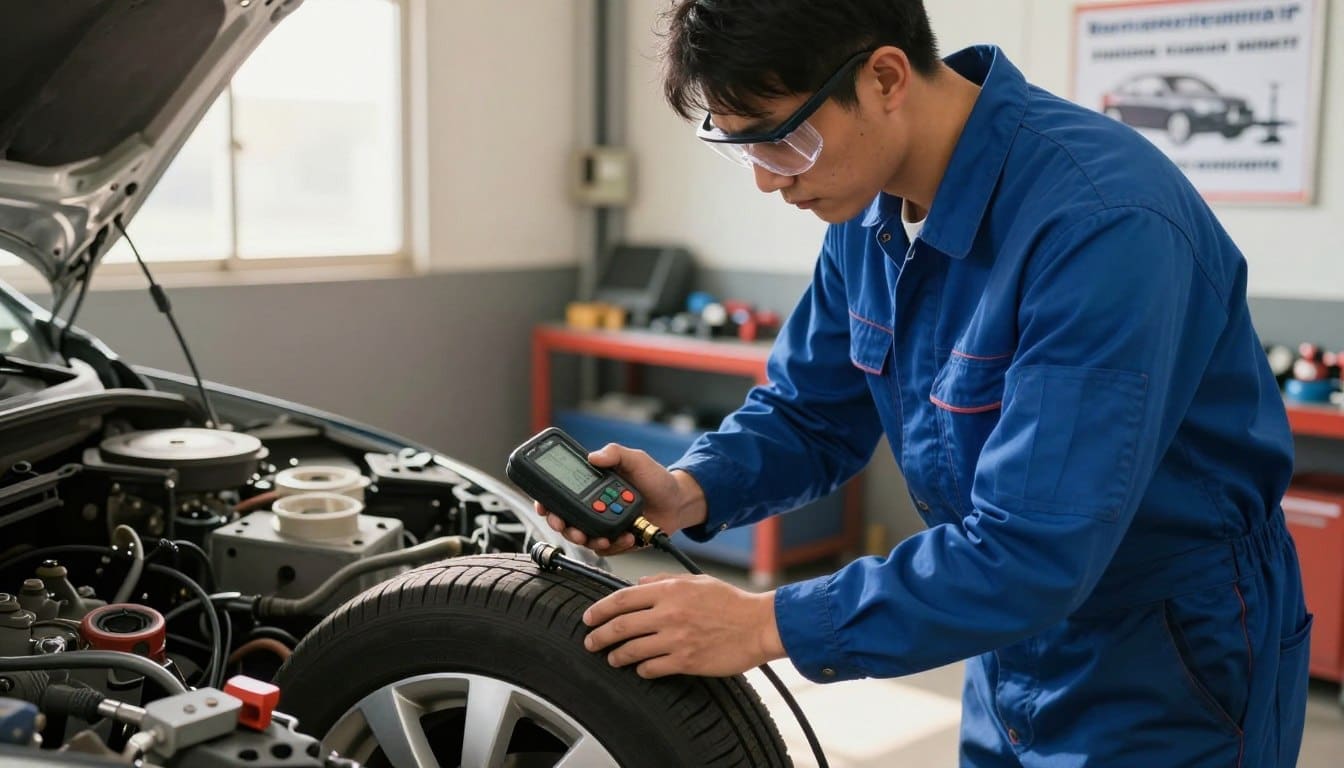
Getting more miles from every gallon is a common goal for drivers. Your vehicle is a complex machine that needs regular care to perform its best. Simple maintenance habits can make a significant difference in how far you can travel on a single tank.
Consider what happens when you add items to your roof. Consumer Reports tested this with professional equipment. They used a specialized meter to measure gasoline consumption precisely.
Their findings were clear. A Nissan Altima lost 13 miles per gallon with two bikes on a roof rack. A Toyota RAV4 saw a 7 mpg drop in the same test. Even an empty rack can hurt your numbers.
This shows that how you manage your automobile matters. Proper upkeep is the first step to achieving the best possible fuel economy. It helps your daily commute cost less and your vehicle last longer.
With rising prices in recent years, adopting better habits has become essential. Following solid fuel efficiency tips San Antonio drivers use can help your car reach its maximum potential. You will see a reduction in your overall fuel consumption.
Key Takeaways
- Your car requires consistent care to maintain its peak operating condition.
- External accessories like roof racks create aerodynamic drag, which lowers MPG significantly.
- Professional tests by Consumer Reports used precise fuel meters to measure consumption.
- Proper vehicle maintenance is the foundational step to improving your gas mileage.
- Better driving and maintenance habits can lead to substantial savings at the pump.
- Even an empty roof rack was found to decrease fuel economy in controlled testing.
- Managing your vehicle’s daily usage is as important as the maintenance you perform.
Understanding Your Vehicle’s Fuel Economy
Several core factors determine how far you can travel on a single tank of gas. Your automobile has a maximum limit for how well it uses fuel. This limit is set by its design and weight.
The EPA provides official ratings for every model. Your actual results will often be lower. Daily driving conditions and your personal habits are the reason.
The Basics of Gas Mileage
Your car engine needs precise combustion to perform well. Any problem here hurts your vehicle’s performance. It also lowers your fuel economy right away.
Mark Schieldrop from AAA highlights a key point. Simple habit changes can boost your results by up to 20 percent. Monitoring your numbers helps you spot issues early.
| Factor | Typical Impact | Key Insight |
|---|---|---|
| Tire Pressure | Up to 5% loss | Underinflated tires create more rolling resistance. |
| Engine Idling | 0.25 – 0.5 gal/hour | Turning off your engine in traffic saves gas. |
| Highway Speed | Varies significantly | Optimal efficiency is usually between 50-60 mph. |
| Aerodynamic Drag | Major MPG reduction | Accessories like roof racks increase wind resistance. |
| Engine Maintenance | Critical for performance | Regular care keeps combustion precise and efficient. |
Common Factors Affecting Fuel Efficiency
Improper tire pressure is a common mistake. It can reduce your fuel economy by five percent. Check your tires monthly to avoid this.
Leaving your engine running wastes gas. It uses between a quarter and half gallon each hour. Turning it off during long stops is a smart move.
Highway driving has a sweet spot. Most modern vehicles perform best between 50 and 60 miles per hour. Going faster increases wind resistance and consumption.
Proven Fuel Efficiency Tips San Antonio for Better Mileage
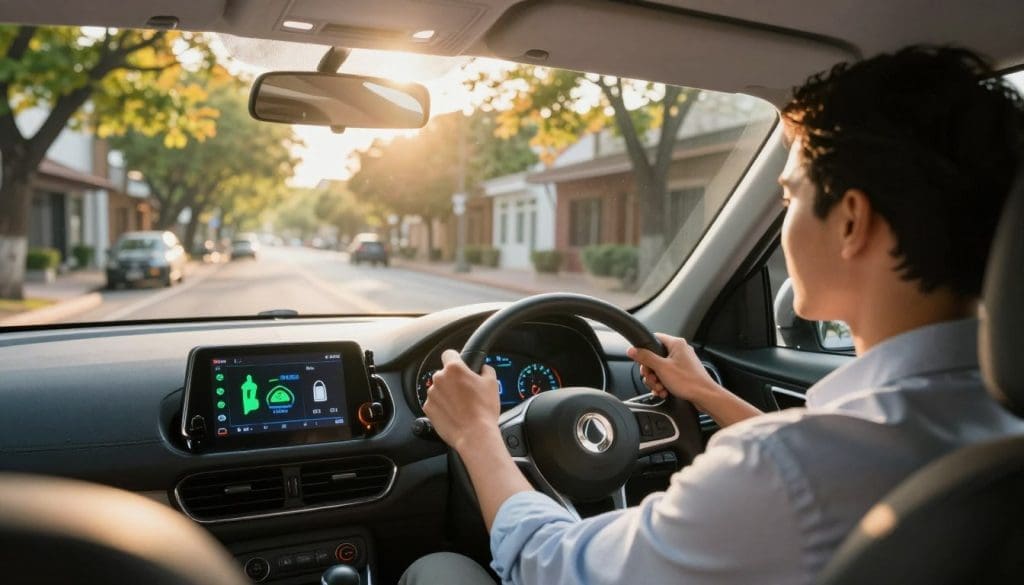
You can transform your car’s consumption rates by focusing on two primary areas: your habits and your vehicle’s condition. Simple adjustments in these areas lead to real savings.
Smart Driving Habits to Save Gas
How you drive has a major effect. Smooth acceleration and gentle braking prevent waste. This is especially true in city traffic.
Plan your trips to combine errands. This reduces cold starts, when your engine is least efficient. Carrying extra weight also hurts your numbers.
An extra 100 pounds can lower your gas mileage by about one percent. Using cruise control on the highway maintains steady speeds. This helps your automobile use less.
Optimizing Tire Pressure and Reducing Aerodynamic Drag
Your tires need the right amount of air. Underinflated tires create rolling resistance. Your engine then works harder, using more gas.
Check your tire pressure every month. Refer to your owner’s manual for the correct psi. This simple step keeps your vehicle running well.
Also, look at what’s on top of your car. Roof racks and boxes create aerodynamic drag. Consumer Reports found a rooftop box caused a 9 mpg drop for a sedan on the highway.
Removing these items when not in use is a powerful way to increase fuel economy.
| Action | Impact on MPG | Key Benefit |
|---|---|---|
| Drive Smoothly | Improves up to 20% | Reduces wasted acceleration and braking. |
| Use Cruise Control | Maintains optimal speed | Prevents unnecessary speed variation. |
| Maintain Tire Pressure | Prevents up to 5% loss | Lowers rolling resistance for the engine. |
| Remove Roof Rack | Significant increase | Eliminates major source of wind resistance. |
Simple Maintenance Practices for Improved Gas Mileage
Scheduled maintenance is not just about reliability. It’s a proven method to enhance your car’s economy. Regular care keeps your vehicle running at its best.
This routine work directly supports better gas mileage. It also prevents costly problems later.
Regular Oil Changes and Engine Care
Fresh oil is vital for your engine. Modern synthetic oils can last up to 15,000 miles. Always check your owner manual for the correct interval.
Clean oil reduces internal friction. This helps improve fuel efficiency significantly.
Your engine air filter needs attention too. A dirty filter restricts airflow. This can reduce fuel economy, especially in older vehicles.
Replace spark plugs and fuel filters as recommended. This keeps your vehicle running efficiently. It also prevents long-term system damage.
Never ignore a flashing check engine light. Addressing it quickly maintains optimal fuel efficiency. Seek professional auto repair to avoid expensive damage.
| Maintenance Task | Impact on MPG | Recommended Action |
|---|---|---|
| Oil Change (Synthetic) | Helps improve fuel efficiency | Follow interval in your owner manual |
| Engine Air Filter Replacement | Prevents reduction in economy | Replace when dirty, especially in older cars |
| Address Check Engine Light | Maintains optimal fuel efficiency | Seek professional repair immediately |
| Spark Plugs & Fuel Filter | Keeps vehicle running efficiently | Replace at manufacturer’s mileage |
Adhering to the maintenance schedule can save you money. It ensures your engine remains clean and efficient. This regular care reduces fuel waste.
Your driving habits are supported by a healthy, well-tuned vehicle engine. Simple upkeep makes a real difference.
Adjusting Driving Habits to Maximize Fuel Efficiency

Mastering a few key behaviors behind the wheel can directly translate to spending less at the pump. Your daily routine has a major impact on your vehicle’s performance.
Small changes in how you drive can lead to big savings. This approach requires no special tools, just awareness and practice.
Smooth Acceleration and Precise Braking
Avoid aggressive “jackrabbit” starts that force your engine to work too hard. Gentle acceleration is much kinder on your car.
AAA expert Mark Schieldrop states that softer acceleration and braking can boost your fuel economy by up to 20 percent. This also reduces wear on your brakes and tires.
Anticipate stops in traffic. Lifting your foot early allows the car to slow naturally, saving gas.
Using Cruise Control and Maintaining Steady Speeds
On the open highway, use your cruise control. It holds a constant speed better than your foot can, which is more efficient.
Driving at 60 mph instead of 70 can save up to 14 percent of gas for many modern vehicles. Higher speeds create much more wind resistance.
Plan trips to avoid rush hour. Stop-and-go traffic is the least efficient way to drive. Using flex time or fast pass lanes helps you maintain momentum.
Also, avoid idling. Sitting in a drive-thru for 10 minutes can waste about a cup of gasoline. Turn your car off for longer waits.
| Driving Action | Impact on Gas Mileage | Primary Benefit |
|---|---|---|
| Smooth Acceleration | Can improve up to 20% | Prevents engine from burning excess fuel |
| Using Cruise Control | Maintains optimal efficiency | Eliminates unnecessary speed variation |
| Reducing Highway Speed | Saves up to 14% | Lowers aerodynamic drag significantly |
| Avoiding Idling | Prevents pure waste | Saves gas that provides zero miles |
These driving habits work best when your automobile is in top shape. For maximum fuel efficiency, pair them with a professional vehicle tune-up to ensure all systems are aligned.
Strategies to Reduce Extra Weight and Aerodynamic Drag
Two often overlooked factors that drain your gas tank are excess weight and poor aerodynamics. Addressing these can lead to immediate improvements in your car’s performance.
Every extra pound forces your engine to work harder. This burns more gas on every trip.
Removing Unnecessary Cargo and Roof Accessories
Start by cleaning out your trunk and back seat. Industry research shows an extra 100 pounds reduces your fuel economy by about one percent.
Aerodynamic drag is a major force against your vehicle. Consumer Reports found that carrying two mountain bikes on a rack caused a 12 mpg loss for one sedan.
Even an empty roof rack creates wind resistance. Removing a rooftop box can improve your gas mileage by up to 9 mpg.
Consider your car’s color and windows. Lighter paint and tinted glass reduce interior heat. This lowers the need for air conditioning, saving more fuel.
| Action | Impact on MPG | Key Insight |
|---|---|---|
| Remove 100 lbs of Cargo | Improves by ~1% | Lowers the engine’s workload instantly |
| Take Off Roof Rack/Box | Improves up to 9 mpg | Eliminates a primary source of wind resistance |
| Use Tinted Windows | Saves fuel | Reduces AC demand, keeping the cabin cooler |
Adopt these simple strategies. You will see a direct effect on your numbers. Your driving habits become more effective when your automobile is lean and sleek.
Leveraging Auto Repair and Tools for Better Efficiency
Combining expert auto care with smart digital tools can unlock new levels of savings and performance. Professional services and personal monitoring work together to keep your automobile running at its best.
This approach helps you save money over the long term. It also ensures your vehicle remains reliable and efficient.
Regular Check-Ups at Heaven Automotive
Consistent professional care is vital. Heaven Automotive, located at 6645 Poss Rd in San Antonio, provides expert services to help you maximize fuel efficiency.
Their technicians perform thorough inspections. They ensure your car engine and all systems are operating perfectly.
Regular visits to a trusted auto repair shop help maintain your vehicle’s fuel economy. Potential issues are caught early, preventing expensive repairs later.
Facilities like those recognized by AAA’s Approved Auto Repair network meet high standards for training. This guarantees quality service for your automobile.
Utilizing Mobile Apps and Monitoring Your MPG
Technology puts powerful insights in your hand. Tracking your gas mileage is the most accurate way to monitor your car’s fuel economy.
Simply divide miles driven by gallons purchased at each fill-up. Record this number to watch for trends.
Mobile apps like GasBuddy are incredibly useful. They allow you to compare local station prices, helping you save money on every tank.
A sudden drop in your calculated MPG is a clear signal. It often means your engine needs professional auto repair to restore peak fuel efficiency.
By monitoring your fuel economy, you make informed decisions about your driving habits and maintenance schedule.
Conclusion
The cumulative effect of minor adjustments in maintenance and driving can profoundly impact your annual automotive budget. Better gas mileage is the direct result of combining consistent vehicle care with smart habits on the road.
Adopting these practices helps you save money while ensuring your engine stays healthy. For optimal results, partner your efforts with professional auto repair from a trusted local shop.
Monitoring your fuel economy keeps you in control. Small, intentional changes to how you maintain and drive your car lead to substantial long-term savings and a more fuel-efficient journey.