

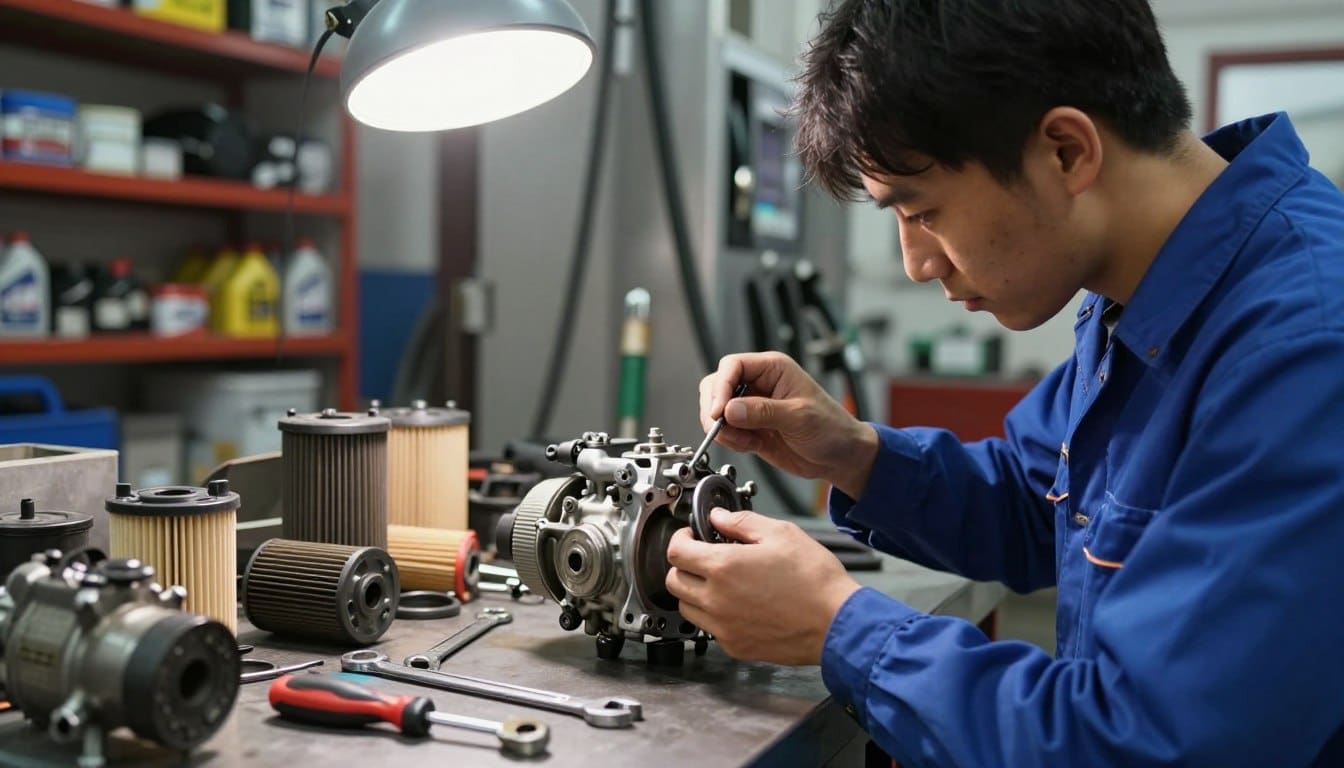
Your car needs a steady flow of energy to run smoothly. A key part, the fuel pump, makes sure your car gets the right pressure. If it starts to fail, your drive can quickly turn bad.
Spotting early signs of trouble is crucial for your safety. Catching issues early can save you from being stuck on the side of the road or a huge repair bill. Proactive maintenance is always the best choice for drivers.
At Heaven Automotive, we’re here to help keep your car in top shape. This guide is your go-to for knowing when your fuel pump needs Fuel Pump Repair. Knowing what to look for helps you keep your car reliable and long-lasting.
Key Takeaways
- Understand the essential role of your vehicle’s delivery system.
- Identify early warning signs to prevent unexpected breakdowns.
- Learn why timely inspections save you money on future costs.
- Discover how professional diagnostics ensure long-term engine health.
- Trust expert guidance to keep your car running efficiently.
Understanding the Role of Your Vehicle Fuel System
The journey of gasoline from your fuel tank to the engine is amazing. It ensures your engine gets the right amount of fuel. If this process is disrupted, you might face fuel delivery issues that affect your drive.
How Fuel Delivery Works in Modern Engines
Modern engines use a pressurized system for consistent performance. Fuel goes from the tank, through a filter, and then to the fuel injectors. These injectors spray fuel into the intake manifold, mixing it with air for the perfect combustion.
This system needs precision. Even small fuel delivery issues can upset the air-fuel mix, causing poor performance or stalling. Keeping this balance is key for good fuel economy and engine longevity.
The Critical Function of the Electric Fuel Pump
The electric fuel pump is the heart of your fuel system. It’s inside the fuel tank, where it stays cool. This is because the fuel around it helps prevent overheating.
Driving on a nearly empty tank can damage the pump. Regular maintenance and keeping your tank at least a quarter full can help protect it. Here’s a list of key fuel system parts and their roles.
| Component | Primary Function | Maintenance Need |
|---|---|---|
| Fuel Pump | Transfers fuel to engine | Keep tank above 1/4 |
| Fuel Filter | Removes contaminants | Replace every 30k miles |
| Fuel Injectors | Atomizes fuel for combustion | Periodic cleaning |
| Fuel Lines | Transports fuel safely | Inspect for leaks |
Common Indicators of Impending Fuel Pump Failure
Every car owner should know how to spot early signs of a failing fuel pump. Your vehicle tells you it’s not feeling well through changes in sound and how it runs. Paying attention to these signs can help fix small problems before they turn into big, expensive ones.
Recognizing the Whining Noise from the Fuel Tank
A low, constant whining sound from the back of your car near the gas tank is a clear sign. It means the pump is working too hard to keep the right pressure.
If you hear this noise, it’s a warning that your pump is almost out of gas. Ignoring this sound can leave you stuck on the side of the road. It’s best to get a pro to check it out as soon as you notice this noise.
Identifying Engine Stalling and Hesitation
Your car’s performance is another way it tells you something’s wrong. If your engine keeps stalling, it’s a big warning sign. This usually happens when the pump can’t keep up with the engine’s needs.
Also, if your car hesitates when you press the gas pedal, it’s a sign of trouble. This happens when the fuel system can’t send enough gasoline to the engine. If your car stalls or accelerates slowly, your fuel pump needs help fast.
The Impact of Fuel Delivery Issues on Performance
Fuel delivery problems can make your car feel different on the road. When your fuel system parts wear out, your engine can’t get the right amount of gas. This makes your car less responsive during your daily drive.
Why Poor Acceleration Occurs During Fuel Starvation
You might find it hard to accelerate when you need to merge or pass another car. This is because the fuel pump can’t meet the engine’s demand for power.
When you press the gas pedal, the engine needs more fuel to speed up. But if the pump fails, the engine can’t get enough fuel. This makes driving in traffic unpredictable and unsafe.
Surging and Sputtering at Highway Speeds
When you’re driving at high speeds, fuel issues can cause your car to surge and sputter. You might feel the car jerk or lose speed as fuel pressure changes. These signs show the pump is having trouble keeping fuel flowing evenly.
Ignoring these signs can damage your car’s mechanics more over time. It’s important to watch how your car acts at high speeds to catch problems early.
| Symptom | Performance Impact | Severity Level |
|---|---|---|
| Hesitation | Delayed throttle response | Moderate |
| Surging | Inconsistent speed maintenance | High |
| Sputtering | Rough engine operation | High |
| Stalling | Complete loss of power | Critical |
Diagnostic Procedures for Fuel Pump Health
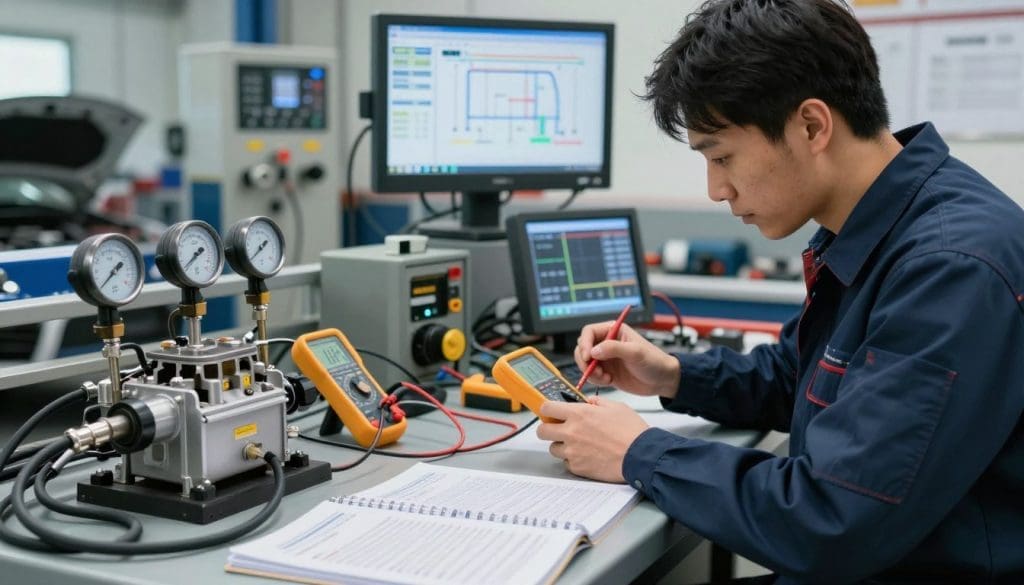
When your car starts to act up, finding the exact problem is key to fixing it. Many people think a quick look or an idle test will solve it. But these methods often miss the real cause of poor acceleration or power loss.
Using a Fuel Pressure Gauge to Verify Flow
For a proper diagnosis, you need to check fuel pressure under load. Just testing at idle isn’t enough. The pump might work fine when the engine is stopped but fail when you need more power. Testing under load shows if the pressure drops, a sign of a failing pump.
If the pressure gauge drops a lot during a test drive, it means the fuel system is struggling. This struggle is often why you can’t accelerate well when merging or going up steep hills. Using the right tools helps avoid replacing parts that are fine.
Interpreting Check Engine Light Codes Related to Fuel
Today’s cars have sensors that watch the air-fuel mix all the time. If the engine control unit (ECU) finds an imbalance, it lights up the check engine light. These codes usually mean the engine is getting too much air and not enough fuel.
Even if a code points to a sensor problem, it’s important to check the fuel flow first. A pro will match these codes with physical pressure readings for a correct diagnosis. This systematic approach saves you money and time by avoiding unnecessary sensor replacements.
| Diagnostic Method | Primary Benefit | Key Indicator |
|---|---|---|
| Idle Pressure Test | Quick baseline check | Static pressure reading |
| Load Pressure Test | Simulates real driving | Pressure drop under stress |
| OBD-II Code Scan | Identifies system errors | Lean mixture fault codes |
| Volume Flow Test | Checks pump capacity | Fuel delivery rate |
Environmental and Maintenance Factors Affecting Pump Longevity
Knowing what stresses your fuel pump can help you avoid expensive fixes later. These parts are tough but can be affected by your driving and the environment. Taking care of your fuel system can make your car last longer.
The Dangers of Driving on Low Fuel Levels
Many people wait until the light turns on before filling up. But driving on low fuel can harm your pump fast. The fuel in your tank cools the electric motor.
When fuel levels drop, the pump gets too hot. This speeds up wear and tear. The heat damages the pump’s electrical parts early.
How Contaminated Fuel Damages Internal Components
The gasoline you use matters a lot. Bad fuel can have dirt, sediment, or water that harms your system. These particles can get past the fuel filter if it’s not clean.
Debris in the pump can block the intake screen and hurt the motor. This makes the pump work too hard. It can burn out, leaving you without a working car.
Professional Fuel Pump Repair Services
Modern fuel systems are complex, making professional help the best choice for long-term reliability. If your vehicle shows trouble signs, expert Fuel Pump Repair is key. It ensures the problem is found and fixed safely.
Why DIY Repairs Often Lead to Further Complications
Trying to fix fuel systems yourself can be a costly error. Modern cars have complex electronics and high-pressure lines. They need special tools and knowledge to fix right.
Without the right tools or experience, DIY repairs can be risky:
- Hazardous fuel leaks from bad fuel tank sealing.
- Electrical shorts from wrong wiring to the pump module.
- System contamination from debris in fuel lines during install.
These problems can make repairs more expensive later. It’s safer to let a certified tech handle it. They know what your car’s fuel system needs.
The Importance of Using OEM-Grade Replacement Parts
The quality of parts used in Fuel Pump Repair affects engine performance. OEM parts ensure the new pump fits your car’s exact needs.
At Heaven Automotive, we focus on high-quality OEM parts. Our team knows aftermarket parts can’t match OEM quality for pressure and longevity.
If you’re in San Antonio, visit us at 6645 Poss Rd. San Antonio, TX 78238 for a professional check. Call our expert team at (210) 682-3898 to talk about your car’s needs and book your service today.
Safety Risks Associated with Fuel System Malfunctions
When your fuel pump starts to fail, it’s more than just a minor problem. It can make driving very dangerous. Keeping your fuel system in good shape is key to staying safe on the road.
Preventing Roadside Breakdowns in San Antonio Traffic
Driving in San Antonio’s busy streets needs a reliable car. If your engine stalls suddenly, it’s very risky. You could get hit from behind or get into other accidents.
If your car suddenly loses power, it’s a big warning sign. Reliability is your best defense against becoming a hazard. Regular checks help keep your car running smoothly and safely.
Fire Hazards and Fuel Leak Prevention
A failing fuel system can also cause leaks, which are fire risks. Fuel is very flammable. Any leak near the hot engine parts is very dangerous. Preventing fuel leaks is a must for car safety.
If you smell gasoline, get help right away. Ignoring it could lead to engine stalling or even a fire. Keeping your fuel system tight is essential for a safe car.
Technological Advancements in Fuel Pump Design
Fuel delivery systems have changed a lot. They now use smart electronic parts instead of simple mechanical ones. This has made cars more reliable and engines more efficient. Knowing about these changes helps us understand the need for precise car maintenance.
Comparing Mechanical vs. Electric Fuel Pumps
Old cars used mechanical pumps driven by the engine’s camshaft. These were simple but couldn’t adjust fuel flow well. On the other hand, modern electric fuel pumps work on their own, keeping fuel pressure steady no matter the engine speed.
Switching to electric pumps improved fuel atomization and combustion. This made starting the car in cold weather better and cut down on vapor lock in hot weather. Here’s a table showing the main differences between mechanical and electric pumps.
| Feature | Mechanical Pump | Electric Pump |
|---|---|---|
| Power Source | Engine Camshaft | Electrical System |
| Pressure Control | Fixed/RPM Dependent | Variable/ECU Managed |
| Placement | Engine Block | Inside Fuel Tank |
| Reliability | Moderate | High |
Modern Sensors and Electronic Control Integration
Today’s fuel systems use smart computer modules to control pump speed and pressure. They watch data from sensors to make sure the engine gets the right fuel. This dynamic adjustment saves energy and reduces pump motor wear.
These systems need special knowledge for correct diagnosis. If a sensor fails or the computer spots a problem, it sends a code. Proactive monitoring through these systems helps avoid big engine problems.
Common Myths Regarding Fuel System Maintenance
Many car owners believe in myths about fuel system care. Clever marketing can be misleading. Always trust the manufacturer’s advice over online tips.
Debunking Fuel Additive Claims
Products claiming to restore engine performance are common. While some additives clean fuel injectors, they can’t fix a failing fuel pump.
Adding chemicals won’t fix a worn-out pump. Mechanical failure needs a professional fix, not a quick chemical solution. Relying on these products can cause more harm than good.
Understanding Filter Replacement Intervals
Fuel filters don’t last forever. Neglecting them can cause poor acceleration and engine hesitation. A clogged filter makes your pump work harder, shortening its life.
Following your owner’s manual for filter replacement is key. Here’s a comparison of maintenance strategies:
| Maintenance Strategy | Impact on Pump | Performance Result |
|---|---|---|
| Ignoring Filter | High Strain | Poor acceleration |
| Regular Replacement | Optimal Flow | Smooth delivery |
| Using Additives Only | No Mechanical Benefit | Unreliable power |
To keep your car running well, follow these maintenance tips:
- Check your owner’s manual for specific mileage intervals.
- Replace the fuel filter before it becomes fully obstructed.
- Avoid using additives as a substitute for physical inspections.
By sticking to these proven methods, you can avoid poor acceleration and keep your car reliable.
The Economic Consequences of Ignoring Early Warning Signs
Ignoring a struggling fuel pump is a gamble that rarely pays off. It might seem tempting to delay a Fuel Pump Repair. But, the financial reality of waiting is often harsh. Small problems can turn into big failures if not fixed.
Cost Comparison: Pump Replacement vs. Engine Damage
When your pump starts to fail, it can’t keep the right pressure. This leads to a lean fuel mixture, making your engine run too hot. Over time, this heat damages engine valves and might even require a full engine rebuild.
Here’s why fixing the issue early is better for your wallet:
| Repair Type | Estimated Cost | Risk Level |
|---|---|---|
| Timely Fuel Pump Repair | Moderate | Low |
| Burnt Valve Replacement | High | Severe |
| Full Engine Replacement | Very High | Critical |
Long-Term Value of Proactive Vehicle Maintenance
Investing in timely maintenance keeps your car running well and preserves its value. A well-maintained fuel system ensures your engine runs efficiently. This prevents damage to other parts like your catalytic converter. Proactive care helps avoid the high costs of major repairs.
Here are the benefits of staying on top of your vehicle’s needs:
- Increased Reliability: You avoid the stress and expense of unexpected breakdowns.
- Better Fuel Economy: A healthy system means better combustion, saving you money.
- Higher Resale Value: Consistent maintenance records make your vehicle more appealing to buyers.
By prioritizing a professional Fuel Pump Repair today, you avoid bigger financial problems later. Early action protects your investment and keeps your vehicle reliable for years.
Regional Challenges for Vehicles in San Antonio
The Texas heat can really affect your car’s fuel delivery issues. In San Antonio, the hot weather puts extra stress on your car’s systems. It’s important to know how this affects your car’s reliability.
Extreme heat makes your fuel system work harder. The high temperatures cause fuel to vaporize more, leading to vapor lock. This puts a lot of pressure on the pump and can damage it early.
How Extreme Heat Affects Fuel System Components
The heat in our area makes rubber seals and electrical parts wear out faster. They can become brittle and cause leaks or electrical problems. Ignoring these signs can lead to serious fuel delivery issues and leave you stranded.
Your fuel pump needs the fuel to cool and lubricate it. When the fuel gets hotter, the pump has to work harder. This stress can cause the pump to fail unexpectedly in hot weather.
Navigating Local Driving Conditions and Fuel Quality
Driving in San Antonio often means a lot of idling. This doesn’t let the engine cool down, making fuel delivery issues worse. If your fuel filter is clogged, it’s even more of a problem.
The fuel you use is also important. High-quality fuel helps prevent clogs and keeps the motor healthy. Regular maintenance can help your car handle our climate better and stay in good shape.
Expert Advice on Extending the Life of Your Fuel Pump
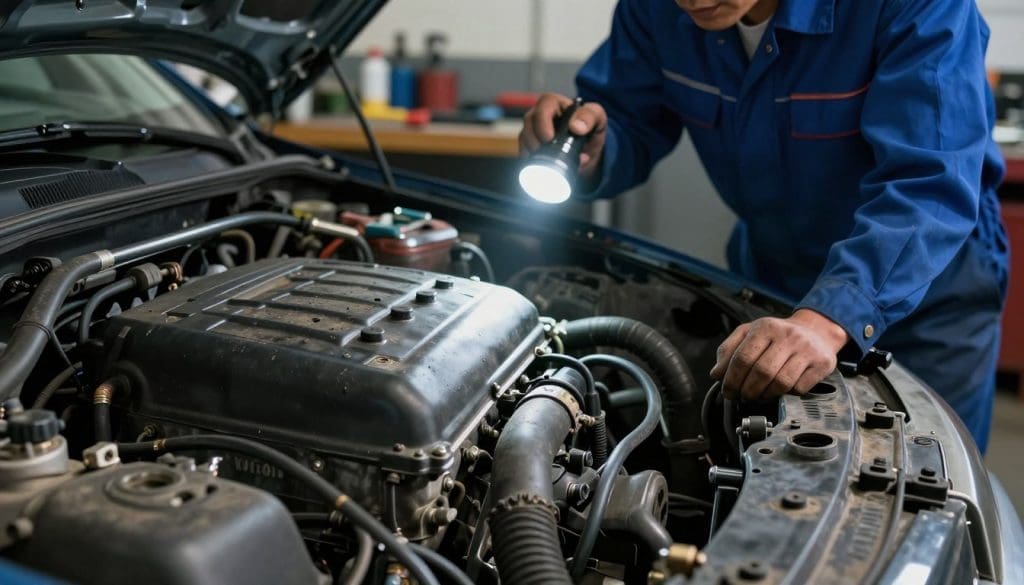
By following a few simple habits, you can make your fuel pump last longer. Taking good care of your vehicle helps it run better and reduces the chance of parts breaking down early. Making small changes to your daily routine can keep your fuel system working well.
Best Practices for Daily Driving Habits
One key way to protect your pump is to keep your fuel level above a quarter tank always. The fuel in your tank cools the electric pump motor. Running low can cause the pump to overheat, leading to unnecessary wear and tear on parts.
Also, avoid refueling right after a tanker truck has filled the station. This can stir up sediment and debris that can clog your fuel filter or damage the pump intake. Waiting a few hours lets these contaminants settle, ensuring clean fuel for your engine.
Routine Inspection Schedules for High-Mileage Vehicles
If your vehicle has over 100,000 miles, it needs more frequent checks. We suggest having a professional do a fuel pressure test during major service intervals. This helps catch small performance issues before they turn into engine stalling.
It’s also important to regularly check your fuel lines and electrical connections in older cars. Corrosion or loose wiring can cause power issues that seem like pump failure. By staying on top of these needs, you avoid unexpected roadside breakdowns and keep your car running well for a long time.
Conclusion
Your car needs a healthy fuel system to run well. Watching for small engine changes helps avoid big problems. This keeps your car reliable and powerful.
Regular care keeps your car running smoothly all year. Fixing fuel pump issues early saves you from being stuck in traffic. It also gives you peace of mind.
Heaven Automotive offers the expert care your car needs. Our team knows how the San Antonio climate affects fuel systems. We keep your car in great shape.
Stop by 6645 Poss Rd. San Antonio, TX 78238 to talk to our techs. Call (210) 682-3898 to book your car check-up. We’re here to keep your car safe and running well.