

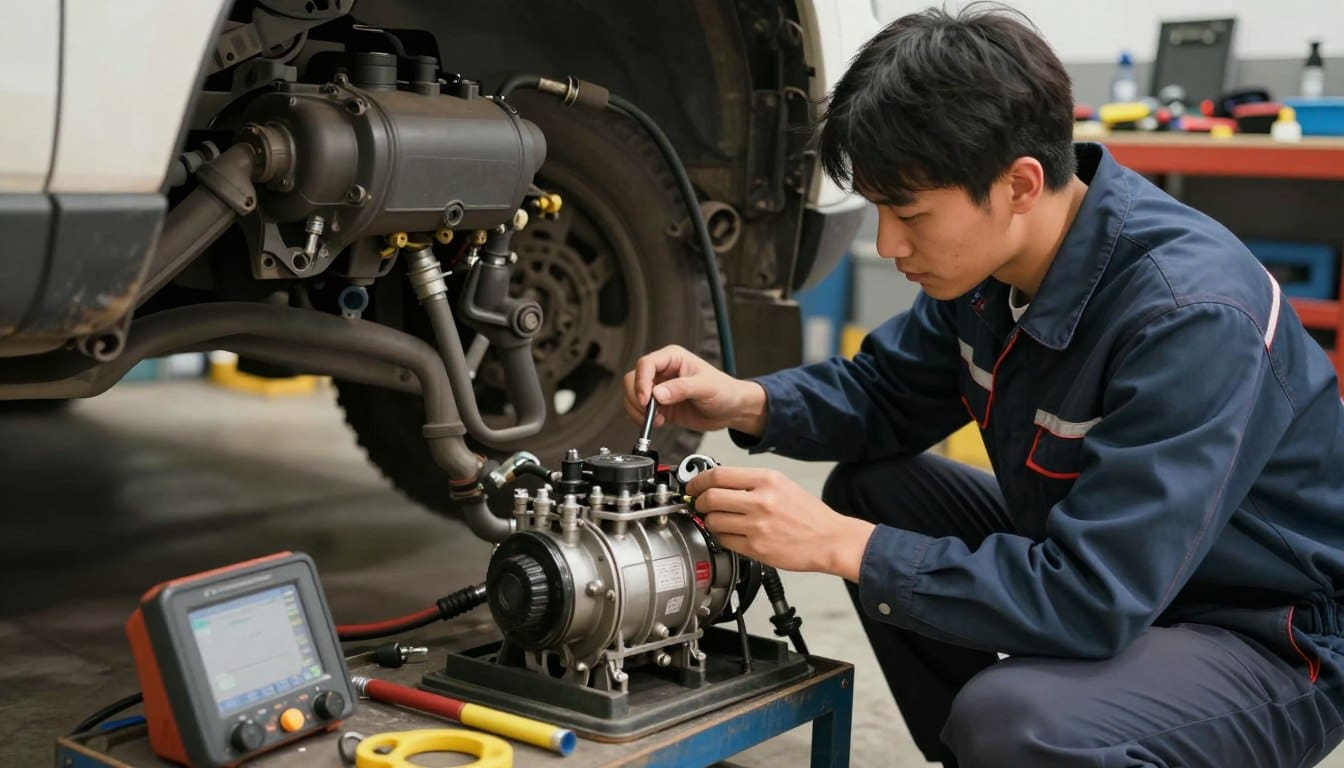
Your car needs a steady flow of gas to keep going. The part that makes this happen is key for your engine’s best performance every day. Small glitches can quickly become big problems if you don’t catch them early.
When you face fuel delivery problems, it can mess up your morning drive. Spotting these signs early can save you from the stress of being stuck on a busy road. Pay close attention to how your car acts while driving.
A sudden engine stop or frequent sputtering might mean your fuel pump is failing. If your car won’t start every morning, it’s time for a pump replacement. Acting fast can save you from costly repairs and towing fees later.
At Heaven Automotive, we’re experts at keeping your car running smoothly. Visit us at 6645 Poss Rd. San Antonio, TX 78238, or call (210) 682-3898 to book your check-up. Let Heaven Automotive fix your car and get you back on the road confidently.
Key Takeaways
- Early detection prevents sudden and dangerous engine stalls.
- Sputtering at high speeds usually signals low system pressure.
- Hard starts often indicate a weakening internal motor component.
- Consistent maintenance avoids expensive emergency road service calls.
- Proper gas flow remains essential for long-term engine health.
- A professional diagnosis ensures a safe and lasting repair.
Understanding the Role of Your Vehicle’s Fuel System
Knowing how your vehicle’s fuel system works is key to fixing engine stalling and fuel system problems. The fuel system is a complex network that stores and supplies fuel to the engine.
The fuel pump is a vital part of this system. It delivers fuel from the tank to the engine. Its work is essential for the engine to run smoothly.
How the Fuel Pump Delivers Energy to Your Engine
The fuel pump creates pressure in the fuel system. This pressure pushes fuel through the fuel lines to the engine’s fuel injectors. This process is vital for the engine to get the right air-fuel mix.
Key Functions of the Fuel Pump:
- Creating pressure in the fuel system
- Supplying fuel to the engine’s fuel injectors
- Maintaining the correct fuel pressure
The Relationship Between Fuel Pressure and Combustion
Fuel pressure is key for combustion. The right fuel pressure ensures the engine gets the fuel it needs for efficient burning.
| Fuel Pressure Status | Effect on Engine Performance |
|---|---|
| Low Fuel Pressure | Poor engine performance, possible stalling |
| High Fuel Pressure | Engine may run rich, could damage the catalytic converter |
| Optimal Fuel Pressure | Efficient engine performance, proper burning |
Keeping fuel pressure at the right level is vital for your engine’s health and performance. Problems with fuel pressure can cause stalling and lower fuel efficiency.
Common Symptoms of a Failing Fuel Pump
Fuel delivery problems often come from a failing fuel pump. You can spot these issues early. This can save you from bigger repairs later.
Identifying Unusual Whining Noises from the Fuel Tank
An unusual whining noise from the fuel tank is a common sign. This noise usually means the pump’s motor is wearing out or there’s an electrical problem.
Key characteristics of this noise include:
- A high-pitched whine that may change pitch or volume with engine speed
- A noise that is more pronounced when the fuel level is low
- A consistent whine even when the vehicle is stationary
Difficulty Starting Your Vehicle in Cold Weather
Starting your vehicle in cold weather can be tough if the fuel pump is failing. A failing pump may not push enough fuel to start the engine well, making it harder in cold weather.
| Symptom | Description | Possible Cause |
|---|---|---|
| Whining Noise | High-pitched noise from the fuel tank | Worn-out fuel pump motor or electrical issue |
| Difficulty Starting | Engine hard to start, specially in cold weather | Insufficient fuel pressure due to a failing pump |
| Engine Stuttering | Engine stutters or sputters during acceleration | Intermittent fuel delivery due to pump failure |
Knowing these symptoms can help you catch fuel delivery problems early. If you see any of these signs, get your fuel pump checked by a pro. This can prevent damage to your engine.
Engine Stalling Causes and Fuel Delivery Problems
When your engine stalls, it might mean a bigger problem with your fuel system. Engine stalling can leave you stranded and is a safety risk. Knowing why it happens and how it relates to fuel issues is key to fixing it.
Fuel delivery problems can show up in many ways, like engine stalling, often when you accelerate. A failing fuel pump is a common cause. It can’t provide enough fuel pressure to the engine.
Why Your Engine Cuts Out During Acceleration
When you accelerate, your engine needs more fuel. If the fuel pump fails, it can’t supply enough fuel. This leads to stalling or cutting out, which is more noticeable when going uphill or merging onto a busy road.
Symptoms of a failing fuel pump during acceleration include:
- Engine sputtering or hesitation
- Loss of power or stumbling
- Stalling or cutting out
The table below shows common symptoms and possible causes of engine stalling during acceleration:
| Symptom | Possible Cause | Related Issue |
|---|---|---|
| Engine sputtering | Faulty fuel pump | Inadequate fuel supply |
| Loss of power | Clogged fuel filter | Reduced fuel pressure |
| Stalling | Failing fuel pump relay | Intermittent fuel supply |
The Connection Between Overheating and Fuel Pump Failure
Overheating can harm your fuel pump’s performance and lifespan. When it overheats, it wears out faster. Fuel pumps cool down with the fuel they pump.
Factors contributing to fuel pump overheating include:
- Low fuel levels, which can cause the pump to run dry and overheat
- Clogged fuel filters, restricting fuel flow and causing the pump to work harder
- Faulty electrical connections or wiring, leading to increased resistance and heat generation
Understanding engine stalling causes and the link between overheating and fuel pump failure helps you fix problems early. This way, you avoid bigger issues later.
The Impact of High Mileage on Fuel Pump Longevity
As your car gets older, the fuel pump works harder. This can make it wear out faster. Knowing how high mileage affects your fuel pump is key to keeping your car running well.
Wear and Tear Patterns in Older Fuel Pumps
Old fuel pumps show signs of wear. This includes mechanical damage, corrosion, and contamination. The fuel pump’s parts can break down from constant use.
Common issues with older fuel pumps include:
- Reduced fuel pressure
- Increased noise during operation
- Intermittent fuel delivery
These problems mean your fuel pump might be failing. Fixing it quickly is important to avoid engine damage.
Signs of Electrical Component Degradation Over Time
The electrical parts of your fuel pump can also wear out. This can cause problems and even make the pump fail.
Signs of electrical component degradation include:
- Dim or flickering dashboard lights when the fuel pump is operating
- Intermittent or continuous operation of the fuel pump
- Failure of the fuel pump to turn on
If you see these signs, get your fuel pump checked by a pro. They can help with fuel system repair.
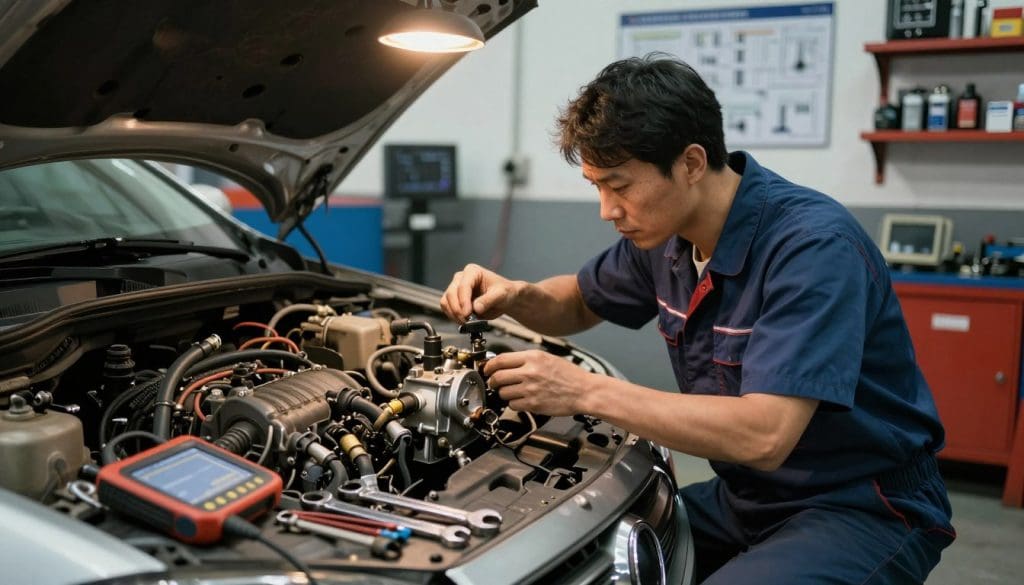
Regular checks and maintenance can spot problems early. Understanding how mileage affects your fuel pump helps keep your car running smoothly.
Why Your Vehicle Might Experience Sputtering at High Speeds
Sputtering at high speeds is a common problem many drivers face. It’s often caused by fuel delivery issues. When driving on the highway, your car needs a steady flow of fuel to run well.
The Role of Consistent Fuel Flow During Highway Driving
Having a steady fuel flow is key when driving on the highway. It makes sure your engine gets the fuel it needs to run smoothly. Any problem with this flow can cause your car to sputter or stumble.
Factors Affecting Fuel Flow:
- Clogged fuel filters
- Faulty fuel pumps
- Corroded fuel lines
These issues can make it hard for your fuel system to keep fuel flowing, which is a big problem at high speeds.
How Pressure Drops Lead to Performance Loss
A drop in fuel pressure can really hurt your car’s performance. If the fuel pump can’t keep up the needed pressure, your engine might sputter or lose power.
The table below shows how different fuel system problems can affect your car:
| Issue | Effect on Performance | Symptoms |
|---|---|---|
| Clogged Fuel Filter | Reduced Fuel Flow | Sputtering, Loss of Power |
| Faulty Fuel Pump | Inconsistent Fuel Pressure | Engine Stalling, Sputtering |
| Corroded Fuel Lines | Fuel Leaks, Pressure Loss | Fuel Smell, Performance Issues |
It’s important to keep your fuel system in good shape. This helps prevent problems and keeps your car running smoothly, even at high speeds.
Recognizing the Warning Signs of a Dying Fuel Pump
When your fuel pump starts to fail, it can show in many ways. It can affect your car’s performance and how well it runs. A failing fuel pump can cause small problems or big engine issues, like engine stalling causes that can leave you stuck.
Monitoring Your Fuel Gauge for Inaccurate Readings
An inaccurate fuel gauge is a subtle sign of a dying fuel pump. If your fuel gauge is off or gives mixed signals, it might mean the fuel pump is not working right. This could be because of a bad fuel level sensor or a fuel pump that’s not pumping fuel steadily.
The Link Between Poor Fuel Economy and Pump Efficiency
A failing fuel pump can also make your car use more fuel. This means your engine will use more fuel than it should, leading to less mileage and higher fuel costs. By watching your fuel economy and fixing problems fast, you can avoid harming your car’s engine and fuel system.
Watching for these warning signs can help you spot a dying fuel pump early. This way, you can fix the problem before it gets worse.
Professional Assessment for Fuel Pump Replacement
If you’re noticing signs of a failing fuel pump, it’s time for a diagnostic check. A pro can tell if you need a new fuel pump and spot other fuel system issues.
When to Schedule a Diagnostic Inspection
Think about getting a diagnostic check if your fuel pump is acting up. This includes strange noises, hard starts, or engine stalls. Early detection helps avoid engine damage.
Look out for these signs for a diagnostic check:
- Decreased engine performance
- Inaccurate fuel gauge readings
- Poor fuel economy
- Sputtering or stalling during acceleration
What to Expect During a Professional Fuel Pump Replacement
A technician will first do a detailed check to confirm the fuel pump issue. They might use special tools to test the fuel system’s pressure and flow.
Here’s what happens next:
- Disconnect the battery to prevent any accidental starts
- Access the fuel tank to remove the old fuel pump
- Install a new fuel pump, ensuring it’s properly secured and connected
- Test the fuel system to verify that it’s functioning correctly
A professional fuel pump replacement ensures the job is done right and safely, avoiding future problems.
Diagnostic Procedures for Fuel System Repair
Fixing your fuel system needs a detailed check to keep your car running well. Finding fuel delivery problems means looking at each part of the system. This includes the fuel pump, filter, and more.
Using Pressure Gauges to Test Fuel System Integrity
Pressure gauges are key in finding fuel system problems. They show the fuel pressure, which tells if the pump is working right. Low fuel pressure might mean a bad fuel pump or clogged filters.
To test the system, connect a pressure gauge to the fuel system. Find the test port, attach the gauge, and watch the pressure. This shows if the pump is doing its job.
Inspecting Electrical Connections and Fuses
Checking the fuel pump’s electrical connections and fuses is also important. Bad wiring or blown fuses can stop the pump from working, causing fuel delivery problems.
Start by looking at the wiring for damage or wear. Make sure all connections are tight and clean. Also, check the fuses for the fuel pump circuit. A blown fuse means there’s a problem to fix.
| Diagnostic Test | Purpose | Indications of Failure |
|---|---|---|
| Fuel Pressure Test | Measures fuel pressure in the system | Low pressure readings |
| Electrical Connection Inspection | Checks for damage or wear in wiring and connections | Signs of wear, corrosion, or damage |
| Fuse Inspection | Verifies if fuses related to the fuel pump are intact | Blown fuses |
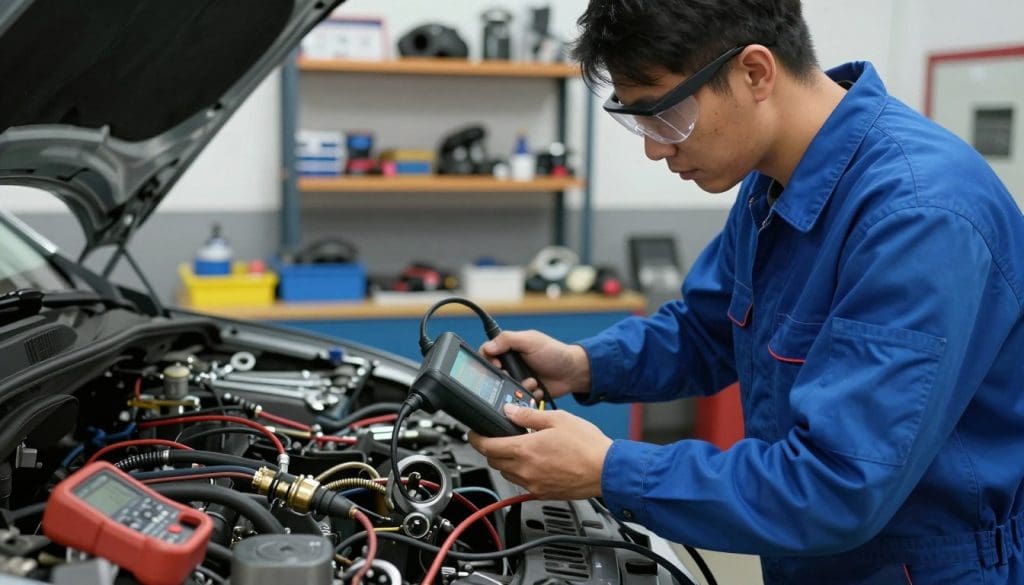
By doing these tests, you can find and fix fuel problems in your car. Regular checks help avoid issues and keep your fuel system working well.
The Dangers of Ignoring Fuel Delivery Issues
Ignoring fuel delivery problems can leave you stranded and harm your engine. A faulty fuel system can cause many issues. These problems affect your car’s performance and your safety on the road.
Risk of Stranding and Safety Concerns on the Road
Ignoring fuel delivery issues can leave you stranded. Engine stalling causes include faulty fuel pumps and clogged filters. If your engine stalls, you might be in danger, like in heavy traffic or remote areas.
Also, a sudden stall can be very dangerous. Other drivers might not have time to avoid hitting you. This is even more risky at night or when it’s hard to see.
Potential Damage to Other Engine Components
Ignoring fuel delivery problems can also damage your engine more. For example, a failing fuel pump can make your engine run too lean. This can cause it to overheat and damage parts like cylinders, pistons, or valves.
The table below shows what can happen if you ignore fuel delivery issues:
| Issue | Consequence | Potential Damage |
|---|---|---|
| Faulty Fuel Pump | Engine Stalling | Catalytic Converter Damage |
| Clogged Fuel Filter | Reduced Engine Performance | Fuel Injector Clogging |
| Low Fuel Pressure | Poor Engine Performance | Engine Component Wear |
It’s important to fix fuel delivery problems quickly. Knowing the signs of a failing fuel system helps. Taking action early can prevent being stranded and reduce engine damage.
How Fuel Quality Affects Your Pump Performance
Keeping your fuel quality high is key to avoiding fuel delivery issues. The fuel you use is vital for your engine’s health. Its quality greatly impacts your fuel pump’s performance and lifespan.
Poor fuel quality can lead to sediment and contaminants in your tank. These can clog your fuel pump’s filter or damage its parts.
The Impact of Sediment and Contaminants in Your Tank
Sediment and contaminants in your tank harm your fuel pump. Debris in the tank can wear down your pump’s parts.
Common contaminants include:
- Dirt and debris
- Water
- Corrosion particles
These can shorten your fuel pump’s life and reduce its efficiency. This might even cause it to fail.
| Contaminant Type | Effect on Fuel Pump |
|---|---|
| Dirt and Debris | Clogs filter, damages internal components |
| Water | Causes corrosion, leads to pump failure |
| Corrosion Particles | Accelerates wear on pump components |
Why You Should Avoid Running Your Tank Near Empty
Running your tank low can harm your fuel pump. Low fuel levels let debris and sediment into the pump.
Also, low fuel levels make the pump work harder. This can cause it to overheat and fail early.
To keep your fuel pump working well, use high-quality fuel and keep your tank full. Regular fuel system checks help your vehicle run smoothly and efficiently.
Preventative Maintenance Tips for Your Fuel System
To keep your vehicle running smoothly, focus on preventative maintenance for your fuel system. A well-working fuel system is key for your vehicle’s performance, fuel efficiency, and longevity. By acting early, you can avoid expensive repairs and prevent unexpected breakdowns.
Regular Fuel Filter Changes and Their Benefits
Changing your fuel filter regularly is a simple yet effective way to maintain your fuel system. A clogged fuel filter can harm your engine’s performance, reduce fuel efficiency, and increase emissions. Replacing the fuel filter as recommended ensures a clean fuel supply to your engine, preventing issues and keeping your vehicle running well.
Regular fuel filter changes improve your engine’s performance, boost fuel economy, and reduce wear on fuel system parts. It’s a low-cost maintenance task that greatly benefits your vehicle’s health.
Monitoring Your Fuel System for Early Warning Signs
Along with regular maintenance, watch for early signs of fuel system problems. Look out for decreased fuel pressure, unusual noises from the fuel tank, or changes in engine performance. Early detection can prevent minor issues from becoming major problems, saving you time and money.
Regular checks on your fuel system’s condition and quick action on any issues help keep your vehicle running smoothly and efficiently. Being proactive and alert can extend your fuel system’s life and keep your vehicle performing well.
When to Seek Expert Help in San Antonio
Heaven Automotive is your top choice for fuel pump replacement in San Antonio. If your vehicle’s fuel pump is acting up, fix it fast to prevent more harm.
For those in San Antonio, getting help from local mechanics for fuel pump replacement is smart. They know the local roads and can give advice that fits your needs.
Why Local Expertise Matters for Your Vehicle
Local mechanics are key for fixing fuel pump failure. They offer custom service, considering your car’s type and the local driving habits.
| Benefits of Local Expertise | Description |
|---|---|
| Personalized Service | Local mechanics give advice that fits your car’s make and model. |
| Regional Knowledge | They know the local roads and offer advice that’s right for you. |
| Quick Turnaround | Local shops often fix things faster than big chains. |
Contacting Heaven Automotive for Reliable Service
Need fuel pump replacement or other car fixes? Heaven Automotive is here to assist. Call them at (210) 682-3898 or visit 6645 Poss Rd. San Antonio, TX 78238.
Don’t wait to call Heaven Automotive for top-notch service. Their skilled team is eager to help you get moving again.
The Importance of Using Quality Replacement Parts
Choosing high-quality replacement parts is key to keeping your vehicle in top shape after a fuel pump replacement. The parts you pick can greatly impact your car’s performance, fuel use, and how long it lasts.
When picking parts, consider whether to go for Original Equipment Manufacturer (OEM) parts or aftermarket ones. OEM parts are made by the car’s original maker. They fit perfectly and keep your car running like new.
OEM Versus Aftermarket Fuel Pump Considerations
Aftermarket parts are made by other companies and can be less expensive. But, they might not be as good as OEM parts. This could mean your car doesn’t run as well or lasts as long.
| Part Type | Quality | Cost | Warranty |
|---|---|---|---|
| OEM | High | Higher | Typically Longer |
| Aftermarket | Varies | Lower | Varies |
It’s important to think about these points when choosing between OEM and aftermarket parts. Talking to a pro can help you make the best choice.
Ensuring Long-Term Reliability with Professional Installation
Whether you pick OEM or aftermarket parts, professional installation is vital for lasting reliability. A skilled mechanic can install the fuel pump right, avoiding future problems.
Professional installation usually comes with a warranty. This gives you peace of mind and protects against future issues. Choosing a trusted service for your fuel pump replacement ensures it’s done correctly the first time.
Conclusion
Knowing the signs of a failing fuel pump is key to avoiding fuel problems. These issues can leave you stuck. By keeping an eye out for early signs, you can dodge expensive fixes and keep your car running well.
If your car has trouble starting or stalls, don’t ignore it. A quick fix for the fuel pump can save your engine and other parts from harm.
For top-notch fuel pump replacement and expert advice, call Heaven Automotive at (210) 682-3898. Or, visit them at 6645 Poss Rd, San Antonio, TX 78238. Their team is eager to help you keep your car in top shape and avoid fuel issues.